If you want strong, well-defined shoulders, focusing on your rear delts is a must. These muscles often get overlooked, but they play a key role in your posture and overall shoulder strength.
Using dumbbells to target your rear delts can help you build muscle, improve your balance, and prevent injuries. You’ll discover the best rear delt dumbbell exercises that fit into any workout routine. Ready to take your shoulder training to the next level?
Keep reading to find out how to make every rep count.
Rear Delt Muscle Basics
The rear delt muscle is a small but important part of your shoulder. It sits at the back of your shoulder and helps with many arm movements. Understanding this muscle helps you train it better. Strong rear delts improve your shoulder shape and function.
Training the rear delt with dumbbells focuses on building strength and stability. It also helps balance your shoulder muscles. This reduces the risk of injury and improves posture. Let’s explore what the rear delt does and why you should train it.
Role In Shoulder Movement
The rear delt helps move your arm backward and outward. It works with other shoulder muscles for smooth motion. It also helps rotate your arm outward. This muscle is key for pulling and lifting actions. Without strong rear delts, shoulder movement feels weak and limited.
Benefits Of Targeted Training
Training the rear delt improves shoulder strength and balance. It supports better posture by pulling your shoulders back. This reduces shoulder pain and discomfort. Strong rear delts make lifting and pulling tasks easier. They also give your shoulders a round, full look.

Credit: www.youtube.com
Key Rear Delt Dumbbell Exercises
The rear deltoid is a small but important shoulder muscle. It helps with posture and balance. Training it with dumbbells builds strength and shape. These exercises target the rear delts well. They are simple and effective.
Using dumbbells allows controlled movement. It helps avoid injuries and improves muscle focus. The following exercises are some of the best for rear delt training.
Bent-over Reverse Fly
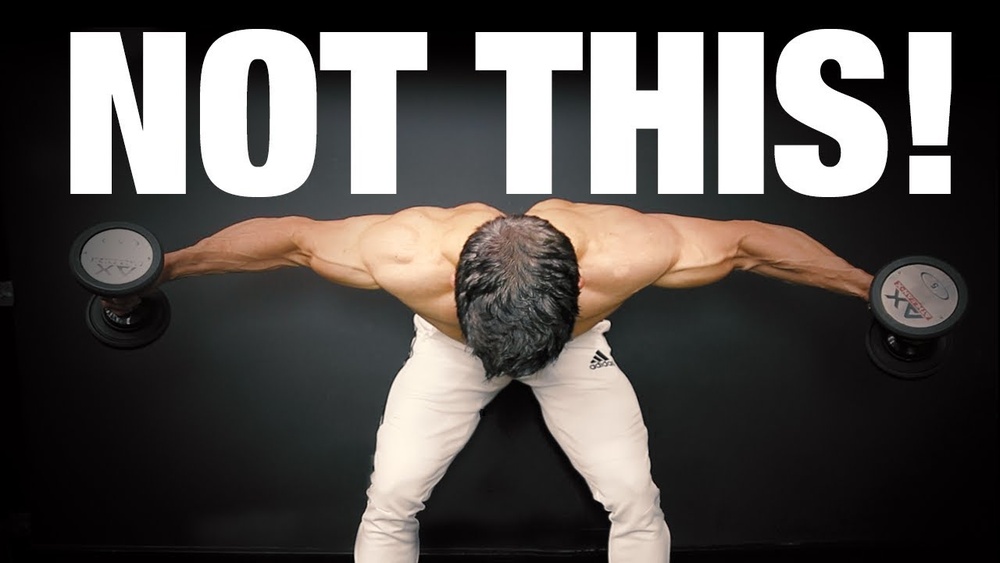
Bend at the hips, keeping your back straight. Hold dumbbells with palms facing each other. Lift your arms out to the sides. Squeeze your shoulder blades as you raise the weights. Lower slowly and repeat. This move targets the rear delts and upper back.
Seated Rear Delt Raise
Sit on a bench, lean forward slightly. Hold dumbbells with palms facing down. Raise your arms to the side until they are parallel to the floor. Keep your elbows slightly bent. Pause and lower the weights slowly. This exercise isolates the rear delts well.
Incline Rear Delt Fly
Lie face down on an incline bench. Hold dumbbells with palms facing each other. Raise your arms sideways, squeezing your shoulder blades. Pause at the top, then lower the dumbbells. This angle reduces momentum and increases rear delt work.
Standing Rear Delt Row
Stand with knees slightly bent and torso forward. Hold dumbbells with palms facing your body. Pull the dumbbells towards your chest. Focus on pulling with your rear delts, not your arms. Lower the weights slowly. This exercise also strengthens the upper back.
Proper Form Tips
Proper form is key to effective rear delt dumbbell exercises. It helps target the muscles correctly and reduces injury risk. Paying attention to small details makes a big difference in results. Follow these tips to keep your workouts safe and efficient.
Maintaining Shoulder Alignment
Keep your shoulders level and relaxed. Avoid shrugging or hunching during the lift. Your shoulder blades should move naturally but stay stable. Align your wrists with your elbows to reduce strain. This helps focus the effort on your rear delts.
Controlling Movement Speed
Lift the dumbbells slowly and with control. Avoid fast or jerky motions that waste energy. A steady pace increases muscle engagement. Lower the weights just as slowly to maintain tension. Control prevents momentum from taking over the exercise.
Avoiding Common Mistakes
Do not use heavy weights that force poor form. Avoid swinging your body or leaning too far forward. Keep your core tight to support your back. Do not lock your elbows at the top of the lift. These errors reduce workout quality and may cause pain.

Credit: fitbod.me
Workout Routines For Rear Delts
Building strong rear delts improves shoulder shape and posture. Focused workout routines help target this small muscle group effectively. Using dumbbells allows for controlled, isolated movements. Below are workout plans for different skill levels. Each plan targets rear delts with easy-to-follow exercises.
Beginner-friendly Plan
Start with light weights to avoid injury. Perform 2 sets of 12 reps for each exercise. Include bent-over reverse flys and rear delt raises. Rest 30 seconds between sets. Train rear delts twice a week for steady progress.
Intermediate Challenge
Increase weight and sets to build strength. Do 3 sets of 10 reps per exercise. Add seated rear delt dumbbell raises and prone reverse flys. Keep rest time around 45 seconds. Train rear delts 2-3 times weekly for better muscle growth.
Advanced Training Split
Use heavy dumbbells and advanced movements. Perform 4 sets of 8 reps with strict form. Incorporate rear delt rows and single-arm reverse flys. Rest 60 seconds between sets. Train rear delts 3 times a week with other shoulder exercises.
Complementary Exercises
Complementary exercises support the main rear delt dumbbell workouts. They improve muscle balance and reduce injury risk. Including these exercises helps build stronger, more stable shoulders. These drills also activate supporting muscles for better performance and posture.
Shoulder Stability Drills
Stability drills train small muscles around the shoulder joint. These exercises improve control during rear delt movements. Try planks with shoulder taps or band pull-aparts. They enhance balance and reduce strain on the rear delts.
Rotator Cuff Strengthening
Strong rotator cuffs protect the shoulder during lifting. Use internal and external rotation exercises with light dumbbells or bands. These moves keep the shoulder joint healthy and stable. Rotator cuff work also supports proper arm movement patterns.
Upper Back Activation
Activating the upper back improves rear delt engagement. Rows and scapular retractions are good choices. These exercises strengthen the rhomboids and traps. A strong upper back helps maintain good posture and shoulder health.

Credit: fitbod.me
Recovery And Injury Prevention
Recovery and injury prevention are key to building strong rear delts with dumbbells. Without proper care, muscles can become sore or injured. Taking time to rest helps muscles grow and stay healthy. Smart recovery lowers the risk of pain and setbacks. This section covers simple ways to protect your shoulders and boost recovery.
Stretching Techniques
Stretching keeps muscles flexible and reduces tightness. Focus on shoulder stretches like cross-body arm pulls and doorway chest stretches. Hold each stretch for 20 to 30 seconds. Stretch after workouts to help muscles relax. Avoid bouncing during stretches to prevent injury. Gentle stretching improves blood flow and speeds healing.
Rest And Muscle Repair
Rest days let muscles repair and grow stronger. Aim for at least 48 hours between intense rear delt sessions. Sleep is also vital for muscle repair. Try to get 7 to 9 hours of sleep each night. Avoid working the same muscle group every day. Proper rest prevents fatigue and lowers injury risk.
Signs Of Overtraining
Overtraining can cause pain and slow progress. Watch for constant soreness or swelling around your shoulders. Feeling weak or tired during workouts is a warning sign. Trouble sleeping or mood changes may also occur. If these signs appear, reduce workout intensity or take extra rest days. Listening to your body helps avoid injury.
Frequently Asked Questions
What Are The Best Dumbbell Exercises For Rear Delts?
The best dumbbell exercises for rear delts include reverse flyes, bent-over lateral raises, and face pulls. These target the rear shoulder muscles effectively, improving strength and posture.
How Do Rear Delt Dumbbell Exercises Benefit Shoulder Health?
Rear delt exercises strengthen shoulder stabilizers, reduce injury risk, and improve posture. They enhance overall shoulder mobility and balance muscle development.
Can Dumbbell Rear Delt Exercises Improve Posture?
Yes, targeting rear delts with dumbbells helps correct rounded shoulders. Strengthening these muscles supports proper alignment and reduces slouching.
How Often Should I Train Rear Delts With Dumbbells?
Train rear delts 2-3 times weekly with dumbbell exercises. Allow 48 hours for recovery between sessions to avoid overtraining.
Conclusion
Strong rear delts improve posture and shoulder strength. Dumbbell exercises target these muscles well. Keep your movements slow and controlled. Consistency helps build muscle and avoid injury. Try different exercises to find what fits you best. Small weights work fine to start.
Focus on form, not on lifting heavy. Regular training leads to visible results. Enjoy the process and stay patient. Your shoulders will thank you later.