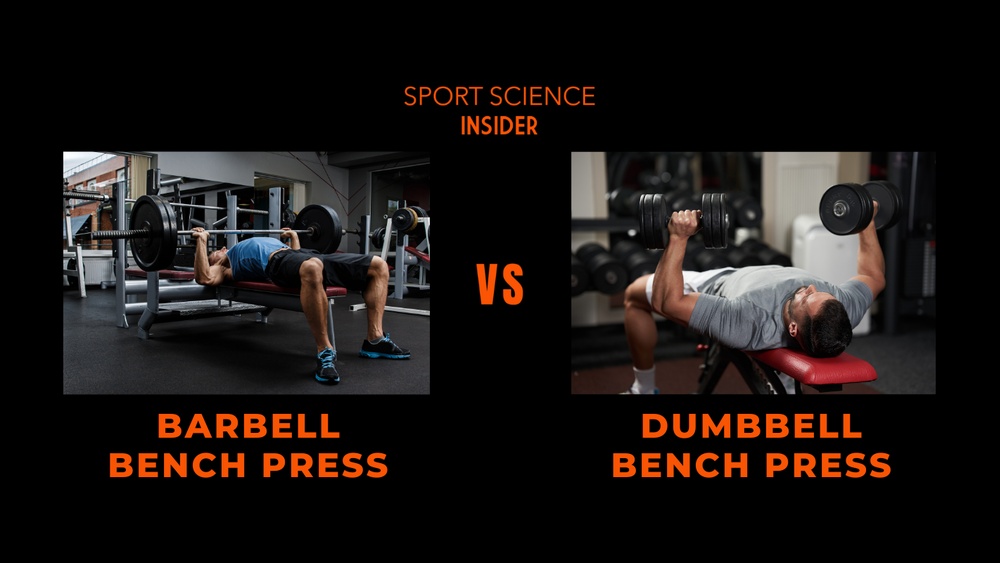
Have you ever wondered how much harder a dumbbell bench press really is compared to a barbell? If you want to build strength and muscle effectively, understanding this difference can change the way you train.
This isn’t just about lifting heavier weights—it’s about how your body works, how your muscles activate, and how your progress can skyrocket. Keep reading to discover what makes the dumbbell bench press challenging and why it might be the key to unlocking your next level of fitness.
Credit: wersports.com
Dumbbell Vs Barbell Bench Press
The dumbbell and barbell bench press both build upper body strength. Each has unique benefits and challenges. Understanding their differences helps you choose the right exercise. This section breaks down key aspects of dumbbell versus barbell bench pressing.
Differences In Muscle Activation
Dumbbells require each arm to work alone. This activates more stabilizer muscles around the shoulders and chest. Barbell pressing allows both arms to work together. This often means heavier weights but less individual muscle engagement. Dumbbells can improve muscle balance by fixing strength gaps between arms.
Range Of Motion Impact
Dumbbells allow a greater range of motion than barbells. You can lower the weights deeper, stretching the chest muscles more. Barbells have a fixed hand position, limiting how far you can go down. A larger range helps muscle growth and flexibility. Dumbbells provide a more natural movement path for your arms.
Stability And Balance Challenges
Dumbbell bench press demands more stability and balance. You control two separate weights, which can move independently. This forces your core and shoulder stabilizers to work harder. Barbell pressing offers more stability because the weight is fixed on one bar. This makes it easier to lift heavier weights but less challenging for balance.
Credit: wersports.com
Strength Requirements For Dumbbell Press
Dumbbell bench press demands more from your muscles than a barbell press. It requires extra strength to control each dumbbell separately. Your body must work harder to keep balance and stability.
This exercise activates more muscles around your shoulders and chest. It also challenges your grip and wrist strength. You need good coordination to perform the movement correctly and safely.
Increased Stabilizer Muscle Engagement
Dumbbell press forces small stabilizer muscles to work harder. These muscles keep your arms steady during the lift. They help prevent injury and improve muscle balance. This makes the exercise tougher than a barbell press.
Grip And Wrist Strength Factors
Holding two dumbbells separately needs strong grip and wrists. Your hands support the weight alone, unlike a barbell. Weak grip can limit how much weight you lift. Wrist stability is key to avoid strain and injury.
Coordination And Control Demands
You must control each dumbbell independently throughout the exercise. This requires good coordination between both sides of your body. Poor control can cause uneven lifting and reduce effectiveness. Practicing helps build better muscle control and balance.
Measuring Difficulty Levels
Measuring how hard the dumbbell bench press is can help you train better. Difficulty is not just about weight. It includes effort, muscle fatigue, and recovery time. These factors show how challenging this exercise truly is.
Understanding difficulty helps you plan workouts safely and effectively. It lets you track progress and avoid injury. Let’s explore how to measure the difficulty of the dumbbell bench press.
Comparing Max Lifts
Max lifts show the heaviest weight you can press once. Comparing dumbbell and barbell max lifts reveals strength differences. Dumbbells often require more stability, lowering the max weight. This makes the dumbbell bench press feel harder for many lifters.
Tracking max lifts over time shows your strength gains. It also highlights which exercise challenges your muscles more.
Perceived Exertion Ratings
Perceived exertion rates how hard an exercise feels. It uses a simple scale from 1 to 10. Lifters rate their effort after sets or workouts. Dumbbell bench press often scores higher due to balance demands. This subjective measure helps adjust training intensity.
Using exertion ratings prevents overtraining. It ensures you push hard but stay safe.
Fatigue And Recovery Considerations
Dumbbell bench presses cause more muscle fatigue than barbells. This happens because each arm works independently. More muscles stabilize the movement. Fatigue affects how fast you recover between sessions.
Recovery time is key for muscle growth and strength. Longer recovery means the exercise is more demanding. Tracking fatigue helps schedule rest days properly.
Techniques To Improve Dumbbell Bench Press
Improving your dumbbell bench press takes focus on key techniques. Strength and control both matter. Small steps lead to big gains.
Practice and patience build your power over time. Use smart methods to push your limits safely. Follow these tips to boost your dumbbell bench press.
Progressive Overload Strategies
Increase weight in small steps. Add a little more each week. This helps your muscles grow stronger. Track your progress to stay motivated. Avoid jumping to heavy weights too fast. Consistency with overload creates steady strength.
Stability Training Exercises
Work on balance and control. Use exercises like planks and single-arm presses. These improve muscle coordination. Strong stabilizers support your bench press. Stability helps prevent injuries. Better control means better lifts.
Proper Form And Safety Tips
Keep your feet flat on the floor. Maintain a tight grip on the dumbbells. Lower weights slowly to your chest. Avoid arching your back too much. Use a spotter for heavy lifts. Proper form protects your joints and muscles.
Benefits Of Including Dumbbell Press
The dumbbell bench press offers unique benefits for strength training. It challenges muscles differently than a barbell press. Using dumbbells allows more freedom of movement. This can improve muscle activation and growth.
Including dumbbell presses in workouts supports balanced muscle development. It also helps protect joints and improves overall functional strength. These benefits make it a valuable exercise to try.
Muscle Symmetry And Balance
Dumbbells require each arm to work independently. This reduces the chance of one side dominating the other. It helps fix muscle imbalances and builds even strength. Balanced muscles improve posture and reduce injury risk.
Joint Health And Mobility
Dumbbells allow natural movement paths for the shoulders. This lowers stress on the joints compared to a fixed barbell. The exercise encourages better joint mobility and flexibility. Healthier joints support longer training and daily activities.
Functional Strength Gains
Dumbbell presses mimic everyday pushing motions more closely. This trains muscles to work together in real-life situations. It improves coordination, stability, and control. Functional strength helps in sports and daily tasks.

Credit: wersports.com
Frequently Asked Questions
How Much Harder Is Dumbbell Bench Press Than Barbell?
Dumbbell bench press requires more stabilization and balance. This makes it slightly harder than barbell press. It also engages more muscle fibers, improving strength and coordination.
Does Dumbbell Bench Press Activate More Muscles?
Yes, dumbbell bench press activates more stabilizer muscles. It improves shoulder and core stability better than barbell press. This leads to enhanced muscle balance and injury prevention.
How To Progress In Dumbbell Bench Press Safely?
Start with lighter weights to master form. Gradually increase weight as strength improves. Focus on controlled movements and proper breathing to avoid injury.
Is Dumbbell Bench Press Better For Muscle Growth?
Dumbbells allow a greater range of motion, stimulating muscles differently. This can enhance muscle growth and symmetry. However, both dumbbell and barbell presses effectively build muscle.
Conclusion
Dumbbell bench press challenges your muscles differently than a barbell. It needs more balance and control, making it feel harder. You work both arms independently, which helps fix strength gaps. It also engages more stabilizer muscles for better overall strength.
Start with lighter weights and focus on form. Over time, the exercise will feel easier and more natural. Keep practicing to build strength and confidence with dumbbells. This simple switch can add variety and effectiveness to your workouts. Give it a try and notice the difference yourself.