Looking to get stronger, fitter, and healthier without a gym full of equipment? You’re in the right place.
The best dumbbell only workout plan can transform your body using just a simple set of dumbbells. Whether you’re short on space, time, or just want an effective routine you can do anywhere, this plan is designed for you. Ready to discover how a few weights can deliver big results?
Keep reading, because your strongest self is just a workout away.

Credit: www.muscleandstrength.com
Benefits Of Dumbbell Workouts
Dumbbell workouts offer many benefits for all fitness levels. They help build strength, improve muscle tone, and boost overall health. Using dumbbells allows you to perform a wide range of exercises with ease. This makes them a great choice for home or gym workouts.
Dumbbells also help improve balance and coordination. They engage multiple muscles at once, leading to better body control. Plus, dumbbell exercises can burn fat effectively by raising your heart rate. This helps you get stronger and leaner at the same time.
Versatility And Convenience
Dumbbells work for many exercises and muscle groups. You can train arms, legs, chest, back, and shoulders. Use them for strength, endurance, or cardio workouts. Dumbbells are small and easy to store at home. No need for bulky machines or gym memberships. You can exercise anytime, anywhere with dumbbells.
Muscle Balance And Coordination
Dumbbell workouts require each side of the body to work alone. This helps fix muscle imbalances and weak spots. Your brain and muscles communicate better during dumbbell exercises. This improves coordination and body control. Balanced muscles reduce the risk of injury in daily life.
Effective Fat Burning
Dumbbell exercises raise your heart rate and build muscle. More muscle means your body burns more calories even at rest. Dumbbell workouts combine strength and cardio training in one session. This helps you lose fat faster and keep it off. Regular dumbbell training improves your metabolism and fitness.
Choosing The Right Dumbbells
Choosing the right dumbbells is key to a successful workout plan. The right set helps you exercise safely and effectively. It also keeps you motivated and consistent. Understanding the types and weights of dumbbells can guide your choice.
Fixed Vs Adjustable Dumbbells
Fixed dumbbells have one set weight. They are simple to use and last long. Adjustable dumbbells allow you to change weights. They save space and money. Choose fixed dumbbells for ease and durability. Pick adjustable ones for variety and convenience.
Weight Selection Tips
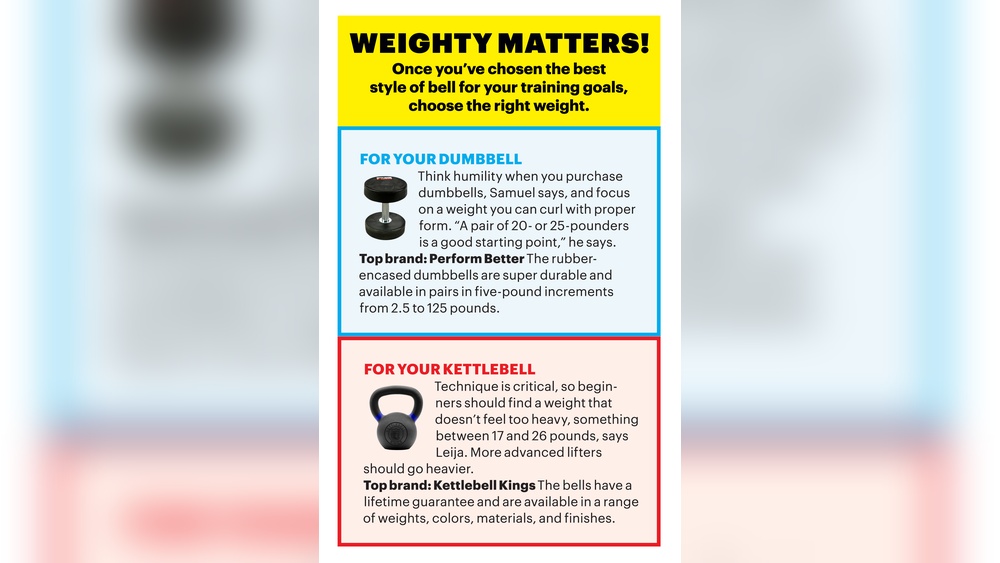
Select dumbbells that suit your strength level. Start with lighter weights to learn correct form. Increase weight gradually as you get stronger. Choose weights that challenge muscles but avoid strain. Keep different weights for different exercises.
Safety Considerations
Always check dumbbells for damage before use. Use a secure grip to prevent slipping. Lift with control to avoid injury. Store dumbbells properly to keep your space safe. Warm up before lifting to prepare muscles.
Full-body Dumbbell Exercises
Dumbbells are perfect for a full-body workout at home or the gym. They help build strength and muscle evenly. Using dumbbells targets many muscle groups at once. This saves time and boosts fitness efficiently.
Full-body dumbbell exercises improve balance, coordination, and endurance. These moves fit any schedule and skill level. You can adjust weights to match your strength and progress.
Upper Body Moves
Start with dumbbell curls to work your biceps. Shoulder presses help build strong, stable shoulders. Bent-over rows target your back muscles well. Chest presses strengthen your chest and arms. These exercises improve posture and upper body strength.
Lower Body Moves
Squats with dumbbells tone your thighs and glutes. Lunges challenge balance and leg strength. Deadlifts focus on hamstrings and lower back. Step-ups with weights build powerful legs and improve coordination. These moves shape and strengthen the lower body.
Core Strengtheners
Russian twists with a dumbbell target the obliques. Weighted sit-ups increase abdominal strength. Dumbbell side bends tone the waist and help stability. Plank rows engage the core and back muscles. Strong core muscles improve overall strength and reduce injury risk.
Designing Your Workout Plan
Designing your dumbbell-only workout plan starts with clear goals. A good plan balances exercise types, time, and effort. It helps build strength and improve fitness steadily. Planning well reduces risk of injury and keeps motivation high.
Focus on how often and how long you train. Mix strength work with cardio for the best results. Increase difficulty over time to keep your progress steady.
Frequency And Duration
Train three to five times each week. Each session should last 30 to 60 minutes. Start with shorter workouts if you are new. Rest days are important to let muscles recover. Consistency beats long, rare workouts every time.
Combining Strength And Cardio
Use dumbbells for both muscle building and heart health. Alternate strength exercises with cardio moves like jumping jacks or high knees. This keeps your heart rate up and burns more calories. It also prevents workout boredom and improves overall fitness.
Progressive Overload Strategies
Gradually increase dumbbell weight or reps every week. Add more sets or shorten rest times to raise intensity. Track your progress to stay motivated. Small, steady improvements build strength and avoid plateaus. Push yourself just enough to grow without risking injury.
Sample Workout Routines
Sample workout routines help you start and stay on track. They guide your sessions with clear steps. Using dumbbells, you can work all muscles with simple plans. These routines suit different fitness levels. Choose one that fits your current strength and goals.
Beginner Dumbbell Circuit
Start with light weights to learn form. Perform 10-12 reps of each exercise. Rest 30 seconds between moves. Repeat the circuit 2-3 times. Include dumbbell squats, shoulder presses, bent-over rows, and chest presses. This routine builds a solid foundation.
Intermediate Strength Builder
Use moderate weights that challenge your muscles. Do 8-10 reps per set. Take 45 seconds rest between exercises. Complete 3-4 rounds of the circuit. Combine lunges, dumbbell deadlifts, bicep curls, and tricep kickbacks. This plan increases muscle size and power.
Fat Burn Focused Session
Select lighter weights with fast movements. Perform 15-20 reps for each exercise. Limit rest to 15-20 seconds. Repeat 4-5 rounds for a cardio boost. Include dumbbell swings, squat to press, and renegade rows. This workout burns calories and tones muscles.
Tips For Maximizing Results
Maximizing results from your dumbbell workout requires more than just lifting weights. Proper technique, good nutrition, and tracking progress all play key roles. These tips will help you get stronger and see changes faster.
Proper Form And Technique
Using the right form prevents injuries and targets muscles correctly. Start with lighter weights to learn moves well. Keep your back straight and core tight during exercises. Move slowly and control the dumbbells in every rep. Avoid using momentum to lift weights. Focus on the muscle you want to work.
Nutrition And Recovery
Eating enough protein supports muscle growth and repair. Drink water often to stay hydrated during workouts. Rest days are important for muscles to recover and grow. Get at least seven hours of sleep each night. Avoid junk food that slows recovery. Balanced meals help keep your energy up.
Tracking Progress
Write down the weights and reps you complete each session. Track your strength and endurance over time. Notice small improvements and celebrate them. Adjust your workout plan based on your progress. Using a journal or app can make tracking easy. Clear goals help keep motivation high.
Common Mistakes To Avoid
Starting a dumbbell workout plan is exciting. Many make mistakes that slow progress or cause injury. Knowing common errors helps you stay safe and improve faster.
These mistakes often happen without noticing. Avoid them to get the best from your workouts. Focus on form, rest, and choosing the right weights.
Overtraining Risks
Training too much can harm your body. Muscles need time to heal and grow. Overtraining causes fatigue, soreness, and weakness.
Rest days are as important as workout days. Without rest, your body breaks down instead of building up. Listen to your body’s signals.
Ignoring Warm-ups And Cool-downs
Skipping warm-ups puts you at injury risk. Warm-ups prepare muscles and joints for exercise. They improve blood flow and flexibility.
Cool-downs help your body recover. They reduce muscle stiffness and soreness after workouts. Include gentle stretching to stay flexible.
Using Incorrect Weights
Choosing weights that are too heavy or too light wastes effort. Heavy weights cause bad form and injury. Light weights do not challenge muscles enough.
Select weights that feel tough but allow correct form. Gradually increase weight as you get stronger. Balance is key for steady progress.

Credit: www.shoshitamam.com

Credit: www.cytcunoc.gt
Frequently Asked Questions
What Are The Benefits Of A Dumbbell-only Workout?
Dumbbell workouts improve strength, balance, and flexibility. They target multiple muscle groups and allow versatile exercises. This plan fits home or gym routines, making it efficient for all fitness levels.
How Often Should I Do A Dumbbell Workout Plan?
For optimal results, perform dumbbell workouts 3 to 4 times weekly. Allow rest days for muscle recovery. Consistency and proper form ensure steady strength and endurance gains.
Can Dumbbell Workouts Build Muscle Effectively?
Yes, dumbbell workouts build muscle by providing resistance. Vary weights and reps to challenge muscles. Combining exercises targets different muscle groups for balanced growth.
What Equipment Is Needed For A Dumbbell-only Workout?
Only a set of adjustable or fixed-weight dumbbells is required. A workout mat and bench are optional but helpful. Minimal equipment makes this plan convenient and space-saving.
Conclusion
Dumbbell workouts offer a simple way to build strength at home. You can target many muscles with just one tool. Regular practice helps improve fitness and tone your body. Change weights or reps to keep progress steady. This plan fits any schedule or skill level.
Stay consistent and enjoy feeling stronger each week. Small steps lead to big results over time. Keep your focus and make dumbbells part of your routine. Your body will thank you for the effort.