Are you looking to build stronger glutes but don’t have a barbell handy? You might be wondering, “Can I do hip thrust with dumbbells?” The good news is, yes—you can!
Using dumbbells for hip thrusts can be a game-changer for your workouts, helping you target your glutes effectively while adding variety to your routine. Keep reading, and you’ll discover how to do it safely and get the most out of every rep.
Your stronger, shapelier hips are just a few dumbbell hip thrusts away!
Credit: www.youtube.com
Benefits Of Hip Thrusts
Hip thrusts are a popular exercise for many fitness enthusiasts. They target the muscles in your lower body, especially the glutes. Doing hip thrusts regularly can bring several benefits to your workout routine and overall health.
Using dumbbells for hip thrusts adds resistance. This can increase the effectiveness of the exercise and help you reach your fitness goals faster.
Glute Activation And Growth
Hip thrusts focus on activating the glute muscles. This activation helps the muscles grow stronger and bigger. Strong glutes improve your body shape and support your lower back. Dumbbells add extra weight, making your muscles work harder. This leads to better muscle growth over time.
Improved Athletic Performance
Strong glutes improve your power and speed. Hip thrusts help athletes jump higher and run faster. They also increase your ability to change directions quickly. Using dumbbells increases the challenge, which builds more strength. Better athletic performance comes from stronger hip muscles.
Enhanced Posture And Stability
Hip thrusts strengthen the muscles that support your hips and lower back. This helps improve your posture and balance. Good posture reduces the risk of injuries and pain. Dumbbell hip thrusts add weight, which improves core stability. A stronger core helps you stay steady during daily activities.
Choosing Dumbbells For Hip Thrusts
Choosing dumbbells for hip thrusts requires some thought. The right dumbbell can improve your workout and keep you safe. You want a weight that challenges your muscles but does not cause strain. Comfort and grip matter too. Different dumbbells offer different benefits.
Selecting The Right Weight
Pick a dumbbell weight that matches your strength. Start with a lighter weight to learn the movement. Increase the weight as your muscles get stronger. Avoid weights that feel too heavy or cause bad form. A good weight lets you do 8 to 12 clean reps.
Dumbbell Vs Barbell Differences
Dumbbells give more freedom in movement than barbells. They allow better control of each side of your body. Barbells can hold heavier weights and offer more stability. Dumbbells can be easier to use at home or small spaces. Both tools work well for hip thrusts but offer different benefits.
Grip And Comfort Tips
Choose dumbbells with a comfortable grip to avoid slipping. Look for textured handles or rubber coatings. Hold the dumbbell carefully on your hips to prevent bruising. Use a towel or pad for extra cushioning if needed. Keep your hands steady to maintain control during the thrust.
Proper Hip Thrust Form
Proper hip thrust form is key to getting strong glutes safely. Using dumbbells adds resistance but does not change the basics. Good form helps prevent injury and improves results. Follow these steps to do hip thrusts with dumbbells correctly.
Starting Position Setup
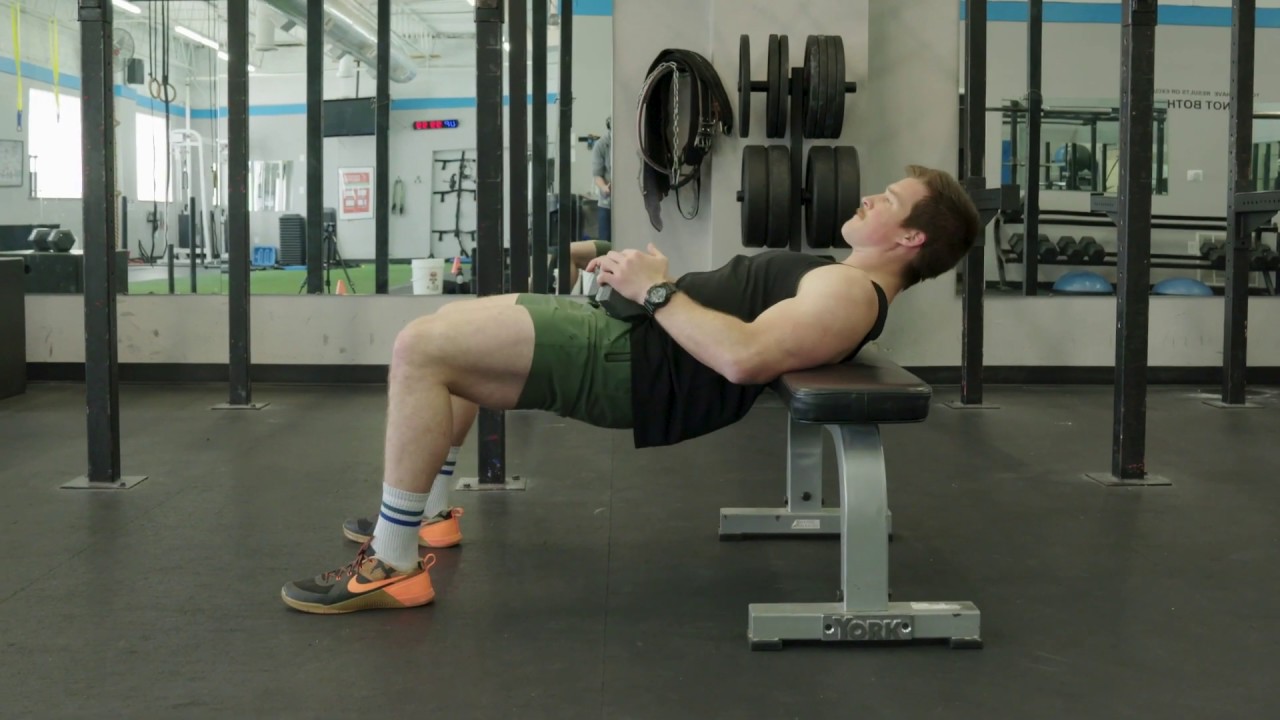
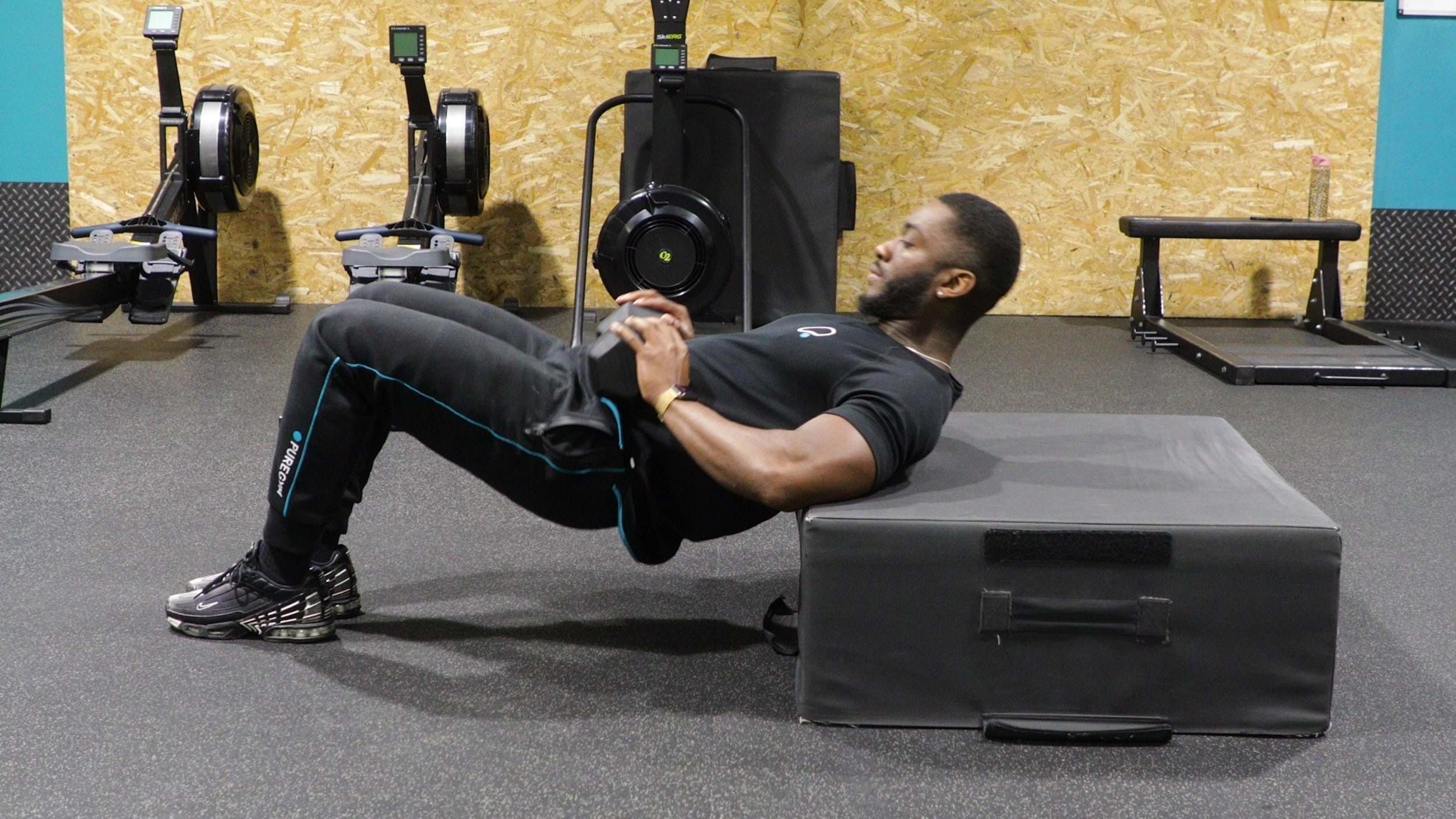
Sit on the floor with your back against a bench. Place a dumbbell on your hips. Bend your knees and plant your feet flat on the floor, about hip-width apart. Keep your feet close enough so your shins are vertical at the top. Rest your shoulder blades on the bench. Brace your core for stability.
Step-by-step Movement Guide
Push through your heels to lift your hips upward. Drive your hips toward the ceiling by squeezing your glutes. Keep your back straight and avoid arching. Lift until your body forms a straight line from shoulders to knees. Hold for a second at the top. Slowly lower your hips back to the start position. Repeat the motion with control.
Common Form Mistakes To Avoid
Do not overextend your lower back at the top. Avoid letting your knees cave inward or flare out. Keep your chin neutral; avoid looking up or down too much. Do not let the dumbbell roll or shift on your hips. Avoid using momentum; move slowly and steadily. Keep your feet flat and avoid raising your heels.
Incorporating Dumbbells Safely
Using dumbbells for hip thrusts adds extra resistance. This helps build stronger glutes and hips. Safety is key to avoid injuries and get the best results. Follow simple steps to use dumbbells correctly during hip thrusts.
Positioning Dumbbells On Hips
Place the dumbbell right on your hip bones. Use a thick pad or towel under the dumbbell. This protects your hips from pressure and pain. Keep the dumbbell centered and steady before starting the movement. Check that it feels comfortable and balanced.
Balancing And Stability Tips
Start with light weights to keep good balance. Keep your feet flat on the floor and shoulder-width apart. Engage your core muscles to stay stable during the lift. Move slowly and control the dumbbell at all times. Avoid quick or jerky motions that can cause imbalance.
Progressing Weight Gradually
Begin with a weight you can lift easily for 10-12 reps. Increase the dumbbell weight step by step over weeks. Small jumps prevent strain and let your body adapt. Focus on form and control before adding more weight. Consistent progress helps build strength safely.
Variations To Boost Gains
Adding variety to your hip thrust routine helps improve strength and muscle growth. Different versions target your glutes in unique ways. This keeps workouts fresh and effective.
Try these variations with dumbbells to boost your gains and challenge your muscles.
Single-leg Dumbbell Hip Thrust
Lift one leg off the ground while performing the thrust. This forces each side to work alone, improving balance and strength. Hold the dumbbell on your hips as usual. Perform equal reps on both legs for balanced development.
Pause And Pulse Techniques
Pause at the top of the thrust for two to three seconds. This increases muscle tension and control. Then, add small pulses by lifting and lowering slightly without dropping. These techniques improve muscle endurance and activate more fibers.
Combining With Other Glute Exercises
Mix dumbbell hip thrusts with exercises like glute bridges or step-ups. This combination targets your glutes from different angles. Use lighter weights for higher reps to avoid fatigue. This approach builds stronger, rounder glutes faster.
Programming Hip Thrusts Effectively
Programming hip thrusts with dumbbells helps build strong glutes safely and effectively. A clear plan improves muscle growth and workout results. You can adjust sets, reps, and frequency to match your goals. Planning also fits hip thrusts into your full-body routine without overtraining.
Focus on smart programming to get the best from every set. This keeps workouts balanced and supports steady progress. Let’s explore how to program hip thrusts effectively for your strength and size goals.
Optimal Sets And Reps
Choose sets and reps based on your goal. For muscle growth, aim for 3 to 4 sets per session. Each set should have 8 to 12 reps. Use a weight that challenges you but allows good form. Rest for 60 to 90 seconds between sets to recover well.
Frequency For Muscle Growth
Train hip thrusts 2 to 3 times each week. This frequency helps muscles grow without too much strain. Space sessions at least 48 hours apart. It gives your glutes time to heal and get stronger. Avoid training hip thrusts every day to prevent injury.
Integrating Into Full-body Workouts
Add hip thrusts to your lower body or full-body workout days. Pair them with exercises like squats and lunges. This creates a balanced leg and glute training plan. Keep other exercises lighter on days you do hip thrusts. This prevents fatigue and improves overall workout quality.
Troubleshooting Common Issues
Doing hip thrusts with dumbbells can be very effective for building strong glutes. Yet, some common problems may arise. These issues can cause pain or reduce the exercise’s benefits. Knowing how to fix these problems helps you stay safe and gain better results.
Dealing With Hip Discomfort
Hip discomfort often comes from poor dumbbell placement. Place the dumbbell directly above your hips, on your pelvic bone. Use a cushion or pad for extra comfort. Avoid pressing the dumbbell on soft tissue or bone edges. Take breaks if you feel sharp pain. Stretch your hips gently before and after exercise.
Avoiding Lower Back Strain
Lower back pain happens if your spine is not aligned. Keep your back straight and core tight during the thrust. Do not overarch your lower back. Push through your heels and squeeze your glutes at the top. If pain persists, try reducing your range of motion. Focus on form rather than heavy weights.
When To Adjust Dumbbell Weight
Choose a dumbbell weight that challenges without hurting you. Lower the weight if you cannot keep good form. Stop if you feel sharp pain or extreme discomfort. Increase weight slowly as your strength grows. Use lighter weights to warm up before heavier sets. Proper weight helps prevent injury and improves progress.
Credit: www.puregym.com

Credit: liftmanual.com
Frequently Asked Questions
Can I Use Dumbbells For Hip Thrust Exercises?
Yes, you can use dumbbells for hip thrusts. They provide resistance to target glutes effectively. Hold a dumbbell on your hips to add weight and increase muscle activation safely.
Are Dumbbells Safe For Hip Thrust Workouts?
Dumbbells are safe for hip thrusts when used correctly. Ensure proper form and start with lighter weights. Gradually increase resistance to avoid injury and maximize glute strength.
How Do Dumbbells Compare To Barbells In Hip Thrusts?
Dumbbells offer flexibility and are easier to handle than barbells. Barbells allow heavier weights but require more equipment. Dumbbells are ideal for beginners or home workouts.
What Are The Benefits Of Hip Thrusts With Dumbbells?
Hip thrusts with dumbbells improve glute strength, hip mobility, and core stability. They help tone muscles and enhance athletic performance with minimal equipment needed.
Conclusion
Dumbbells work well for hip thrust exercises. They add the right amount of weight and are easy to handle. You can build strong glutes without needing a barbell. Just focus on good form and control. Start with light weights and increase slowly.
This helps prevent injury and improves results. Hip thrusts with dumbbells fit well into home or gym workouts. Keep consistent and patient for the best progress. Simple, effective, and safe—dumbbell hip thrusts are a smart choice.