Have you ever stopped to think about how heavy the dumbbells you lift really are? It might seem simple, but understanding the exact weight you’re working with can change the way you train—and the results you get.
If you’re like many people, you might be guessing or just going by the numbers on the dumbbells without knowing the full story. You’ll discover why knowing the true weight matters, how it affects your progress, and what you can do to make every lift count.
Keep reading—you’re about to unlock a key secret that could take your workouts to the next level.

Credit: www.amazon.com
Choosing Dumbbell Weight
Choosing the right dumbbell weight is key to a good workout. The weight must fit your strength and goals. Too heavy can cause injury. Too light may not help your muscles grow. It’s important to find a balance that works well for you.
Understanding how to pick the right dumbbells helps you stay safe and improve faster. This guide breaks down the main points to think about when selecting your dumbbells.
Factors Influencing Weight Selection
Body strength varies from person to person. Age, fitness level, and workout type all matter. Exercises like curls need lighter weights. Presses or squats may need heavier dumbbells. Muscle endurance also affects weight choice. Choose a weight you can lift with good form. Avoid weights that cause pain or strain.
Starting Light Vs. Going Heavy
Start with lighter dumbbells to learn the moves. This helps build control and reduce injury risk. Lifting too heavy at first can tire muscles quickly. It also risks poor form. Once confident, increase weight gradually. This ensures steady progress without harm.
Progressive Overload Importance
Progressive overload means raising the weight over time. This pushes muscles to grow stronger. Increase dumbbell weight little by little. This avoids plateaus and keeps workouts effective. Track your progress to know when to add weight. Challenge your muscles safely for best results.
Strength Levels And Dumbbell Weights
Strength levels play a key role in deciding dumbbell weights. Different people lift different weights based on their fitness and experience. Understanding these levels helps you set realistic goals. It also guides your training to improve steadily.
Strength is not just about lifting heavy. It involves control, form, and consistency. Dumbbell weights vary for beginners, intermediates, and advanced lifters. Each level has typical weight ranges to aim for. These benchmarks help track progress and avoid injury.
Beginner Benchmarks
Beginners usually start with lighter dumbbells. Men might begin with 5 to 15 pounds per dumbbell. Women often start with 3 to 8 pounds. The focus is on learning proper form and building basic strength. Lifting too heavy too soon can cause strain or injury. Beginners should aim to complete 8 to 12 reps comfortably.
Intermediate Targets
Intermediate lifters handle more weight as strength improves. Men can lift between 15 to 40 pounds per dumbbell. Women often lift 8 to 20 pounds at this stage. The goal is to increase muscle size and endurance. It is important to maintain good technique while lifting heavier. Reps usually range from 6 to 10 for intermediate targets.
Advanced Lifting Standards
Advanced lifters lift much heavier dumbbells. Men may lift 40 pounds or more per dumbbell. Women often lift 20 pounds or more at this level. Strength, power, and muscle control are high. Advanced lifters often perform 4 to 8 reps with heavy weights. Training focuses on pushing limits safely and improving muscle definition.
Techniques To Lift Heavier Dumbbells
Lifting heavier dumbbells requires more than just strength. Using the right techniques helps you lift safely and effectively. Focus on form, breathing, and avoiding common errors. These elements work together to improve your performance.
Proper Form And Posture
Keep your back straight and core tight. Stand with feet shoulder-width apart. Hold the dumbbells firmly but not too tight. Move smoothly and avoid jerky motions. Good posture reduces injury risk and improves muscle work.
Breathing And Bracing Methods
Breathe out when lifting the weight. Breathe in when lowering it. Use your diaphragm to control breaths. Brace your core like preparing for a punch. Proper breathing supports strength and stability.
Common Mistakes To Avoid
Do not lift too fast or swing the weights. Avoid arching your back or locking joints. Don’t hold your breath during lifts. Skipping warm-ups or stretching can cause injuries. Focus on steady, controlled movements for better results.

Credit: www.youtube.com
Training Programs For Increasing Dumbbell Strength
Training programs play a big role in increasing dumbbell strength. Choosing the right plan helps you lift heavier weights over time. Different programs focus on different muscle groups and workout styles. Understanding these can improve your results and keep workouts interesting.
Some people prefer working all muscles in one session. Others like splitting workouts by body parts. Both methods can build strength well if done correctly. The choice depends on your schedule and fitness goals.
Split Routines Vs. Full Body Workouts
Split routines focus on one or two muscle groups per session. This allows more time and energy on each area. You can train harder and rest each muscle longer. It suits those with more days to exercise.
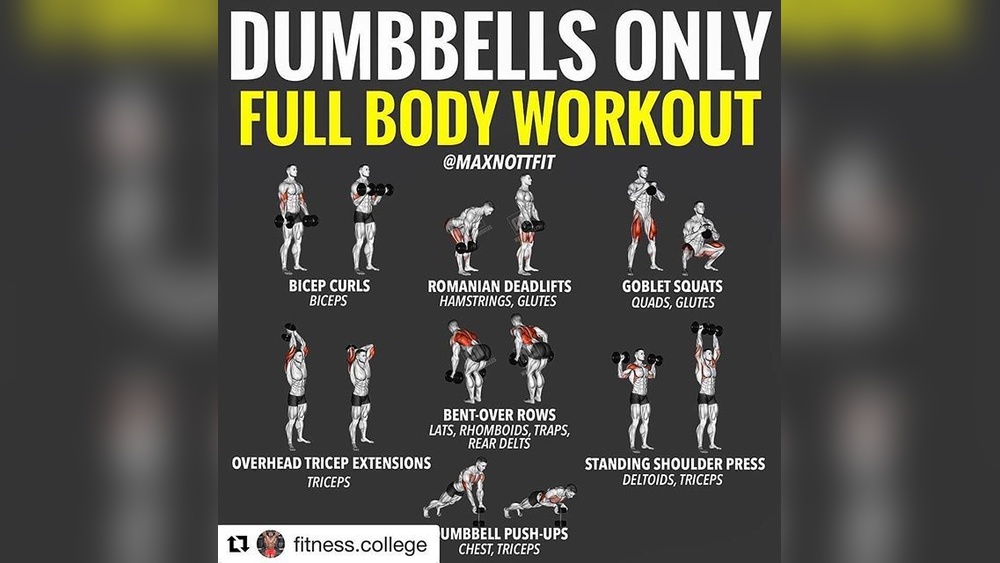
Full body workouts engage all main muscles every session. This is good for beginners or busy people. It helps build overall strength with fewer workouts. You can lift dumbbells heavier by training often and balanced.
Reps And Sets For Strength Gains
To increase strength, use heavier weights and fewer reps. Aim for 4 to 6 reps per set. Do about 3 to 5 sets for each exercise. This trains muscles to handle heavier loads.
Rest between sets is important. Take 2 to 3 minutes to recover fully. This helps your muscles perform well in the next set. Focus on good form over speed to avoid injury.
Rest And Recovery Strategies
Muscles grow stronger during rest, not just workouts. Give each muscle group 48 hours to recover. Sleep well to support muscle repair and strength.
Use light activity or stretching on rest days. This reduces stiffness and improves blood flow. Avoid training the same muscles daily to prevent overuse.
Tracking Progress Safely
Tracking progress safely is key to effective weight training. It helps you avoid injury and stay motivated. Knowing how much weight you lift and when to increase it is important. Careful tracking protects your body and guides your workouts.
Using Logs And Apps
Writing down your workouts helps you see progress clearly. Use a notebook or a phone app to track sets, reps, and weights. Apps can remind you of your last workout and suggest when to add weight. This keeps your training steady and safe.
Signs Of Overtraining
Feeling very tired or sore after workouts can mean overtraining. Watch for joint pain or trouble sleeping. Your strength might drop or your mood may change. These signs show your body needs rest before lifting heavier weights.
Adjusting Weight Based On Feedback
Listen to your body after each workout. If the weight feels too hard, lower it to avoid injury. When exercises feel easy, increase the weight slowly. Small changes help your muscles grow without strain.
Benefits Of Lifting Heavy Dumbbells
Lifting heavy dumbbells offers many benefits for your body and health. It helps build strength and shapes your muscles. This type of training also supports better bone health and improves how your body works in daily activities.
Using heavier weights challenges your muscles more. This challenge causes your body to adapt and grow stronger. The benefits go beyond just looking fit. Heavy dumbbell training can improve your overall quality of life.
Muscle Growth And Definition
Heavy dumbbells make your muscles work hard. This effort causes small tears in muscle fibers. Your body repairs these tears, making muscles bigger and stronger. Over time, your muscles look more defined and toned. Lifting heavy helps build muscle faster than light weights.
Bone Density Improvement
Heavy lifting puts stress on your bones. This stress signals your body to build stronger bones. Strong bones reduce the risk of fractures and osteoporosis. Using heavy dumbbells supports long-term bone health. This is important as you get older.
Functional Strength Gains
Heavy dumbbell training improves everyday strength. It makes lifting, carrying, and moving easier. Your body learns to handle real-life tasks better. Functional strength helps prevent injuries during daily activities. This training improves balance and coordination too.

Credit: www.youtube.com
Frequently Asked Questions
How To Determine Dumbbell Weight For Beginners?
Start with light weights to learn proper form. Choose weights that allow 12-15 reps comfortably. Gradually increase as strength improves to avoid injury.
Does Dumbbell Weight Affect Muscle Growth Speed?
Yes, heavier dumbbells promote faster muscle growth by increasing resistance. However, correct form and progressive overload are essential for optimal results.
What Dumbbell Weight Suits Different Fitness Goals?
Light weights suit endurance and toning; moderate weights help build strength; heavy weights are best for muscle mass. Tailor weight to your specific goal.
How To Safely Increase Dumbbell Weight Lifted?
Increase weight in small increments weekly or biweekly. Focus on maintaining form and avoid sudden heavy jumps to prevent injuries.
Conclusion
Choosing the right dumbbell weight matters a lot. It helps you build strength safely and avoid injury. Start with weights you can lift well with good form. Increase the weight slowly as you get stronger. Listen to your body and rest when needed.
Consistency and patience bring the best results. Keep your workouts balanced and enjoy the progress. Your strength journey is personal and unique. Stay focused and enjoy every step forward.