Looking to get stronger and fitter without leaving your home? Dumbbells are your best friends for quick, effective workouts that fit right into your daily routine.
Whether you want to build muscle, burn fat, or boost your energy, the right dumbbell exercises can make a huge difference. You’ll discover the best workouts with dumbbells that are simple, powerful, and designed to help you see results fast.
Ready to transform your body and feel great? Keep reading—your ideal workout is just a few dumbbell moves away.

Credit: www.aparel.net
Benefits Of Dumbbell Workouts
Dumbbell workouts offer many benefits for home exercise routines. They help build strength, improve muscle tone, and increase flexibility. Using dumbbells can fit any fitness level and goal. The ease of use makes them ideal for busy schedules and small spaces. These workouts keep your routine fresh and effective without needing a gym.
Versatility For All Fitness Levels
Dumbbells work well for beginners and advanced athletes. You can choose light or heavy weights. Change exercises to target different muscles. They allow slow or fast movements. This flexibility helps everyone improve at their own pace. You can focus on strength, endurance, or balance easily.
Muscle Building And Toning
Dumbbell workouts help build muscle evenly on both sides. They engage small stabilizer muscles. This improves overall muscle tone and strength. Regular use increases muscle size and definition. You can target arms, chest, back, legs, and core. This leads to a balanced and strong body.
Convenience Of Home Workouts
Dumbbells are compact and easy to store. You can exercise anytime without leaving home. No need for expensive gym memberships. Quick workouts fit into busy days. They require little space but offer full-body training. Perfect for creating a consistent fitness habit.
Essential Dumbbell Equipment
Dumbbells are a key tool for effective home workouts. They help build strength and improve muscle tone. Having the right dumbbells makes exercises safer and more comfortable.
Choosing suitable equipment saves time and avoids injuries. It also keeps you motivated to keep training regularly. Below are important tips on selecting and using dumbbells at home.
Choosing The Right Weight
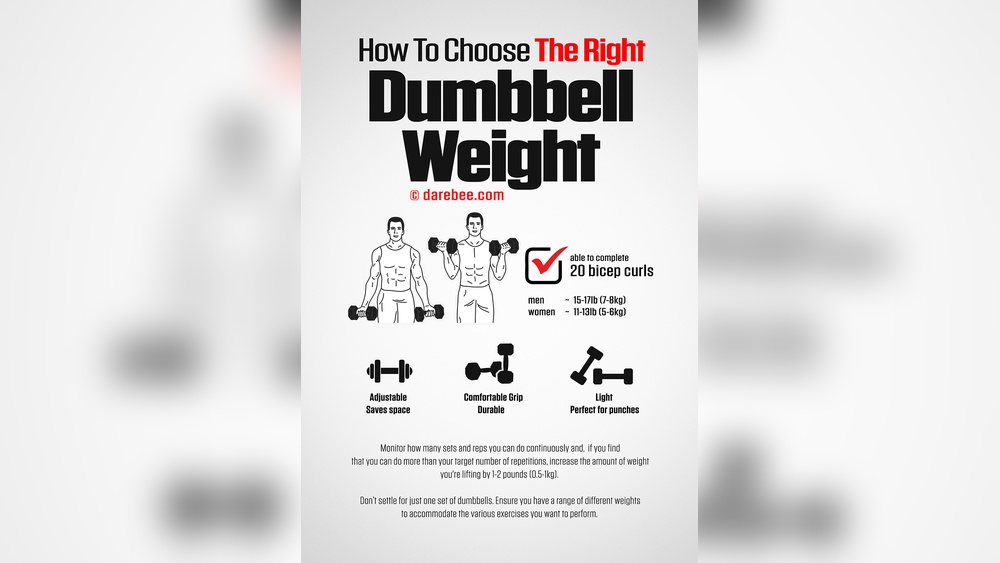
Select dumbbells that match your current strength level. Start with lighter weights to learn proper form. Gradually increase the weight as you get stronger. Avoid weights that feel too heavy or cause pain. Choose a range of weights for different exercises.
Adjustable Vs Fixed Dumbbells
Fixed dumbbells have one set weight each. They are simple and easy to use. Adjustable dumbbells let you change the weight quickly. They save space and money over time. Pick adjustable dumbbells if space is limited. Choose fixed dumbbells for a quick, no-fuss workout.
Safety Tips For Home Use
Clear your workout area to avoid tripping. Check dumbbells for loose parts before exercise. Use proper form to protect your joints and muscles. Store dumbbells on a rack or safe place. Avoid dropping them to prevent damage or injury.
Full-body Dumbbell Routine
A full-body dumbbell routine is a smart way to train every muscle at home. Dumbbells are small but powerful tools. They help build strength, improve balance, and increase muscle tone.
This routine targets all major muscle groups. It saves time and keeps workouts balanced. You do not need many dumbbells. Just pick weights that suit your fitness level.
Warm-up Exercises
Start with light movements to get your body ready. Arm circles and shoulder shrugs activate your upper body. Leg swings and hip circles prepare your lower body. March in place to raise your heart rate. Warm muscles reduce injury risk and improve performance.
Upper Body Moves
Use dumbbells for exercises like bicep curls and shoulder presses. These strengthen your arms and shoulders. Try bent-over rows to work your back muscles. Chest presses on the floor target your chest. Keep your movements slow and controlled for best results.
Lower Body Moves
Squats with dumbbells build strong legs and glutes. Lunges improve balance and tone your thighs. Deadlifts focus on hamstrings and lower back strength. Step-ups on a sturdy chair also work leg muscles. Hold dumbbells to add resistance and increase intensity.
Core Strengthening
Core exercises with dumbbells improve stability and posture. Russian twists tone your obliques. Dumbbell side bends target your waist. Hold a dumbbell close while doing planks for extra challenge. A strong core supports all your movements and reduces back pain.
Targeted Dumbbell Workouts
Dumbbells are perfect for focused workouts at home. They help target specific muscle groups. This way, you can build strength and tone your body efficiently. Targeted dumbbell workouts allow control over the intensity and variety. They suit all fitness levels and help avoid workout boredom.
Arms And Shoulders
Workouts for arms and shoulders improve muscle tone and strength. Dumbbell curls focus on the biceps. Tricep kickbacks target the back of the arms. Shoulder presses build strong, defined shoulders. Lateral raises help widen shoulder muscles. These exercises use small movements that make a big difference.
Chest And Back
Dumbbell exercises can sculpt the chest and back muscles. Chest presses work the chest and triceps. Dumbbell flyes stretch and strengthen the chest. Bent-over rows focus on the upper back muscles. Reverse flyes improve posture and shoulder stability. These moves improve upper body strength and shape.
Legs And Glutes
Dumbbells add resistance to leg and glute workouts. Squats with dumbbells build powerful thighs and glutes. Lunges target multiple leg muscles and balance. Deadlifts strengthen hamstrings and lower back. Step-ups with dumbbells increase leg endurance. These exercises tone and shape the lower body effectively.
Quick Dumbbell Circuits
Quick dumbbell circuits are perfect for home workouts. They help build strength and burn fat fast. You can do these exercises in a short time. No need for fancy gym equipment. Just grab a pair of dumbbells and start moving.
These circuits combine different moves to keep your body active. They boost your heart rate and work multiple muscles. Each routine is easy to follow and fits your busy schedule.
High-intensity Interval Training
High-intensity interval training (HIIT) with dumbbells uses short bursts of hard work. You do exercises like dumbbell swings and squats quickly. Then, rest for a few seconds. This pattern repeats several times. It helps improve stamina and strength fast.
HIIT circuits push your body to burn calories even after the workout. This makes it a great choice for quick sessions. Your heart and muscles get a strong workout without long exercise times.
Fat-burning Sequences
Fat-burning sequences use dumbbell moves that keep your heart rate high. Exercises like dumbbell lunges and presses work many muscles at once. This burns more calories in less time. These circuits help tone your body and reduce fat.
They are simple to learn and easy to do at home. You can mix different moves to keep workouts fresh. Fat-burning sequences help you stay active and healthy every day.
Time-saving Routines
Time-saving routines focus on quick exercises that give results fast. You do several dumbbell moves back to back. No long breaks in between. This keeps your workout under 20 minutes. Perfect for busy days.
These routines combine strength and cardio. They build muscle and improve heart health in one session. Time-saving circuits help you stay fit without spending hours exercising.
Progression And Variation
Progression and variation keep your workouts fresh and effective. They help your muscles grow stronger and avoid boredom. Changing your routine challenges your body in new ways. This leads to better results and steady improvement. Using different methods with dumbbells at home makes your training more enjoyable and productive.
Increasing Weight And Reps
Start with a comfortable dumbbell weight. Gradually increase the weight as you get stronger. You can also add more repetitions to your sets. Small increases push your muscles to adapt. This helps build strength and endurance. Track your progress to know when to raise the weight or reps. Avoid jumping too quickly to prevent injury.
Combining With Bodyweight Exercises
Mix dumbbell exercises with bodyweight moves for balance. Push-ups, squats, and planks complement dumbbell workouts well. This combination targets different muscle groups. It also improves coordination and stability. Bodyweight exercises add variety without needing extra equipment. Switching between dumbbells and bodyweight keeps workouts interesting and effective.
Avoiding Workout Plateaus
Plateaus happen when progress slows down. Changing your workout routine breaks through these stalls. Try new exercises or change the order of moves. Increase the workout intensity by adding sets or reducing rest time. Focus on different muscle groups each session. Keeping your muscles guessing leads to continuous improvement.
Tips For Staying Motivated
Staying motivated during home workouts with dumbbells can be tough. Many start strong but lose interest fast. The key is to keep your energy and focus high. Small habits can make a big difference. Here are some tips to help you stay on track and enjoy your fitness journey.
Setting Realistic Goals
Set clear and achievable goals. Choose targets that fit your current fitness level. Small wins build confidence and keep you going. Avoid aiming too high too soon. Break big goals into smaller steps. Celebrate each success to stay motivated.
Tracking Progress
Keep a simple log of your workouts. Write down weights, reps, and how you feel. Seeing progress on paper boosts your mood and drive. Use a notebook or a mobile app. Regular tracking helps you understand your improvement. It also shows when to increase weights safely.
Creating A Consistent Schedule
Pick specific days and times for your workouts. Consistency turns exercise into a habit. Treat your sessions like important appointments. Prepare your dumbbells and space before starting. A routine reduces excuses and keeps you committed. Even short workouts count when done regularly.

Credit: sunnyhealthfitness.com

Credit: dalpozzo.com.br
Frequently Asked Questions
What Are The Best Dumbbell Workouts For Home Beginners?
Start with basic exercises like dumbbell curls, shoulder presses, and goblet squats. These build strength safely. They require minimal space and equipment, making them ideal for home workouts. Gradually increase weight and reps to progress.
How Often Should I Do Dumbbell Workouts At Home?
Aim for 3 to 4 sessions per week. Allow at least one rest day between workouts. This helps muscle recovery and growth. Consistency is key for visible results and improved strength.
Can Dumbbell Workouts Help With Full-body Toning?
Yes, dumbbells target multiple muscle groups effectively. Exercises like lunges, rows, and presses engage both upper and lower body. This promotes balanced muscle tone and improves overall fitness when done regularly.
What Weight Dumbbells Are Best For Home Workouts?
Choose weights that challenge you but allow proper form. Beginners often start with 5 to 15 pounds. Adjustable dumbbells are great for progression. Always prioritize safety over lifting heavier weights.
Conclusion
Dumbbell workouts at home build strength and improve fitness. They suit all levels and take little space. You can target many muscles with simple exercises. Consistency matters more than equipment or fancy gyms. Small daily efforts lead to big results over time.
Choose weights that feel challenging but safe. Keep your form right to avoid injury. Enjoy the process and stay patient with progress. Your health and body will thank you soon. Start today and feel stronger tomorrow.