Are you ready to build a stronger, more defined back and biceps with just a pair of dumbbells? Whether you’re working out at home or in the gym, the right exercises can make all the difference in your results.
This workout targets the key muscles you want to grow and sculpt, using simple moves that fit into any routine. Keep reading, and you’ll discover the best dumbbell exercises that will help you get the arms and back you’ve been aiming for—faster and more effectively than you might expect.
Benefits Of Dumbbell Workouts
Dumbbell workouts offer many advantages for fitness enthusiasts. They help build strength and improve muscle tone.
Using dumbbells allows for more natural movement. This reduces the risk of injury and improves joint health.
Dumbbells also help improve balance and coordination. Each side of your body works independently, which creates muscle symmetry.
Improves Muscle Activation
Dumbbells require more control than machines. This activates more muscle fibers during exercises. It leads to better muscle growth and strength.
Increases Range Of Motion
Dumbbells allow a wider range of motion than barbells or machines. This helps stretch muscles fully and improves flexibility.
Enhances Functional Strength
Dumbbell exercises mimic daily movements. This builds strength that helps in everyday tasks and sports.
Offers Workout Variety
Dumbbells are versatile and fit many exercises. You can easily switch grips and angles for new challenges.
Requires Less Space And Equipment
Dumbbells are compact and easy to store. They fit well in home gyms and small workout areas.
Key Muscles Targeted
Understanding the key muscles targeted in a back and bicep dumbbell workout helps you train better. Focusing on the right muscles improves strength and shape. It also reduces the risk of injury during exercise.
Back Muscle Groups
The back has several important muscles. The largest is the latissimus dorsi, or lats. These muscles give the back its wide, V-shaped appearance.
The trapezius, or traps, lie between your shoulders and neck. They help with lifting and moving the shoulder blades.
The rhomboids sit under the traps. These muscles pull the shoulder blades together.
The erector spinae runs along the spine. It supports your back and helps you stand straight.
Bicep Anatomy
The biceps have two main parts: the long head and the short head. Both parts work together to bend your elbow.
The brachialis lies beneath the biceps. It helps with elbow flexion and adds arm strength.
The brachioradialis is a muscle of the forearm. It assists in bending the elbow and stabilizing the arm.
Training these muscles with dumbbells builds stronger, more defined arms.
Essential Equipment
Having the right equipment makes a big difference in your back and bicep dumbbell workout. It helps you train safely and effectively. Good gear supports your movements and helps prevent injuries. Focus on tools that fit your needs and workout style.
Choosing The Right Dumbbells
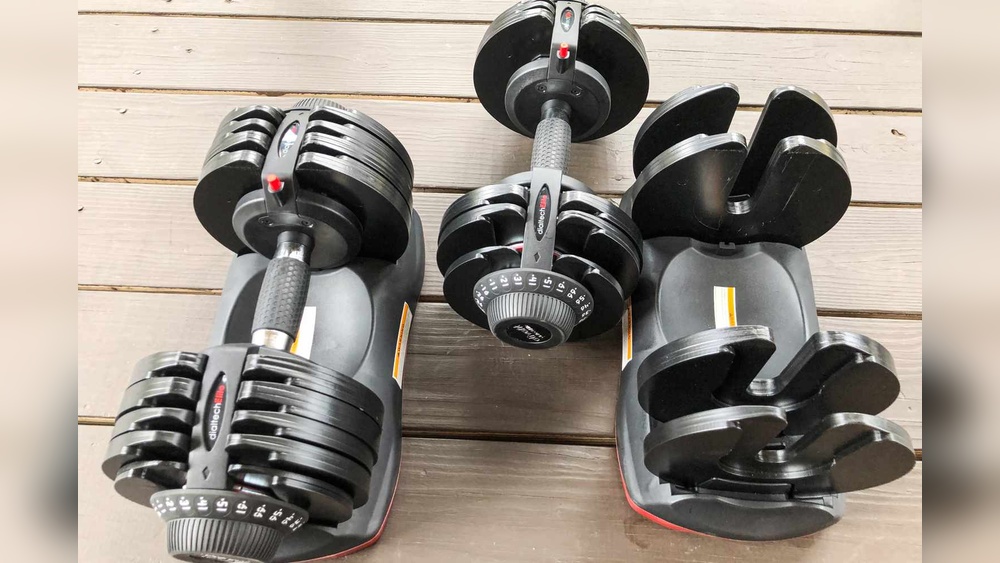
Select dumbbells that match your strength level. Start with lighter weights to learn proper form. Gradually increase weight as you get stronger. Adjustable dumbbells save space and money. Fixed-weight dumbbells offer simplicity and durability. Look for dumbbells with a comfortable grip. Rubber-coated dumbbells reduce noise and protect floors.
Additional Gear
A workout bench helps you do many exercises with correct posture. Resistance bands add extra challenge and variety. Wrist wraps provide support during heavy lifts. A workout mat improves comfort and stability. Keep a towel and water nearby for hygiene and hydration.
Warm-up Exercises
Warming up is key before any back and bicep dumbbell workout. It prepares your muscles and joints for the workout ahead. Warm-up exercises increase blood flow and reduce injury risks. They also improve your performance during the workout.
Spend 5 to 10 minutes on warm-up exercises. Focus on movements that gently stretch and activate your back and biceps. This makes your workout more effective and safer.
Arm Circles
Stand tall and stretch your arms out to the sides. Make small circles with your arms, gradually increasing their size. Do this for 30 seconds forward and 30 seconds backward. Arm circles help loosen your shoulder joints and activate your upper back muscles.
Cat-cow Stretch
Start on your hands and knees. Arch your back up like a cat, then lower it down like a cow. Repeat slowly for 10 to 15 reps. This stretch warms up your spine and back muscles, improving flexibility and control.
Light Dumbbell Rows
Use light dumbbells for this warm-up. Bend slightly at your hips and pull the weights toward your chest. Keep your elbows close to your body. Perform 12 to 15 reps. This exercise activates your back and biceps gently before heavier sets.
Bicep Curls With Light Weights
Hold light dumbbells at your sides. Slowly curl the weights up to your shoulders. Lower them back down with control. Do 12 to 15 reps. This helps warm up your biceps and improves muscle activation.
Top Back Dumbbell Exercises
Strong back muscles improve posture and reduce injury risk. Dumbbells offer great ways to build back strength at home or gym. These exercises target different parts of your back for balanced growth. Focus on form and steady movements for best results.
Single-arm Dumbbell Row
Place one knee on a bench and hold a dumbbell in the opposite hand. Pull the dumbbell up towards your waist while keeping your back straight. Lower it slowly and repeat. This exercise works the upper and middle back muscles well.
Renegade Rows
Start in a push-up position with a dumbbell in each hand. Row one dumbbell up while balancing on the other arm. Lower it back down and switch sides. This move strengthens your back and core muscles at the same time.
Reverse Flyes
Bend at the hips holding dumbbells with palms facing each other. Lift your arms out to the sides until they are level with your shoulders. Slowly bring them down and repeat. Reverse flyes target the rear shoulder and upper back muscles.
Best Bicep Dumbbell Moves
Building strong biceps is key to a well-rounded arm workout. Dumbbells offer great freedom of movement. They help target the biceps from different angles. These moves are simple but very effective. They fit any workout level, from beginner to advanced.
Using dumbbells allows each arm to work independently. This helps fix strength imbalances. It also improves muscle coordination and control. The best bicep dumbbell moves focus on form and full muscle engagement. These exercises will help you build size and strength steadily.
Alternating Dumbbell Curls
This classic move targets the biceps brachii. Hold a dumbbell in each hand. Curl one arm up while keeping the other down. Lower it slowly and switch arms. This keeps constant tension on each bicep. It also improves focus on each muscle separately.
Hammer Curls
Hammer curls hit the biceps and forearms. Hold dumbbells with palms facing your sides. Curl both dumbbells up at the same time. Keep your wrists neutral, like holding a hammer. This move builds thickness in the arm and strengthens grip.
Concentration Curls
Concentration curls isolate the biceps for intense focus. Sit down and rest your elbow on your thigh. Curl one dumbbell slowly towards your shoulder. Squeeze the bicep at the top. This helps build peak muscle and sharp definition.
Combining Back And Bicep Workouts
Combining back and bicep workouts is smart for building strength efficiently. These two muscle groups often work together in many exercises. Training them in the same session saves time and boosts muscle growth. It also helps you maintain balance between pushing and pulling muscles. This balance reduces the risk of injuries and improves posture. Focus on exercises that target both muscles well using dumbbells.
Superset Strategies
Supersets mean doing two exercises back to back without rest. Pair a back exercise with a bicep move to keep muscles working hard. For example, try dumbbell rows followed by bicep curls. This method increases workout intensity and saves time. It also helps keep your heart rate up, burning more calories. Choose exercises that use different muscles to avoid early fatigue. Supersets make your workout feel shorter and more effective.
Circuit Training Tips
Circuit training involves doing several exercises one after another with little rest. Mix back and bicep exercises in a circuit to improve endurance and strength. Use dumbbells for moves like bent-over rows, hammer curls, and reverse flys. Perform each exercise for a set time or reps before moving on. Rest briefly between circuits to recover. This style keeps your body challenged and muscles engaged. Circuit training also boosts metabolism for better fat loss.

Credit: event.rmutt.ac.th
Form And Technique Tips
Good form and technique are key to an effective back and bicep dumbbell workout. They help target muscles correctly and reduce injury risk. Proper technique lets you lift more safely and gain strength faster.
Focus on controlled movements. Avoid rushing through reps. Use a full range of motion for each exercise. Keep your body steady and stable throughout the workout.
Maintaining Proper Posture
Stand or sit tall with your chest up. Keep your shoulders back and down. Avoid rounding your back or slouching. Engage your core muscles for balance and support. Keep your neck aligned with your spine. This posture helps protect your back and works muscles better.
Avoiding Common Mistakes
Do not use too heavy dumbbells. This can cause poor form and strain muscles. Avoid swinging the weights or using momentum. Control the dumbbells during lifting and lowering phases. Keep your wrists straight to prevent strain. Don’t lock your elbows at the top of curls. Focus on smooth and steady movements only.
Progression And Intensity
Progression and intensity are key for building strong back and bicep muscles. Without increasing challenge, muscles stop growing. Gradual changes help avoid injury and keep workouts effective. Focus on steady improvements in weight and effort.
Increasing Weight Safely
Start with a weight you can lift with good form. Add small amounts of weight over time. Avoid large jumps in weight to reduce injury risk. Listen to your body for signs of strain. Rest days help muscles recover and grow stronger.
Tracking Your Progress
Keep a workout journal or use an app to record weights and reps. Note how many sets you complete and how you feel. Tracking helps spot plateaus and plan next steps. Celebrate small wins to stay motivated and consistent.

Credit: www.youtube.com
Recovery And Stretching
Recovery and stretching play a key role in any back and bicep dumbbell workout. They help your muscles heal and grow stronger. Proper recovery reduces soreness and prevents injuries. Stretching keeps your muscles flexible and improves blood flow. Both steps improve overall workout results and keep you ready for the next session.
Post-workout Stretches
Stretching after your workout helps relax tight muscles. Focus on your back and biceps. Try gentle movements like arm circles and shoulder rolls. Hold each stretch for 20 to 30 seconds. This helps reduce muscle stiffness and speeds up recovery. Avoid bouncing or forcing stretches. Stretching should feel good, not painful.
Rest And Nutrition
Rest is crucial after working your muscles hard. Aim for 7 to 9 hours of sleep each night. Sleep helps your body repair muscle tissue. Nutrition also supports recovery. Eat protein-rich foods like chicken, fish, or beans. Drink plenty of water to stay hydrated. Balanced meals with carbs and healthy fats give energy and nutrients. Together, rest and nutrition help your muscles rebuild and grow stronger.

Credit: www.liftingitalia.com
Frequently Asked Questions
What Are The Best Dumbbell Exercises For Back And Biceps?
The best dumbbell exercises for back and biceps include rows, hammer curls, and concentration curls. These target muscles effectively. They improve strength, tone, and muscle definition with proper form and consistency.
How Often Should I Do Back And Bicep Dumbbell Workouts?
Perform back and bicep dumbbell workouts 2-3 times weekly. Allow 48 hours for muscle recovery. This frequency promotes muscle growth and reduces injury risk.
Can Dumbbell Workouts Build Muscle Mass In Back And Biceps?
Yes, dumbbell workouts can build muscle mass in back and biceps. Progressive overload and proper nutrition are key. Focus on compound and isolation exercises for best results.
Should I Warm Up Before Back And Bicep Dumbbell Workouts?
Always warm up before workouts with light cardio and dynamic stretches. Warming up increases blood flow, reduces injury risk, and improves workout performance.
Conclusion
Building strong back and bicep muscles takes time and effort. Stick to the dumbbell exercises regularly. Focus on good form to avoid injuries. Start with lighter weights and increase gradually. Rest between workouts helps muscles grow. Consistency brings the best results.
Enjoy the process and stay patient. Your strength will improve day by day. Keep your goals clear and stay motivated. This workout can fit into any routine. Try it, and watch your muscles grow steadily.