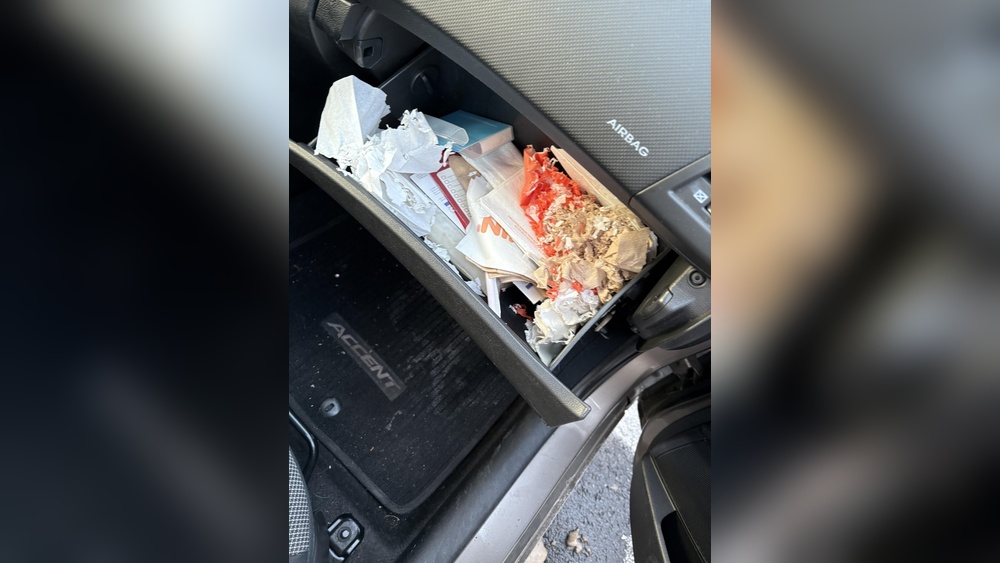
Have you ever opened your glove box and found a mouse inside? It’s a surprising and unsettling discovery that can leave you wondering, “How did a mouse get into my glove box?” You’re not alone.
Small animals often find their way into cars, but the idea of one nesting right where you keep your important documents and essentials is enough to make anyone stop and think. You’ll learn the surprising reasons mice choose your glove box, how they get in, and what you can do to stop them.
Keep reading—your car (and your peace of mind) will thank you.

Credit: www.reddit.com
Common Entry Points For Mice
Mice are small and clever. They can slip through tiny spaces to find food or shelter. Knowing where mice enter helps stop them from getting into your car’s glove box. These are common spots where mice sneak in.
Small Gaps And Cracks
Even the smallest cracks can let mice inside. Gaps around windows, doors, or under the hood are easy entry points. Mice can squeeze through holes as small as a dime. Check these spots carefully for hidden openings.
Open Windows And Doors
Open windows and doors invite mice to explore inside. They follow smells or look for warmth. Leaving a window or door open for a long time increases the risk. Always close them tightly to keep mice out.
Ventilation Systems
Vents and air ducts connect the inside to outside. Mice use these to move freely into your car. Gaps around vents are often overlooked. Cover or seal these areas to block mouse access.
Why Mice Target Glove Boxes
Mice often find their way into glove boxes. These small spaces offer several benefits that attract them. Understanding why mice target glove boxes can help prevent unwanted guests in your car.
Warmth And Shelter
Glove boxes provide a warm place to hide. Cars parked outside get cold, so mice seek warmth inside. The glove box is cozy and protects them from cold weather.
Food And Nesting Materials
Mice look for food crumbs or wrappers in glove boxes. These small snacks are easy to find and eat. Also, mice gather materials from paper or fabric inside to build nests.
Safety From Predators
Glove boxes offer a safe space away from predators. The enclosed space limits access for larger animals. Mice feel secure inside, making it a perfect hiding spot.
Signs Of Mouse Presence In Your Car
Noticing a mouse in your glove box can be surprising. Signs help you find out if a mouse lives in your car. Detecting these signs early stops bigger problems. They show where mice hide and what they do inside your vehicle.
Droppings And Urine Smell
Small black droppings are a clear sign of mice. They often leave these in hidden places like the glove box. The smell of urine is sharp and unpleasant. It can stay in your car for a long time. This odor shows that a mouse has been there recently.
Gnaw Marks And Damage
Mice chew on many car parts to keep their teeth sharp. Look for bite marks on wires, plastic, and fabric. Damage may cause electrical problems or strange noises. Even small holes or torn material can mean a mouse visited your car.
Nesting Materials
Mice build nests using soft materials they find. You might see bits of paper, fabric, or dried leaves inside the glove box. These materials show the mouse feels safe and is making a home. Removing these items helps keep your car clean and pest-free.

Credit: www.reddit.com
Health Risks From Mice In Vehicles
Mice inside vehicles pose real health risks. They carry germs that can harm humans. Small spaces like glove boxes make it easy for mice to hide and leave waste behind. Their presence can lead to serious problems for your health and safety.
Understanding these risks helps you protect yourself and your family. Take quick action if you find signs of mice in your car.
Disease Transmission
Mice carry bacteria and viruses on their fur and in their droppings. These germs can spread diseases such as Hantavirus and Salmonella. Contact with mouse droppings or urine can infect people. Breathing in dust from dried droppings can also cause lung problems. Keep your vehicle clean to reduce these risks.
Allergic Reactions
Mice produce allergens that trigger allergies in sensitive people. Their urine, droppings, and dander can cause sneezing, itching, and watery eyes. Some people may develop asthma attacks. These allergic reactions can make driving uncomfortable or unsafe.
Contamination Of Personal Items
Mice often chew on items stored inside the car. They can ruin important documents, electronics, or snacks. Their droppings and urine can contaminate your belongings. This contamination can spread germs and cause bad odors. Protect your items by sealing them in airtight containers.
Preventing Mice From Entering Your Car
Mice can easily find their way into cars, especially the glove box. Preventing them requires some simple steps. These steps stop mice from entering and making nests inside your vehicle. Keeping mice out protects your car and your health.
Sealing Entry Points
Check your car for small holes or gaps. Mice can squeeze through very tiny spaces. Use weather stripping or sealant to close these openings. Pay attention to areas around doors, windows, and the hood. Sealing entry points blocks mice from getting inside.
Proper Food Storage
Never leave food inside your car. Crumbs and wrappers attract mice quickly. Store snacks and food in sealed containers outside the vehicle. Avoid eating in the car to reduce crumbs. Proper food storage removes the main attraction for mice.
Regular Cleaning
Clean your car regularly, especially the glove box and floor mats. Remove trash and debris that mice like to hide in. Vacuum crumbs and wipe surfaces often. A clean car offers no shelter or food for mice. Regular cleaning helps keep your car mouse-free.
Removing Mice Safely
Removing mice safely from your glove box is important for health and comfort. Mice carry germs and can damage your car’s interior. Acting carefully helps avoid harm to yourself and the animal. Use gentle and effective methods to keep your car clean and safe.
Using Traps And Deterrents
Choose traps that do not kill the mouse. Live traps catch mice without harm. Place traps near the glove box or entry points. Use bait like peanut butter to attract mice. Avoid poison, as it can be dangerous for pets and children. Deterrents like peppermint oil or ultrasonic devices help keep mice away.
Professional Pest Control
Sometimes, mice problems need expert help. Pest control professionals know safe removal methods. They use tools that protect your car and health. Experts also find where mice enter and block those spots. This stops new mice from coming inside your glove box.
Cleaning And Sanitizing
After removing mice, clean the glove box thoroughly. Use gloves and a disinfectant spray. Wipe all surfaces to kill germs left by mice. Remove any food crumbs or trash to avoid new visits. Keep your car clean to prevent future mouse problems.

Credit: www.reddit.com
Frequently Asked Questions
How Do Mice Enter Car Glove Boxes?
Mice enter through small gaps or vents in the car’s body or dashboard. They seek warmth and shelter, especially in colder months. Glove boxes provide a cozy, hidden spot for nesting, making them attractive to rodents.
Why Do Mice Choose Glove Boxes To Hide?
Glove boxes offer a dark, quiet, and enclosed space. They protect mice from predators and weather. Additionally, glove boxes often contain soft materials or papers, which mice use to build nests comfortably.
What Signs Indicate Mice In My Glove Box?
Look for droppings, gnaw marks, or nesting materials inside. You may also detect an unusual odor or hear scratching sounds. These signs confirm a rodent infestation in your glove box area.
How Can I Prevent Mice From Entering My Glove Box?
Keep your car clean and remove food sources. Seal any visible gaps or vents around the dashboard. Use natural repellents or traps near your vehicle to discourage mice from approaching.
Conclusion
Mice can squeeze into small spaces like your glove box. They look for warmth and food inside cars. Keeping your car clean helps stop them from coming in. Check for holes or gaps and seal them tight. Use natural repellents to keep mice away.
Regularly inspect your vehicle for signs of mice. Taking these steps protects your car and peace of mind. Stay alert to avoid a mouse surprise in your glove box.