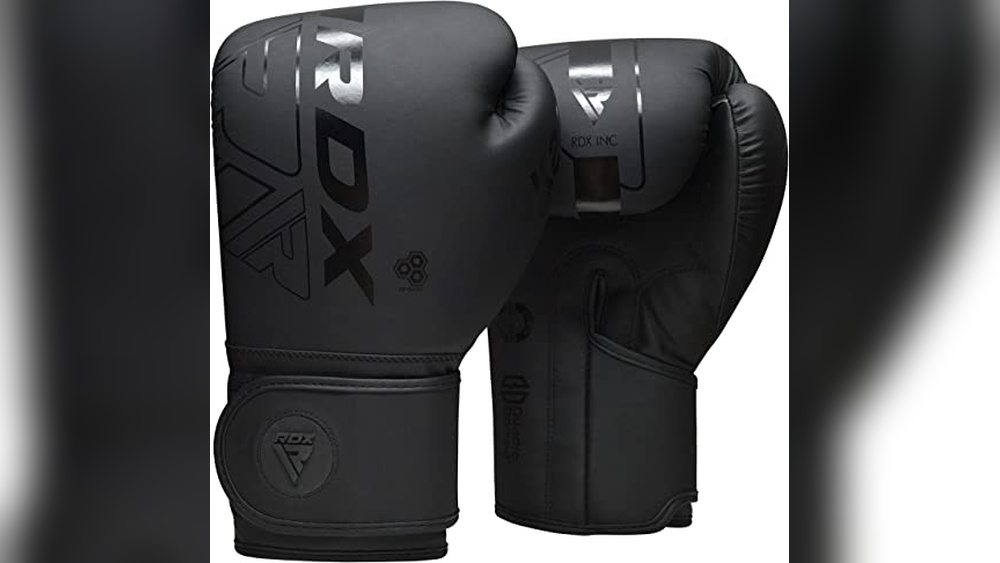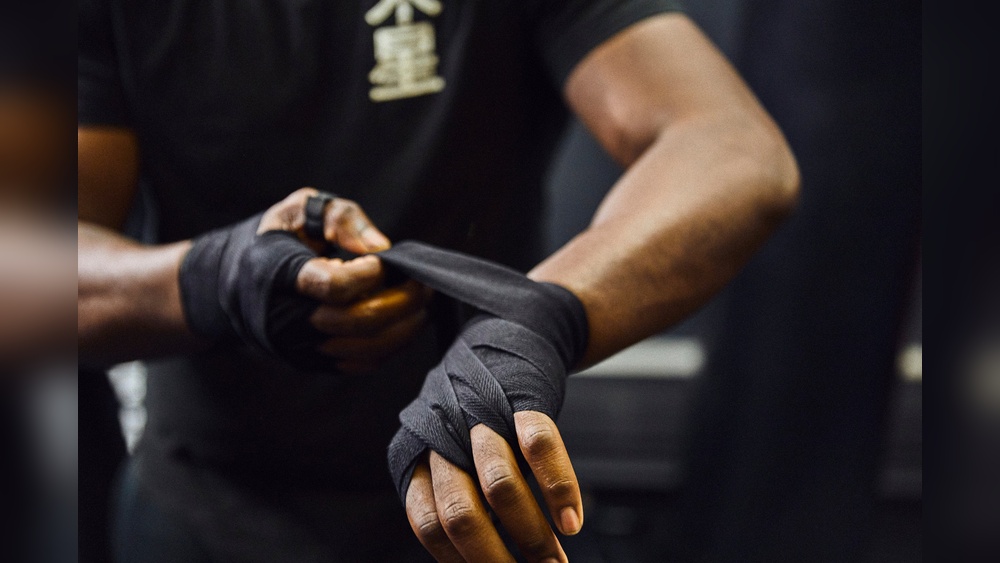
If you want to protect your hands and boost your performance in boxing, learning how to hand wrap for boxing gloves is a must. Proper hand wraps keep your wrists stable, prevent injuries, and give you the confidence to throw every punch with power.
But wrapping your hands the right way can feel tricky at first. Don’t worry—you’re about to discover a simple, step-by-step guide that makes it easy. By the end, you’ll know exactly how to wrap your hands like a pro, so you can focus on training harder and staying safe.
Keep reading to master this essential skill and take your boxing game to the next level.
Credit: www.youtube.com
Choosing The Right Hand Wraps
Choosing the right hand wraps is important for protecting your hands during boxing. The right wraps provide support and comfort. They also help prevent injuries. Knowing the types, lengths, and materials helps you pick the best wraps for your needs.
Material Types
Hand wraps come in cotton, polyester, or a mix of both. Cotton wraps are soft and breathable. They absorb sweat well. Polyester wraps are stronger and last longer. Blended wraps offer both comfort and durability. Choose material based on comfort and how long you want them to last.
Length Options
Hand wraps usually come in 120, 180, or 200 inches. Shorter wraps are good for small hands or quick wraps. Longer wraps offer more support and protection. They cover more of your wrist and knuckles. Pick a length that fits your hand size and the level of protection you need.
Elastic Vs Non-elastic
Elastic wraps stretch and fit snugly around your hand. They give flexibility and a tight fit. Non-elastic wraps do not stretch but offer firmer support. They hold your hand more rigidly. Choose elastic for comfort and movement. Choose non-elastic for strong, stable support.
Credit: fightgeardirect.com.au
Preparing Your Hands
Preparing your hands is the first step in hand wrapping for boxing gloves. Clean, dry hands help the wraps stay in place. Proper preparation protects your skin and keeps you comfortable during training. Follow these simple steps before wrapping.
Cleaning And Drying
Wash your hands with soap and water. Remove dirt, sweat, and oils. Dry your hands fully with a clean towel. Dry skin helps the wrap grip better. Wet or oily hands can cause slipping.
Trimming Nails
Cut your fingernails short. Long nails can poke through the wraps. Short nails prevent scratches on your skin. Keep nails smooth to avoid discomfort inside gloves.
Stretching The Wrap
Hold the wrap at one end. Pull gently to stretch it. Stretching makes the wrap softer and easier to handle. It also helps the wrap stay tight around your hand. Avoid pulling too hard to stop damage.
Starting The Wrap
Starting the wrap is the first step to protect your hands during boxing. A good start sets the foundation for a secure and comfortable wrap. It helps avoid injuries and keeps your gloves fitting well.
Focus on a tight and neat beginning. This makes the rest of the wrapping easier and more effective.
Securing The Thumb Loop
Begin by placing the thumb loop around your thumb. This holds the wrap in place. Pull the wrap gently but firmly to avoid slipping.
Make sure the wrap lies flat and smooth. Avoid twisting the fabric. This keeps pressure even and comfortable.
Wrapping The Wrist
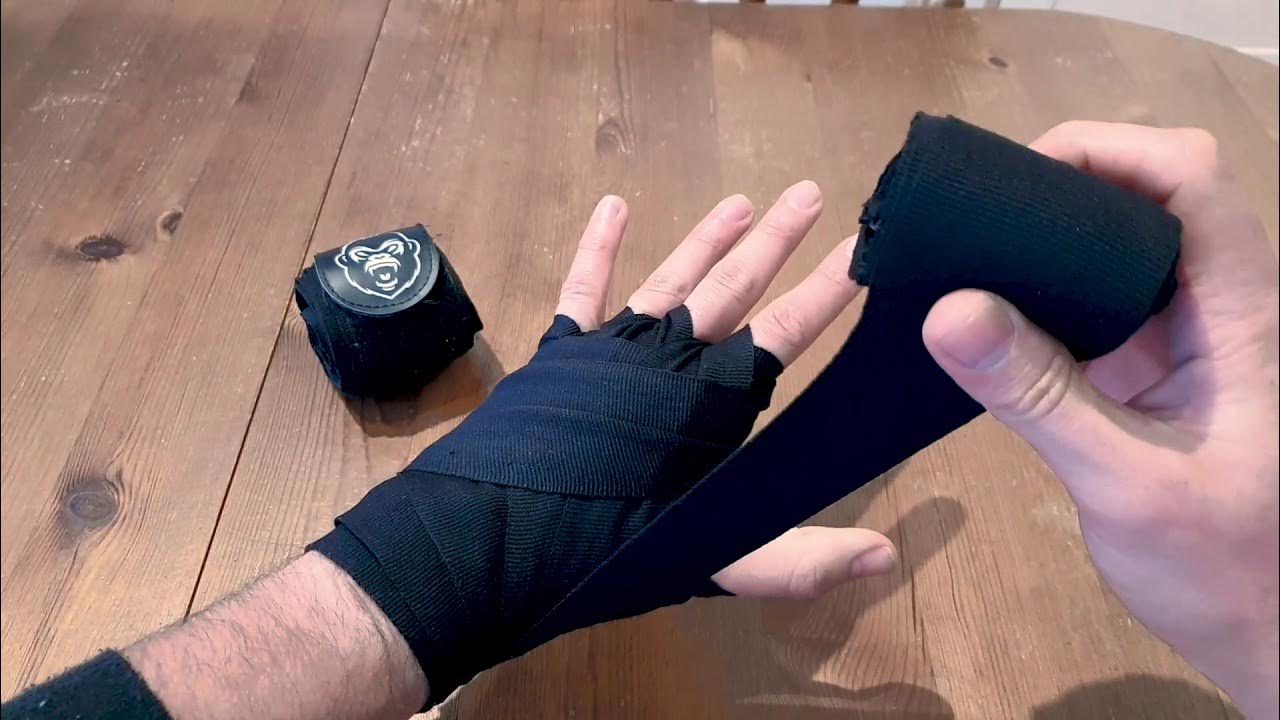
Start wrapping around your wrist to give strong support. Circle the wrist two or three times. The wrap should be snug but not too tight.
Cover the wrist evenly to protect the joint. This helps reduce the risk of sprains or strains. Keep your hand relaxed while wrapping.
Protecting The Knuckles
Protecting the knuckles is a key part of hand wrapping for boxing gloves. Knuckles take most of the impact during punches. Proper protection helps avoid injuries like cuts, bruises, and fractures. Good wraps keep your hands safe and improve your punching power.
Layering Technique
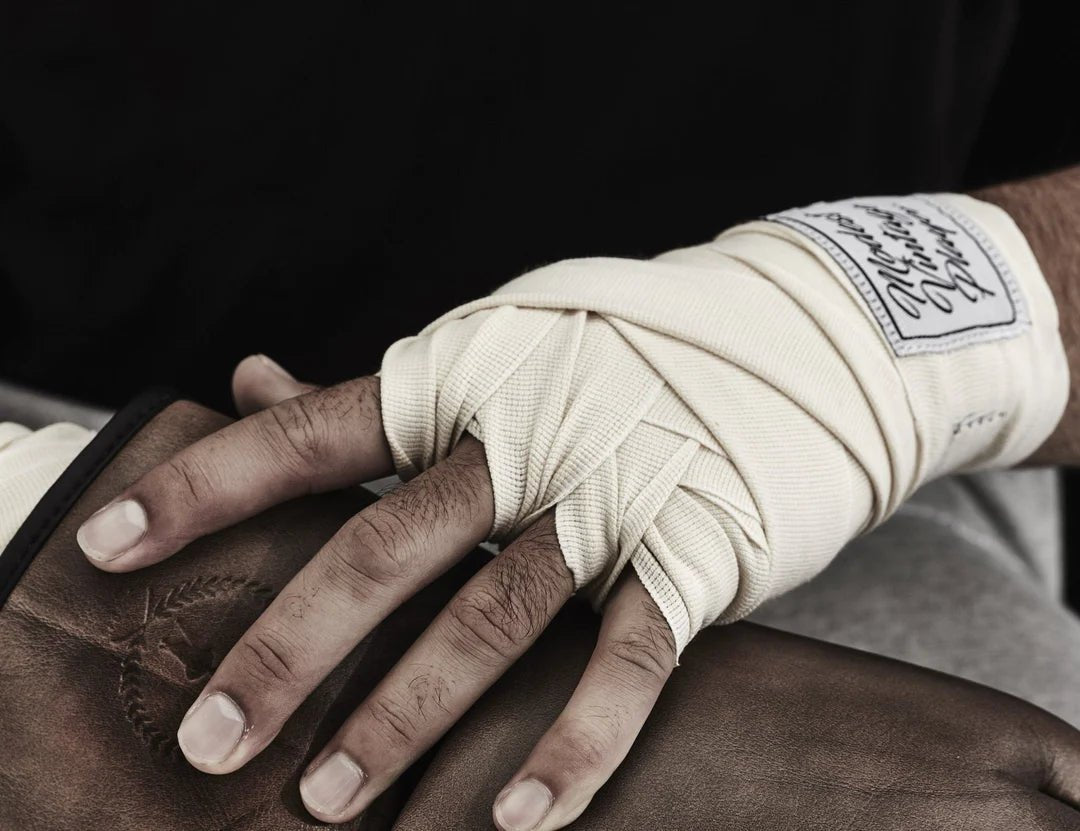
Start with a thin layer over the knuckles. Wrap the hand wrap around the knuckles three to four times. Each layer adds padding and support. Avoid wrapping too tight to keep blood flow. Overlap each layer slightly for even coverage. This builds a solid cushion for the knuckles.
Padding Tips
Use extra padding on the knuckles for harder hits. You can fold the wrap or use a small piece of foam. Place the padding on top of the knuckles before wrapping. Secure it well with the wrap so it does not move. This reduces shock and protects your skin.
Supporting The Fingers
Supporting the fingers is a key step in hand wrapping for boxing gloves. It protects the fingers from injury and keeps them steady during punches. Proper support reduces the risk of sprains and fractures. It also helps maintain good hand shape inside the gloves. This support improves comfort and performance in the ring.
Wrapping Between Fingers
Start by placing the wrap between each finger. This creates a barrier and keeps fingers separated. Wrap from the pinky side toward the index finger. Use gentle tension to avoid cutting off circulation. Wrapping between fingers stops them from bending too much. It adds stability and prevents injuries.
Maintaining Flexibility
Keep the wrap snug but allow finger movement. Too tight wrapping can limit flexibility and cause pain. Wrap with short, even layers to balance support and flexibility. Test finger movement often while wrapping. Good wraps protect without making fingers stiff. This balance helps punch power and speed stay strong.
Securing The Wrap
Securing the wrap is a crucial step in hand wrapping for boxing gloves. It keeps your hands safe and your wrap tight. A loose wrap can cause injuries or discomfort during training. This step ensures the wrap stays in place through every punch and movement.
Focus on wrapping your wrist firmly. It supports your wrist and prevents sprains. The wrap should feel snug but not too tight. Proper securing helps you perform better and avoid pain.
Final Wrist Wraps
After wrapping your knuckles and fingers, move to the wrist. Circle the wrap around your wrist several times. Each round should overlap slightly for strong support. Stop wrapping when you have about two inches of wrap left. This section will be used to secure the wrap.
Using Velcro Closure
Most boxing wraps come with a Velcro end. Press the Velcro firmly onto the wrapped wrist. This locks the wrap in place and stops it from unraveling. Make sure the Velcro sticks well and feels secure. This closure allows easy removal and adjustment of the wrap.
Common Mistakes To Avoid
Hand wrapping is important to protect your hands and wrists during boxing. Many people make mistakes that reduce protection or cause discomfort. Avoiding these errors helps keep your hands safe and improves your performance.
Too Tight Or Too Loose
Wrapping too tight cuts off blood flow and causes pain. Wrapping too loose allows your hands to move inside the gloves. Both affect your punches and can cause injuries. Find a snug fit that feels comfortable and secure.
Uneven Wrapping
Uneven wraps leave some areas less protected. Thick parts can create pressure points. Thin parts may not support your knuckles and wrist well. Wrap evenly for consistent protection and better support.
Skipping Key Areas
Some skip wrapping the wrist, knuckles, or thumb. These parts need extra support to avoid injury. Always cover the knuckles well and wrap around the wrist tightly. Don’t forget the thumb for added stability.
:format(png)/f/115220/2400x900/c783211dfa/how-to-care-for-your-boxing-wraps-and-gloves.png)
Credit: blog.joinfightcamp.com
Caring For Your Hand Wraps
Taking care of your hand wraps is important for their long life. Clean and dry wraps keep your hands safe and healthy. Dirty wraps can cause bad smells and skin problems. Proper care saves money and keeps your wraps ready for every boxing session.
Washing Tips
Wash your hand wraps after each use to remove sweat and dirt. Use cold water and mild detergent. Avoid bleach or fabric softeners, as they can damage the fabric. Hand washing is best, but machine wash in a mesh bag on a gentle cycle also works.
Drying Methods
Air dry your hand wraps by hanging them in a well-ventilated area. Avoid direct sunlight to prevent fabric damage. Do not use a dryer, as heat can shrink and weaken the wraps. Make sure they are completely dry before storing to stop mold and bad smells.
Storage Ideas
Store your hand wraps in a clean, dry place. Roll them loosely to keep their shape and avoid wrinkles. Use a small bag or container to keep them together. Avoid damp or humid areas to protect the fabric and prevent mildew.
Frequently Asked Questions
How Long Should Hand Wraps Be For Boxing Gloves?
Hand wraps are typically 180 inches long for adults. This length offers enough coverage for wrist, knuckles, and thumb protection. Beginners may use shorter wraps, but 180 inches ensures proper support and injury prevention during training or matches.
What Is The Correct Way To Wrap Hands For Boxing?
Start by wrapping the wrist, then the thumb, followed by the knuckles. Secure the wrap between fingers for stability. Finish by wrapping the wrist again. This method provides support and protects against injuries during punches.
Why Is Hand Wrapping Important In Boxing?
Hand wraps protect bones and tendons from impact damage. They stabilize wrists to prevent sprains and fractures. Proper wrapping enhances glove fit and improves punching power safely. It’s essential for injury prevention and performance.
Can I Reuse Hand Wraps For Boxing?
Yes, hand wraps can be reused multiple times. Wash them regularly to maintain hygiene and elasticity. Proper care extends their lifespan and ensures consistent hand protection during training sessions.
Conclusion
Hand wrapping protects your hands and improves your boxing performance. Practice the steps slowly to wrap your hands correctly. Use comfortable, snug wraps for the best support. Keep your fingers free to move and stay flexible. Regular wrapping helps prevent injuries during training or fights.
With time, wrapping becomes quick and easy. Always wrap before putting on your gloves. Stay safe and enjoy your boxing sessions fully.