Are you wondering if dumbbells can really help you build muscle? Maybe you’ve seen people at the gym lifting those small weights and asked yourself, “Can this work for me too?” The truth is, dumbbells are powerful tools that could transform your body—if you use them the right way.
You’ll discover how dumbbells can boost your muscle growth, why they might be better than you think, and simple tips to get the best results. Keep reading, because what you learn here could change how you train forever.

Credit: www.youtube.com
Benefits Of Dumbbell Training
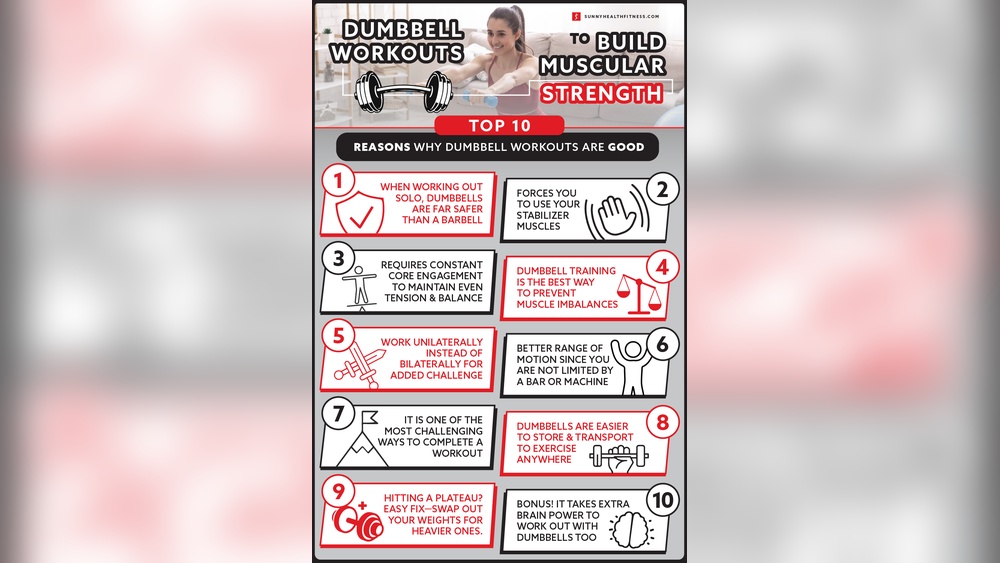
Dumbbell training offers many benefits for building muscle. It helps target muscles in unique ways and adds variety to workouts. Using dumbbells can improve strength, balance, and coordination. They are easy to use at home or the gym. Understanding these benefits explains why dumbbells are popular in muscle building routines.
Improved Muscle Activation
Dumbbells require each side of the body to work independently. This helps activate more muscle fibers on both sides. It prevents one side from dominating the movement. Increased muscle activation leads to better strength and muscle growth over time. This makes dumbbells effective for building balanced muscle strength.
Enhanced Range Of Motion
Dumbbells allow a greater range of motion than machines or barbells. You can move your arms freely in different directions. This helps stretch and contract muscles more fully. A full range of motion improves muscle flexibility and strength. It also reduces the risk of injury during workouts.
Versatility In Exercises
Dumbbells let you perform many exercises for all muscle groups. You can do presses, curls, rows, and more. They fit well into strength, endurance, and rehabilitation programs. Changing exercises keeps workouts interesting and challenges muscles in new ways. Versatility makes dumbbells suitable for beginners and advanced users alike.
Key Muscle Groups Targeted
Dumbbells are versatile tools that target many muscle groups. They help develop strength and size in key areas of the body. Using dumbbells activates muscles in ways that improve balance and coordination. This section explains the main muscle groups worked by dumbbell exercises.
Upper Body Focus
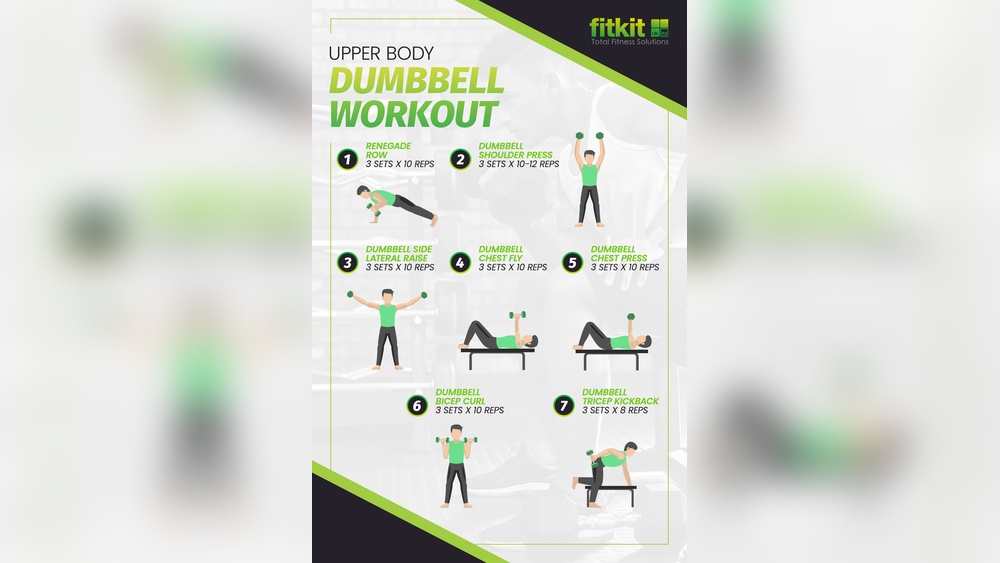
Dumbbells work the chest, shoulders, and arms effectively. Chest presses target the pectoral muscles for a stronger chest. Shoulder presses strengthen the deltoids and improve shoulder stability. Bicep curls build the front arm muscles. Tricep extensions focus on the back of the arms. These exercises help shape and tone the upper body.
Lower Body Engagement
Dumbbells also challenge the legs and glutes. Squats with dumbbells engage the quadriceps, hamstrings, and glute muscles. Lunges target the thighs and improve balance. Deadlifts with dumbbells strengthen the hamstrings and lower back. These moves support muscle growth and endurance in the lower body.
Core Strengthening
Dumbbells activate the core muscles during many exercises. Holding dumbbells while twisting works the obliques. Weighted sit-ups increase abdominal strength. Dumbbell side bends target the waist muscles. A strong core improves posture and supports all movements.
Effective Dumbbell Exercises
Dumbbells are a simple and effective tool for building muscle. They allow for a wide range of exercises that target different muscle groups. Using dumbbells helps improve strength, balance, and coordination. Below are some effective dumbbell exercises to work your chest, shoulders, back, arms, legs, and glutes.
Chest And Shoulders
Dumbbell chest presses strengthen the chest muscles and shoulders. Lie on a bench or floor, hold dumbbells above your chest, then push up. Dumbbell flyes open the chest muscles, improving flexibility and strength. Shoulder presses build strong deltoids. Hold dumbbells at shoulder height and press upward until arms are straight.
Back And Arms
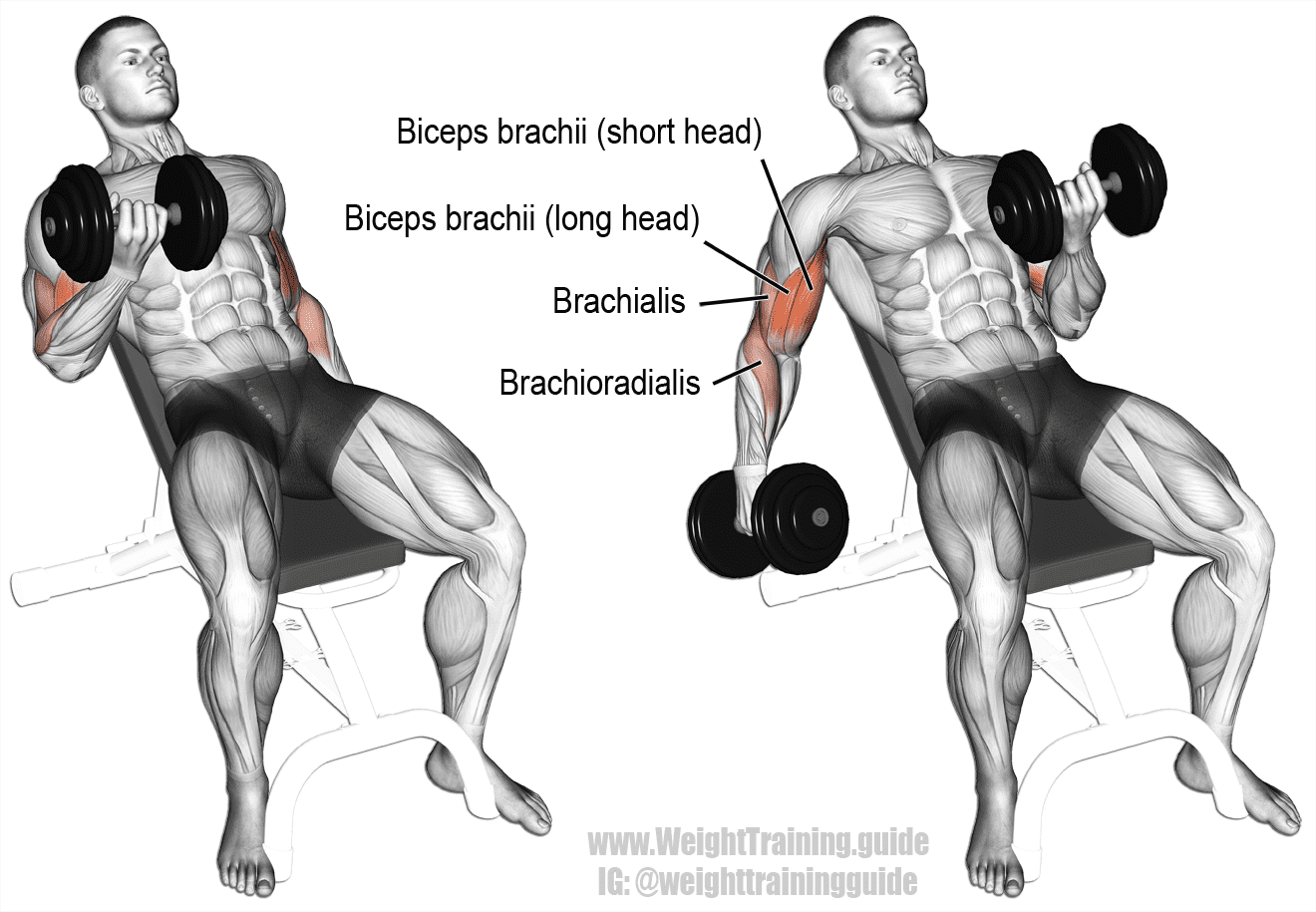
Dumbbell rows target the upper back and improve posture. Lean forward, hold dumbbells, and pull them toward your waist. Bicep curls focus on the front arm muscles. Hold dumbbells with palms up and lift toward your shoulders. Tricep kickbacks work the back of the arms. Bend forward slightly, extend arms back while holding dumbbells.
Legs And Glutes
Dumbbell squats strengthen the legs and glutes. Hold dumbbells by your sides and squat down. Lunges with dumbbells improve balance and muscle tone. Step forward, bend knees, and lower your body while holding dumbbells. Deadlifts target the hamstrings and glutes. Keep your back straight, bend at the hips, and lift dumbbells from the ground.
Tips For Fast Muscle Gains
Building muscle fast with dumbbells requires smart training. Simple changes in your workout can lead to quick progress. Focus on key tips that help your muscles grow stronger and bigger.
Progressive Overload Techniques
Progressive overload means making your muscles work harder over time. Increase the weight of your dumbbells step by step. Add more reps or extra sets as you get stronger. This forces muscles to adapt and grow.
Try to challenge yourself regularly. Small increases in weight or reps cause muscle fibers to repair and grow. Keep track of your progress to stay motivated.
Proper Form And Technique
Using correct form is crucial for muscle gains. Poor technique can cause injuries and slow progress. Focus on controlled, smooth movements with dumbbells. Avoid swinging or using momentum.
Maintain a stable posture. Engage your core to support your back. Proper form targets muscles better and helps you lift heavier safely.
Balanced Workout Routine
A balanced routine hits all major muscle groups. Train arms, chest, back, legs, and shoulders evenly. Do not skip any muscle area to avoid imbalances.
Include rest days for recovery. Overtraining can hurt muscle growth. Use dumbbells for variety, combining exercises like curls, presses, and rows. This keeps workouts effective and interesting.
Nutrition For Muscle Growth
Nutrition plays a key role in building muscle with dumbbells. Eating the right foods helps your body repair and grow muscle tissue. Muscle growth needs more than just exercise. You need fuel from your meals and snacks. This section explains how to eat well for muscle gain.
Protein Intake Guidelines
Protein is the main nutrient for muscle building. Aim for about 1.2 to 2 grams of protein per kilogram of body weight daily. Choose lean meats, fish, eggs, dairy, beans, and nuts. Spread protein intake across meals to help muscle recovery.
Meal Timing Strategies
Eating protein soon after a workout helps muscle repair. Try to eat a protein-rich meal or snack within 30 to 60 minutes after training. Also, eat balanced meals every 3 to 4 hours. This keeps your body fueled and supports steady muscle growth.
Supplements To Consider
Supplements can help fill nutrition gaps. Whey protein is a popular option for quick protein. Creatine may improve strength and muscle size. Always choose quality products and consult a healthcare provider before use.
Credit: www.boxrox.com
Common Mistakes To Avoid
Using dumbbells is a great way to build muscle. Many people make mistakes that slow progress or cause injury. Knowing what to avoid helps you get better results. Here are some common mistakes with dumbbell workouts.
Overtraining Risks
Training too hard can harm your muscles. Muscles need time to grow and repair. Overtraining causes pain, fatigue, and weakens your immune system. Avoid working the same muscle groups every day. Plan rest days between intense workouts. Listen to your body to prevent injury.
Ignoring Rest And Recovery
Rest is as important as exercise. Without enough recovery, muscles cannot rebuild. This stops muscle growth and leads to burnout. Sleep well and eat healthy foods to support recovery. Take breaks during your workout to avoid strain. Rest days improve strength and energy for the next session.
Neglecting Warm-up And Cool-down
Skipping warm-up can cause injuries. Warm-up increases blood flow and loosens muscles. Spend 5 to 10 minutes on light cardio or stretching before lifting. Cool-down helps your body return to normal after exercise. Stretching after your workout reduces soreness and stiffness. Warm-up and cool-down protect your muscles and joints.
Tracking Progress And Staying Motivated
Tracking progress and staying motivated are key to building muscle with dumbbells. Seeing your improvements keeps you focused. It pushes you to work harder and reach new goals.
Without tracking, it’s easy to lose track of your gains. Motivation can drop. Tracking helps you notice small changes. These small wins boost your confidence and encourage you to continue.
Setting Realistic Goals
Start with simple, clear goals. Choose targets you can reach in weeks or months. For example, lifting a certain weight or doing more reps. Realistic goals stop you from feeling overwhelmed. They create steady progress. Small goals build a strong foundation for bigger success.
Using Workout Logs
Write down your exercises, weights, and reps each session. Logs show your progress over time. They help you spot patterns and improve your routine. Keeping track also highlights your strengths and areas to work on. A workout log is a simple tool to stay on track.
Celebrating Milestones
Recognize when you hit a goal. Celebrate small victories like lifting heavier weights or finishing more reps. These moments make your efforts feel rewarding. They keep your spirits high and push you to aim higher. Every milestone is a step closer to bigger muscle gains.

Credit: www.youtube.com
Frequently Asked Questions
Do Dumbbells Effectively Build Muscle Mass?
Yes, dumbbells help build muscle by providing resistance. They target specific muscle groups, promoting strength and growth. Regular use with proper form enhances muscle tone and size.
How Often Should I Use Dumbbells To Build Muscle?
For optimal muscle growth, use dumbbells 3-4 times weekly. Allow rest days for recovery. Consistency and progressive overload are key to building muscle effectively.
Can Dumbbells Replace Gym Machines For Muscle Building?
Dumbbells can replace many gym machines by offering versatile, functional workouts. They engage stabilizer muscles and improve balance while promoting muscle growth.
What Dumbbell Exercises Best Build Muscle?
Effective dumbbell exercises include curls, presses, rows, and lunges. These target major muscle groups and stimulate growth through varied resistance and movement.
Conclusion
Dumbbells help build muscle effectively with regular use. They work many muscles at once, improving strength and tone. You can vary weights and exercises for better results. Small workouts with dumbbells fit any busy schedule. Consistency matters most to see muscle growth over time.
Dumbbells also improve balance and coordination naturally. Use proper form to avoid injuries and gain benefits. Simple tools, great results. Try adding dumbbells to your fitness routine today.