Are you ready to build stronger arms, shoulders, and chest without leaving your home? The best dumbbell upper body workout can help you achieve impressive results fast.
Whether you’re a beginner or looking to switch up your routine, this workout targets all the key muscles to boost your strength and tone your body. Keep reading, and you’ll discover simple yet powerful exercises designed to fit your schedule and push your limits.
Get ready to transform your upper body—starting now!
Benefits Of Dumbbell Workouts
Dumbbell workouts offer many benefits for upper body training. They help build strength and improve muscle control. Using dumbbells allows for natural movement patterns. This reduces the chance of injury.
Dumbbells also make workouts more flexible. You can target different muscles easily. They fit well in small spaces, making them perfect for home use. These benefits make dumbbell workouts a great choice.
Improved Muscle Activation
Dumbbells require both arms to work independently. This activates more muscles than machines or barbells. Your stabilizer muscles get stronger. This helps balance and coordination. You get a better workout for each muscle group.
Enhanced Range Of Motion
Dumbbells allow more freedom in movement. You can move your arms in natural paths. This improves flexibility and joint health. It also lets you reach muscles from different angles. This leads to better muscle growth and strength.
Versatility And Accessibility
Dumbbells are easy to use anywhere. You can do many exercises with one pair. They suit beginners and advanced lifters alike. Dumbbells come in many weights to match your level. This makes them a practical choice for all.
Key Upper Body Muscles Targeted
Understanding the key upper body muscles helps improve your workout focus. Targeting these muscles with dumbbells builds strength and shape. Each muscle group plays a vital role in upper body movement and posture.
Chest
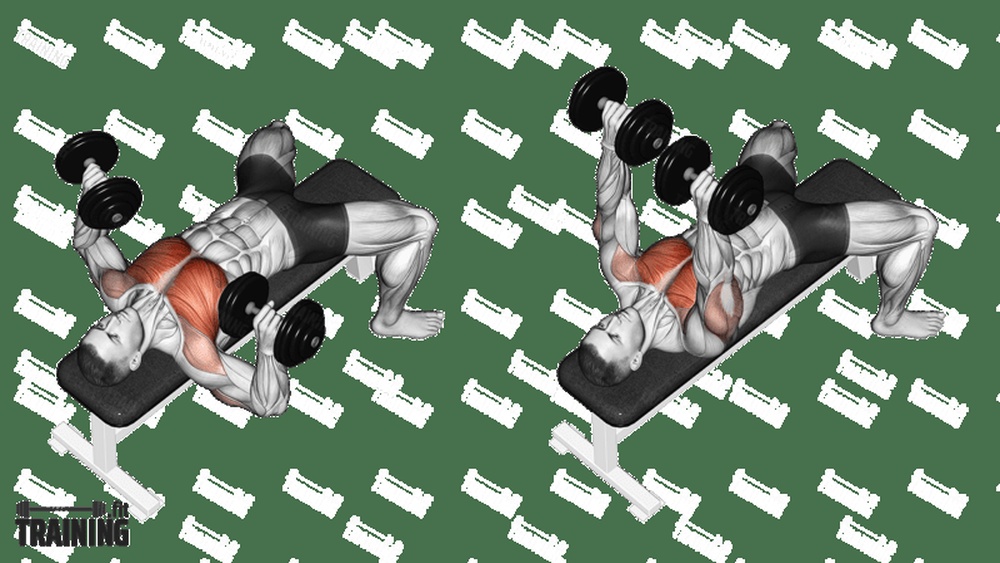
The chest muscles, mainly the pectorals, power pushing motions. Dumbbell exercises like presses and flyes effectively work these muscles. Strong chest muscles improve posture and upper body strength.
Back
The back muscles include the lats, traps, and rhomboids. These muscles pull and stabilize the upper body. Dumbbell rows and pullovers help develop back strength and shape.
Shoulders
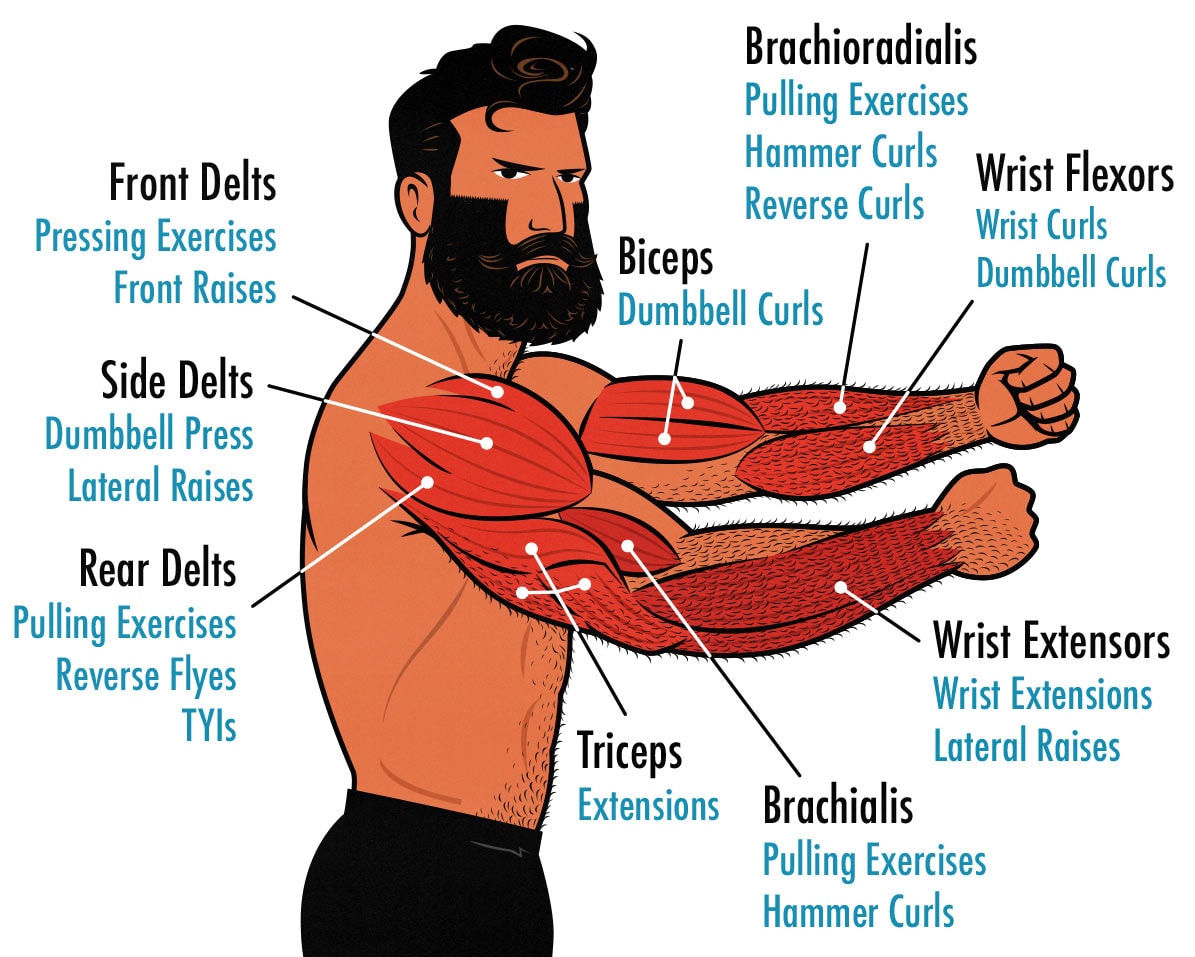
Shoulder muscles, especially the deltoids, lift and rotate the arms. Dumbbell shoulder presses and raises target these muscles well. Strong shoulders improve arm movement and overall upper body balance.
Arms
The arms contain biceps and triceps, controlling arm flexion and extension. Dumbbell curls and triceps extensions build arm strength and size. Well-trained arms help with daily tasks and upper body power.
Essential Dumbbell Exercises
Dumbbells are perfect for upper body workouts. They help build strength and muscle. Using dumbbells lets you work many muscle groups at once. This saves time and improves balance. The following exercises target your chest, back, shoulders, biceps, and triceps. Each move is simple and effective. You can do them at home or in the gym.
Start with light weights to learn form. Increase weight as you get stronger. These exercises will boost your upper body power and shape.
Chest Press Variations
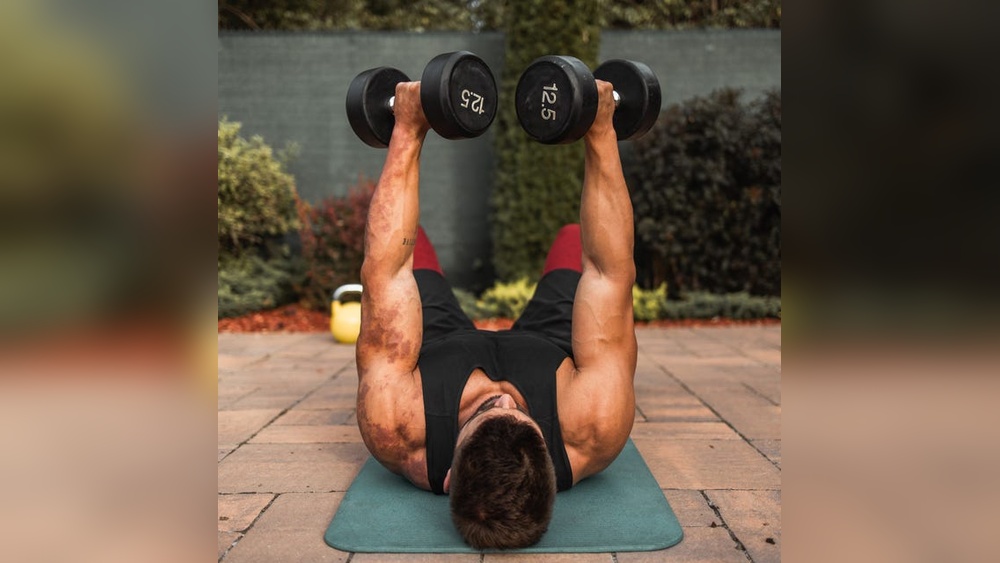
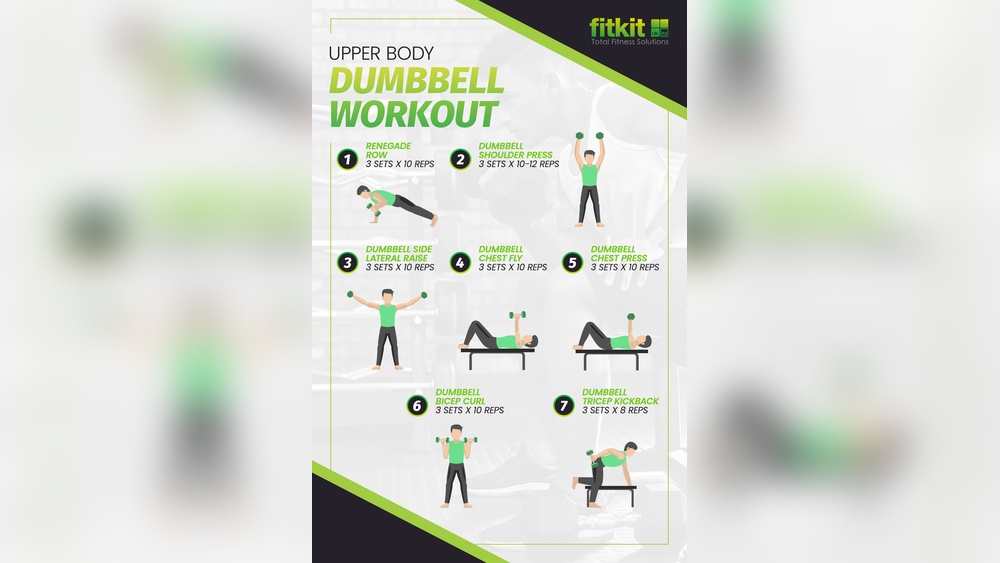
The chest press works your chest muscles and arms. Lie on a bench or the floor. Hold dumbbells at chest level. Push them up until arms are straight. Lower slowly. Try close-grip or wide-grip to target different areas.
Bent-over Rows
Bent-over rows strengthen your back and shoulders. Bend at the hips with knees slightly bent. Hold dumbbells with arms extended down. Pull the weights to your chest. Squeeze your shoulder blades together. Lower the dumbbells slowly. Keep your back straight throughout.
Shoulder Presses
Shoulder presses build strong shoulders and arms. Sit or stand with dumbbells at shoulder height. Press the weights overhead until your arms are straight. Lower them back down slowly. Maintain good posture and avoid arching your back.
Bicep Curls
Bicep curls shape and strengthen your upper arms. Stand with dumbbells at your sides. Keep elbows close to your body. Curl the weights toward your shoulders. Lower them slowly. Avoid swinging your body for control.
Tricep Extensions
Tricep extensions target the back of your arms. Hold one dumbbell with both hands. Lift it overhead with arms straight. Bend your elbows to lower the weight behind your head. Extend your arms back up. Keep your elbows steady and close to your head.
Credit: www.i-monon.com.sa
Structuring Your Workout
Structuring your dumbbell upper body workout helps improve strength and avoid injury. A clear plan makes your session effective and focused. It ensures you work all muscle groups evenly. This section breaks down how to set up your workout for the best results.
Warm-up Techniques
Start with light cardio to raise your heart rate. Jumping jacks or arm circles work well. Follow with dynamic stretches that target the shoulders, arms, and chest. This prepares your muscles and joints for lifting. Spend at least 5 to 10 minutes warming up before lifting dumbbells.
Exercise Order And Sets
Begin with compound exercises like dumbbell presses or rows. These use multiple muscle groups and require more energy. Next, do isolation exercises such as bicep curls or tricep extensions. Aim for 3 to 4 sets of 8 to 12 reps per exercise. This order helps you maintain strength and good form throughout.
Rest And Recovery
Rest between sets allows your muscles to recover. Take 30 to 60 seconds for smaller exercises. For heavier lifts, rest 60 to 90 seconds. After your workout, cool down with stretching. Proper rest reduces soreness and prepares you for the next session.
Progression For Muscle Growth
Progression is key for muscle growth in any dumbbell upper body workout. Your muscles need new challenges to get stronger and bigger. Without progression, your gains will slow down and eventually stop. This section explains easy ways to progress your workouts.
Increasing Weight
Adding more weight forces your muscles to work harder. Start with a weight you can lift with good form. Slowly increase the weight as your strength improves. Even small jumps in weight can help build muscle over time. Avoid lifting too heavy too fast to prevent injury.
Adjusting Reps And Sets
Changing the number of reps and sets changes workout intensity. Try doing more reps with the same weight to challenge endurance. Or add extra sets to increase total work done. You can lower reps and add weight for strength gains. Mix these changes to keep your muscles guessing.
Incorporating Supersets
Supersets mean doing two exercises back-to-back without resting. This keeps your muscles under tension longer. It also saves workout time. Pair exercises that target different muscles or the same muscle group. Supersets increase workout intensity and help muscle growth faster.
Common Mistakes To Avoid
Many people make mistakes during dumbbell upper body workouts. These errors reduce results and cause injuries. Avoid these common pitfalls to stay safe and get stronger.
Poor Form
Bad form leads to muscle strain and pain. It limits muscle growth. Focus on controlled movements and proper posture. Watch yourself in a mirror or ask for help. Use weights you can handle without losing form.
Overtraining
Training too hard harms your body. Muscles need time to heal and grow. Rest days are as important as workout days. Avoid working the same muscles every day. Listen to your body and reduce intensity if needed.
Neglecting Warm-up
Skipping warm-up increases injury risk. Warm muscles perform better and recover faster. Spend 5 to 10 minutes on light cardio and stretching. Prepare your joints and muscles for the workout ahead.
Tips For Maximizing Results
Maximizing results from your dumbbell upper body workout requires more than just lifting weights. Small changes in your daily routine can lead to big improvements. Focus on key areas like nutrition, training consistency, and progress tracking. These tips help your muscles grow and keep you motivated.
Nutrition And Hydration
Your muscles need fuel to grow strong. Eat foods rich in protein, like chicken, fish, and beans. Protein helps repair and build muscle after workouts. Drink plenty of water throughout the day. Staying hydrated improves muscle function and reduces fatigue. Avoid sugary drinks that can slow your progress.
Consistent Training Schedule
Stick to a regular workout plan. Training the upper body 2-3 times a week works well for most people. Consistency helps your muscles adapt and grow. Rest days are important too. They allow muscles to recover and prevent injury. Plan your workouts on set days to build a strong habit.
Tracking Progress
Keep a workout journal or use an app. Write down the weight, reps, and sets you complete. Tracking helps you see improvements over time. It also shows when to increase weights or change exercises. Celebrate small gains to stay motivated and push harder next time.

Credit: www.liftingitalia.com

Credit: vixencomposites.com
Frequently Asked Questions
What Are The Best Dumbbell Exercises For Upper Body?
Best dumbbell exercises include shoulder presses, bicep curls, tricep extensions, chest presses, and rows. These target major upper body muscles for strength and toning. Using dumbbells allows for balanced muscle development and improved coordination.
How Often Should I Do Dumbbell Upper Body Workouts?
Perform dumbbell upper body workouts 2-3 times per week. Allow at least 48 hours of rest between sessions. This frequency supports muscle recovery and growth without overtraining. Consistency is key for noticeable results.
Can Dumbbell Workouts Build Muscle Effectively?
Yes, dumbbell workouts build muscle by providing resistance. They engage stabilizer muscles and allow a full range of motion. Progressive overload with heavier weights enhances muscle growth. Dumbbells are versatile for strength training at any fitness level.
Are Dumbbell Workouts Suitable For Beginners?
Absolutely, dumbbell workouts are great for beginners. They offer controlled movements and adjustable weights. Beginners can start with light weights and focus on form. This reduces injury risk and builds a strong foundation.
Conclusion
Dumbbell workouts build strength and tone muscles effectively. You can do these exercises at home or the gym. Consistency matters more than heavy weights or fancy equipment. Focus on form to avoid injuries and get results. Small steps lead to big improvements over time.
Keep challenging yourself by increasing reps or weight slowly. Enjoy the process and celebrate each milestone. Your upper body will thank you for the effort. Stay patient, stay active, and stay strong.