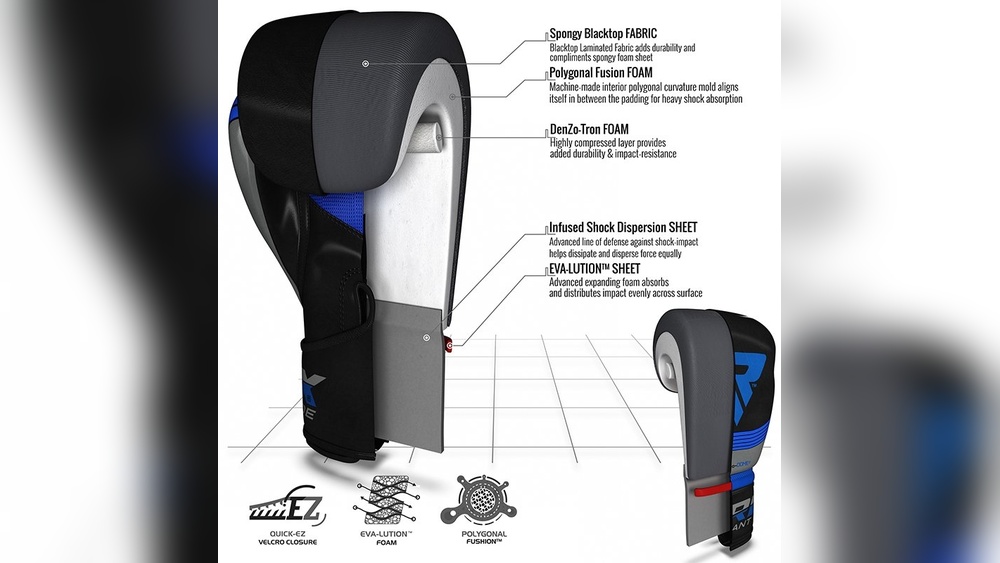
Have you ever wondered how much padding is really inside a boxing glove? Whether you’re just starting out or have been training for years, understanding the amount of padding can change the way you choose your gloves—and even how you protect your hands.
The right padding can keep you safer, improve your performance, and make every punch feel just right. Keep reading to discover the truth about boxing glove padding and find out what’s best for your needs. Your hands will thank you.
Credit: www.infinitudefight.com
Types Of Padding Materials
Boxing gloves have different types of padding materials. These materials affect comfort, protection, and performance. Choosing the right padding is important for safety and style. Each padding type offers unique features and benefits.
Understanding these materials helps you pick gloves that suit your needs. Below are the common padding materials found in boxing gloves.
Foam Padding Varieties
Foam padding is the most common in boxing gloves. It absorbs impact well and feels soft. Different foam types include EVA foam and polyurethane foam. EVA foam is lightweight and offers good shock absorption. Polyurethane foam is denser and lasts longer. Foam padding shapes the glove and protects your hands.
Gel Padding Benefits
Gel padding adds extra comfort and protection. It spreads out the force of punches evenly. Gel molds to the shape of your hand for a snug fit. It also reduces the chance of injuries. Gloves with gel padding feel softer on impact. They are popular among both beginners and pros.
Horsehair Padding Features
Horsehair padding is traditional and less common today. It provides firm support and good durability. Horsehair keeps the glove firm, which some boxers prefer. It does not absorb sweat well and can harden over time. These gloves feel stiffer but last a long time. Horsehair padding is often found in vintage or classic gloves.
Padding Thickness And Its Impact
Padding thickness is a key factor in boxing gloves. It affects how well your hands stay safe during punches. It also changes how your punches feel and perform. Understanding padding thickness helps you pick the right gloves for your needs. Let’s explore how different thickness levels impact protection and punch power.
Standard Thickness Levels
Boxing gloves usually have padding thickness from 8mm to 20mm. Training gloves often have thicker padding around 16mm to 20mm. Competition gloves tend to be thinner, around 8mm to 12mm. Thicker padding absorbs more shock but adds weight. Thinner padding offers less protection but feels lighter.
Effects On Hand Protection
Thicker padding shields your knuckles better during impact. It reduces the risk of cuts and bruises. It also helps prevent wrist injuries by absorbing shocks. Thin padding gives less cushion, increasing injury chances. Proper padding thickness is vital for safe training sessions.
Influence On Punch Power
Thicker padding can reduce the force behind your punches. It spreads the impact over a larger area. This means your hits feel softer to the opponent. Thinner padding lets you deliver harder punches. It transfers more energy but offers less hand protection.
Padding Distribution In Gloves
Boxing gloves have padding spread in different parts to protect your hands and your opponent. This padding is not the same everywhere. Each part of the glove has a special role in keeping you safe and comfortable.
Understanding where the padding is helps you choose the right gloves. It also shows how gloves reduce impact and prevent injuries during training and fights.
Knuckle Area Cushioning
The knuckle area has the thickest padding. It absorbs most of the force from punches. This cushioning prevents bruises and cuts on your knuckles. The foam inside is soft but firm enough to protect bones. Good knuckle padding helps you punch harder without hurting your hands.
Wrist Support Padding
Paddings around the wrist keep your wrist strong and steady. It stops your wrist from bending the wrong way. This support lowers the chance of sprains or breaks. The padding here is firmer to hold your wrist in place. Wrist padding also makes the glove fit better and feel secure.
Palm Padding Zones
The palm has less padding than the knuckles. It allows some movement but still protects your hand. Palm padding reduces shock from hitting bags or pads. It also helps to absorb sweat and keep your hand dry. This area balances comfort with protection for better control.
Choosing Padding Based On Boxing Style
Choosing the right padding in boxing gloves depends on your boxing style. Different styles require different levels of protection and flexibility. Padding affects comfort, safety, and performance. Understanding padding types helps you pick gloves that suit your needs.
Padding For Sparring Gloves
Sparring gloves have thick padding. They protect both you and your partner during practice. The padding absorbs impact well. This reduces the chance of injury. Sparring gloves feel softer and bulkier. They allow longer training sessions without pain. Choose gloves with dense foam for better shock absorption.
Padding In Competition Gloves
Competition gloves have less padding than sparring gloves. They are lighter and smaller to increase speed. Padding is thinner but still protects your hands. The goal is to deliver fast, precise punches. These gloves offer less cushion but more control. Choose gloves approved by your boxing organization.
Training And Bag Gloves Padding
Training gloves have moderate padding. They protect your hands during heavy bag work. Padding is firm to withstand repeated hits. These gloves balance protection and durability. They also help improve punching power safely. Pick gloves with layered foam for long-lasting use.
How Padding Affects Comfort And Safety
Padded boxing gloves play a big role in comfort and safety during fights or training. The right amount of padding can protect your hands and reduce pain. It helps absorb shocks and lowers the risk of injury. Padding also keeps your hands fresh for longer sessions. Knowing how padding works can help you choose the best gloves for your needs.
Shock Absorption Capabilities
Padding in boxing gloves acts like a cushion. It absorbs the force from punches to reduce impact. This means less stress on your knuckles and wrists. Good padding helps protect both you and your opponent. It softens the blow, making each punch safer.
Reducing Hand Fatigue
Thicker padding spreads out the force evenly across your hand. This reduces pressure points and discomfort. Less pain means you can train or fight longer. It also helps your muscles stay relaxed and less tired. Gloves with proper padding support your hands well.
Injury Prevention
Padding lowers the chance of cuts, bruises, and broken bones. It keeps your hands safe from hard impacts. Well-padded gloves protect your wrists by stabilizing them during punches. This protection reduces common boxing injuries. Wearing gloves with enough padding is smart for safety.

Credit: www.reddit.com
Maintaining Padding Longevity
Boxing gloves have padding that protects your hands and your opponent. Over time, this padding can wear down. Keeping the padding in good shape helps you train safely and get the best use from your gloves. Simple care steps can extend the life of your gloves. Let’s explore how to keep padding lasting longer.
Cleaning Tips
Wipe gloves with a clean, damp cloth after each use. This removes sweat and dirt that break down padding. Avoid soaking gloves in water. Use a mild soap if needed, but rinse well. Let gloves air dry completely before storing. Do not put them in direct sunlight or near heat. This can damage the padding and outer material.
Storage Recommendations
Store gloves in a cool, dry place. Keep them away from moisture to stop mold growth. Use a glove bag or breathable container. Avoid airtight bags that trap sweat inside. Open the gloves after use to let air flow. Stuff gloves with newspaper or cloth to keep their shape. Proper storage keeps padding firm and fresh.
When To Replace Gloves
Replace gloves when padding feels thin or uneven. Noticeable lumps or hard spots mean padding is damaged. Gloves that hurt your hands need changing. Old gloves lose shock absorption and protection. Regular checks help catch wear early. Using worn gloves risks injury and reduces training quality.
:format(jpeg)/f/115220/1244x700/b5324542a6/boxing-glove-ounces-explained-youtube-video.jpg)
Credit: blog.joinfightcamp.com
Frequently Asked Questions
How Much Padding Is In A Standard Boxing Glove?
A standard boxing glove contains about 8 to 16 ounces of padding. This padding varies by glove size and purpose, providing protection and shock absorption during training or competition.
Why Is Glove Padding Important In Boxing?
Padding in boxing gloves protects both the wearer’s hands and the opponent. It reduces impact force and minimizes injuries during punches, making training and matches safer.
Does Padding Thickness Affect Boxing Performance?
Yes, thicker padding offers more protection but may reduce speed and feel. Fighters often choose padding thickness based on their style and training needs.
How Is The Padding Material In Boxing Gloves Made?
Boxing glove padding is usually made from high-density foam or gel. These materials absorb shock effectively and maintain shape after repeated use.
Conclusion
Boxing gloves have different amounts of padding for safety and performance. More padding means better hand protection but less impact force. Less padding offers stronger hits but higher injury risk. Choose gloves based on your training style and comfort. Understanding padding helps you pick the right glove.
Always prioritize safety while enjoying the sport. Your hands deserve proper care and support during every match.