
Are heavier boxing gloves better or worse for your training and performance? If you’ve ever wondered whether adding extra weight to your gloves helps or hurts your boxing skills, you’re not alone.
Choosing the right gloves can make a big difference in how you punch, how fast you move, and even how safe you stay during sparring. You’ll discover the surprising pros and cons of heavier gloves so you can make the best choice for your goals.
Keep reading to find out how your glove weight could be holding you back—or pushing you forward.
Glove Weight Basics
Choosing the right boxing gloves starts with understanding glove weight. Gloves come in different weights, measured in ounces. The weight affects protection, speed, and comfort during training or fighting. Knowing glove weight basics helps you pick the best gloves for your needs.
Common Glove Weights
Boxing gloves usually range from 8 to 20 ounces. Lighter gloves, like 8 or 10 ounces, are often used in matches. Heavier gloves, from 14 to 20 ounces, are common for training. Heavier gloves add more padding, protecting hands and sparring partners. The right weight depends on your purpose and body weight.
Material Differences
Gloves come in leather or synthetic materials. Leather gloves last longer and feel softer. Synthetic gloves cost less but wear out faster. Padding type also varies. Some gloves use foam, while others use gel padding. Foam is lighter but compresses over time. Gel padding offers better shock absorption. Material affects glove weight and comfort during use.

Credit: www.g-locbrakes.com
Impact On Training
Choosing the right boxing gloves affects how you train. Gloves come in different weights. Heavier gloves change your workout in many ways. They can build your strength but also affect your speed. Understanding these effects helps you improve your boxing skills better.
Strength And Endurance Benefits
Heavier gloves add resistance to your punches. This resistance helps your muscles grow stronger. Training with them makes your arms and shoulders work harder. You build endurance by throwing punches for longer periods. Using heavy gloves can improve your power in the ring.
Wearing heavier gloves also strengthens your wrists. This support helps prevent injuries during intense workouts. Your punches feel more solid over time. Heavy gloves prepare your body for real fight conditions.
Speed And Agility Effects
Heavier gloves can slow your punches down. This slower speed might affect your reaction time. Fast hand movement is harder with extra weight on your hands. Your speed and agility training may suffer if you always use heavy gloves.
Switching to lighter gloves can help improve quickness. Light gloves let your hands move faster and more freely. Use heavy gloves for power and light gloves for speed practice. Balancing both types improves overall boxing skills.
Performance In Sparring
Performance in sparring is a key factor in choosing the right boxing gloves. The weight of gloves affects how you move and how much protection you get. Heavier gloves change the pace and feel of a sparring session. They also impact safety for both boxers. Understanding these effects helps you pick gloves that fit your training needs.
Protection For You And Partner
Heavier gloves offer more padding. This padding lowers the risk of injury during sparring. Your hands get extra support and cushioning. Your partner also benefits from softer impacts. This reduces cuts and bruises on the face. Using heavier gloves can make sparring safer and more comfortable. This safety helps both fighters train longer and harder.
Realistic Fight Simulation
Heavier gloves slow down your punches. This change forces you to work on technique and control. It helps build endurance because your arms get more tired. The slower pace mimics real fight conditions differently than lighter gloves. You learn how to pace yourself and keep form under fatigue. This training style prepares you for real matches better.
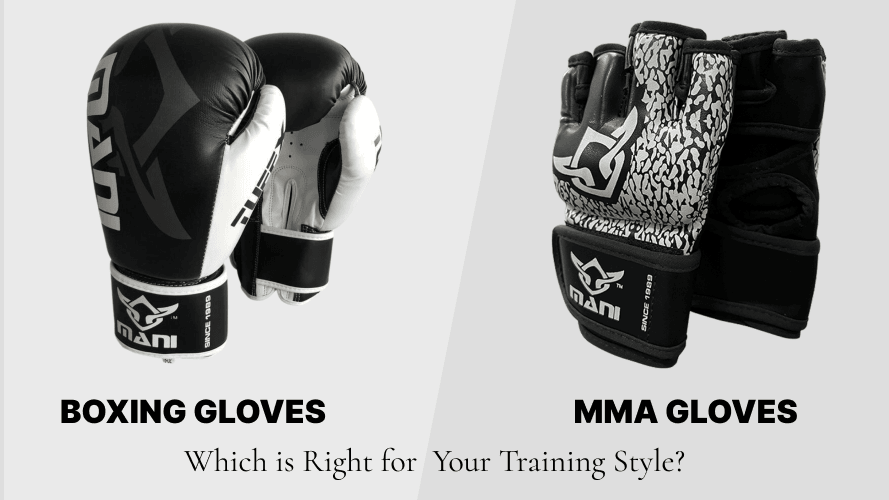
Credit: www.manisports.com.au
Competition Considerations
Choosing the right boxing gloves is key for any match. The weight of the gloves can affect your speed, power, and protection. In competitions, rules often set limits on glove weight. Knowing these rules helps you pick gloves that meet standards and boost your performance.
Heavier gloves offer more padding. This can reduce injury but may slow your punches. Lighter gloves allow faster punches but less protection. Understanding these trade-offs helps you compete safely and effectively.
Regulations On Glove Weight
Boxing organizations set specific glove weight rules. These rules depend on the weight class of the fighters. For example, lighter fighters may use 8-ounce gloves. Heavier fighters often use 10-ounce or more. Some matches require gloves to be approved by the governing body. Using the wrong glove weight can lead to disqualification.
Rules also ensure fair play and safety. Gloves must have enough padding to protect both fighters. Officials check gloves before the fight. Knowing these rules keeps you ready and avoids surprises.
Choosing Gloves For Matches
Pick gloves that meet the match rules exactly. Check the weight limit before the fight. Choose gloves that feel comfortable and fit well. Proper fit helps with control and reduces hand injuries. Practice with your match gloves to adjust your style.
Consider your boxing style when choosing glove weight. Heavier gloves help with defense and endurance. Lighter gloves help with speed and quick punches. Balance your choice with the rules and your strategy.
Injury Risks
Choosing the right boxing gloves affects your injury risk. Gloves act as a cushion between your hands and your opponent. They protect your knuckles, wrists, and even your joints. But weight matters. Heavier and lighter gloves offer different types of protection and stress. Understanding these differences helps you stay safer in the ring.
Heavier Gloves And Joint Stress
Heavier gloves add more weight to your punches. This extra weight can put stress on your wrists and elbows. Over time, repeated use may cause joint pain or injury. The heavy padding slows your punches, forcing your joints to work harder. This can lead to soreness after long training sessions. For some, heavier gloves may feel bulky and limit speed. This restriction can cause improper punching form, increasing injury risk.
Lighter Gloves And Hand Protection
Lighter gloves allow faster punches and better movement. They put less strain on your joints during training. But they offer less padding for your hands and knuckles. This can lead to cuts, bruises, or fractures if you hit too hard. Lighter gloves are often used in competitions where speed matters. Using them without proper hand wraps increases injury risk. Balancing speed and protection is key with lighter gloves.
User Preferences
User preferences play a big role in choosing boxing gloves. Everyone has different needs and comfort levels. Gloves that feel heavy to one person might feel just right to another. This section looks at how body type and skill level affect glove choice.
Body Type And Glove Weight
Body type affects which glove weight feels best. Bigger fighters often prefer heavier gloves. Heavier gloves can protect hands better during hard hits. Smaller fighters may find heavy gloves slow their punches. Lightweight gloves allow faster movement and quicker punches. Choosing glove weight should match your strength and size. Comfort during training is key to better performance.
Skill Level Factors
Skill level changes glove preference too. Beginners usually start with heavier gloves. Heavier gloves help build strength and protect hands. Experienced boxers may choose lighter gloves for speed. Lighter gloves allow better technique and faster punches. Training goals affect glove choice as well. Match glove weight with your current skill for best results.
Budget And Durability
Choosing the right boxing gloves involves thinking about budget and durability. These two factors affect how long your gloves last and how much you spend. Heavier gloves often cost more but may last longer. It is important to find a balance that fits your needs and wallet.
Cost Differences
Heavier boxing gloves usually cost more than lighter ones. The extra padding and material add to the price. Budget gloves tend to be lighter and less durable. Spending a bit more can get you gloves that protect better and last longer. Cheap gloves might wear out quickly and need replacement soon.
Longevity Of Gloves
Durability depends on glove weight and quality. Heavier gloves often have thicker padding, which lasts longer. They resist damage from frequent training better than lighter gloves. Lighter gloves may lose shape and padding fast. Investing in heavier gloves saves money over time. They stay reliable through many boxing sessions.
Tips For Choosing Gloves
Choosing the right boxing gloves affects your training and comfort. Gloves come in different weights, shapes, and materials. Picking the right pair helps protect your hands and improves your performance. Consider your goals and try different gloves before buying. This guide helps you select gloves that fit your needs.
Assessing Your Training Goals
Think about what you want to achieve in boxing. Are you training for speed, power, or endurance? Heavier gloves add resistance and build strength. Lighter gloves allow faster punches and better technique. Match glove weight with your training focus. This choice helps improve your skills safely.
Trying Different Weights
Test gloves of various weights during practice sessions. Feel how each weight affects your speed and comfort. Gloves that feel too heavy may slow you down. Gloves that feel too light may not protect your hands well. Experiment to find the balance between protection and ease of movement.
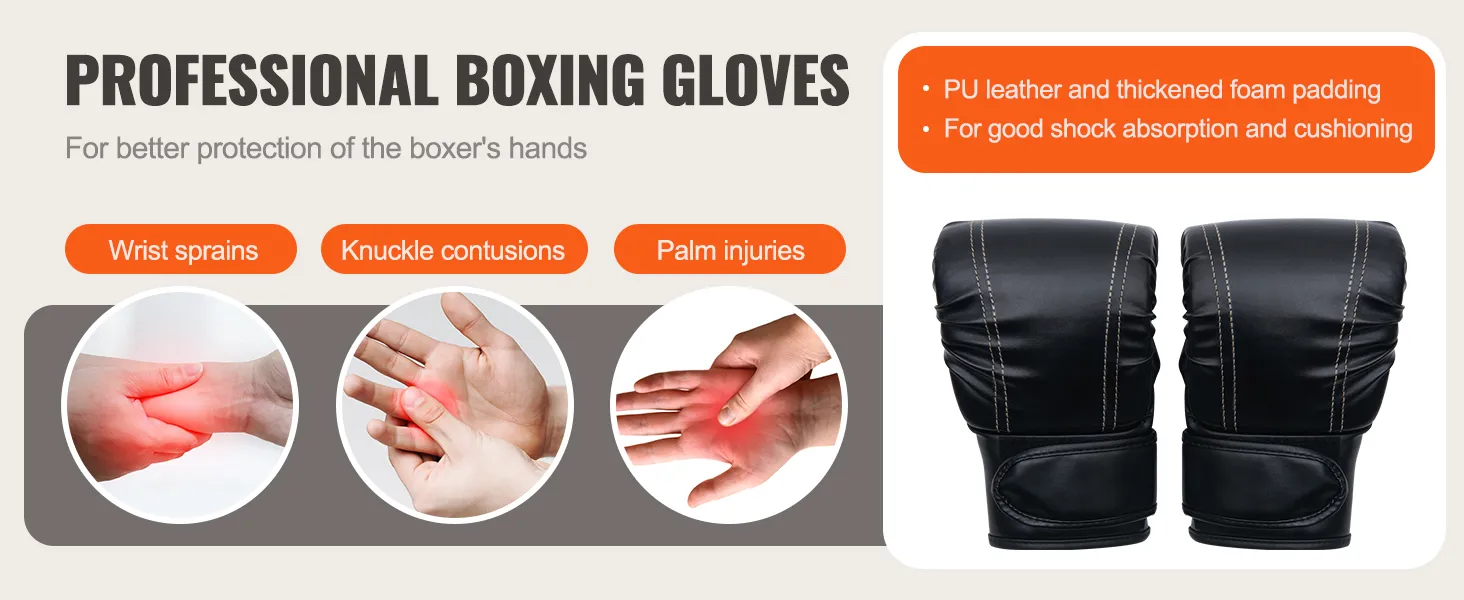
Credit: martinscastro.pt
Frequently Asked Questions
Are Heavier Boxing Gloves Better For Training?
Heavier gloves improve endurance and strengthen muscles during training. They slow down punches, helping boxers develop better technique and control. However, they may reduce speed and agility compared to lighter gloves.
Do Heavier Gloves Reduce Injury Risk?
Yes, heavier gloves provide more padding, which helps absorb impact. This reduces the risk of hand injuries and protects both you and your sparring partner. Proper use is essential for maximum safety benefits.
How Do Heavier Gloves Affect Punching Power?
Heavier gloves can decrease punching speed but increase power over time. They build arm strength, allowing stronger punches with lighter gloves. However, they don’t directly boost power during actual fights.
Are Heavier Gloves Worse For Competition?
Heavier gloves are usually not allowed in competition because they slow down punches. Fighters use lighter gloves to maximize speed and reaction time. Using heavier gloves during matches can be a disadvantage.
Conclusion
Heavier boxing gloves offer extra protection and build strength. They may slow your speed but improve endurance over time. Lighter gloves allow faster punches and better technique practice. Choosing the right glove depends on your goals and training style. Try both weights to see what feels best for you.
Balance comfort, safety, and skill development in your choice. Remember, no glove is perfect for every situation. Keep practicing to find what helps you improve most. Your boxing journey will guide your glove decision.

