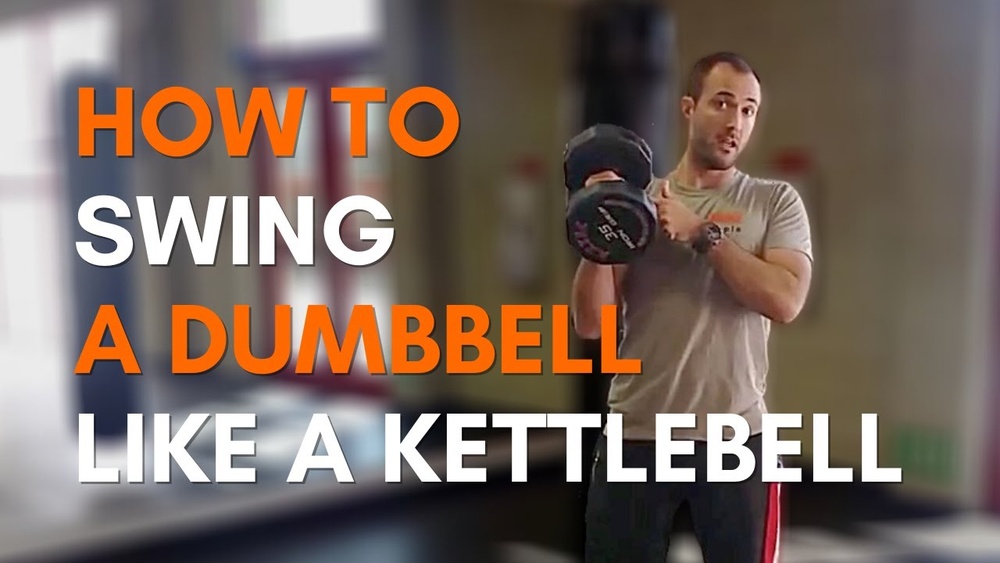
Have you ever wondered if you can use a kettlebell as a dumbbell? If you’re short on equipment or trying to mix up your workouts, this question might be on your mind.
Using a kettlebell instead of a dumbbell can feel confusing—will it work the same way? Will it help you get the results you want? Keep reading, because understanding the key differences and how to adapt your moves can unlock new ways to train smarter and stronger.
Your fitness routine could get a fresh boost with just one simple switch.
Kettlebell Vs Dumbbell
The kettlebell and dumbbell are popular tools for strength training. Both help build muscle and improve fitness. Despite their similar purpose, they have unique features. Understanding these differences helps choose the right tool for your workout.
Design And Shape Differences
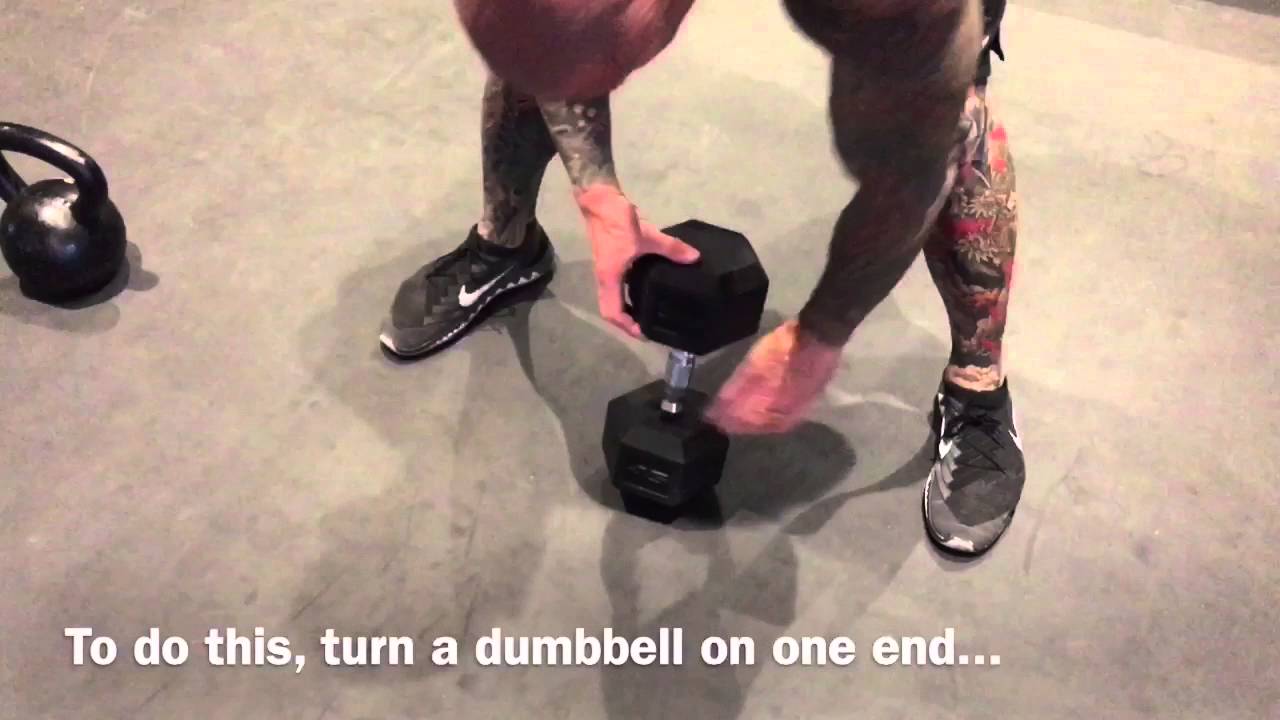
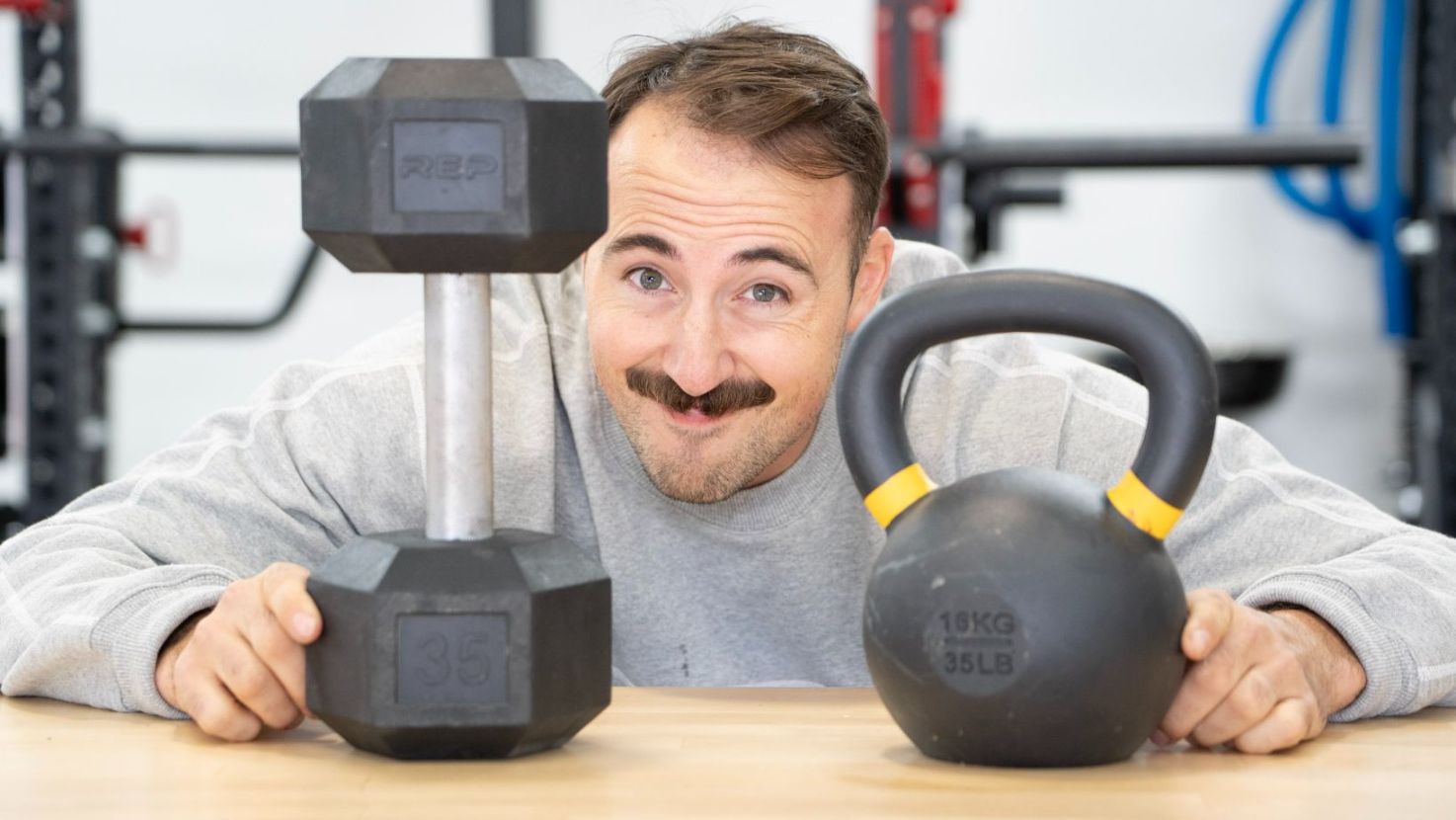
Kettlebells have a round ball shape with a handle on top. Dumbbells have a straight bar with equal weights on both ends. This design affects how you use each tool. Kettlebells allow swinging and dynamic movements. Dumbbells suit controlled, stable exercises.
Weight Distribution
Kettlebells have uneven weight distribution. The weight is mostly below the handle. Dumbbells have balanced weight on each side of the bar. This difference changes how muscles work during exercises. Kettlebells challenge your grip and core more.
Grip And Handling
Kettlebell handles are thick and smooth, designed for swinging. Dumbbells have thinner handles for a firm, steady grip. Kettlebells need more wrist control and strength. Dumbbells offer better control for precise movements.
Exercise Compatibility
Exercise compatibility is key when choosing between kettlebells and dumbbells. Both tools offer unique advantages for different movements. Understanding which exercises work well with each helps you train smarter.
Some exercises suit both kettlebells and dumbbells equally. Others benefit from the shape and grip of one over the other. Knowing this helps you pick the right tool for your workout.
Common Exercises For Both
Many exercises work well with either kettlebells or dumbbells. These include bicep curls, shoulder presses, and goblet squats. Both tools allow good control and range of motion for these moves. You can switch between them without losing effectiveness.
Movements Better With Dumbbells
Dumbbells excel in exercises requiring balance and equal weight distribution. Examples are chest presses, flyes, and lateral raises. Their straight handles help maintain wrist alignment. This reduces strain during pressing and lifting motions. Dumbbells also suit isolation exercises that target specific muscles.
Movements Better With Kettlebells
Kettlebells shine in dynamic, swinging movements. Swings, snatches, and cleans use the kettlebell’s unique shape. The offset center of gravity challenges your grip and core. This builds strength and coordination. Kettlebells also work well for ballistic moves that involve momentum and fluid motion.
Advantages Of Using Kettlebells
Kettlebells offer unique benefits that dumbbells do not. Their shape and design allow a wider range of movements. This makes kettlebells a great tool for building strength and fitness. Many people wonder if kettlebells can replace dumbbells. Understanding their advantages helps answer that question clearly.
Functional Strength Benefits
Kettlebells improve strength that you use in daily life. Their handle allows swinging and dynamic moves. These moves engage multiple muscles at once. This builds practical strength for real-world tasks. Dumbbells focus more on isolated muscles. Kettlebells train your body to work as one unit.
Cardio And Conditioning
Kettlebell exercises boost your heart rate quickly. Swings and snatches are great for cardio training. They combine strength and endurance in one workout. This saves time and improves overall fitness. Dumbbells often need separate cardio workouts. Kettlebells offer a full-body workout that challenges your heart and muscles together.
Core Engagement
Kettlebells force your core to stay tight and stable. Balancing the weight during swings activates deep core muscles. This improves posture and reduces injury risk. Dumbbells do not challenge the core as much. Kettlebell moves build a stronger, more stable midsection with every rep.
Credit: www.youtube.com
Limitations When Using Kettlebells As Dumbbells
Kettlebells and dumbbells look similar but feel different in use. Trying to use a kettlebell as a dumbbell comes with some limits. These can affect your workout quality and safety.
Understanding these limits helps you choose the right tool for your exercise needs. Here are key challenges to keep in mind.
Range Of Motion Issues
Kettlebells have a unique shape with the weight below the handle. This shape can block certain movements. Exercises requiring a full range of motion may feel awkward or restricted. Dumbbells allow smoother motion because the weight is evenly balanced. Limited motion can reduce exercise effectiveness and increase injury risk.
Grip Challenges
The kettlebell handle is thicker than a dumbbell handle. This thickness can make gripping harder, especially for small hands. Some exercises need a firm grip for safety and control. A kettlebell’s shape can cause hand fatigue or slipping. Dumbbells offer a more secure and comfortable grip for many lifts.
Weight Increment Availability
Kettlebells usually come in larger weight jumps. This makes it hard to find small weight increases for gradual progress. Dumbbells often have smaller weight steps, allowing better control over strength gains. Limited weight options with kettlebells can slow down your workout progress and adaptation.
Tips For Switching Between Kettlebells And Dumbbells
Switching between kettlebells and dumbbells can improve your workout variety. Each tool offers unique benefits and challenges. Understanding how to adjust your approach is key. Follow these tips to ensure smooth transitions and effective training.
Adjusting Your Form
Kettlebells have a different center of gravity than dumbbells. This changes how you hold and move them. Keep your wrist straight and strong. Use your hips more with kettlebells to control swings. For dumbbells, focus on steady arm movements. Small form changes prevent injury and improve results.
Selecting Appropriate Weights
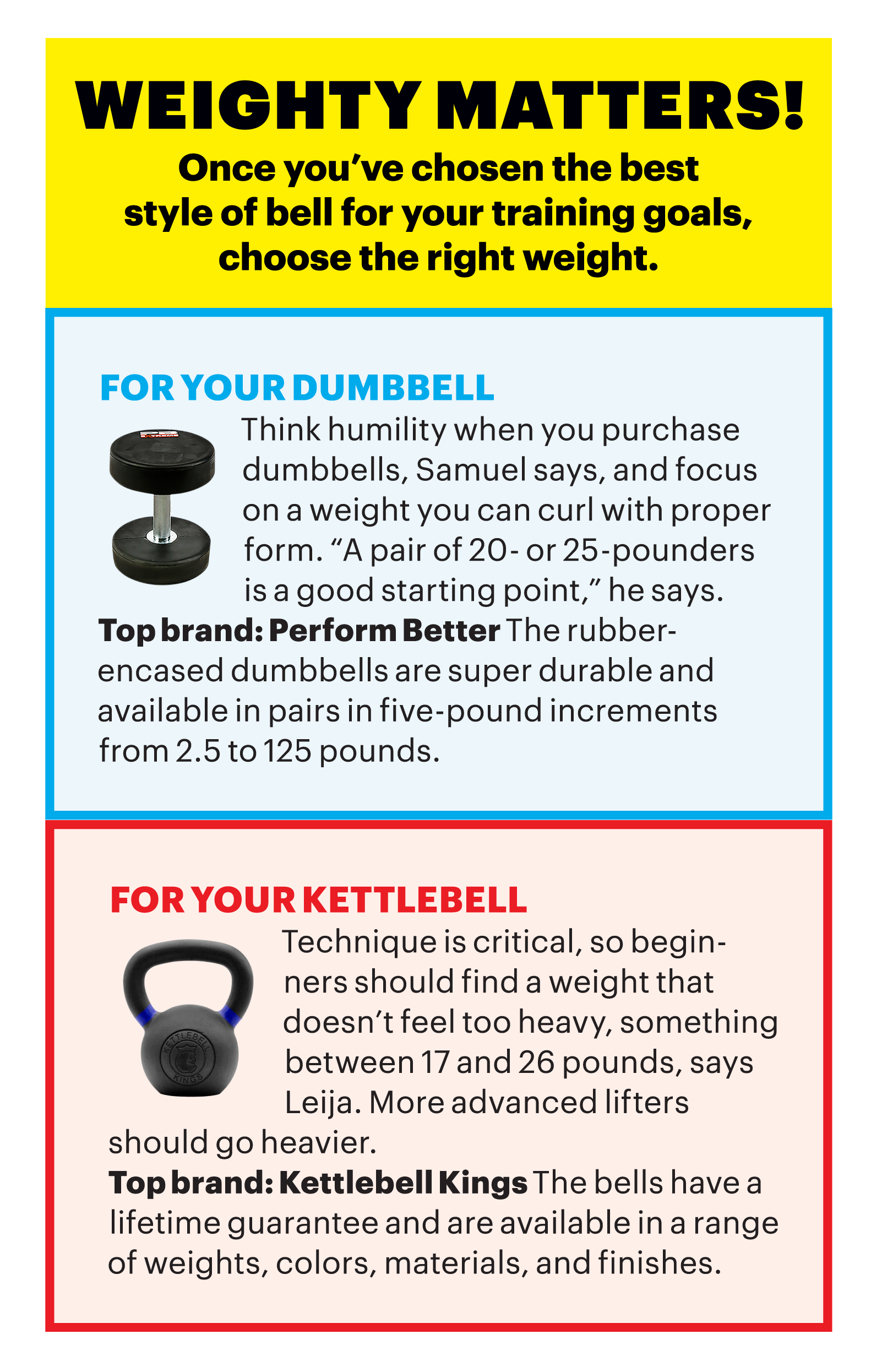
Kettlebells often feel heavier due to their shape. Pick a lighter kettlebell than your dumbbell weight. Start with weights that feel manageable for your exercise. Gradually increase weight as your strength grows. Proper weight selection helps avoid strain and improves control.
Safety Considerations
Both tools require careful handling. Clear your space to avoid hitting objects. Warm up before switching to avoid muscle strain. Grip strength matters most with kettlebells to prevent dropping. Keep your movements controlled and steady. Safety ensures better workouts and fewer injuries.
Recommended Kettlebell Exercises As Dumbbell Alternatives
Kettlebells can replace dumbbells in many exercises. They offer a unique grip and shape that change the workout feel. Using kettlebells helps build strength, endurance, and balance. Here are some recommended kettlebell exercises that work well as dumbbell alternatives.
Presses And Rows
Use kettlebells for overhead presses to build shoulder strength. Hold the kettlebell by the handle with a firm grip. Push it straight up until your arm is fully extended. For rows, bend at the hips and pull the kettlebell towards your chest. These moves target your back and arms effectively.
Squats And Lunges
Kettlebell goblet squats are excellent for leg and core strength. Hold the kettlebell close to your chest with both hands. Squat down slowly, keeping your back straight. Lunges become more challenging with a kettlebell in each hand. Step forward and lower your body, then push back to start.
Swings And Snatches
Kettlebell swings improve power and cardio at the same time. Hold the kettlebell with both hands and swing it between your legs. Then, thrust your hips forward to swing it up to chest level. Snatches require more skill but work your entire body. Swing the kettlebell overhead in one smooth motion.
Buying Guide For Dual-purpose Equipment
Choosing equipment that works for different exercises saves money and space. Dual-purpose gear fits well in small home gyms. It also helps keep workouts varied and interesting. This guide helps pick the best kettlebell and dumbbell options.
Choosing The Right Kettlebell
Pick a kettlebell with a smooth handle for comfort. The weight should match your current strength and goals. Look for a flat base to keep it stable on the floor. Cast iron kettlebells last longer than vinyl-coated ones. Make sure the size fits your hand well. This helps with grip and control.
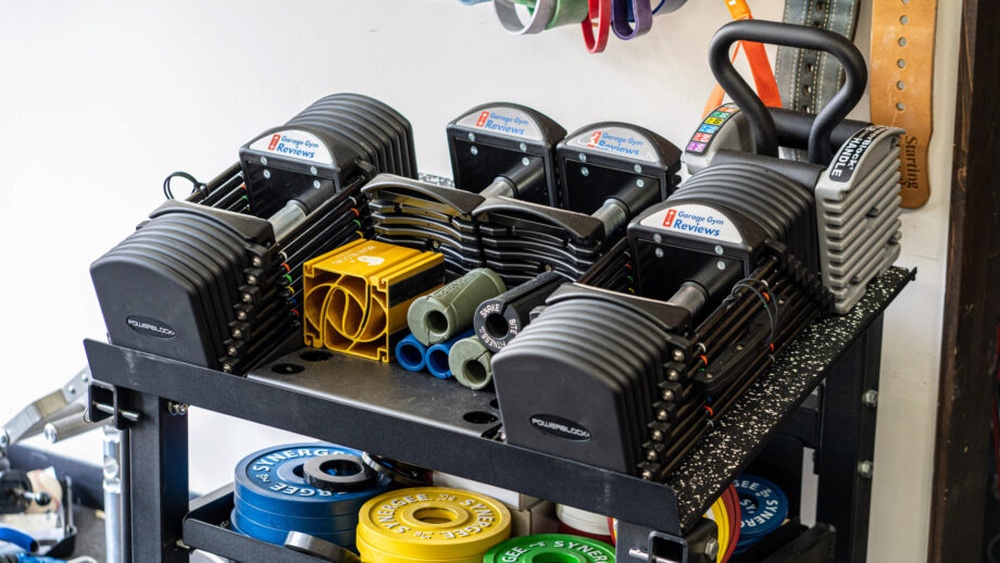
Investing In Adjustable Dumbbells
Adjustable dumbbells save space by combining many weights in one. They let you change weight quickly between exercises. Check that the locking mechanism feels secure and easy to use. Choose sets with clear weight markings for convenience. Durable materials prevent damage over time. Good adjustable dumbbells can replace many single weights.
Storage And Space Tips
Use vertical racks to keep kettlebells and dumbbells organized. Store equipment close to your workout area for easy access. Consider wall mounts or shelves to free floor space. Group similar weights together for quick selection. Avoid clutter to keep the workout area safe. Proper storage extends the life of your gear.
Credit: www.garagegymreviews.com
Credit: elogistirio.gr
Frequently Asked Questions
Can Kettlebells Replace Dumbbells In Workouts?
Yes, kettlebells can replace dumbbells for many exercises. They offer similar resistance and improve grip strength. However, some movements may require adjustment due to the kettlebell’s shape and weight distribution.
Are Kettlebells Safer Than Dumbbells?
Kettlebells can be safer if used correctly because their handle allows better control. However, improper form may increase injury risk. Always start with lighter weights and learn proper techniques.
Can Kettlebells Build Muscle Like Dumbbells?
Kettlebells effectively build muscle by providing resistance and dynamic movement. They engage stabilizer muscles more than dumbbells due to their unique design, enhancing overall strength and muscle tone.
Is Kettlebell Training Suitable For Beginners?
Yes, kettlebell training suits beginners if they start with light weights and learn proper form. It improves strength, endurance, and coordination when performed with guidance.
Conclusion
Kettlebells can often replace dumbbells in many exercises. They offer a different grip and movement style. This can help work muscles in new ways. Some exercises feel easier or harder with kettlebells. Using them can add variety to your workouts.
Just choose the right weight for your strength level. Always focus on good form to avoid injuries. Trying kettlebells may improve your fitness routine. It’s a simple way to keep training fresh and fun. Give it a shot and see how your body responds.