
Are you wondering how many times a week you should do dumbbell workouts to see real results? You’re not alone.
Finding the right balance can make all the difference between hitting your goals and feeling stuck. Whether you want to build muscle, burn fat, or simply get stronger, knowing the ideal workout frequency is key. Keep reading, and you’ll discover the simple plan that fits your lifestyle and helps you get the most from every dumbbell session.
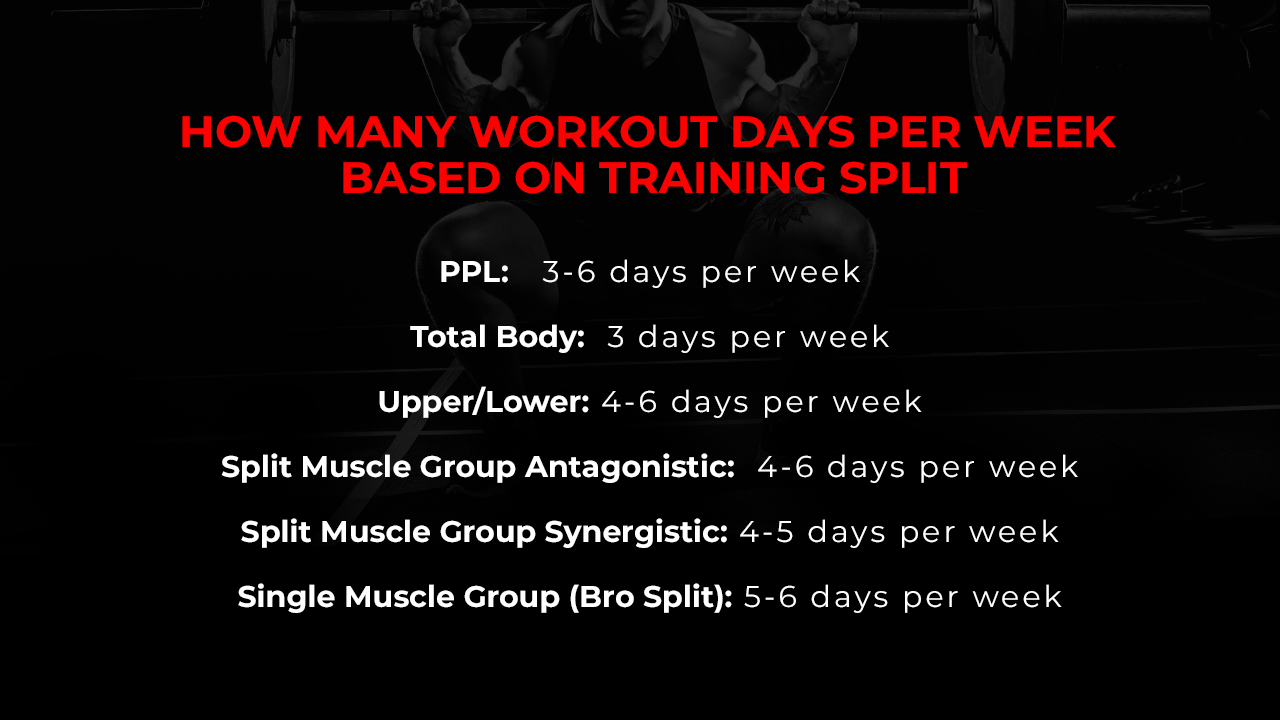
Credit: learn.athleanx.com
Benefits Of Dumbbell Workouts
Dumbbell workouts offer many benefits for people at all fitness levels. They help build strength and improve body shape. Using dumbbells can also protect your joints and make your workout more flexible. These advantages make dumbbell exercises a smart choice for regular training.
Muscle Building And Toning
Dumbbells help increase muscle strength and size. They target specific muscles better than many machines. Using dumbbells also improves muscle balance by working each side separately. This leads to a more even and toned body shape.
Improved Joint Stability
Exercises with dumbbells require control and balance. This strengthens the muscles around your joints. Stronger joints reduce injury risk during daily activities. Dumbbell workouts also help improve your range of motion and flexibility.
Versatility And Convenience
Dumbbells can be used for many exercises. You can work your arms, chest, back, and legs. They are small and easy to store at home. This makes dumbbell workouts perfect for busy schedules and limited spaces.
Factors Influencing Workout Frequency
Several factors influence how often you should do dumbbell workouts each week. These factors help tailor your routine to your body’s needs. Understanding them can improve your progress and reduce injury risks.
Fitness Goals
Your workout frequency depends on what you want to achieve. For building muscle, training 3-4 times a week works well. For fat loss, combining dumbbell workouts with cardio 4-5 times helps. For maintaining fitness, 2-3 sessions per week is enough. Clear goals guide your workout schedule.
Experience Level
Beginners need fewer sessions to start safely. Training 2-3 times a week lets the body adapt. Intermediate lifters can increase to 3-5 times weekly for growth. Advanced trainers may work out 5-6 times, focusing on different muscle groups. Experience shapes how often you can train.
Recovery Ability
Recovery affects how often you can train effectively. Rest days let muscles heal and grow stronger. Younger people often recover faster than older adults. Nutrition, sleep, and stress levels also impact recovery. Listen to your body to avoid overtraining and injury.
Recommended Workout Frequency
Finding the right number of dumbbell workouts each week matters for progress. Too few sessions slow results. Too many may cause injury or burnout. The best frequency depends on your current fitness level and goals. This guide breaks down recommended workout frequency by experience.
Beginners
Start with two to three dumbbell sessions per week. This gives muscles time to recover and grow. Focus on learning proper form and basic exercises. Rest days help prevent soreness and injury. Keep workouts short, around 20 to 30 minutes.
Intermediate Lifters
Three to four workouts per week work well for this group. You can add more volume and intensity now. Split workouts by muscle groups for better focus. Recovery remains important, so include rest or light days. Sessions can last 30 to 45 minutes.
Advanced Athletes
Advanced lifters often train five to six times weekly. They use varied routines to target muscles differently. Training volume and intensity increase safely with experience. Recovery strategies like stretching and nutrition support frequent workouts. Sessions may last 45 minutes or more.

Credit: uppper.com
Sample Weekly Dumbbell Workout Plans
Creating a weekly dumbbell workout plan helps keep your training balanced and effective. It also prevents overtraining and supports steady progress. Below are sample plans for different workout frequencies. Choose one that fits your schedule and goals.
3-day Full-body Routine
This plan targets all major muscle groups in each session. Workout days could be Monday, Wednesday, and Friday. Start with squats, dumbbell presses, and rows. Include lunges, shoulder presses, and deadlifts. Finish with core exercises like planks or Russian twists.
This routine builds strength and improves muscle endurance. Rest days allow your body to recover fully. Ideal for beginners or busy people.
4-day Split Routine
Divide your workouts by muscle groups for focused training. For example, Monday and Thursday for upper body. Tuesday and Friday for lower body. Use exercises like dumbbell chest press, curls, and tricep extensions for upper body. Squats, lunges, and calf raises work well for lower body.
This split helps increase workout volume per muscle group. It allows better recovery for each area. Suitable for intermediate lifters.
5-day Focused Routine
Work different muscles each day for high intensity. For example, Monday: Chest and triceps. Tuesday: Back and biceps. Wednesday: Legs. Thursday: Shoulders. Friday: Core and light cardio.
Use dumbbell presses, rows, curls, and squats accordingly. This plan maximizes muscle growth and strength gains. Best for advanced trainers with time to commit.
Signs You Need More Rest
Rest is a key part of any dumbbell workout routine. Without enough rest, your body cannot recover well. This slows down your progress and may cause injury. Knowing when to rest is as important as knowing how often to train. Here are some clear signs you need more rest between workouts.
Muscle Fatigue And Soreness
Feeling very tired muscles after workouts is a common sign of overtraining. Soreness that lasts more than a few days means your muscles need time to heal. Working out too soon can cause pain and reduce muscle growth. Rest helps muscles repair and become stronger.
Decreased Performance
Notice your dumbbell lifts getting lighter or fewer reps? This drop in strength or endurance shows your body is worn out. Poor performance means your muscles and energy systems are not fully recovered. Taking extra rest days can bring back your strength and focus.
Mental Burnout
Feeling bored, tired, or unmotivated to exercise? Mental burnout can happen when you train too hard without breaks. Your brain needs rest to stay sharp and excited about workouts. A break or lighter session can refresh your mind and improve workout quality.

Credit: www.youtube.com
Tips To Maximize Dumbbell Workouts
Maximizing your dumbbell workouts helps build strength and avoid injury. Small changes can improve results quickly. Focus on key factors that make your sessions effective and safe. These tips help you get the most from every workout.
Proper Form And Technique
Always use the correct form to avoid injuries. Control your movements and avoid rushing exercises. Keep your back straight and core tight during lifts. Use smooth, steady motions to target muscles well. Watch yourself in a mirror or record videos. This helps spot mistakes and improve technique.
Progressive Overload
Increase the weight or reps gradually to build strength. Challenge your muscles by adding small increments over time. Avoid lifting too heavy too fast to prevent harm. Track your progress and adjust workouts every week. This steady increase helps muscles grow stronger and bigger.
Balanced Nutrition
Eat enough protein to repair and build muscles. Include fruits and vegetables for vitamins and minerals. Drink plenty of water to stay hydrated during workouts. Avoid junk food that slows recovery and reduces energy. Good nutrition fuels your body and supports workout gains.
Frequently Asked Questions
How Many Days A Week Should I Do Dumbbell Workouts?
For beginners, 2-3 days a week is ideal to build strength. Advanced lifters can train 4-5 days, allowing muscle recovery. Consistency and rest are key for progress and preventing injury.
Can I Do Dumbbell Workouts Every Day?
Daily dumbbell workouts are not recommended as muscles need rest. Overtraining can cause fatigue and injury. Aim for 3-5 days with rest days in between to allow recovery and muscle growth.
How Long Should Each Dumbbell Workout Last?
A typical dumbbell workout should last 30-45 minutes. This allows enough time for warm-up, exercises, and cool-down. Focus on quality reps rather than long sessions for better results.
Should I Target All Muscle Groups Weekly With Dumbbells?
Yes, aim to work all major muscle groups weekly. This ensures balanced strength and avoids muscle imbalances. Split workouts by muscle groups or do full-body routines 3 times a week.
Conclusion
Dumbbell workouts help build strength and tone muscles. Aim for 3 to 4 sessions per week. This gives your body enough time to recover. Consistency matters more than doing too much at once. Listen to your body and adjust as needed.
Rest days help muscles grow and avoid injury. Keep your workouts balanced with proper form. Small, steady progress leads to better results. Stay patient and enjoy the process of getting stronger.


