Have you ever wondered what the “oz” on boxing gloves really means? If you’re gearing up for training or thinking about buying your first pair, understanding glove sizes is key.
The right weight can protect your hands, improve your technique, and boost your confidence in the ring. You’ll discover exactly what those numbers stand for and how to choose gloves that fit your needs perfectly. Keep reading to make sure your next boxing session is safe, comfortable, and effective.
Boxing Glove Sizes Explained
Choosing the right size of boxing gloves is important. It helps protect your hands and your opponent. Gloves come in different sizes measured in ounces (oz). This can be confusing for beginners.
Understanding glove sizes helps you pick the best gloves for training or fighting. The weight in ounces affects how much padding the gloves have. It also changes how heavy the gloves feel on your hands.
What Does Oz Mean In Boxing Gloves
Oz stands for ounces. It is a unit to measure the glove’s weight. The number shows how heavy the glove is. Heavier gloves have more padding and protection. Lighter gloves allow faster hand movement but less padding.
The ounce number helps match gloves to your hand size and training type. Gloves that are too small or too big can cause injury. The right ounce weight keeps your hands safe and improves your comfort.
Common Oz Sizes And Their Uses
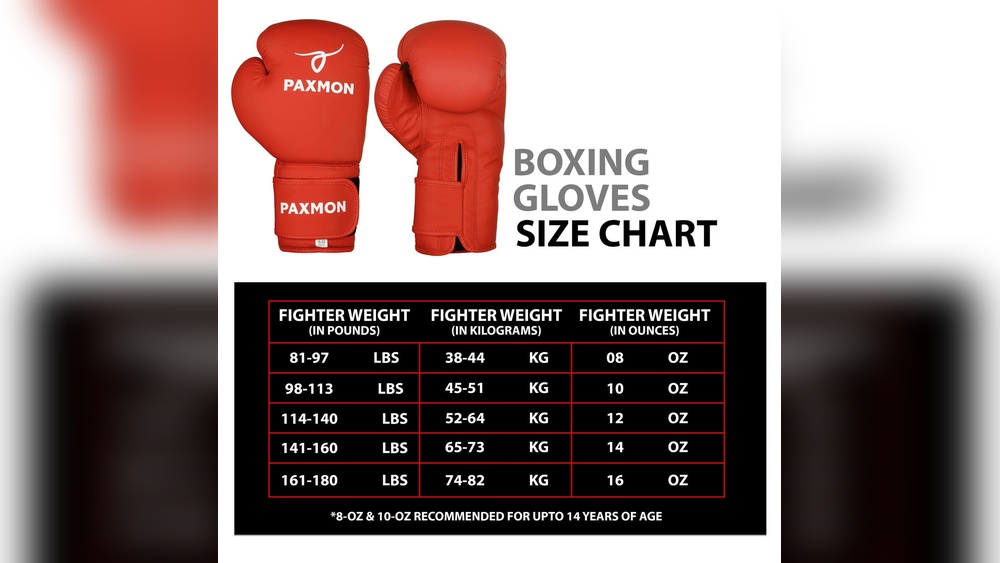
Boxing gloves typically come in 8 oz, 10 oz, 12 oz, 14 oz, and 16 oz sizes. Each size suits different uses and hand sizes.
8 oz and 10 oz gloves are often used in competition. They are lighter and allow faster punches. 12 oz and 14 oz gloves are popular for training and sparring. They offer more padding to protect both fighters.
16 oz gloves are the heaviest commonly used. These are best for intense training and sparring. They help build strength and reduce injury risk. Choosing the right size improves your performance and safety.
Choosing The Right Glove Size
Choosing the right boxing glove size is important for comfort and safety. Gloves that fit well protect your hands and wrists. They also help you train better and avoid injuries. Understanding glove sizes in ounces (oz) helps pick the right pair for your needs.
Factors That Affect Glove Size
Hand weight and size play a big role in choosing glove size. Heavier hands usually need larger gloves. Your body weight also matters. Bigger body weight often requires bigger gloves for better padding. The type of padding inside the glove affects size too. Some gloves feel bulkier but offer more protection.
Glove Size For Different Training Types
Training type changes glove size choice. For bag work, smaller gloves around 12 oz or 14 oz are common. They allow fast punches and good control. For sparring, bigger gloves like 16 oz are safer. They protect both you and your partner from hard hits. Competition gloves are usually lighter. They range from 8 oz to 10 oz for speed and power.
Measuring Your Hand For Gloves
Choosing the right boxing gloves starts with measuring your hand correctly. Proper measurement helps find gloves that fit well and protect your hands. Ill-fitting gloves can cause discomfort and reduce performance. Follow simple steps to measure your hand and match it to the correct glove size. This ensures safety and comfort during training or matches.
How To Measure Hand Weight And Size
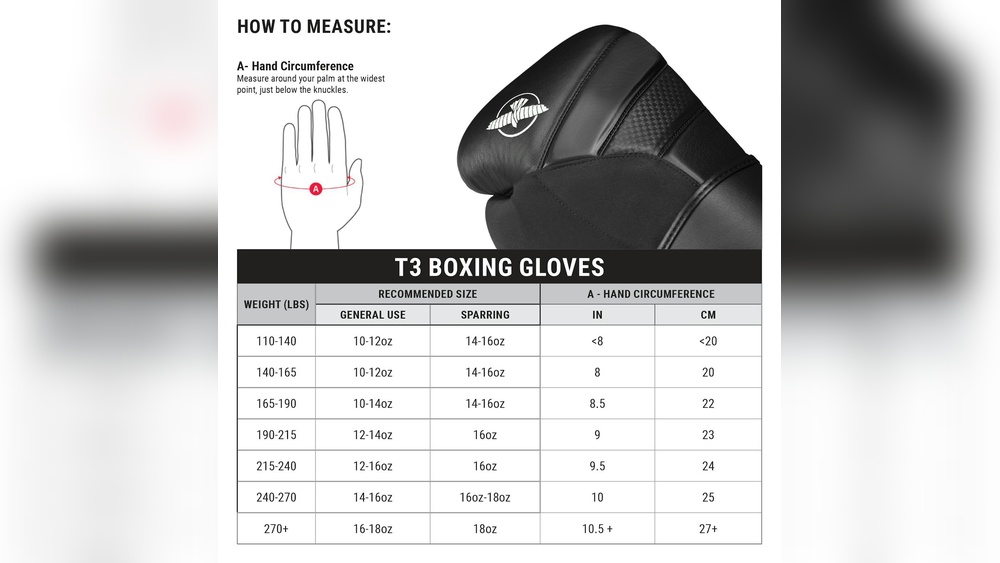
First, measure your hand size. Use a tape measure around your knuckles, excluding the thumb. Keep your hand flat and fingers together. Note the measurement in inches or centimeters. Next, consider your hand weight. Weigh your hand using a small scale or estimate based on your body weight. This helps determine the glove’s weight in ounces (oz). Gloves come in different oz sizes for various hand weights and training needs.
Matching Measurements To Oz Sizes
Use your hand size and weight to pick the right glove. Smaller hands usually need 8 oz or 10 oz gloves. Larger hands or those with more muscle mass may need 12 oz or 14 oz gloves. Beginners often choose 12 oz gloves for extra padding. Fighters in competition might prefer lighter gloves like 8 oz. Correct matching ensures better grip, protection, and comfort during boxing.
:format(jpeg)/f/115220/1244x700/b5324542a6/boxing-glove-ounces-explained-youtube-video.jpg)
Credit: blog.joinfightcamp.com
Impact Of Glove Weight On Performance
Boxing gloves come in different weights, measured in ounces (Oz). The glove weight affects how you perform in the ring. Choosing the right weight changes your speed, power, and protection. Understanding this impact helps you pick gloves that suit your style and needs.
Heavier gloves add more padding and protection. Lighter gloves allow faster hand movement and quicker punches. Finding the right balance is key for effective training and fighting.
Protection Vs. Speed Tradeoff
Heavier gloves offer better hand and wrist protection. They reduce the risk of injuries during training and fights. But, these gloves slow down your punches. Your hands feel heavier and less agile.
Lighter gloves increase hand speed. You can throw punches faster and move more freely. The downside is less padding and protection. Your hands and knuckles may take more impact.
Choosing glove weight depends on your goal. Use heavier gloves for sparring and safety. Choose lighter gloves for speed training and competition.
How Weight Influences Punch Power
Heavier gloves add weight to your punches. This can help build strength over time. But during a fight, heavier gloves may slow your punch impact.
Lighter gloves let you punch faster. Speed often increases the force behind a punch. Faster punches can cause more damage despite less padding.
Balancing weight helps improve overall punch power. Training with various glove weights improves both speed and strength. This balance is important for better boxing performance.
Glove Materials And Padding
Boxing gloves come in different weights, known as ounces (Oz). The glove materials and padding play a key role in the glove’s performance. These parts affect protection, comfort, and durability. Understanding them helps you choose the right gloves for training or fights.
Types Of Padding In Different Oz Gloves
Boxing gloves use foam padding or gel padding. Lighter gloves, like 8 Oz or 10 Oz, often have less foam. This makes them lighter and faster. Heavier gloves, such as 14 Oz or 16 Oz, have thicker foam layers. They offer more protection and shock absorption.
Gel padding adds extra cushioning. It spreads impact force better than foam alone. Some gloves combine foam and gel for better protection. The amount and type of padding vary with glove size and weight.
Durability And Comfort Considerations
High-quality materials last longer and feel better on the hands. Leather gloves usually last more than synthetic ones. Synthetic gloves may cost less but wear out faster. The padding should keep its shape after many uses.
Comfort depends on the glove’s fit and padding softness. Too hard padding can hurt your hands. Too soft padding may not protect well. Gloves with good ventilation keep hands dry and comfortable during workouts.

Credit: www.proboxingequipment.com
Tips For Trying On Boxing Gloves
Trying on boxing gloves is important for comfort and safety. Gloves that fit well protect your hands and wrists. You feel confident and can train better. Follow these tips to find the right gloves for you.
What To Look For In A Perfect Fit
Choose gloves that feel snug but not tight. Your fingers should move slightly inside. The gloves must cover your knuckles fully. Wrist support is key to avoid injuries. Check the glove’s padding for even thickness. The weight of gloves affects your speed and power. Pick the right weight for your training needs. Try gloves on with hand wraps for a true fit.
Common Fit Issues And Fixes
Gloves too loose can cause slipping and blisters. Use tighter wrist straps or smaller gloves. Gloves too tight may cut off circulation. Try a larger size or gloves with softer padding. Padding that feels uneven can hurt your hands. Test several brands for better comfort. If wrists feel weak, select gloves with stronger wrist support. Always test gloves before buying to avoid problems.
Maintaining And Caring For Gloves
Taking good care of your boxing gloves helps them last longer. Gloves face sweat, dirt, and wear every time you train. Proper maintenance keeps them clean and comfortable. It also protects the materials inside. Regular care prevents bad smells and damage.
Simple steps can keep gloves fresh and strong. Cleaning and storing gloves the right way makes a big difference. Follow easy habits to protect your gloves after every use.
Cleaning Tips For Longevity
Wipe gloves with a damp cloth after each session. Use mild soap and water for deeper cleaning. Avoid soaking gloves in water. Let gloves air dry completely before storing. Do not use a dryer or direct sunlight. Use glove deodorizer or baking soda to reduce odor. Clean gloves regularly to stop bacteria and fungus growth.
Proper Storage Practices
Store gloves in a cool, dry place with good air flow. Avoid leaving gloves in your gym bag or car. Keep gloves away from heat and moisture. Use a mesh bag or open container for storage. Stuff gloves with paper towels to keep shape. Rotate gloves if you have more than one pair. Proper storage stops mold and keeps gloves soft.

Credit: www.centromedicoloira.com
Frequently Asked Questions
What Does “oz” Mean In Boxing Gloves?
“Oz” stands for ounces and measures the glove’s weight. It reflects padding thickness and protection level. Higher ounces mean more padding and protection but less speed. Lower ounces offer less padding but more mobility and power.
How To Choose The Right Glove Size In Oz?
Choose glove size based on your weight, training type, and comfort. Lighter gloves (8-10 Oz) suit competition. Heavier gloves (12-16 Oz) are ideal for training and sparring. Always prioritize fit and protection over size alone.
Why Do Glove Weights Vary Between Brands?
Different brands may use varied padding materials and designs. This affects the glove’s overall weight and feel. Always check the actual Oz label and try gloves to find your best match.
Are Heavier Gloves Better For Training?
Yes, heavier gloves provide more padding, reducing injury risk during training. They improve endurance and strength by adding resistance. However, they can slow hand speed compared to lighter gloves.
Conclusion
Boxing gloves come in different ounces or “oz” to fit your needs. The weight affects protection and speed during training or fights. Lighter gloves help with faster punches but offer less padding. Heavier gloves provide more protection but can slow you down.
Choosing the right oz helps you train safely and improve skills. Always pick gloves that feel comfortable and match your activity. Understanding glove weights makes your boxing experience better and safer. Keep this in mind when selecting your next pair.