Are you looking for a workout that fits your busy schedule and delivers real results? Dumbbell workouts might be exactly what you need.
They are simple, flexible, and can target every muscle in your body. But how effective are they really? If you want to build strength, burn fat, or improve your overall fitness, understanding the true power of dumbbell exercises can change the way you train.
Keep reading to discover how dumbbell workouts can help you reach your goals faster and smarter.

Credit: darebee.com
Benefits Of Dumbbell Workouts
Dumbbell workouts offer many benefits for fitness enthusiasts. They help build strength, improve muscle tone, and increase overall fitness. Using dumbbells engages multiple muscles and joints, making exercises more effective. Dumbbells also allow for natural movement patterns, which reduce the risk of injury. The following sections explain some key benefits of dumbbell workouts.
Improved Muscle Activation
Dumbbells require more muscle control than machines. Each arm works independently, activating smaller stabilizing muscles. This leads to better muscle balance and coordination. Dumbbells also engage core muscles to keep the body stable. This improves overall muscle strength and body control.
Enhanced Range Of Motion
Dumbbells allow a wider range of motion than barbells or machines. This helps stretch muscles fully and improves flexibility. A greater range of motion leads to better muscle growth and joint health. It also reduces stiffness and increases mobility.
Versatility And Convenience
Dumbbells can be used for many exercises targeting all body parts. They fit in small spaces and are easy to store. Dumbbell workouts can be done at home or in the gym. This flexibility makes it simple to stay consistent with exercise.

Credit: www.amazon.com
Key Dumbbell Exercises For Strength
Dumbbell exercises build real strength using simple movements. These exercises target many muscles with just one tool. You can train your whole body. Dumbbells allow controlled, natural motions. You also improve balance and coordination.
Focus on key moves for chest, shoulders, back, arms, legs, and core. These exercises work well alone or combined. They help increase muscle size and endurance. Use proper form and start with light weights. Gradually increase weight as you gain strength.
Chest And Shoulder Moves
Chest presses with dumbbells strengthen the chest muscles. They also work the shoulders and triceps. Dumbbell flyes open the chest and improve flexibility. Shoulder presses target the deltoids for broad shoulders. Front raises and lateral raises isolate shoulder muscles. These moves help build strong, stable shoulders.
Back And Arm Workouts
Dumbbell rows are great for back strength. They engage the upper and middle back muscles. Bicep curls focus on the front arm muscles. Tricep kickbacks and extensions work the back of the arms. These exercises improve arm tone and strength. Strong arms and back support good posture.
Leg And Core Training
Dumbbell squats strengthen thighs, hips, and glutes. Lunges build leg muscles and balance. Deadlifts target hamstrings, glutes, and lower back. Core exercises like Russian twists and side bends improve stability. Strong legs and core support overall body strength. Use dumbbells to add resistance and challenge.
Maximizing Results With Proper Form
Maximizing results with proper form is key to effective dumbbell workouts. Correct form helps target muscles better and reduces injury risk. It also improves workout efficiency and builds strength evenly. Paying attention to body position and movement is essential for success.
Common Mistakes To Avoid
Many people swing the dumbbells too fast. This reduces muscle engagement and can cause strain. Avoid locking your joints during lifts. Keep your back straight, not rounded or arched. Do not use weights too heavy to control. These errors limit progress and increase injury chances.
Tips For Safe Lifting
Start with light weights to learn the motion. Breathe out while lifting and in while lowering. Keep your core tight and stable. Move slowly and with control, not jerking or bouncing. Use a mirror or record yourself to check form. Rest between sets to recover properly.
Progressive Overload Techniques
Increase weights gradually to challenge muscles. Add more repetitions or sets over time. Change exercise angles to hit muscles differently. Use slower tempo for more muscle tension. Track progress to avoid plateaus. Small, steady increases improve strength and size safely.
Creating Effective Dumbbell Routines
Creating effective dumbbell routines helps you build strength and tone muscles efficiently. Dumbbells offer flexibility and variety for all fitness levels. Proper routines target different muscle groups for balanced growth and better results.
Designing your workout depends on your goals, time, and fitness level. You can focus on full-body workouts or split training plans. Combining dumbbells with other equipment adds intensity and variety to your sessions.
Full-body Workouts
Full-body workouts use dumbbells to work all major muscle groups. These routines save time and improve overall fitness. You can include exercises like squats, presses, rows, and curls. Full-body sessions help burn calories and build strength evenly.
Perform 2-3 sets of 8-12 reps for each exercise. Rest for 30-60 seconds between sets. This approach suits beginners and those with limited workout time.
Split Training Plans
Split training divides workouts by muscle groups or body parts. It allows focused training and better recovery. For example, one day for upper body, another for lower body.
Use dumbbells to target specific muscles like biceps, triceps, or legs. Do 3-4 sets with 8-15 reps per exercise. Split plans work well for intermediate and advanced exercisers.
Combining With Other Equipment
Mix dumbbells with equipment like resistance bands, kettlebells, or machines. This boosts workout variety and challenges muscles differently. It prevents boredom and plateaus in progress.
Try pairing dumbbell presses with band pull-aparts or kettlebell swings. This combination enhances strength, endurance, and coordination. Use lighter weights for complex movements to maintain good form.
Tracking Progress And Staying Motivated
Tracking progress and staying motivated are key parts of any dumbbell workout plan. Seeing results helps keep you going. Without tracking, it is easy to lose focus or stop. Motivation often drops when you don’t notice changes. Simple tools and clear goals make a big difference. They help you measure success and push yourself safely. Below are ways to track your progress and stay inspired.
Setting Realistic Goals
Set goals that match your fitness level and time. Small goals are easier to reach and build confidence. For example, aim to lift a little more weight each week. Or plan to do more reps in each set. Realistic goals prevent frustration and keep you focused. Write your goals down. Review them often to remind yourself what you want to achieve.
Using Workout Logs
Keep a workout log to record your exercises and weights. Write down the number of sets and reps completed. This helps you see improvements over days and weeks. Logs also show if you need to change your routine. Using a notebook or a fitness app works well. Checking your log motivates you to keep going and improve.
Incorporating Rest And Recovery
Rest days are as important as workout days. Muscles need time to repair and grow stronger. Without rest, you risk injury and burnout. Plan rest days after hard workouts. Use these days for light activity or stretching. Good sleep also supports recovery and energy. Balance workout and rest to maintain progress and motivation.
Comparing Dumbbells With Other Equipment
Dumbbell workouts offer unique benefits compared to other gym equipment. Choosing the right tool can improve your strength training results. Understanding the differences helps you decide what fits your goals and lifestyle. Below, we compare dumbbells with barbells and machines.
Dumbbells Vs Barbells
Dumbbells allow more freedom of movement. Each arm works independently. This helps fix muscle imbalances. Barbells are better for lifting heavy weights. They provide more stability and control. Dumbbells improve balance and coordination. Barbells help build maximum strength quickly.
Dumbbells Vs Machines
Machines guide your motion along fixed paths. This reduces the risk of injury for beginners. Dumbbells require more muscle control and stability. They engage more muscles during each exercise. Machines isolate specific muscles well. Dumbbells offer a natural range of motion.
When To Choose Dumbbells
Pick dumbbells for versatile workouts. They suit home gyms and small spaces. Use them to improve muscle balance and coordination. Dumbbells are ideal for functional strength training. Choose them when you want variety in exercises. They work well for both beginners and advanced lifters.
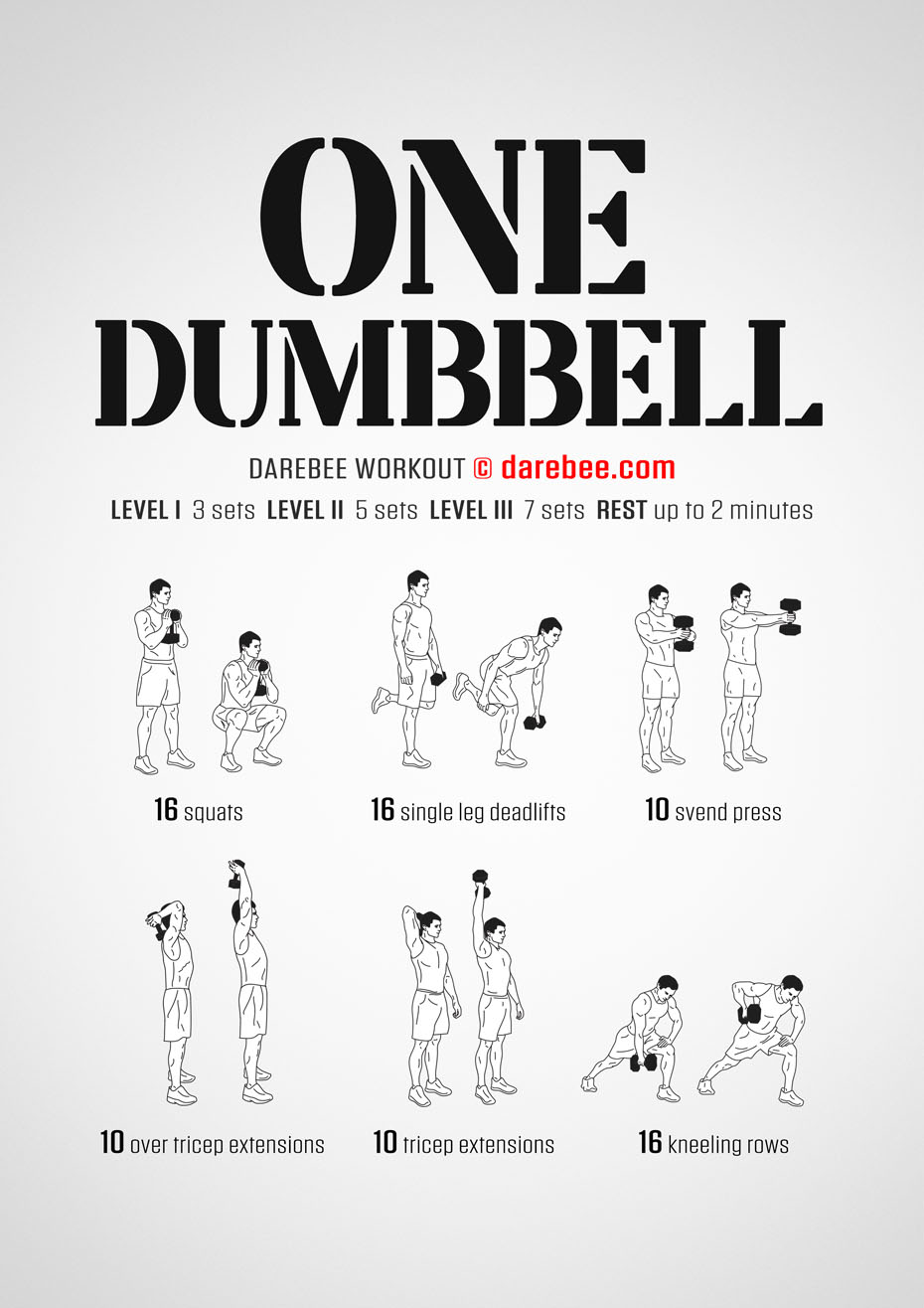
Credit: darebee.com
Frequently Asked Questions
How Effective Are Dumbbell Workouts For Muscle Building?
Dumbbell workouts effectively build muscle by allowing targeted, isolated movements. They promote muscle balance and engage stabilizer muscles, enhancing overall strength and size.
Can Dumbbell Workouts Improve Strength And Endurance?
Yes, dumbbell workouts boost both strength and endurance. They offer resistance training that challenges muscles, improving power and stamina over time with consistent practice.
Are Dumbbell Exercises Suitable For Beginners?
Dumbbell exercises are ideal for beginners. They provide adjustable resistance, promote proper form, and reduce injury risk while building foundational strength and coordination.
How Do Dumbbell Workouts Compare To Barbell Training?
Dumbbells offer greater range of motion and muscle activation. They improve balance and joint stability, while barbells typically allow heavier lifting for maximal strength gains.
Conclusion
Dumbbell workouts build strength and improve muscle tone effectively. They fit well into busy schedules and small spaces. You can target many body parts with just one tool. Adjusting weights lets you challenge yourself safely over time. Consistency matters most for seeing real fitness progress.
Simple, flexible, and efficient—dumbbells make exercise accessible for many. Give them a try to boost your health and energy. Results come with effort and regular practice, no shortcuts. Your body will thank you for moving and growing stronger.