When you’re choosing a bike lock, one question probably pops into your mind: How much does a bike lock weigh? You want something strong enough to protect your bike, but not so heavy that it slows you down or weighs you down during your ride.
Finding the right balance is key. You’ll discover exactly how bike lock weight affects your ride, what to consider before buying, and tips to pick the perfect lock that fits your needs. Keep reading to make sure your bike stays safe without adding unnecessary bulk to your journey.
Factors Influencing Bike Lock Weight
The weight of a bike lock depends on several key factors. These factors affect how heavy or light the lock feels. Knowing them helps pick the right lock for your needs. Weight matters because it influences portability and security level. Some locks are easy to carry but less secure. Others are heavy but offer strong protection.
Material Types And Their Impact
Bike locks come in different materials. Steel is common and adds heavy weight. Hardened steel is stronger but heavier. Aluminum is lighter but less secure. Some locks use a mix of metals. Plastic or rubber covers add small weight. Material choice affects lock strength and total weight.
Lock Design Variations
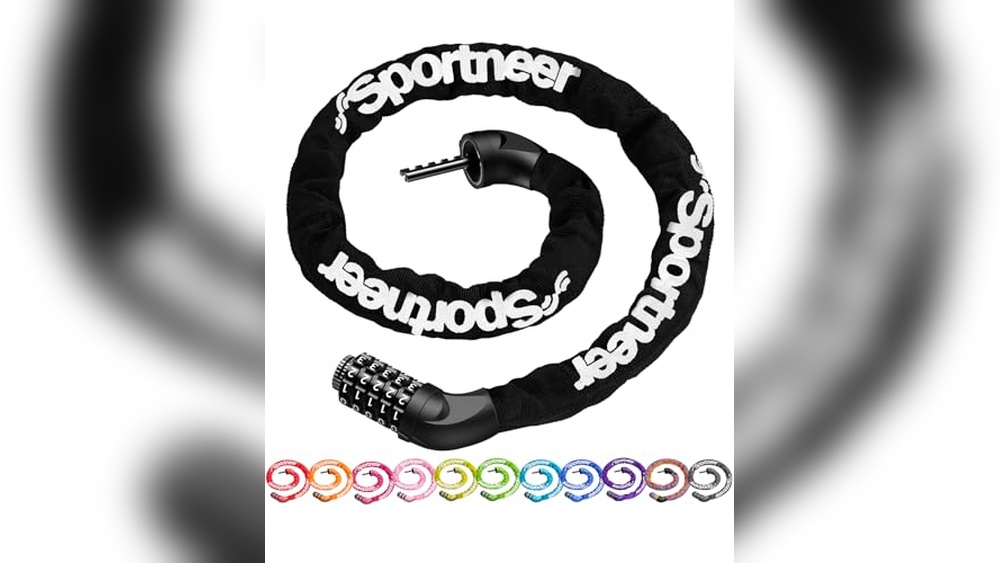
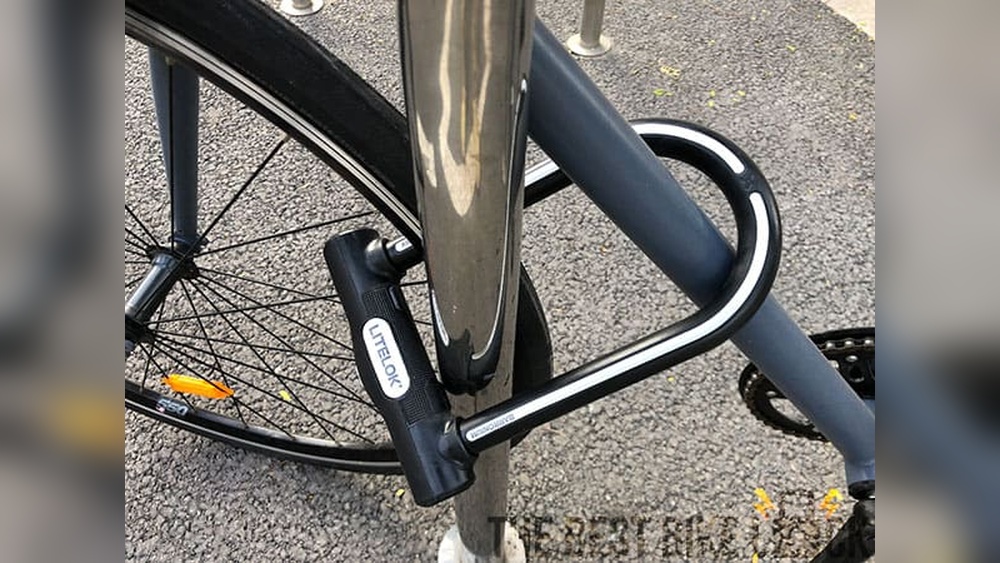
Lock shape and size change the weight. U-locks are thick and heavy. Chain locks vary by link size and length. Folding locks have multiple parts and weigh more. Cable locks are thin and light but less secure. Design affects both how much the lock weighs and how easy it is to carry.
Security Features Adding Weight
Extra security parts increase lock weight. Double locking mechanisms add metal parts. Anti-theft pins and hardened bolts add bulk. Some locks have thick shackle or chain links. Built-in alarms or electronic parts also add weight. More security usually means a heavier lock.

Credit: thebestbikelock.com
Common Bike Lock Weight Ranges
Bike locks come in different weights to fit various needs. Choosing the right weight depends on your priorities. Some riders want light locks for easy carrying. Others want heavier locks for better security. Understanding common weight ranges helps you pick the best lock.
Lightweight Locks For Portability
Lightweight bike locks usually weigh under 2 pounds. They are easy to carry during rides. Ideal for short stops or low-risk areas. Common types include cable and small U-locks. These locks offer basic protection and convenience.
Midweight Locks For Balance
Midweight locks weigh between 2 and 4 pounds. They provide a good mix of security and portability. Often, these are thicker U-locks or chain locks. Suitable for daily riders who want moderate security. They are still manageable to carry on a bike.
Heavyweight Locks For Maximum Security
Heavyweight locks weigh over 4 pounds. These locks use strong materials like hardened steel. Great for high-risk areas or long parking times. They can be bulkier and harder to carry. Best for riders who prioritize security over weight.
Choosing The Right Weight For Your Needs
Choosing the right weight for your bike lock is important. The lock must be strong enough to protect your bike. At the same time, it should be easy to carry. Finding the right balance helps keep your bike safe and your ride comfortable.
Assessing Your Security Requirements
Think about where you park your bike. High-risk areas need heavier, stronger locks. Low-risk places may allow lighter locks. Consider how long your bike will be left unattended. The longer the time, the better the lock should be. Match the lock weight to the level of security you need.
Considering Bike Type And Usage
Heavy locks work well for expensive or high-end bikes. Light locks fit better with casual or city bikes. If you use your bike daily, a lighter lock is easier to carry. For occasional rides, a heavier lock adds extra protection. Choose a lock weight that fits your bike style and how you use it.
Weighing Portability Against Protection
Heavy locks offer strong protection but can be hard to carry. Light locks are easy to carry but may not stop all thieves. Think about your daily routine. If you walk or take public transport, lighter locks are better. If you park in risky spots, choose heavier locks for safety. Balance weight and protection for your best choice.

Credit: www.bicycling.com
Tips To Manage Lock Weight Effectively
Managing the weight of a bike lock is important for every cyclist. A heavy lock can make rides less comfortable and slow you down. Smart choices help carry your lock without extra strain. You can protect your bike and keep your ride light.
Carrying Solutions For Heavy Locks
Use a lock holder attached to your bike frame. This keeps the lock off your back and hands. Backpacks with lock compartments work well too. Some cyclists use saddle bags to carry locks. These options spread the weight evenly and reduce discomfort.
Combining Locks For Better Security
Use two lighter locks instead of one heavy lock. This method can increase security and reduce weight. A cable lock plus a U-lock is a good combo. You can lock the frame with one and wheels with the other. This way, your bike stays safe, and you carry less weight.
Maintenance To Avoid Extra Weight
Keep your lock clean and rust-free. Dirt and rust can add extra weight and make the lock hard to use. Use oil to keep the lock mechanism smooth. Regular maintenance keeps your lock light and easy to handle. A well-kept lock lasts longer and stays reliable.
Popular Bike Locks And Their Weights
Choosing the right bike lock depends on its weight and security. Different locks have different weights. Knowing these weights helps you pick a lock that fits your needs and comfort.
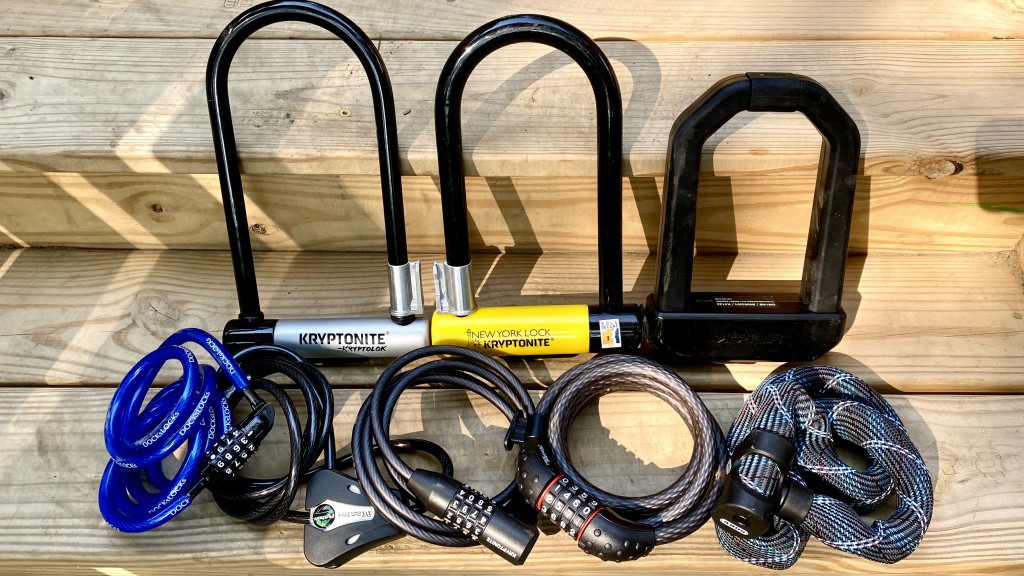
Below is a breakdown of popular bike locks and their weights. This guide covers U-locks, chain locks, and folding locks. It helps you understand the weight range of each type.
U-locks Weight Comparison
U-locks are popular for their strong security. Most U-locks weigh between 1.5 to 3.5 pounds (700 to 1600 grams). Heavy U-locks offer better protection but add more weight to carry. Lighter U-locks are easier to carry but may be less secure. Many cyclists choose U-locks near 2.5 pounds (1100 grams) as a balance.
Chain Locks Weight Overview
Chain locks are versatile and tough. Their weight ranges from 2 to 5 pounds (900 to 2300 grams). Longer and thicker chains weigh more. Chains with heavy-duty links provide strong protection but are heavier to carry. Some chains come with fabric covers to protect the bike paint. Cyclists who park in risky areas often pick heavier chains.
Folding Locks Weight Summary
Folding locks are compact and flexible. They usually weigh between 1.5 and 2.5 pounds (700 to 1100 grams). Folding locks fold into a small size for easy transport. They offer moderate security and are lighter than most chain locks. Many riders use folding locks for quick stops and light security needs.
Credit: www.outdoorgearlab.com
Frequently Asked Questions
What Is The Average Weight Of A Bike Lock?
The average bike lock weighs between 1. 5 to 5 pounds. Weight varies by type and security level. Heavier locks usually offer better protection but can be less portable.
How Does Bike Lock Weight Affect Portability?
Heavier bike locks are harder to carry during rides. Lighter locks increase convenience but may compromise security. Choose a lock weight that balances safety and ease of transport.
Do Heavier Bike Locks Provide Better Security?
Generally, yes. Heavier locks often use stronger materials and thicker chains or bars. However, lock design and quality also play crucial roles in security.
What Types Of Bike Locks Weigh The Least?
Cable locks and folding locks usually weigh less than U-locks or chain locks. They offer moderate security but excel in portability and ease of use.
Conclusion
Bike lock weight varies depending on type and security level. Heavier locks offer more protection but can be less convenient. Lighter locks are easier to carry but may be less secure. Think about how often and where you park your bike.
Choose a lock that fits your needs and comfort. Balancing weight and security helps keep your bike safe. Remember, the best lock is one you will use every time.