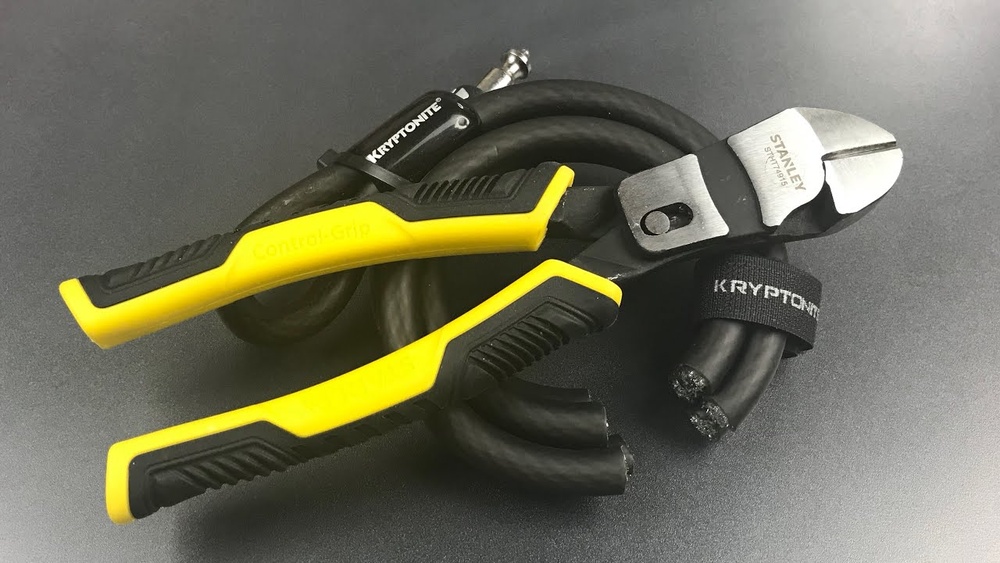
Have you ever worried about leaving your bike unattended? A strong, reliable bike lock is your best defense against theft.
But what if you could create your own lock tailored to your needs? In this guide, you’ll discover simple steps to build a bike lock that keeps your ride safe and gives you peace of mind. Keep reading, and you’ll learn how to protect your bike smarter and easier than ever before.
Choosing Materials
Choosing the right materials is key to making a strong bike lock. The materials affect how safe and long-lasting the lock will be. Good materials stop thieves and resist weather damage. Focus on metals, coatings, and lock parts. Each part must be tough and reliable.
Selecting Strong Metals
Strong metals keep your bike safe from cutting or breaking. Steel is a top choice because it is hard and resists cutting. Hardened steel is even better for bike locks. Avoid soft metals like aluminum. They can break easily. Look for metals that resist rust. Rust weakens the lock over time.
Choosing Durable Coatings
Coatings protect the metal from rain and scratches. A good coating stops rust and keeps the lock working well. Plastic or rubber coatings also protect your bike’s paint. Choose coatings that do not crack or peel. A durable coating lasts longer in sun and rain. It makes the lock easier to handle.
Finding Reliable Lock Mechanisms
The lock mechanism is the heart of the bike lock. It must be hard to pick or break. Look for locks with solid keys or combination dials. Avoid cheap locks with flimsy parts. Reliable mechanisms work smoothly and stay secure over time. Test the lock before buying or making it.
Essential Tools
Creating a bike lock requires some basic tools. These tools help you cut, shape, and put together the parts properly. Having the right tools makes your work easier and safer.
Focus on tools that fit the materials you use. Quality tools give better results and last longer. Safety gear is just as important to protect yourself while working.
Cutting And Shaping Tools
Start with strong wire cutters or a hacksaw to cut metal pieces. A metal file smooths sharp edges after cutting. You might also need pliers to bend wires and hold small parts firmly.
Assembly Equipment
Screwdrivers help tighten screws and bolts in the lock. A small wrench can adjust nuts and bolts. A drill with metal bits makes holes for mounting parts securely.
Safety Gear
Wear safety goggles to protect your eyes from metal shards. Use gloves to avoid cuts and burns from sharp edges. A dust mask keeps you safe from tiny metal dust particles while working.
Designing Your Lock
Designing your bike lock is a key step. It shapes how safe your bike will be. A good design fits your bike and use. It also keeps thieves away. Start with simple ideas. Then add strong features. Think about your bike and where you park it. This helps create the best lock for you.
Simple Lock Types
Begin with easy lock styles. Cable locks are light and flexible. They wrap around the bike frame. Chain locks are heavy but strong. U-locks are solid and hard to cut. Choose one that suits your daily needs. Simple locks work well for short stops. They are easy to carry and use.
Customizing For Your Bike
Match the lock to your bike size. A small lock fits small bikes better. Big locks protect large bikes well. Think about the frame shape. The lock should fit snugly and not scratch. Color or style can match your bike look. Custom touches make your lock unique. This also makes it easier to spot your bike.
Security Features To Include
Strong materials resist cutting and breaking. Hardened steel is a good choice. Thick cables or chains add safety. Look for locks with double locking points. This stops thieves from forcing it open. Use a lock with a secure key or combination. Weather resistance helps lock last longer. These features keep your bike safe in many places.

Credit: transportation.stanford.edu
Step-by-step Assembly
Building a bike lock can seem hard. Breaking it down into clear steps makes it easy to follow. This section guides you through the assembly process. Each step focuses on one part. Take your time and follow along.
Preparing The Components
Gather all parts before starting. Check the lock body, shackle, and locking mechanism. Clean each piece to remove dust or grease. Make sure all parts fit together well. Organize tools nearby. This saves time during assembly.
Assembling The Lock Body
Start by attaching the shackle to the lock body. Align the ends of the shackle with the holes on the body. Push the shackle in gently until it fits snugly. Avoid forcing parts to prevent damage. Check that the shackle moves freely.
Installing The Lock Mechanism
Insert the locking mechanism inside the lock body. Align it carefully with the shackle ends. Secure the mechanism with screws or clips provided. Test the lock by turning the key or dial. Ensure it locks and unlocks smoothly. Adjust if necessary for a tight fit.
Testing Security
Testing the security of your bike lock is a vital step. It ensures your lock can protect your bike from theft. Testing helps find weak points and areas to improve. This process involves checking the lock’s strength, how well it works, and making needed changes.
Strength And Durability Tests
Start by applying pressure to the lock. Use tools like pliers or a hammer to simulate attacks. See if the lock bends, breaks, or stays firm. Test the lock in different weather conditions. This shows if rust or cold affects its strength. Repeat tests several times to confirm results.
Lock Functionality Checks
Check how smoothly the lock opens and closes. Insert and turn the key or use the combination several times. Look for any sticking or jamming. Test the lock’s mechanism under stress. Make sure it locks securely and does not open easily.
Adjustments For Improvement
Note any problems found during testing. Tighten loose parts or replace weak materials. Lubricate moving parts to improve function. Consider redesigning parts that fail strength tests. Test again after making changes to confirm improvements.

Credit: transportation.ucdavis.edu
Maintenance Tips
Proper care keeps your bike lock working well for a long time. Small actions help avoid problems and keep your lock safe. Regular checks and cleaning make sure it stays strong and easy to use.
Cleaning And Lubricating
Clean your bike lock often to remove dirt and dust. Use a soft cloth and mild soap with water. Avoid harsh chemicals that can damage the lock’s surface. Dry it well before using any lubricant.
Apply a small amount of lubricant to the keyhole and moving parts. Use a lubricant made for locks or bike parts. This helps the lock work smoothly and stops rust from forming. Wipe off extra oil to keep dirt away.
Inspecting For Wear
Check your bike lock regularly for signs of damage. Look for cracks, rust, or bent parts. Test the key and locking mechanism to see if they work well. Replace the lock if it shows serious wear or does not close securely.
Storing Properly
Store your bike lock in a dry place to avoid rust. Keep it away from rain and moisture when not in use. Avoid leaving the lock on the bike for long times if you won’t ride. Proper storage helps keep the lock strong and ready to use.
Additional Security Ideas
Adding more layers of security can help protect your bike better. Simple locks may stop some thieves, but extra steps make theft less likely. These ideas work well with a basic bike lock.
Small changes can make a big difference in keeping your bike safe. Use these tips to make your bike harder to steal.
Using Alarms And Sensors
Bike alarms are small devices that make loud sounds if someone moves your bike. This noise can scare off thieves quickly. Sensors can detect motion or vibration. They alert you or nearby people when your bike is touched. Many alarms are easy to install and use batteries. These devices add a strong warning to stop theft.
Combining Locks
Use more than one lock to increase security. A heavy chain lock with a U-lock works well. One lock secures the frame, another locks the wheels. Thieves find it harder to break two different locks. This method adds time and effort to steal your bike. Choose locks with different types of keys or codes. Multiple locks confuse and slow down thieves.
Registering Your Bike
Register your bike with local or online databases. This helps police identify your bike if stolen. Some programs offer ID stickers or QR codes for your bike. Registration shows ownership and can return your bike faster. Write down your bike’s serial number and take photos. These records support your claim if theft happens. Registration is a simple step that improves bike security.
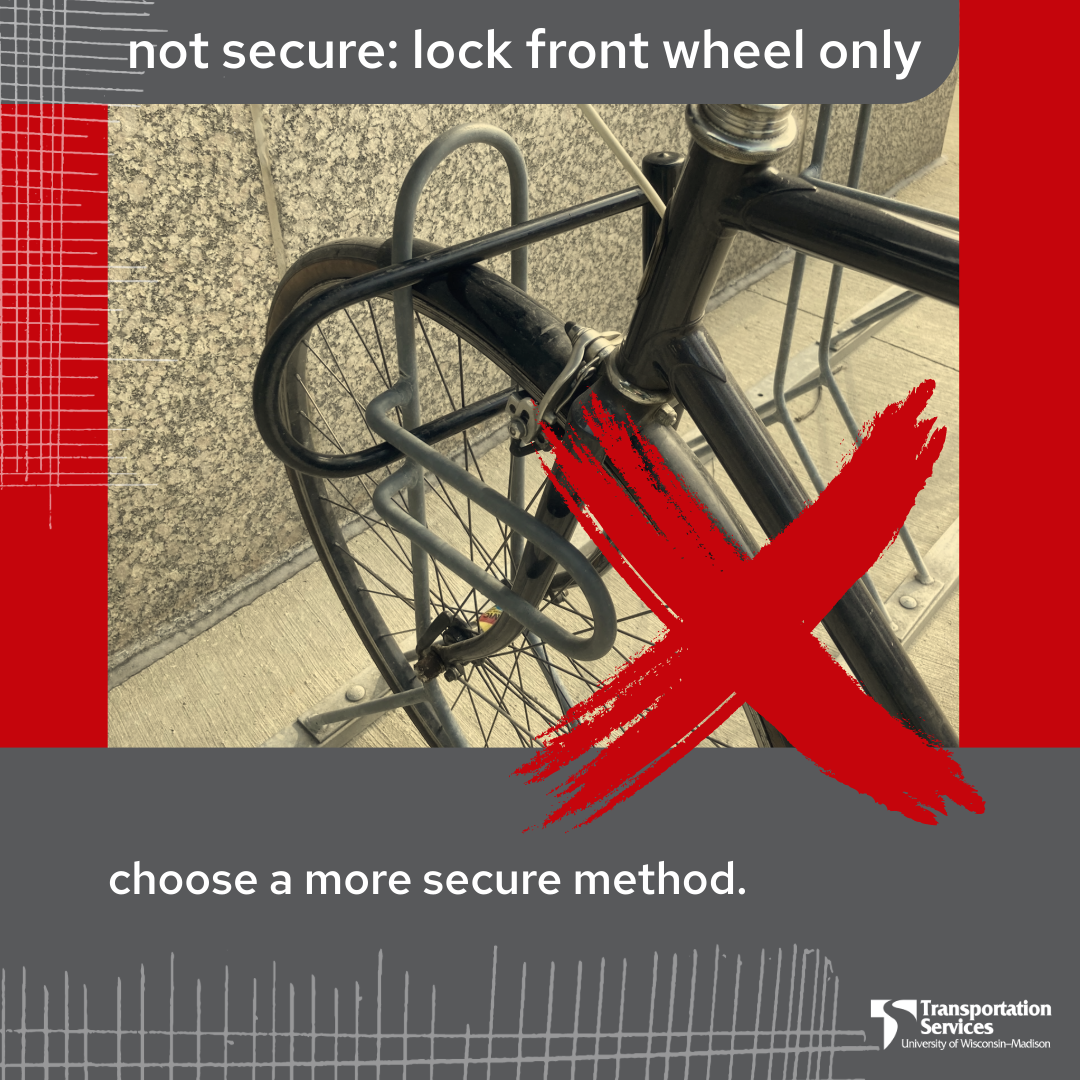
Credit: transportation.wisc.edu
Frequently Asked Questions
What Materials Do I Need To Create A Bike Lock?
To create a bike lock, you need a sturdy chain, a lock mechanism, protective tubing, and basic tools like pliers. Choose materials that resist cutting and weather damage to ensure security and durability for your homemade bike lock.
How Can I Make My Bike Lock More Secure?
Use a thick, hardened steel chain and a high-quality lock mechanism. Cover the chain with protective tubing to prevent scratches and add extra weather resistance. Properly securing your lock to immovable objects also enhances bike security effectively.
Is Making A Diy Bike Lock Cost-effective?
Yes, making a DIY bike lock can be cost-effective. Buying raw materials may be cheaper than purchasing commercial locks. However, ensure the lock’s quality and security meet your needs to protect your bike adequately.
Can I Use Household Items To Create A Bike Lock?
Some household items like old chains or cables can be repurposed, but they may lack strength. For better security, use materials designed for locks. Always prioritize safety over convenience when choosing materials for your bike lock.
Conclusion
Creating your own bike lock can save money and add security. Choose strong materials and a simple design. Test the lock to ensure it works well. Keep your bike safe by locking it properly every time. Making a bike lock yourself gives you control over its strength.
This project is easy and helps you understand bike security better. Try building a lock today and protect your bike with confidence.