Are you wondering if dumbbell shrugs can really build your back muscles? You’re not alone.
Many people use shrugs mainly to target their traps, but what about the rest of your back? If you want to know how effective dumbbell shrugs are for your overall back strength and shape, keep reading. This article will clear up the confusion and help you decide if shrugs belong in your workout routine.
By the end, you’ll understand exactly what dumbbell shrugs do for your back—and how to get the most out of them.

Credit: braingain.fit
Muscles Targeted By Dumbbell Shrugs
Dumbbell shrugs focus on specific muscles in the upper body. These muscles help with lifting and moving your shoulders. Understanding which muscles work helps improve your workout and avoid injury.
This exercise mainly targets the shoulder and neck area. It also involves other muscles that support shoulder movement and stability.
Primary Muscle Activation
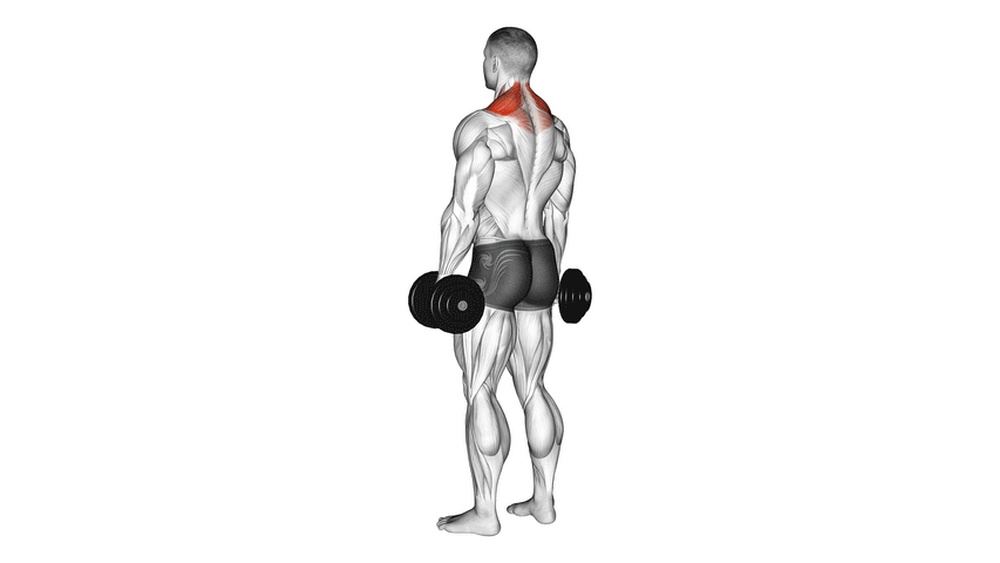
The main muscle worked during dumbbell shrugs is the trapezius. This large muscle covers the upper back and neck. It helps lift the shoulders upward. Strong traps improve posture and shoulder strength. Shrugs are one of the best ways to build this muscle quickly.
Secondary Muscle Engagement
Besides the traps, dumbbell shrugs engage other muscles too. The levator scapulae assists in lifting the shoulder blades. The rhomboids help stabilize the shoulder blades. Forearm muscles work to hold the dumbbells tightly. These muscles support the main movement and improve overall shoulder control.

Credit: www.youtube.com
Effectiveness Of Dumbbell Shrugs For Back Development
Dumbbell shrugs target the muscles around the neck and upper back. They mainly work the trapezius muscles. These muscles help lift and move the shoulder blades.
Many people wonder if dumbbell shrugs help build the whole back. The truth is, they focus on a small part of the upper back. They do not work the larger back muscles well.
Using dumbbell shrugs can improve posture and shoulder strength. They also help with neck stability. But for full back development, other exercises are needed.
Impact On Trapezius Muscle
Dumbbell shrugs directly target the trapezius muscle. This muscle covers the upper back and neck area. Shrugs make the trapezius contract and grow stronger.
The movement lifts the shoulders upward. This action stresses the trapezius and helps build size and strength. Over time, the trapezius becomes thicker and more defined.
Strong trapezius muscles support heavy lifting and reduce neck pain. Dumbbell shrugs are simple but effective for this muscle.
Influence On Upper Back Strength
Dumbbell shrugs help increase upper back strength. They improve the ability to hold the shoulders steady. This support helps in other lifts like rows and deadlifts.
However, shrugs do not work the middle or lower back muscles much. Those muscles need pulling and rowing exercises. Shrugs mainly help the very top of the back.
Including shrugs in a workout routine adds balance. They build a strong base for upper back stability and power.
Common Mistakes With Dumbbell Shrugs
Dumbbell shrugs target the upper traps, but many people make mistakes during the exercise. These errors reduce effectiveness and raise injury risk. Knowing common mistakes helps you get better results and avoid problems.
Incorrect Form Risks
Many lifters use too much weight and jerk their shoulders upward. This poor form strains the neck and traps. Shrugging with bent arms shifts focus away from traps. Rolling shoulders can cause joint pain and injury. Proper form means lifting straight up and down slowly.
Limitations In Muscle Engagement
Using dumbbells limits the range of motion compared to a barbell. This reduces muscle activation in traps and surrounding muscles. Holding dumbbells too tightly can tense forearms and reduce trap focus. Lack of control in movement lowers workout quality. Controlled, steady shrugs maximize trap engagement and growth.
Enhancing Back Muscle Growth With Shrugs
Dumbbell shrugs target the upper back muscles, mainly the traps. These muscles support neck and shoulder movement. Shrugs help build thicker, stronger traps. This adds to overall back muscle size and shape. Shrugs also improve posture by strengthening key back areas.
Using shrugs regularly can enhance the back’s upper part. They focus on muscles that other back exercises might miss. This makes shrugs a useful addition to back workouts. Proper form and weight choice are essential for best results.
Optimal Weight And Repetitions
Choose a weight that challenges your traps without straining. Start with moderate dumbbells to learn the movement. Perform 3 to 4 sets of 10 to 15 repetitions. Focus on slow, controlled lifts and lowers. Avoid using momentum to lift the weights. Proper control ensures muscle engagement and growth.
Combining Shrugs With Other Exercises
Mix shrugs with exercises like rows and pull-ups. These target different back muscles for balanced strength. Deadlifts also complement shrugs by working the entire back. Combining exercises prevents muscle imbalances and supports growth. Train traps twice a week with varied movements for best gains.
Alternative Exercises For Back Muscles
Building strong back muscles requires variety in your workout routine. Dumbbell shrugs target the upper traps but may not fully engage the entire back. Exploring alternative exercises helps balance strength and shape. These options focus on different parts of the back for better results.
Barbell Shrugs Vs Dumbbell Shrugs
Barbell shrugs allow you to lift heavier weights with both hands together. This can increase the load on your traps more than dumbbells. Dumbbell shrugs offer a greater range of motion and allow each side to work independently. They also help fix muscle imbalances. Both exercises work the upper traps but feel different in execution.
Choosing between barbell and dumbbell shrugs depends on your goals. Barbell shrugs build raw strength quickly. Dumbbell shrugs improve muscle control and symmetry. Switching between both can add variety and challenge your muscles in new ways.
Other Effective Upper Back Movements
Rows are excellent for targeting the middle and upper back muscles. You can use dumbbells, barbells, or machines to perform rows. They help build thickness and improve posture.
Pull-ups and chin-ups work the lats and upper traps. These bodyweight exercises increase back strength and muscle size. You can modify them with bands or assisted machines.
Face pulls focus on the rear deltoids and upper traps. Using a cable machine, they improve shoulder health and upper back definition.

Credit: www.youtube.com
Frequently Asked Questions
Do Dumbbell Shrugs Target Back Muscles?
Dumbbell shrugs primarily target the upper trapezius muscles, not the entire back. They help strengthen and build shoulder and neck muscles but have limited impact on the broader back muscles like lats or rhomboids.
Can Dumbbell Shrugs Improve Posture?
Yes, dumbbell shrugs can improve posture by strengthening the upper trapezius. Strong traps help support the neck and upper back, reducing slouching and promoting better alignment.
How Often Should I Do Dumbbell Shrugs For Results?
Perform dumbbell shrugs 2-3 times a week with proper form. Allow rest days for muscle recovery and gradual strength improvement in your traps and upper back.
Are Dumbbell Shrugs Effective For Shoulder Stability?
Dumbbell shrugs improve shoulder stability by strengthening the trapezius muscles. Strong traps support shoulder movement and reduce injury risk during lifting or athletic activities.
Conclusion
Dumbbell shrugs target the upper traps and help build strong shoulders. They improve posture and reduce neck tension. Doing them with good form matters most. Using the right weight prevents injury and boosts results. Combine shrugs with other back exercises for balanced strength.
Consistency will lead to noticeable muscle growth over time. Shrugs alone won’t work the entire back. Think of them as one piece of your workout plan. Keep moving, stay patient, and enjoy the progress.