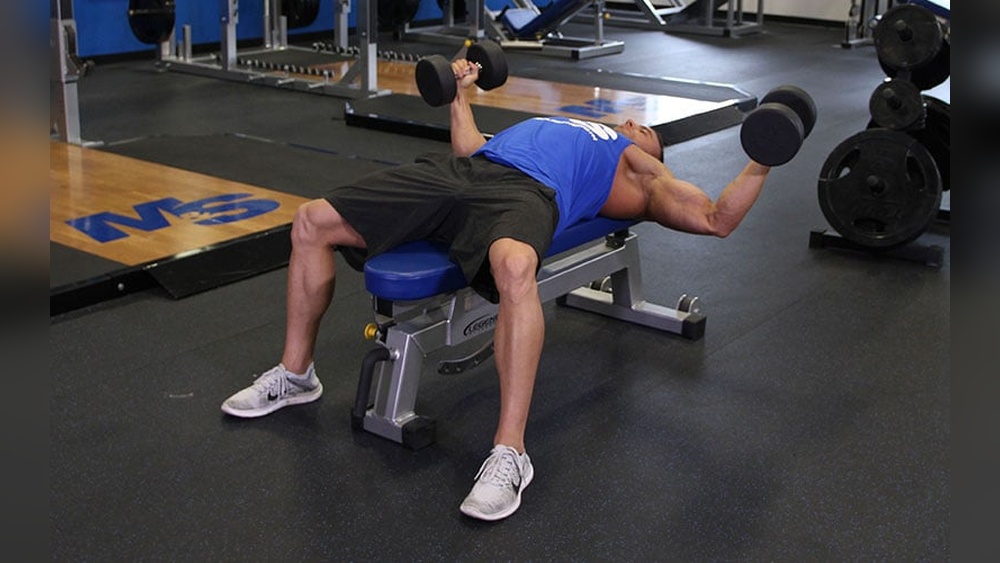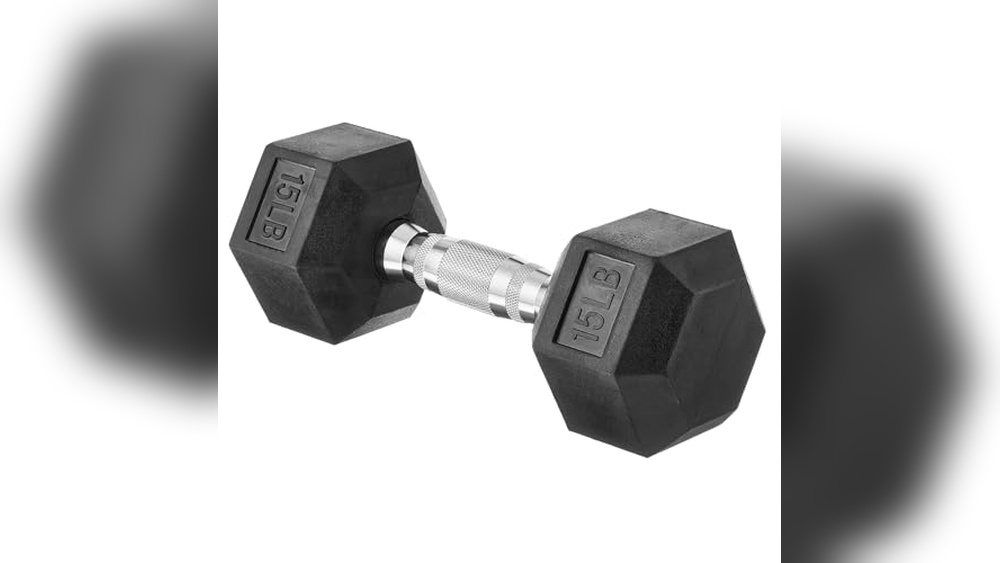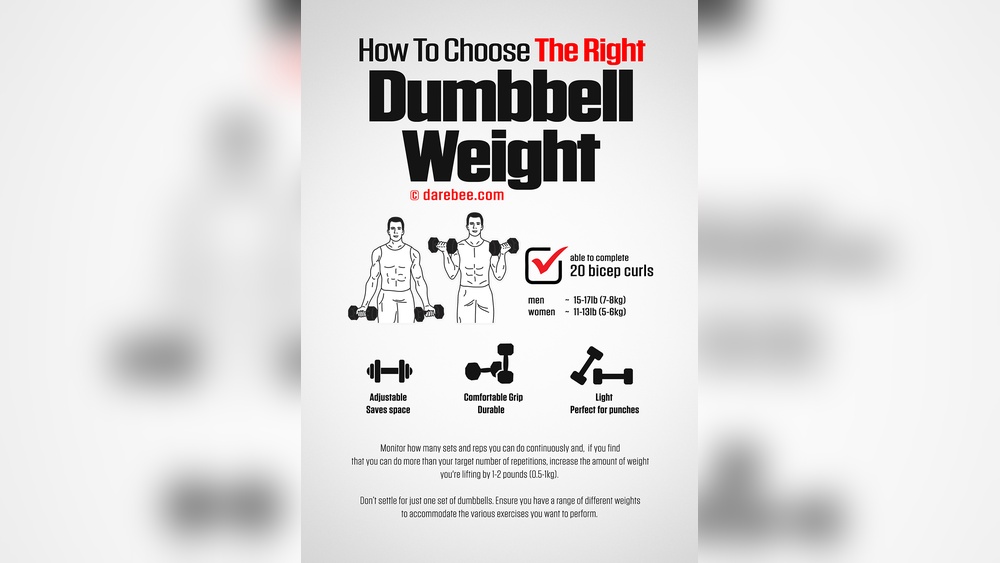
Choosing the right dumbbell weight can feel confusing. You want to get the best results without risking injury or wasting effort.
But how do you know what’s just right for you? Picking dumbbells that are too heavy can leave you frustrated, while weights that are too light won’t challenge your muscles enough. You’ll discover simple tips to find the perfect dumbbell weight for your strength and goals.
Keep reading, and you’ll gain the confidence to lift smarter and see real progress faster.
Choosing Dumbbell Weight
Choosing the right dumbbell weight is key for a safe and effective workout. Picking weights that fit your strength helps you build muscle and avoid injury. The right weight feels challenging but not impossible to lift. Understanding your needs guides you to the best choice.
Factors Influencing Weight Selection
Your age, fitness level, and workout goals affect dumbbell weight choice. Beginners need lighter weights to learn good form. Experienced lifters can handle heavier weights to gain strength. Body size and any injuries also play a role. Choose weights that match your current condition.
Assessing Your Fitness Level
Start by testing what weight feels comfortable. Pick a dumbbell you can lift 8 to 12 times without pain. If it feels too easy, go heavier. If you struggle or hurt yourself, go lighter. Track your progress and increase weight as you get stronger.
Considering Exercise Types
Different exercises need different weights. For arm curls, lighter weights work well. For squats or deadlifts, heavier weights suit better. Focus on form before weight amount. Using the right weight for each move helps you train effectively and safely.
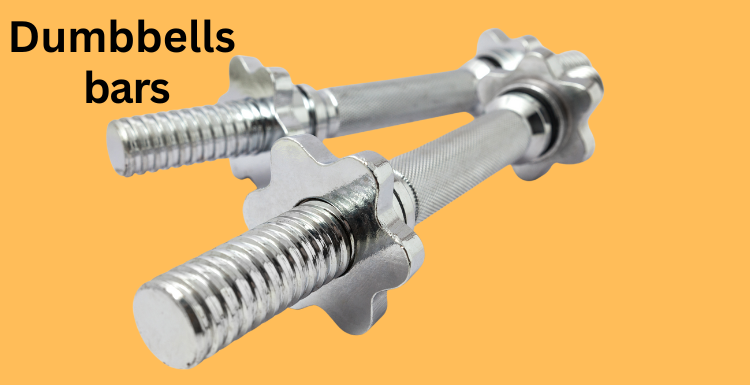
Credit: flybirdfitness.com
Weight Recommendations By Experience
Choosing the right dumbbell weight depends on your workout experience. Using the proper weight helps avoid injuries and improves strength. This section explains weight recommendations based on your fitness level.
Beginners’ Ideal Dumbbell Weight
Beginners should start with light dumbbells. For most, 5 to 10 pounds is a good choice. This weight helps you learn correct form. It also builds basic strength without strain. Begin with lighter weights and increase gradually.
Intermediate Weight Guidelines
Intermediate lifters can use 10 to 20 pounds dumbbells. This range challenges muscles more than beginner weights. It supports muscle growth and endurance. Choose a weight that feels tough but manageable. Keep focus on technique and control.
Advanced Weight Selection
Advanced users often lift 20 pounds or more. The exact weight depends on the exercise and muscle group. Heavy weights build strength and muscle size. Always maintain good form to prevent injury. Increase weight slowly as strength improves.
Gender And Age Considerations
Choosing the right dumbbell weight depends on many factors. Gender and age are important to consider. These affect strength levels and safety during workouts. Picking weights that suit your body helps avoid injury. It also improves workout results.
Weight Suggestions For Women
Women often start with lighter dumbbells. For beginners, 3 to 8 pounds is a good range. This weight helps build strength safely. More experienced women might use 8 to 15 pounds. The key is to pick a weight that feels challenging but doable.
Weight Suggestions For Men
Men usually begin with heavier dumbbells than women. Beginners can try 8 to 15 pounds. This range supports building muscle without strain. Intermediate lifters may use 15 to 30 pounds. Always focus on form and control over weight size.
Adjusting Weight For Older Adults
Older adults need extra care when choosing dumbbells. Start with light weights, around 2 to 5 pounds. This reduces the risk of injury. Gradually increase weight as strength improves. Gentle, steady progress is best for safety and health.
Credit: www.tworepcave.com
Testing Your Dumbbell Weight
Testing your dumbbell weight is key to effective workouts. The right weight helps you build strength safely. It also keeps your muscles challenged without strain. Start by choosing a weight that feels manageable but still tires your muscles after several reps.
Pay close attention to how your body reacts. This will guide you in selecting the best dumbbell weight for your fitness level. Testing allows you to avoid injury and see real progress.
Signs You’re Using The Right Weight
You can complete 8 to 12 reps with good form. Your muscles feel tired but not in pain. You can control the dumbbell without swinging or jerking. You finish your sets feeling challenged but not exhausted. Your breathing is steady and comfortable during exercises.
When To Increase Weight
You finish your reps easily and want more challenge. You stop feeling muscle fatigue during your sets. You can maintain perfect form with less effort. You want to boost strength or muscle growth. Your current weight no longer feels effective or tiring.
Avoiding Common Mistakes
Don’t pick dumbbells too heavy for your current strength. Avoid swinging the weights to cheat reps. Don’t ignore pain or discomfort during exercises. Avoid increasing weight too quickly without proper form. Never skip warming up before lifting dumbbells.
Dumbbell Weight For Different Goals
Choosing the right dumbbell weight depends on your fitness goals. Different goals need different weights. Using the correct weight helps you train better and avoid injuries. This section explains how to pick dumbbells for strength, toning, and recovery.
Building Strength
For building strength, choose heavy dumbbells. Pick weights that challenge your muscles in 6 to 12 reps. The last reps should feel tough but doable. Heavier weights help your muscles grow bigger and stronger. Increase the weight gradually as you get stronger.
Toning And Endurance
For toning and endurance, use lighter dumbbells. Aim for 12 to 20 reps per set. Lighter weights with more reps improve muscle tone and stamina. This approach helps muscles look firm without adding much size. Focus on steady, controlled movements for best results.
Rehabilitation And Recovery
For rehabilitation, start with very light dumbbells or no weight at all. Use weights that allow smooth, pain-free movement. The goal is to regain strength without strain. Increase weight slowly as your muscles heal. Follow your therapist’s advice for best progress.
Adjustable Vs Fixed Weight Dumbbells
Choosing between adjustable and fixed weight dumbbells depends on your workout needs and space. Both types have their own strengths. Understanding these can help you pick the right option for your fitness goals.
Benefits Of Adjustable Dumbbells
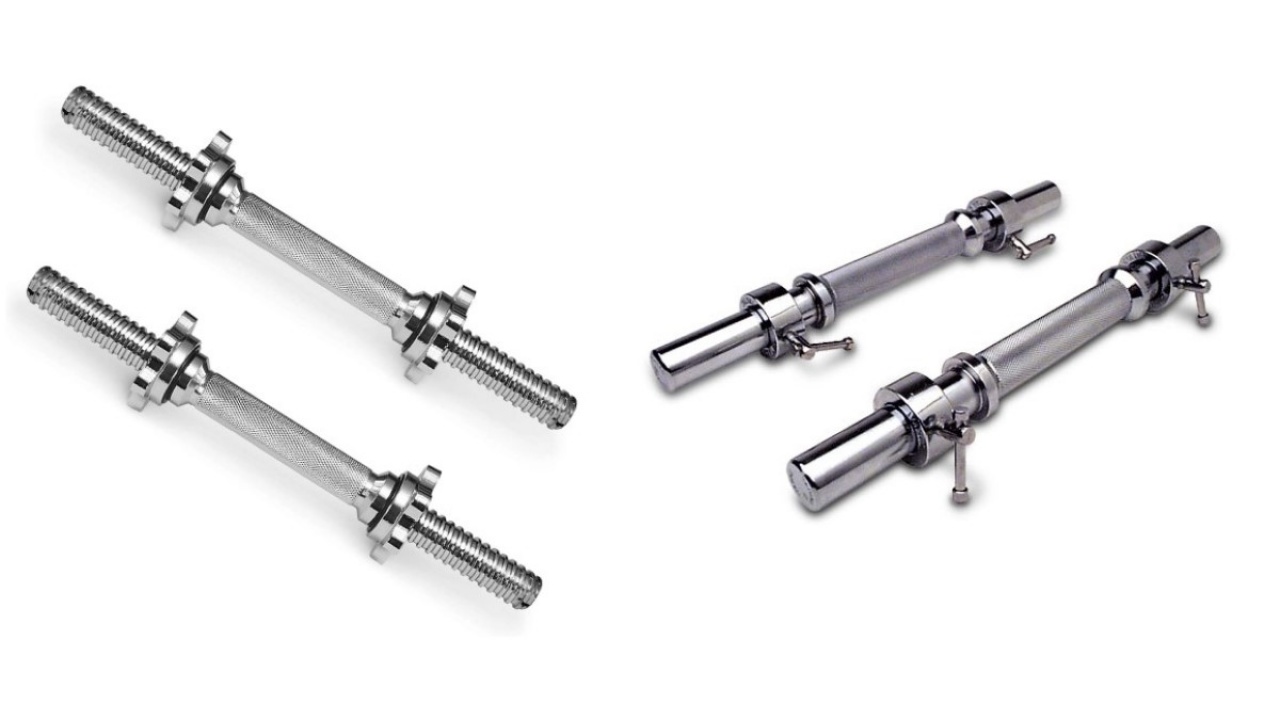
Adjustable dumbbells save space. You get many weight options in one set.
They allow quick weight changes during workouts. This helps with exercise variety.
Cost-effective for those who want multiple weights. You don’t need to buy many sets.
Good for small workout areas. They keep your space neat and organized.
When To Choose Fixed Weights
Fixed dumbbells are simple and ready to use. No need to adjust plates or settings.
They feel stable and balanced. This helps with control during exercises.
Better for quick workouts without interruptions. You pick up and start immediately.
Durable and low maintenance. Fewer parts mean less chance of breaking.
Tips For Safe Dumbbell Use
Using dumbbells safely is very important to avoid injuries and get the best results. Dumbbells help build strength, but only if you use them right. Follow these tips to keep your workouts safe and effective.
Paying attention to your body and how you move will protect your muscles and joints. Small habits can make a big difference in your training experience.
Proper Form And Technique
Always use the correct form for each exercise. Poor form can cause pain and injury. Start with light weights to learn the right movements. Keep your back straight and control your motions. Avoid swinging the dumbbells or using momentum. Focus on slow, steady lifts. This helps target the muscles and prevents strain.
Warm-up And Cool-down
Begin each session with a warm-up to prepare your muscles. Simple stretches or light cardio increase blood flow and flexibility. This reduces the risk of injury. After your workout, cool down with gentle stretches. This helps your muscles relax and recover. Skipping these steps can cause soreness and stiffness.
Avoiding Injury
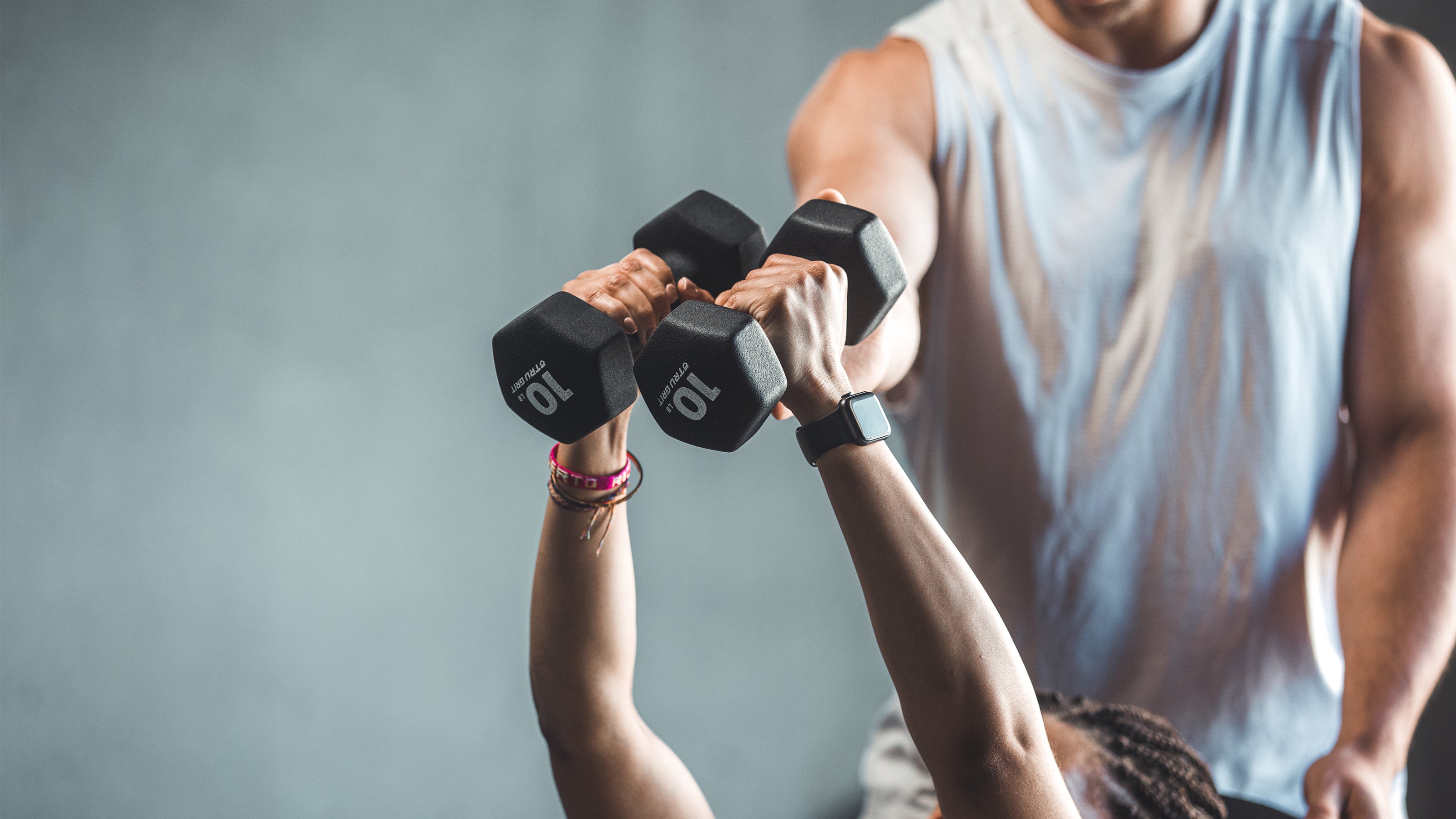
Do not lift weights that feel too heavy. Choose dumbbells you can control easily. Increase the weight slowly as you get stronger. Listen to your body and stop if you feel pain. Rest days are important to let your muscles heal. Use a spotter or trainer if you try new exercises. Safe workouts lead to steady progress and fewer problems.
Credit: trugrit-fitness.com
Frequently Asked Questions
What Dumbbell Weight Is Best For Beginners?
Beginners should start with light dumbbells, typically 5 to 10 pounds. This helps build strength safely and prevents injury. Gradually increase weight as your muscles adapt. Focus on proper form before lifting heavier dumbbells for better results.
How To Choose Dumbbell Weight For Muscle Gain?
Select dumbbells that challenge your muscles but allow 8-12 reps per set. This range promotes muscle growth effectively. Adjust weight when reps become too easy or too hard to maintain proper intensity and progress.
Can Dumbbell Weight Vary By Exercise Type?
Yes, dumbbell weight differs based on the exercise. Smaller muscle groups like biceps use lighter weights. Larger muscles like legs handle heavier dumbbells. Choose weight suitable for each exercise to maximize effectiveness and reduce injury risk.
How Often Should Dumbbell Weight Be Increased?
Increase dumbbell weight every 2-4 weeks or when exercises feel too easy. Progressive overload is key to building strength and muscle. Listen to your body and avoid jumping to heavier weights too quickly.
Conclusion
Choosing the right dumbbell weight helps you exercise safely. Start with light weights to learn the correct form. Gradually increase weight as your strength improves. Pay attention to how your body feels during workouts. Avoid weights that cause pain or strain.
Consistency matters more than heavy lifting at first. Find a balance between challenge and comfort. This approach keeps you motivated and injury-free. Keep your fitness goals clear and adjust your weights accordingly. Enjoy your workouts and celebrate small progress every day.