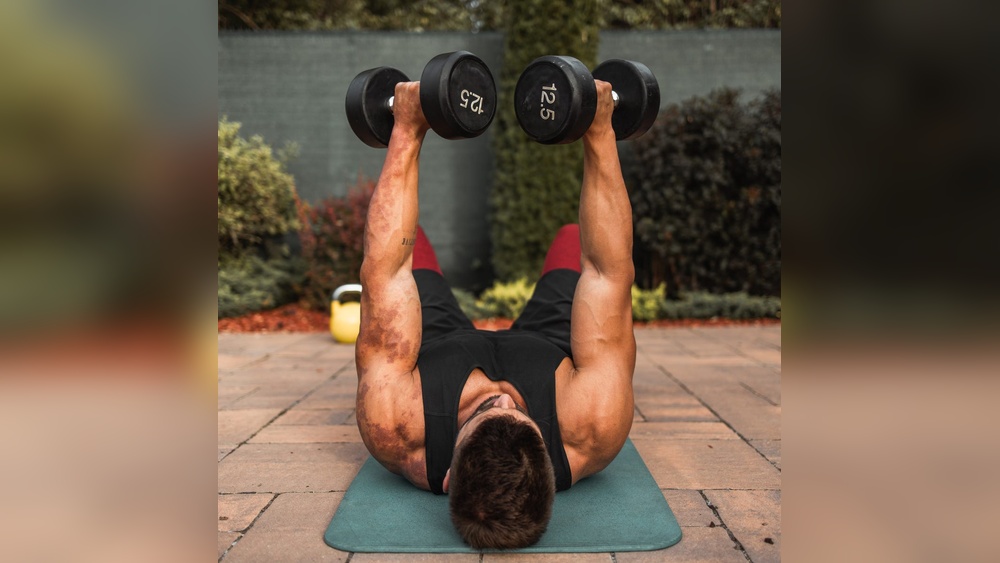
If you want to build a well-defined chest and boost muscle growth, mastering dumbbell flys is a smart move. This exercise targets your chest muscles in a unique way, giving you that deep stretch and muscle separation you can’t get from presses alone.
But doing dumbbell flys correctly is key to getting results and avoiding injury. In this guide, you’ll learn exactly how to perform dumbbell flys with proper form, the benefits they bring, and simple tips to make every rep count. Ready to take your chest workout to the next level?
Keep reading to discover how dumbbell flys can transform your routine and help you build a stronger, more sculpted chest.
Benefits Of Dumbbell Flys
Dumbbell flys offer several benefits that enhance your chest workout. They target the chest muscles uniquely. These exercises help in muscle growth and shaping. You can improve your chest flexibility and muscle control as well. Dumbbell flys complement other chest exercises effectively.
Including dumbbell flys in your routine leads to stronger, well-defined chest muscles. The movement isolates the chest and stretches it deeply. This makes it a valuable exercise for many fitness goals.
Hypertrophy And Muscle Growth
Dumbbell flys focus on the pectoral muscles. They create a strong stretch that stimulates muscle fibers. This stretch helps muscle growth or hypertrophy. You can build size without heavy weights. Controlled movements maximize muscle tension and growth.
Enhanced Chest Definition
This exercise shapes the chest muscles clearly. It works the inner chest area and outer edges. The fly motion separates the muscle fibers. This separation improves muscle tone and sharpness. Dumbbell flys help create a chiseled look over time.
Improved Flexibility
Dumbbell flys increase chest muscle flexibility. The wide arm motion opens the chest fully. This stretch reduces tightness and improves range of motion. Better flexibility supports other exercises and daily movements. It also helps lower injury risks.
Unique Chest Activation
Dumbbell flys activate chest muscles differently than presses. They isolate the pecs without heavy triceps involvement. This unique activation targets muscle fibers that presses may miss. It trains muscle control and coordination. The flys add variety and balance to workouts.
Credit: kinxlearning.com
Equipment And Setup
Setting up the right equipment is key for effective dumbbell flys. Proper setup ensures safety and maximizes muscle engagement. Knowing what dumbbells and bench to use helps you maintain good form. The right tools make your workout more comfortable and productive.
Choosing The Right Dumbbells
Select dumbbells that match your current strength level. Start with lighter weights to practice form. Gradually increase weight as you build confidence and strength. Choose dumbbells with a comfortable grip to avoid slipping. Hexagonal dumbbells prevent rolling and add safety during setup.
Bench Options And Positioning
A flat bench is the most common choice for dumbbell flys. It provides stable support and helps keep proper posture. An incline bench targets the upper chest muscles more. Adjust the bench angle between 15 to 30 degrees for best results. Ensure the bench is secure and does not wobble. Position yourself so your back is fully supported and feet flat on the floor.
Step-by-step Technique
Understanding the correct technique for dumbbell flys is essential for safety and effectiveness. This step-by-step guide breaks down the process into simple parts. Follow these steps to ensure proper form and maximize your workout benefits.
Starting Position
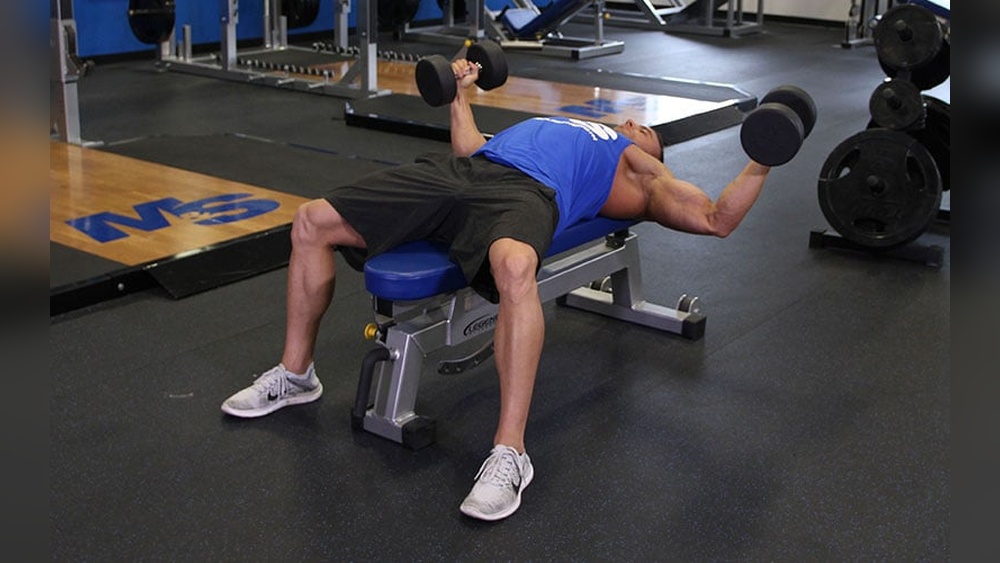
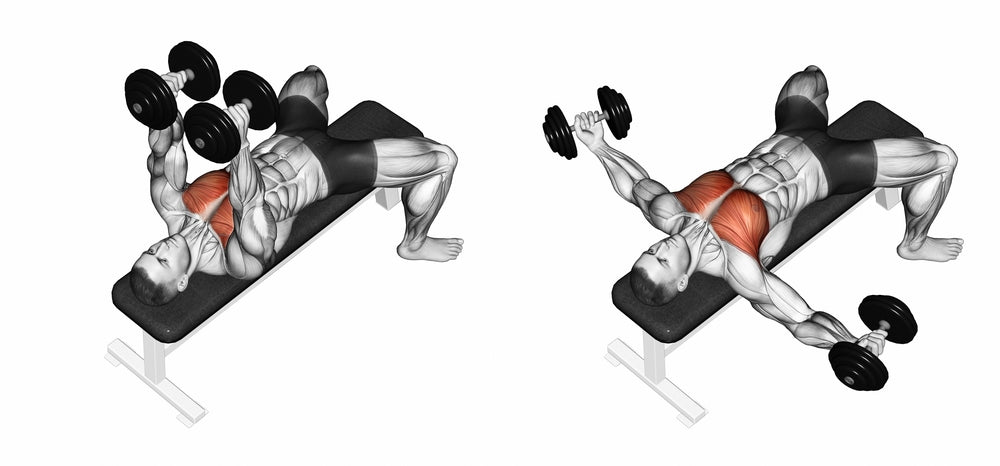
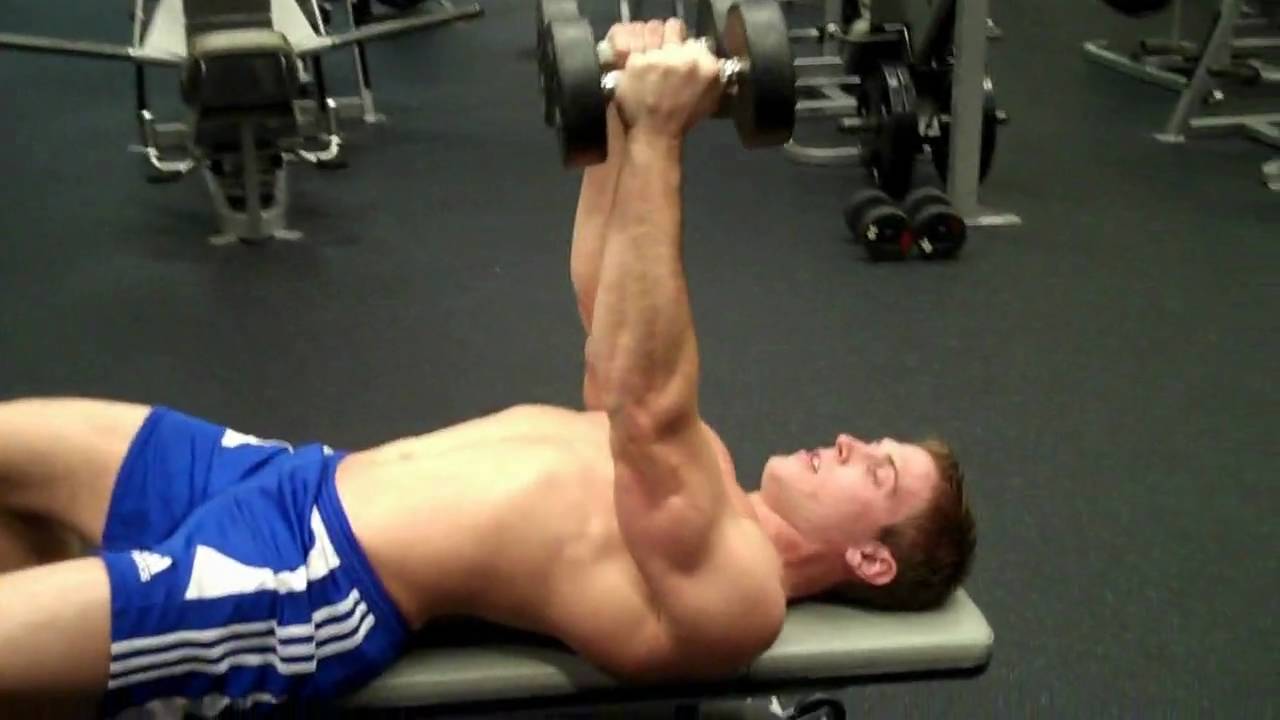
Lie flat on a bench with a dumbbell in each hand. Keep your feet flat on the floor for stability. Hold the dumbbells above your chest with arms slightly bent. Keep your palms facing each other. Maintain a neutral spine and engage your core.
Movement Execution
Slowly lower the dumbbells out to the sides in a wide arc. Keep a slight bend in your elbows throughout the movement. Lower until you feel a stretch in your chest muscles. Avoid dropping the weights too low to protect your shoulders. Bring the dumbbells back up by squeezing your chest muscles. Stop when the dumbbells nearly touch above your chest.
Breathing Tips
Inhale deeply as you lower the dumbbells to your sides. Exhale forcefully when you lift the dumbbells back up. Keep your breathing steady and controlled. Proper breathing supports muscle engagement and prevents dizziness.
Common Form Mistakes
Performing dumbbell flys with correct form maximizes chest activation and prevents injury. Many beginners struggle with form errors that reduce effectiveness and increase strain on joints. Identifying common mistakes helps you maintain proper technique and get the best results from this exercise.
Overextending The Elbows
Keep a slight bend in your elbows throughout the movement. Straightening the arms fully puts extra stress on the elbow joints. Overextension can lead to pain and injury over time. Maintain tension in your chest by holding the elbows firm but not locked.
Dropping Dumbbells Too Low
Lower the dumbbells until you feel a gentle stretch in your chest. Dropping them too far back strains your shoulder joints. This mistake increases the risk of shoulder injuries. Control the motion and stop when your arms are parallel to the floor.
Losing Shoulder Blade Retraction
Keep your shoulder blades pulled back and down during the flys. Allowing the shoulders to round forward reduces chest activation. It also puts stress on the rotator cuff muscles. Focus on squeezing your shoulder blades together to stabilize your upper body.
Safety Guidelines
Safety is the top priority when doing dumbbell flys. This exercise works the chest muscles deeply but can strain your shoulders and joints if done incorrectly. Follow these safety guidelines to protect your body and get the best results.
Weight Selection For Joint Health
Choose a weight that feels comfortable and safe. Avoid heavy dumbbells that cause pain or force poor form. Lighter weights help protect your shoulder joints and reduce injury risk. Focus on control and smooth movement rather than lifting heavy.
Warm-up And Stretching
Start with a warm-up to increase blood flow to your muscles. Do light cardio or arm circles for 5 to 10 minutes. Stretch your chest and shoulders gently before lifting. Warming up prepares your muscles and joints for the exercise.
Avoiding Shoulder Strain
Keep a slight bend in your elbows during the fly. Do not let your arms drop too low behind your body. Stop if you feel sharp pain or discomfort in your shoulders. Maintain slow, controlled movements to protect your shoulder muscles and tendons.

Credit: www.healthline.com
Variations To Try
Exploring different variations of dumbbell flys helps target your chest muscles from various angles. Changing your position shifts the focus to different parts of your chest. This variety also prevents workout boredom and promotes balanced muscle growth. Try these variations to keep your routine fresh and effective.
Incline Dumbbell Flys
Set an incline bench at about 30 to 45 degrees. Lie back and hold dumbbells with palms facing each other. Slowly open your arms wide, feeling the stretch in your upper chest. Bring the weights back together above your chest. This variation focuses on the upper chest muscles more effectively.
Decline Dumbbell Flys
Use a decline bench angled downward around 15 to 30 degrees. Lie back with dumbbells held over your chest. Lower your arms wide, keeping a slight bend in your elbows. Raise the dumbbells back up, squeezing your lower chest. Decline flys emphasize the lower chest area for balanced development.
Standing Dumbbell Flys
Stand with feet shoulder-width apart and hold dumbbells at your sides. Slightly bend your elbows and raise your arms out to the sides. Bring the dumbbells together in front of your chest. This variation works the chest and also engages your core for stability. It is a good option when you don’t have a bench available.
Integrating With Chest Workouts
Integrating dumbbell flys into chest workouts enhances muscle growth and definition. Flys target the chest muscles differently than pressing exercises. They offer a deep stretch, improving flexibility and muscle shape. Combining flys with other chest moves creates a balanced workout. This approach maximizes chest development and strength.
Combining With Pressing Exercises
Dumbbell flys work well with pressing exercises like bench press. Pressing builds strength and mass in the chest. Flys focus on stretching and isolating chest muscles. Start with presses to lift heavier weights. Finish with flys to stretch and define muscles. This pairing targets the chest from multiple angles.
Optimizing Workout Order
Perform pressing exercises before dumbbell flys. Presses use more energy and recruit multiple muscles. Flys require control and focus on the chest only. Doing flys first may tire the chest quickly. This can reduce pressing performance. Pressing first ensures maximum strength and flys improve muscle shape after.
Frequency And Volume
Train chest two to three times per week for best results. Include both pressing exercises and dumbbell flys each session. Use 3 to 4 sets of flys with 8 to 12 reps. Avoid overtraining by allowing rest days between sessions. Adjust volume based on recovery and progress. Consistency helps build muscle and improve chest definition.
Tips For Maximizing Gains
Dumbbell flys target the chest muscles effectively. Small changes in technique can improve your results. Focus on proper form and muscle engagement for better gains. Here are key tips to maximize your dumbbell fly workout.
Maintaining Mind-muscle Connection
Concentrate on your chest muscles during each rep. Visualize the muscles working as you lift and lower the dumbbells. Avoid letting your arms or shoulders take over the movement. This focus improves muscle activation and growth.
Controlling Movement Speed
Perform each repetition slowly and with control. Lower the dumbbells steadily to feel a deep stretch. Pause briefly at the bottom before lifting. Fast or jerky motions reduce muscle tension and increase injury risk.
Focusing On Chest Stretch
Allow your chest to stretch fully at the bottom of the movement. Keep a slight bend in your elbows to protect your joints. A good stretch helps increase muscle fiber recruitment. This leads to better muscle growth and flexibility.
Credit: www.youtube.com
Frequently Asked Questions
How To Do A Proper Dumbbell Fly?
Lie on a flat bench holding dumbbells above your chest with arms slightly bent. Lower weights wide until you feel a stretch. Keep elbows soft and shoulder blades retracted. Raise dumbbells back to start without locking elbows. Maintain control and avoid bringing weights too close to prevent losing chest tension.
Are Dumbbell Flys Effective?
Yes, dumbbell flys effectively target chest muscles by providing a deep stretch. They enhance muscle growth, definition, and flexibility. Use controlled movements and proper form for best results. Combine them with pressing exercises to maximize chest development.
Are Dumbbell Flys For The Back Or Chest?
Dumbbell flys primarily target the chest muscles, especially the pectoralis major. They do not work the back muscles.
Can Chest Flys Lift Breasts?
Chest flys strengthen and tone pectoral muscles but do not lift breasts directly. They improve chest firmness and shape.
Conclusion
Dumbbell flys build chest muscles with controlled, smooth motion. Keep your arms slightly bent and avoid locking elbows. Focus on feeling the stretch in your chest during each repetition. Use moderate weights to maintain proper form and prevent injury. Adding dumbbell flys to your workout boosts chest shape and flexibility.
Practice regularly for steady progress and better muscle tone. Simple, effective, and safe—dumbbell flys fit well in any fitness plan.