If you want to build strong, impressive traps using just dumbbells, you’re in the right place. Your traps play a key role in your overall upper body strength and posture, yet many overlook how to train them effectively at home or the gym.
The great news? Dumbbells are perfect tools to target your traps with precision and safety. In this guide, you’ll discover simple, proven exercises that will help you sculpt bigger traps, improve your shoulder stability, and boost your confidence. Ready to transform your upper back and stand taller?
Let’s dive into how you can build traps with dumbbells—no complicated equipment needed.
Dumbbell Shrug Variations
Building strong traps requires variety in your workouts. Dumbbell shrugs target the upper traps effectively. Different shrug variations help work the muscles from various angles. This approach promotes balanced muscle growth and reduces workout boredom.
Using dumbbells offers flexibility and control. You can adjust the weight easily and perform shrugs anywhere. The following dumbbell shrug variations boost trap strength and size.
Standard Dumbbell Shrugs
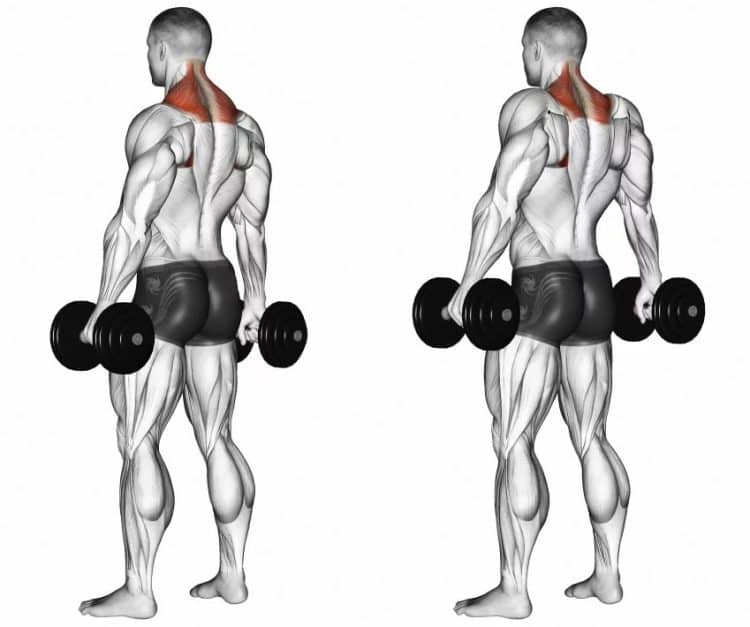
Hold a dumbbell in each hand at your sides. Keep your arms straight and lift your shoulders straight up. Pause at the top and squeeze your traps. Lower the dumbbells slowly back down. Avoid rolling your shoulders to prevent injury. This basic move builds trap strength and thickness.
Decline Dumbbell Shrugs
Lie face down on a decline bench holding dumbbells. Let your arms hang straight down. Shrug your shoulders upward, lifting the weights. Hold the contraction briefly, then lower back down. This angle targets the traps differently. It increases muscle activation and helps develop the lower traps.
Seated Alternating Dumbbell Shrugs
Sit on a bench with a dumbbell in each hand. Lift one shoulder up while keeping the other relaxed. Lower it back down and repeat with the opposite side. This variation isolates each trap individually. It helps correct muscle imbalances and improves muscle control.
One-arm Dumbbell Shrugs
Stand or sit holding one dumbbell at your side. Shrug your shoulder straight up and squeeze the trap. Lower the weight slowly and repeat. Switch arms after your set. This focus on one side allows for better concentration. It also helps fix any asymmetry between your traps.

Credit: www.bodybuildingmealplan.com
Targeting Different Trap Areas
Building strong traps requires targeting each part of the muscle. The trapezius has upper, middle, and lower sections. Each section plays a different role in shoulder and neck movement. Using dumbbells allows focused work on these areas. This boosts muscle growth and improves posture.
Below are exercises that target different trap areas. These moves use simple dumbbell techniques. You can do them at home or in the gym. Each exercise emphasizes a specific part of the traps.
Rear Lateral Raises With Head Support
This exercise focuses on the middle traps and rear deltoids. Lay face down on a bench or incline. Support your head to reduce neck strain. Hold dumbbells and lift your arms sideways. Keep elbows slightly bent. This move strengthens the middle traps and improves shoulder stability.
Scapular External Rotation
Scapular external rotation targets the rotator cuff and upper traps. Hold dumbbells with elbows bent at 90 degrees. Keep your upper arms close to your body. Rotate your forearms outward slowly. This helps improve shoulder health and trap activation. It supports better posture and shoulder movement.
Lower Trap Activation With Prone Press
The prone press works the lower traps deeply. Lie face down on a bench. Hold dumbbells and press them upward in a Y shape. Focus on squeezing your shoulder blades down and together. This strengthens lower traps and reduces upper back tension. It also helps balance trap development.
Essential Trap Exercises
Building strong traps requires focus on key exercises that target this muscle group effectively. Essential trap exercises help develop size, strength, and endurance in your traps. These moves engage the upper back and shoulders, improving posture and power. Use proper form and controlled movements for the best results.
Barbell Shrugs
Barbell shrugs isolate the upper traps. Hold a barbell with a firm grip at your sides. Lift your shoulders straight up toward your ears. Pause briefly at the top, then lower slowly. Avoid rolling your shoulders to prevent injury. Perform higher reps for muscle endurance and growth.
Deadlifts
Deadlifts engage the entire back, including the traps. Stand with feet hip-width apart and grip the barbell. Keep your back straight and lift by extending hips and knees. Hold the bar close to your body throughout the lift. Use heavy weights with low reps for strength gains.
Farmer’s Walks
Farmer’s walks improve trap strength and grip. Grab heavy dumbbells or trap bars in each hand. Walk a set distance or time while keeping your shoulders back and down. Maintain good posture and steady pace. This isometric exercise builds trap endurance and overall stability.

Credit: www.pressmatik.com.br
Complementary Movements
Complementary movements help target the traps from different angles. They improve overall trap strength and size. These exercises support main trap workouts and prevent muscle imbalances. Using dumbbells for these moves adds variety and challenges your muscles differently.
Try these complementary exercises to build thicker, stronger traps.
Face Pulls
Face pulls work the rear delts and upper traps. Use dumbbells or a resistance band for this exercise. Pull the weights toward your face with elbows high. Keep your shoulders down and squeeze your traps at the end. This improves posture and shoulder stability.
Upright Rows
Upright rows target the traps and side delts. Hold dumbbells close to your body. Pull them straight up to your chest, leading with your elbows. Avoid lifting too high to protect your shoulders. This movement builds trap width and strength effectively.
Seated Dumbbell Bent-over Shrugs
Sitting bent over isolates the traps well. Hold dumbbells at your sides with palms facing your body. Shrug your shoulders up as high as possible. Pause and squeeze your traps before lowering. This targets the middle and upper traps deeply.
Training Tips For Trap Growth
Building strong traps with dumbbells needs smart training tips. Proper methods help your muscles grow bigger and stronger. Focus on form, weight, and workout plans to see real progress. Consistency is key for trap growth.
Proper Form And Technique
Use controlled movements to avoid injury. Keep your back straight and shoulders relaxed. Lift dumbbells smoothly without jerking. Focus on squeezing your traps at the top of each rep. Avoid rolling your shoulders, as it can cause strain. Maintain a full range of motion for better muscle activation.
Progressive Overload Strategies
Increase dumbbell weight gradually over time. Add more reps or sets to challenge your traps. Track your progress to avoid plateaus. Push your limits safely but avoid poor form. Progressive overload forces muscles to adapt and grow stronger. Use small jumps in weight to prevent injury.
Incorporating Traps Into Workout Split
Train traps 2-3 times per week for optimal growth. Combine trap exercises with back and shoulder workouts. Allow at least 48 hours of rest between trap sessions. Include dumbbell shrugs, upright rows, and face pulls. Balance trap training with overall body workouts to avoid imbalances.
Nutrition For Muscle Development
Nutrition plays a key role in building muscle, including your traps. Eating the right foods helps your muscles grow stronger and recover faster. Proper nutrition provides energy for workouts and supports muscle repair after training. Focus on balanced meals to fuel your progress with dumbbell exercises.
High-protein Diet Essentials
Protein is the building block of muscle. Aim for lean sources like chicken, fish, eggs, and beans. Include protein in every meal to support muscle growth. A good target is about 1.6 to 2.2 grams of protein per kilogram of body weight daily. Protein shakes can help reach these goals if needed. Eating enough protein improves muscle size and strength over time.
Recovery And Muscle Repair Nutrition
Muscles need nutrients to repair after tough workouts. Carbohydrates restore energy and aid recovery. Choose whole grains, fruits, and vegetables for healthy carbs. Healthy fats from nuts, seeds, and oils reduce inflammation and support overall health. Stay hydrated to help muscle function and repair. Plan meals and snacks around your training schedule for best results.
Credit: fitnessvolt.com
Frequently Asked Questions
Can You Train Traps With Dumbbells?
Yes, you can train traps with dumbbells using exercises like dumbbell shrugs and seated bent-over shrugs. Focus on proper form and controlled motion. Dumbbell shrugs isolate upper traps effectively. Avoid rolling shoulders; lift straight up and down to engage traps safely and build muscle efficiently.
How Do You Build Traps Fast?
Build traps fast by doing heavy barbell shrugs, deadlifts, and farmer’s walks. Use proper form and increase weight gradually. Include dumbbell shrugs and face pulls for balanced growth. Train traps 2-3 times weekly with high protein intake for optimal muscle repair and growth.
Are Traps Easy To Grow?
Traps are moderately easy to grow with consistent training and proper form. Use exercises like shrugs, deadlifts, and farmer’s walks. Focus on progressive overload and maintain a high-protein diet to support muscle growth. Regular training and correct technique boost trap development effectively.
Are 30 Lb Dumbbells Enough To Build Muscle?
Yes, 30 lb dumbbells can build muscle if you use proper form, higher reps, and progressive overload consistently.
Conclusion
Building strong traps with dumbbells is simple and effective. Use the exercises consistently and focus on good form. Start with manageable weights and increase gradually. Mix different shrug variations to target all trap areas. Rest enough to let muscles grow and avoid injury.
Stay patient and keep your routine steady. Strong traps improve posture and enhance overall strength. Keep your workouts balanced and enjoy the progress.