You’ve invested in a great bike, and keeping it safe inside your garage should be simple—but is it really? Just leaving your bike unlocked or using a flimsy lock can make it an easy target for thieves, even indoors.
You want to know exactly how to lock your bike in a garage so it stays secure and gives you peace of mind every time you park it. In this guide, you’ll discover the best locking methods, the right types of locks to use, and smart tips to make sure your bike is protected from theft.
Keep reading to learn how to lock your bike in your garage the right way—and never worry about it disappearing again.
Credit: sfbike.org
Choosing The Right Lock
Choosing the right lock is key to protecting your bike in the garage. The right lock keeps your bike safe from theft and damage. Different locks offer varying levels of security and convenience. Picking one that fits your needs helps you lock your bike quickly and confidently.
Types Of Bike Locks
Bike locks come in many forms. The most common types include U-locks, folding locks, cable locks, and chain locks. Each type has strengths and weaknesses. U-locks and folding locks are known for strong security. Cable locks are lighter but easier to cut. Chain locks vary based on thickness and quality.
Benefits Of U-locks And Folding Locks
U-locks provide solid protection with a rigid design. They resist cutting and leverage attacks well. Folding locks offer flexibility and compact storage. They fold into a small shape for easy carrying. Both types secure the bike frame and wheels firmly. These locks are hard for thieves to break quickly.
Avoiding Cable Locks
Cable locks are often not strong enough. Thieves can cut them easily with simple tools. They work best as a secondary lock for wheels or accessories. Using a cable lock alone puts your bike at risk. Avoid relying on cables as the main lock in your garage.
Best Locking Techniques
Choosing the best locking techniques increases bike security inside your garage. Proper locking reduces theft risk and keeps your bike safe. Focus on securing critical parts and using the right lock positions.
Securing The Frame And Rear Wheel
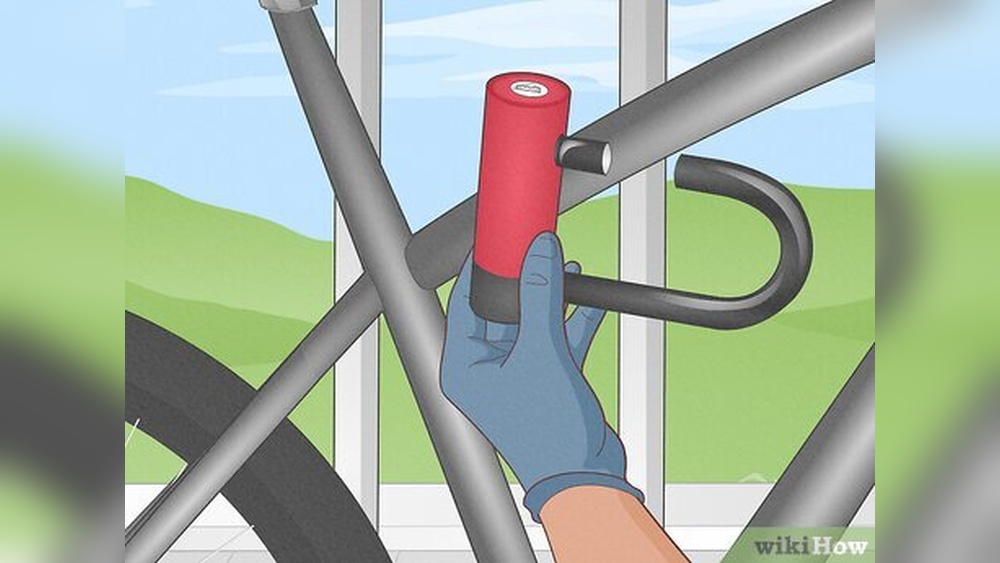
Lock the frame and rear wheel together with a strong U-lock. Pass the lock through the bike’s main triangle and rear wheel. This method prevents thieves from removing the rear wheel easily. Use a solid anchor point inside your garage for added security.
Using A Second Lock For Front Wheel
Use a second lock to secure the front wheel to the frame or main lock. A cable lock or smaller U-lock works well for this. This step stops thieves from stealing just the front wheel. It adds an extra layer of protection without much extra effort.
Minimizing Space Inside The Lock
Fill as much space inside the U-lock as possible. A smaller gap makes it harder for tools to fit and break the lock. Position the bike and lock to reduce empty space. This technique helps resist cutting or prying attempts.
Positioning The Lock Mechanism
Place the lock mechanism facing down or against a solid surface. This position makes it tough for thieves to reach and tamper with the lock. Avoid placing the lock near the ground where tools can leverage easily. Proper lock positioning adds security without extra gear.
Selecting A Secure Anchor
Selecting a secure anchor is crucial to keep your bike safe in a garage. The anchor must hold the bike firmly and prevent thieves from removing it. A strong anchor helps your lock work effectively. Choose the best place to attach your lock to protect your bike well.
Choosing Solid, Immovable Objects
Pick an object that cannot move or be lifted. Concrete walls, metal ground anchors, or heavy steel beams work well. These objects resist force and cannot be carried away easily. Your bike lock will secure the bike better when attached to these solid parts. Avoid anything that wobbles or shifts under pressure.
Avoiding Easily Cut Or Dismantled Structures
Steer clear of wooden posts or thin metal poles. Thieves can cut or break these with simple tools. Avoid fences or objects attached with screws or bolts that can be undone. Also, do not use chains or cables as anchors since they can be cut. Choose anchors that resist cutting and dismantling to keep your bike safe.
Garage-specific Security Tips
Securing a bike inside a garage requires special attention beyond standard outdoor locking methods. The garage environment offers unique opportunities to strengthen bike security. Simple adjustments and added hardware can make a big difference. Focus on smart lock placement, using fixed anchors, and boosting overall garage safety. These steps reduce the risk of theft and protect your bike effectively.
Lock Placement Inside The Garage
Place the lock where it is hard to reach or tamper with. Lock the bike frame and one wheel to a sturdy object. Avoid placing locks near the floor to prevent easy cutting. Position the bike so it blocks access to the lock. Keep the lock off the ground to reduce damage and wear.
Using Ground Anchors And Wall Mounts
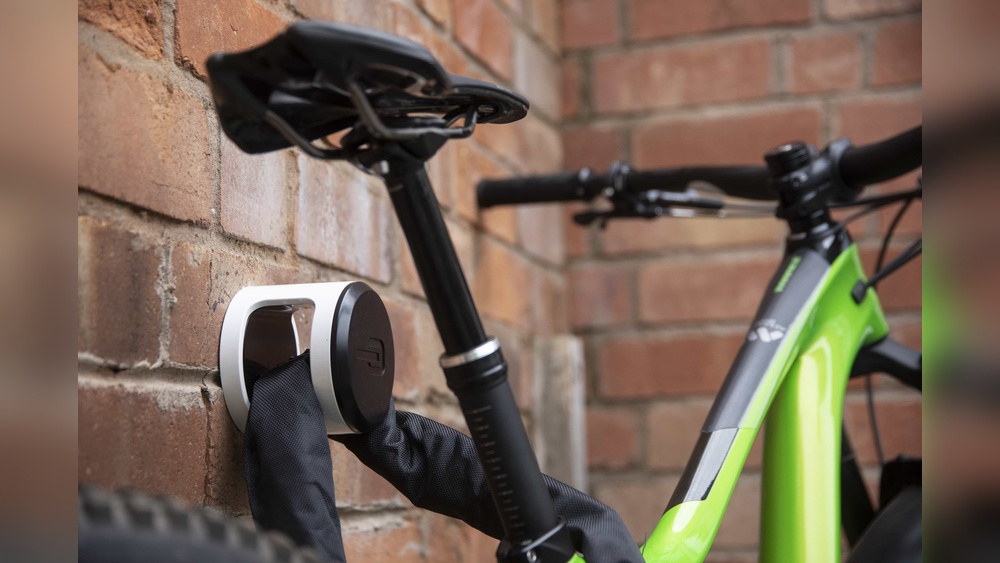
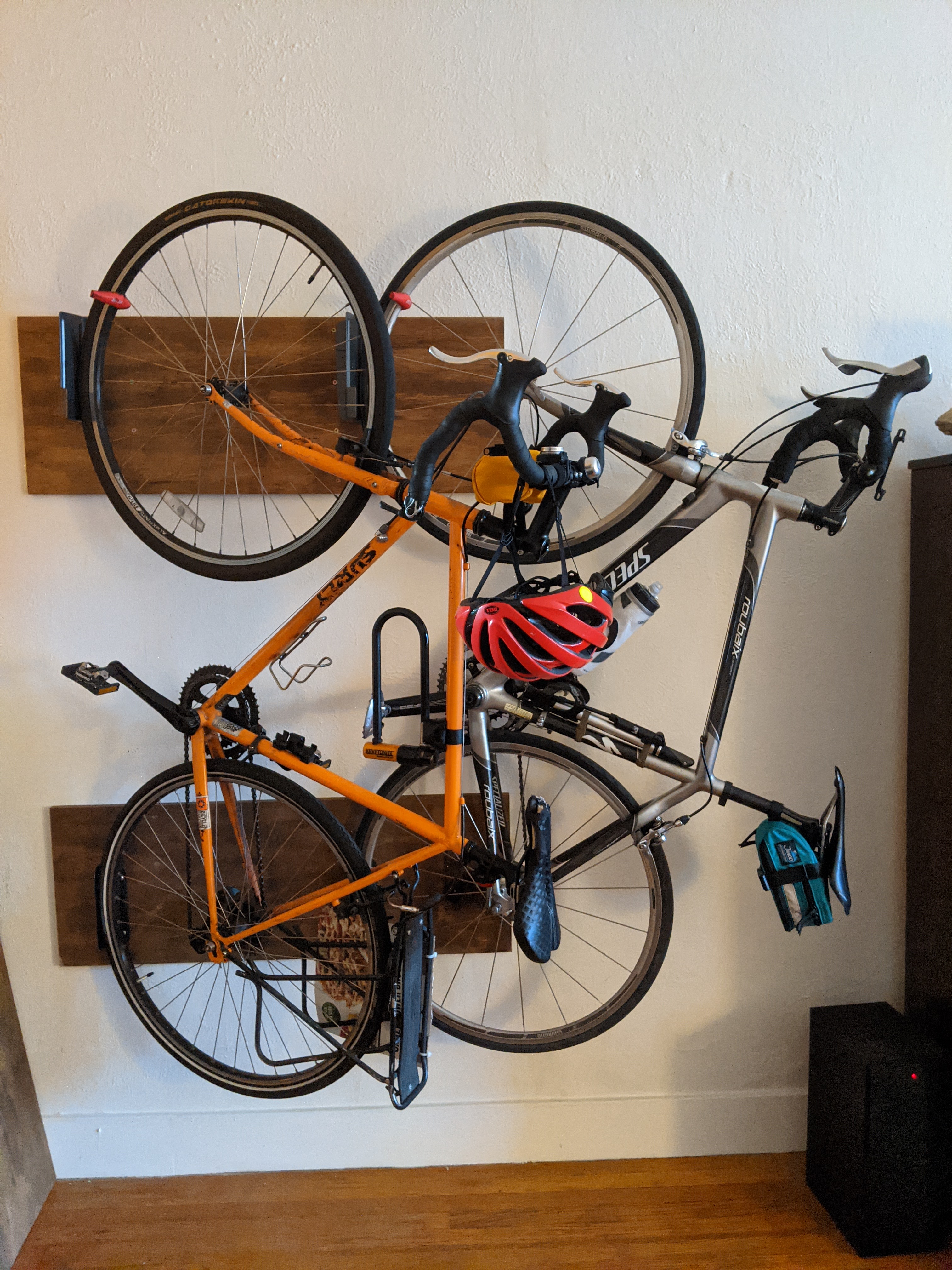
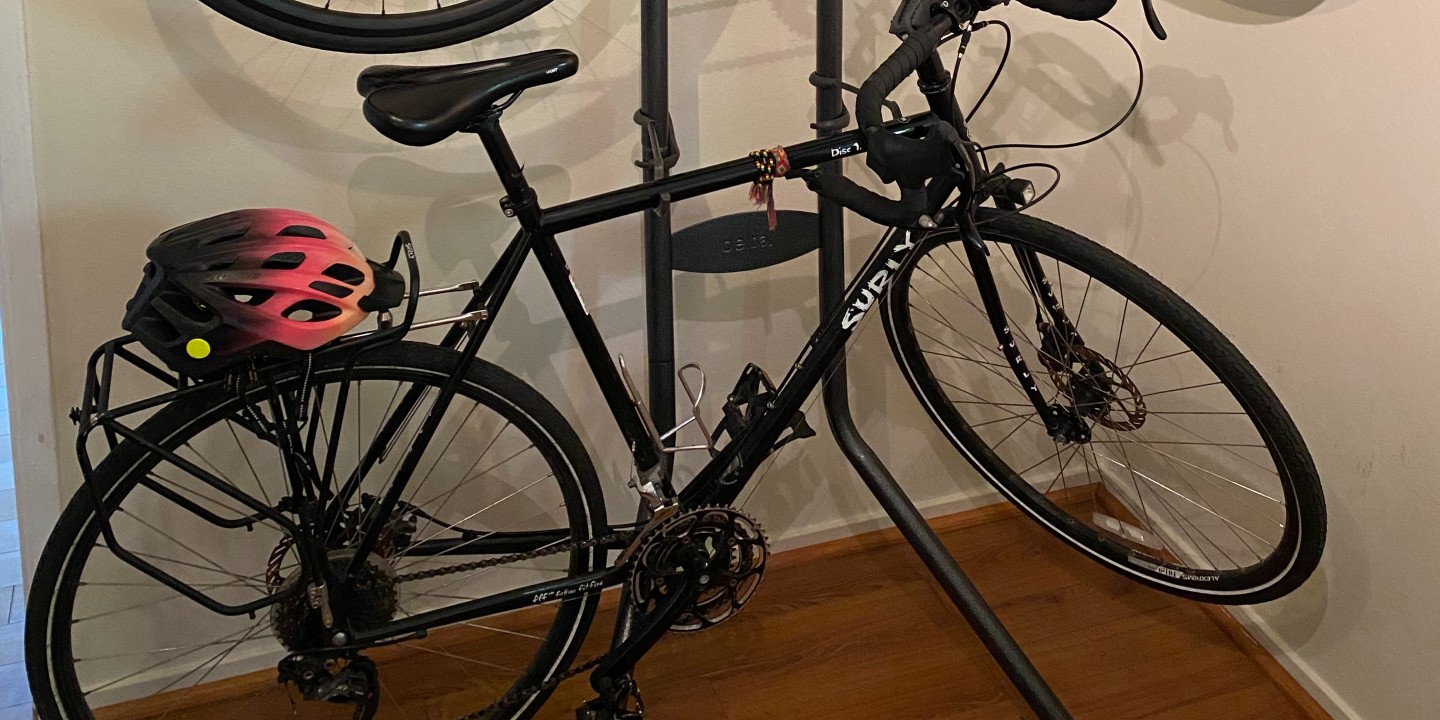
Install ground anchors to create strong points for locking your bike. These bolts fix securely into the garage floor. Use heavy-duty wall mounts to hold your bike and lock it in place. Mounts keep your bike stable and off the floor. Anchors and mounts work best with a robust U-lock or chain lock.
Enhancing Garage Security Measures
Improve garage security by adding motion sensor lights. Bright lights deter thieves and alert you to movement. Use a solid, lockable garage door with no gaps. Reinforce windows with bars or security film. Consider installing a security camera for extra monitoring. These measures increase overall protection for your bike and belongings.
Additional Theft Prevention Steps
Taking extra steps can greatly reduce the risk of bike theft in your garage. Simple actions can make your bike less appealing to thieves. These additional measures work well alongside good locking techniques.
Removing Detachable Accessories
Remove items like lights, GPS devices, and bike computers. These accessories are easy to steal and often valuable. Keep them inside your home or garage to prevent loss. This small effort discourages thieves from targeting your bike.
Using Locking Skewers For Components
Locking skewers replace quick-release parts on wheels and seats. They require a special key to remove, making theft harder. This adds an extra layer of protection for important components. Using locking skewers is simple and effective.
Parking In Well-lit, Monitored Areas
Park your bike in parts of the garage with good lighting. Bright areas deter thieves by increasing the chance of being seen. If possible, use a space with security cameras or regular foot traffic. These conditions reduce the risk of theft significantly.
Documenting Your Bike
Documenting your bike is a smart step to protect it from theft. It helps prove ownership and assists in recovery. Keep detailed records and clear images of your bike. Store purchase receipts safely. These records make your bike easier to identify and recover if stolen.
Recording Serial Numbers
Find your bike’s serial number on the frame. Usually, it is under the bottom bracket or near the pedals. Write it down carefully or take a photo. Keep this number in a safe place. Police use serial numbers to track stolen bikes.
Taking Clear Photographs
Take sharp photos from multiple angles. Capture details like stickers, scratches, or unique marks. Include close-ups of the frame, wheels, and accessories. Clear photos help identify your bike quickly. Keep these images on your phone and in a cloud folder.
Keeping Purchase Receipts
Save the receipt from when you bought the bike. It shows proof of ownership and purchase date. Store receipts digitally and as a hard copy. Receipts can help with insurance claims. They also support your claim if the bike is stolen.
Responding To Theft
Responding quickly and effectively to bike theft increases the chances of recovery. Knowing the right steps after theft helps protect your investment and peace of mind. Act promptly and use all available resources.
Reporting To Authorities
Report the theft to your local police immediately. Provide detailed information about your bike, including brand, model, color, and serial number. Share any photos or unique markings that can identify your bike. A police report creates an official record and helps law enforcement track stolen bikes.
Using Online Recovery Tools
Use online platforms dedicated to stolen bike recovery. Websites and apps allow you to register your bike and report thefts. Upload photos and details to increase visibility. Many communities have social media groups where stolen bikes are posted. These tools reach a wider audience quickly and improve recovery chances.
Preventing Future Incidents
Learn from the theft and improve your security measures. Invest in strong locks and secure your bike properly inside the garage. Consider adding alarms or cameras for extra protection. Keep your bike’s serial number and photos in a safe place. Regularly check your security setup to avoid future losses.
Credit: sfbike.org

Credit: bicycles.stackexchange.com
Frequently Asked Questions
How To Lock A Bike In Your Garage?
Use a strong U-lock to secure the bike frame and rear wheel to a fixed object. Add a second lock for the front wheel. Keep the lock off the ground and fill its space tightly. Store the bike in a well-lit, secure garage area for extra safety.
Is There A Bike Lock That Can’t Be Cut?
No bike lock is completely uncuttable, but high-quality U-locks and heavy-duty chains resist most cutting tools effectively.
How To Lock A Bike To Avoid Theft?
Use a high-quality U-lock to secure your bike frame and rear wheel to a solid, immovable object. Add a second lock for the front wheel. Lock in a busy, well-lit area and remove all detachable accessories. Ensure the lock fits snugly and faces downward to deter thieves.
What Color Bike Is Least Likely To Be Stolen?
Black or dark-colored bikes are least likely to be stolen. They attract less attention and blend into surroundings better. Bright colors like red or neon often draw thieves’ eyes. Choose subtle tones to reduce theft risk.
Conclusion
Securing your bike in a garage takes careful steps. Use a strong U-lock to secure the frame and wheels. Attach the lock to a solid, immovable object inside the garage. Keep the lock tight with little space inside it. Position the lock so the keyhole faces down.
Remove any accessories like lights or bags before locking. Always park your bike in a well-lit, visible area. These simple actions reduce the risk of theft greatly. Protect your bike with smart locking habits every time. Safe bikes mean more riding fun ahead.