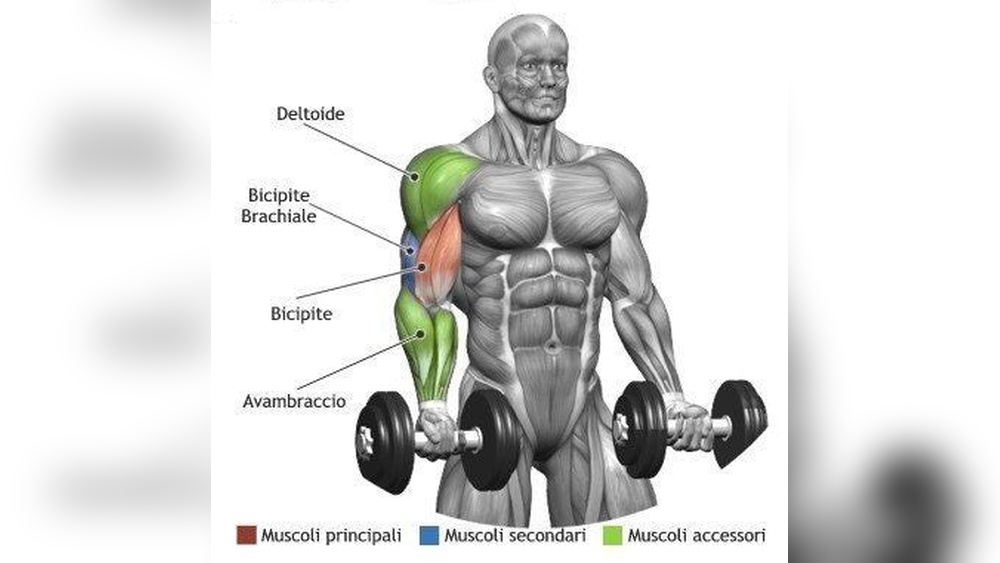
Are you wondering how many times you should lift dumbbells each week to see real results? Whether your goal is to build muscle, get stronger, or simply stay fit, knowing the right frequency is key.
Lift too often, and you risk injury and burnout. Lift too little, and progress stalls. But don’t worry—this guide will help you find the sweet spot for your workouts. You’ll learn how often to train, why rest days matter, and how to listen to your body to maximize gains without overdoing it.
Keep reading to discover the perfect dumbbell routine tailored just for you.
Optimal Dumbbell Frequency
Finding the right frequency for lifting dumbbells is key to steady progress. It depends on your fitness level and goals. The right routine balances workout and rest. This helps muscles recover and grow stronger.
General Recommendations
Most people should lift dumbbells two to three times per week. This allows enough time for muscle repair. Each session should target different muscle groups. Avoid working the same muscles on back-to-back days. Rest days help prevent injury and fatigue.
Frequency For Beginners
Beginners benefit from two sessions a week. Start with light weights and simple exercises. Focus on learning correct form before increasing intensity. Rest days are important to reduce soreness. As strength improves, add more sessions slowly.
Frequency For Advanced Lifters
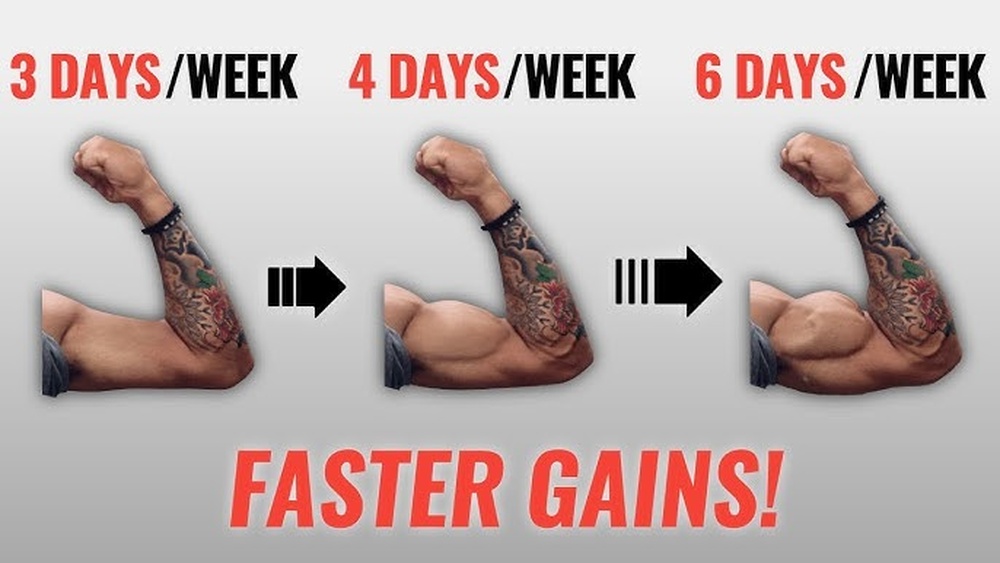
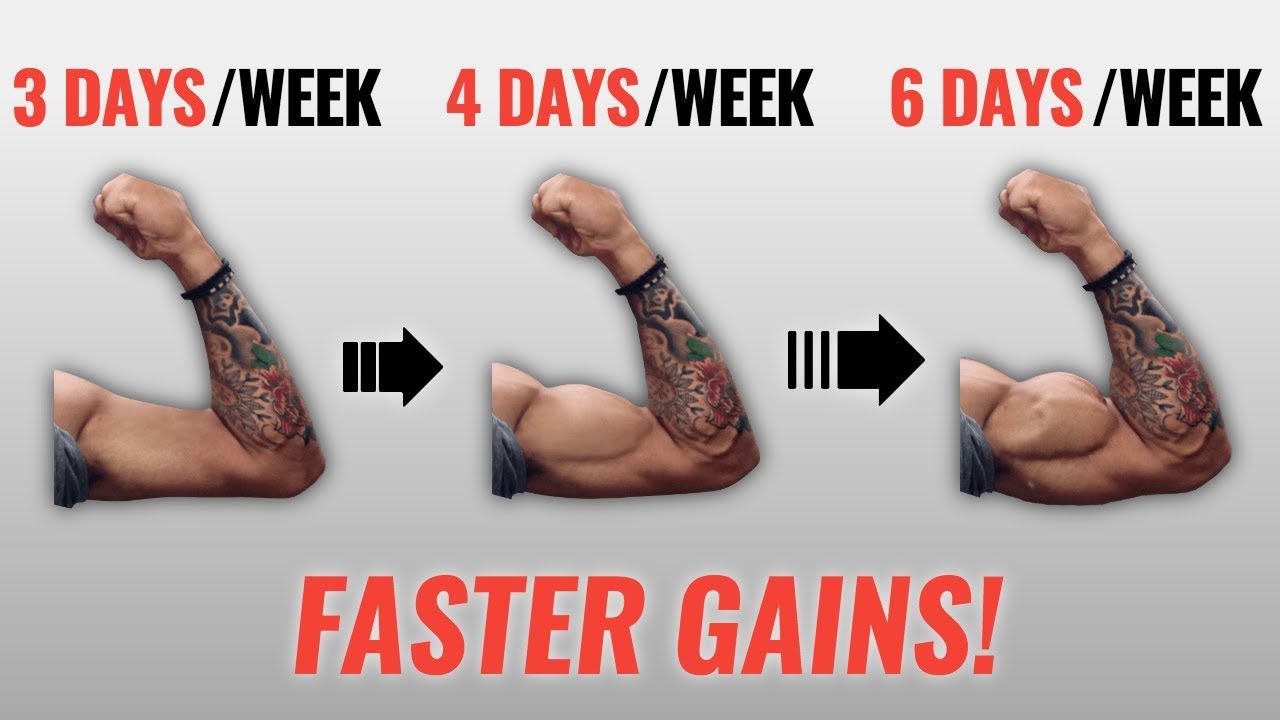
Advanced lifters can train four to six times weekly. They often use split routines to target specific muscles. This allows high intensity without overtraining. Experienced lifters must listen to their body’s signals. Rest and recovery remain crucial for gains.
Credit: www.youtube.com
Daily Dumbbell Lifting
Lifting dumbbells daily can seem like a good idea for fast progress. Many believe daily workouts build muscle quicker. Yet, muscles need time to repair and grow stronger. Without rest, daily lifting may cause harm rather than help. Understanding how often to lift is key for safe training.
Risks Of Daily Training
Training with dumbbells every day can lead to injuries. Overuse of the same muscles causes strains and joint pain. Without rest, muscles cannot repair properly. This raises the chance of fatigue and poor performance. Daily heavy lifting can also weaken the immune system.
Split Routine Benefits
A split routine divides workouts by muscle groups on different days. This allows daily training without overworking the same muscles. For example, train arms on Monday and legs on Tuesday. This gives each muscle group time to recover and grow. Split routines reduce injury risk and improve results.
Signs Of Overtraining
Overtraining shows through body and mind signals. Persistent muscle soreness after rest days is one sign. Feeling unusually tired or weak means your body needs more recovery. Mood changes like irritability or poor sleep also warn of overtraining. Ignoring these signs can cause long-term damage.
Muscle Recovery And Growth
Muscle recovery and growth are vital for making progress with dumbbell workouts. Muscles need time to heal after lifting. This healing process helps muscles become stronger and bigger.
Without proper recovery, muscles can become tired and injured. Rest allows the body to rebuild muscle fibers and prepare for the next workout. Understanding recovery helps you plan how often to lift dumbbells each week.
Role Of Rest Days
Rest days give muscles a break from stress. They prevent overuse and reduce the chance of injury. On rest days, your body focuses on healing and strengthening muscles.
Skipping rest can cause fatigue and slow progress. Rest days improve workout performance by letting muscles fully recover. Plan at least one or two rest days weekly for balanced training.
Muscle Repair Process
After lifting weights, tiny tears form in muscle fibers. The body repairs these tears during rest. This repair makes muscles thicker and stronger over time.
Protein is important for muscle repair. It helps rebuild damaged fibers. Eating enough protein supports faster recovery and better muscle growth.
Glycogen Replenishment
Glycogen is the energy stored in muscles. It gets used up during workouts. Rest and proper nutrition help refill glycogen levels.
Without enough glycogen, muscles feel weak and tired. Eating carbohydrates after exercise helps restore this energy. Refueling supports better performance and recovery.
Balancing Intensity And Rest
Balancing intensity and rest is key to an effective dumbbell workout plan. Pushing too hard without breaks can cause injury. Too much rest might slow progress. Finding the right mix helps build strength safely and efficiently. Listening to your body guides this balance well.
Adjusting workout intensity and allowing time for recovery ensures steady muscle growth. This balance also prevents burnout and keeps motivation high. Understanding how to manage these factors improves your fitness journey.
Varying Workout Intensity
Changing the workout intensity keeps muscles challenged and prevents plateaus. Use heavier weights with fewer reps some days. On other days, lift lighter weights with more reps. This variation helps muscles grow and recover properly. High-intensity sessions should not occur every day to avoid overtraining.
Importance Of Rest For Strength
Rest days are crucial because muscles grow when you rest, not while lifting. Without enough rest, muscles stay tired and weak. Schedule at least one or two rest days each week. These breaks allow your body to repair muscle fibers and build strength. Rest also reduces the risk of injury.
Monitoring Fatigue And Soreness
Pay attention to how your body feels after workouts. Mild soreness is normal and shows progress. Excessive fatigue or sharp pain signals you need more rest. Track your energy and muscle soreness to adjust your routine. Proper monitoring helps prevent injury and keeps workouts effective.
Tailoring Workouts To Goals
Tailoring your dumbbell workouts depends on your personal fitness goals. The frequency and style of training change based on what you want to achieve. Understanding your goals helps create a plan that fits your needs and lifestyle.
Here are some common goals and how to adjust your dumbbell routine for each one.
Building Muscle Mass
For muscle growth, lifting dumbbells three to four times a week works well. Focus on heavier weights with fewer repetitions. Allow at least one day of rest between sessions targeting the same muscle group. This rest helps muscles repair and grow stronger. Use exercises that challenge all major muscle groups for balanced development.
Improving General Fitness
To boost overall fitness, two to three dumbbell sessions per week are enough. Use moderate weights with more repetitions. This approach improves strength, endurance, and coordination. Mix in other activities like cardio or flexibility exercises. Keep workouts varied to stay motivated and avoid plateaus.
Weight Loss And Toning
For weight loss and toning, aim for three to five dumbbell workouts weekly. Use lighter weights and higher repetitions to increase calorie burn. Combine strength training with cardio to maximize fat loss. Consistency is key, along with a healthy diet. Focus on full-body movements to tone muscles evenly.

Credit: uppper.com
Sample Weekly Dumbbell Plans
Creating a weekly dumbbell plan helps organize workouts for better results. Planning workouts ensures balanced muscle training and proper rest. It also reduces injury risk and improves progress. Below are sample plans suited for various fitness levels and goals.
Two To Three Day Routine
This routine suits beginners and busy people. Train full body two or three times weekly. Focus on compound exercises like squats, presses, and rows. Perform 2-3 sets of 8-12 reps per exercise. Rest at least one day between sessions. This plan builds strength and endurance steadily.
Split Routine Example
Split routines divide workouts by muscle groups. Train 4-5 days per week, targeting different areas each day. Example: upper body on day one, lower body on day two, rest day three, repeat. This approach allows more volume per muscle group. It helps with muscle growth and recovery.
Light Week And Recovery
Plan a lighter week every 4-6 weeks. Reduce weight, sets, or reps to let muscles recover. This prevents burnout and overtraining. Use this time for stretching and mobility work. Recovery weeks improve long-term strength and keep motivation high.
Common Myths About Dumbbell Training
Many people have wrong ideas about dumbbell training. These myths can make your workout less effective or even harmful. Understanding the truth helps you train smarter and avoid injury.
Lifting Every Day Is Best
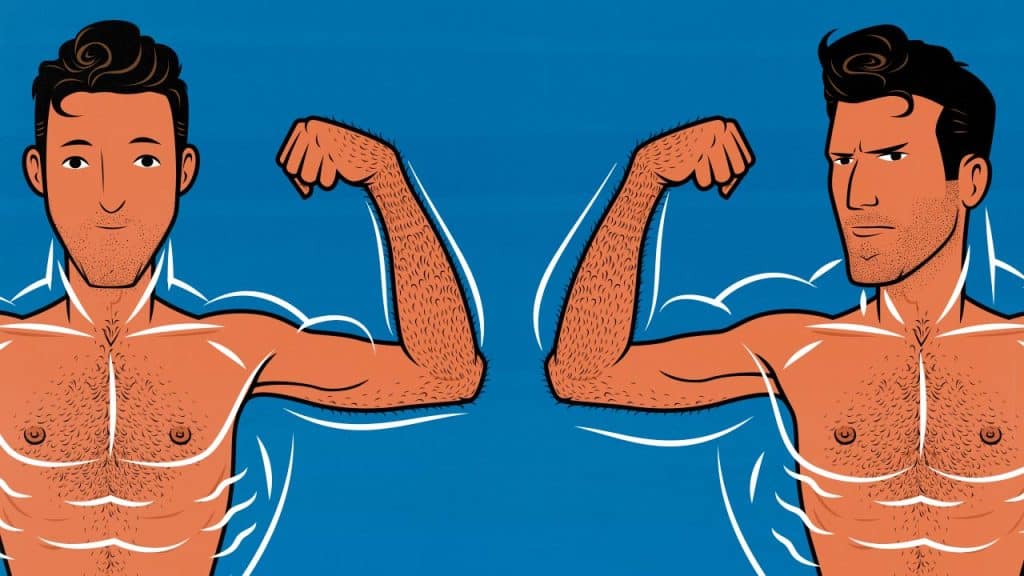
Some believe lifting dumbbells daily builds muscle faster. This is false. Muscles need time to rest and grow. Training the same muscles every day can cause injury and fatigue. A better plan is to rest at least one day between sessions for the same muscle group.
More Sets Mean Faster Gains
Doing many sets may seem like it speeds up progress. Actually, too many sets can lead to overtraining. Quality beats quantity. Focus on good form and moderate sets. This approach helps muscles grow without causing burnout.
Rest Days Are Wasted Time
Rest days are crucial for muscle repair and strength. Skipping rest can harm your progress. Muscles grow during rest, not during workouts. Taking breaks helps you come back stronger and prevents injury.
Credit: bonytobeastly.com
Frequently Asked Questions
Is It Okay To Lift Dumbbells Every Day?
Lifting dumbbells daily can cause overtraining and injury. Use a split routine and allow muscle recovery for best results.
How Many Times Should I Lift Dumbbells In A Week?
Lift dumbbells 2-3 times weekly to allow muscle recovery and growth. Use a split routine for daily lifting. Avoid overtraining by resting muscle groups between sessions. Monitor your body’s response and adjust frequency accordingly.
What Is The 3 3 3 Rule For Working Out?
The 3 3 3 rule means doing three exercises per workout, three times a week, for three weeks. Then, take a light week before repeating.
Do Muscles Grow On Rest Days?
Muscles grow on rest days as the body repairs microtears from exercise. Rest is essential for muscle recovery and growth.
Conclusion
Finding the right balance in dumbbell workouts matters most. Aim to train two to three times weekly for good muscle growth. Rest days help your muscles heal and get stronger. Changing exercises keeps workouts fresh and effective. Listen to your body and avoid pushing through pain.
Consistency and proper recovery lead to better results over time. Keep your routine simple and steady to stay motivated. This approach supports strength, health, and reduces injury risk.