
Wondering how much weight dumbbells you should lift to get the best results? Choosing the right weight can be confusing, especially if you’re just starting out or trying to reach a new fitness goal.
Lift too light, and you might not challenge your muscles enough. Lift too heavy, and you risk injury or poor form. But what if there was a simple way to find the perfect weight that fits your strength and helps you progress confidently?
Keep reading, because we’ll break down exactly how to pick the right dumbbell weight for your body and goals—so you can train smarter and see real results faster.
Choosing Starting Weights
Picking the right dumbbell weight is key to safe and effective workouts. Starting with the right weight helps build strength without injury. It keeps you motivated and ensures steady progress.
Understanding how to choose starting weights makes your fitness journey smoother. It fits your current strength level and workout goals.
Starting Light
Begin with light dumbbells to learn proper form. Light weights reduce the risk of strain and injury. Focus on technique before increasing weight. This approach builds a strong foundation for future gains.
Challenging Yet Manageable
Select a weight that feels tough but doable for 8 to 12 reps. You should feel effort on the last reps without losing form. This balance helps muscles grow safely. Adjust weights as you get stronger to keep progress steady.
Different Weights For Body Parts
Use different dumbbell weights for various muscle groups. Larger muscles like legs can handle heavier weights. Smaller muscles like arms need lighter weights to avoid strain. Tailoring weights to body parts improves workout effectiveness and safety.
Testing And Adjusting
Testing and adjusting the weight of your dumbbells is key to steady progress. It helps you find the right balance between challenge and safety. Choose a weight that suits your current strength and goals. Then, pay attention to how your body reacts during workouts. This process allows you to lift effectively without risking injury.
Listening To Your Body
Your body sends signals about the weight you lift. Muscle fatigue is normal, but sharp pain is not. Stop or lower the weight if you feel discomfort. Notice if you can complete your reps without losing control. Adjust weights based on how you feel each session. Avoid copying others; your strength is unique.
Proper Form Importance
Maintaining good form is more important than lifting heavy weights. Poor form can cause injuries and reduce results. Use a weight that lets you move correctly and smoothly. If your technique falters, reduce the weight. Focus on controlled movements and full range of motion. Good form builds strength safely and effectively.
When To Increase Weight
Increase weight when your current dumbbells feel too easy. You should complete sets with good form and little strain. If you can do extra reps beyond your goal, it’s time to add weight. Small increments help prevent injury and boost progress. Regularly test your limits to keep challenging your muscles.
Weight Recommendations
Choosing the right dumbbell weight is key for effective workouts. The weight should challenge your muscles without causing strain. Picking the correct weight helps improve strength and avoids injury. Focus on weights that let you complete your reps with good form.
Weight recommendations vary by experience, gender, and exercise type. Starting with the right dumbbells sets a strong foundation. Adjust weights as your strength improves to keep seeing results.
Beginner Weights By Gender
Beginners need lighter weights to build strength safely. For women, dumbbells between 5 to 10 pounds work well. Men may start with weights from 10 to 20 pounds. These ranges help develop muscle without excessive fatigue. Always start on the lighter side and increase gradually.
It is important to listen to your body. Choose weights that feel manageable but still require effort. Avoid lifting too heavy too soon. This approach reduces injury risks and supports steady progress.
Weights For Different Exercises
Dumbbell weight depends on the exercise you perform. For arm curls, lighter weights like 5 to 15 pounds suit most people. For chest presses or squats, heavier weights from 15 to 30 pounds may be needed. Larger muscles can handle more load.
Use lighter weights for exercises targeting smaller muscles. Use heavier dumbbells for compound movements involving multiple muscle groups. Adjust weight based on your form and muscle fatigue. The goal is to challenge muscles without losing control.

Credit: www.womenshealthmag.com
Progression Strategies
Progression strategies help you improve strength safely and steadily. They guide your workout as your muscles adapt. Changing your routine prevents plateaus and keeps gains coming. Use simple methods to increase challenge without risk of injury. Focus on small steps that build confidence and power.
Increasing Repetitions
Start by adding more repetitions to your sets. This improves endurance and muscle control. For example, if you do 10 reps, try 12 next time. Increase reps only if your form stays strong. Do not rush; progress gradually to avoid strain.
Switching To Heavier Dumbbells
Once you reach your target reps easily, try heavier dumbbells. Choose a weight that makes the last reps tough but doable. This builds muscle strength and size. Always maintain good technique to prevent injuries. Change weights in small steps for steady progress.
Using Adjustable Dumbbells
Adjustable dumbbells offer flexibility for gradual increases. You can add small amounts of weight as you get stronger. This saves space and money compared to many fixed dumbbells. They are perfect for home workouts and varied exercises. Change weights quickly to match your training needs.
Common Mistakes To Avoid
Choosing the right dumbbell weight can be tricky. Many beginners make mistakes that slow progress and cause injury. Avoiding these common errors ensures safer workouts and better results.
Understanding what to avoid helps build strength steadily. Focus on safe lifting habits and proper technique for success.
Lifting Too Heavy Too Soon
Pushing yourself with heavy weights too early can cause injury. Muscles and joints need time to adapt. Start with lighter weights to learn movements. Gradually increase weight as strength improves. This method prevents strain and allows steady progress.
Ignoring Form
Good form is essential for effective workouts. Poor technique can lead to pain and injury. Always control your movements and keep your body aligned. Stop if you feel discomfort or lose control. Practicing correct form builds muscle safely and efficiently.
Comparing To Others
Everyone has different strength and fitness levels. Comparing your weights to others can cause frustration or injury. Focus on your own progress and choose weights that suit your ability. Listen to your body and adjust accordingly for best results.
Setting Fitness Goals
Setting clear fitness goals helps choose the right dumbbell weight. Your target affects how much weight you should lift. This section explains how goals like muscle building, toning, or strength maintenance guide your dumbbell selection.
Muscle Building
For muscle building, pick a weight that challenges you. Aim for weights that let you do 6 to 12 reps with effort. The last reps should feel tough but doable without losing form. Gradually increase weight as your muscles grow stronger.
Toning And Endurance
Toning needs lighter weights with more repetitions. Choose dumbbells that allow 12 to 20 reps per set. The goal is to keep muscles working longer to improve endurance. Focus on controlled movements and steady breathing during exercises.
Strength Maintenance
To maintain strength, use moderate weights and fewer reps. Usually, 8 to 10 reps per set work well. This keeps muscles active and prevents loss of strength. Keep consistent sessions to support your current fitness level.
Sample Beginner Workouts
Starting with the right dumbbell workouts helps build strength safely. These sample beginner workouts suit most fitness levels. They focus on form and gradual progress. Choose weights that feel challenging but manageable.
Try these routines to learn basic moves. They prepare your muscles for more intense training later. Consistency is key. Perform exercises two to three times a week.
Rule Of Three Routine
This routine includes three exercises per session. Do it three times a week for three weeks. Each exercise targets a different muscle group. Examples are squats, dumbbell presses, and rows. Perform 10 to 12 repetitions for each. Rest for one minute between sets. After three weeks, take a light week to recover.
Full Body Workouts
Full body workouts engage all major muscles. Start with dumbbell squats, lunges, and overhead presses. Add dumbbell deadlifts and chest presses. Perform 2 to 3 sets of 8 to 12 reps. Use a weight that challenges you but keeps form correct. These workouts build overall strength and endurance.
Arm Toning Exercises
Focus on biceps, triceps, and shoulders with simple moves. Try dumbbell curls, tricep kickbacks, and lateral raises. Do 2 to 3 sets of 12 to 15 reps. Use lighter weights for better control. These exercises help tone and define your arms gradually.

Credit: www.wikihow.com
Credit: trugrit-fitness.com
Frequently Asked Questions
What Is A Good Weight To Lift Dumbbells?
A good dumbbell weight challenges you by making the last reps difficult but allows proper form. Start light, adjust as you progress, and choose weights based on your strength and exercise type.
What Is The 3 3 3 Rule For Working Out?
The 3 3 3 rule for working out means doing three exercises per session, three times a week, for three weeks. Then, take a light week before repeating.
Will 10lb Weight Tone Arms?
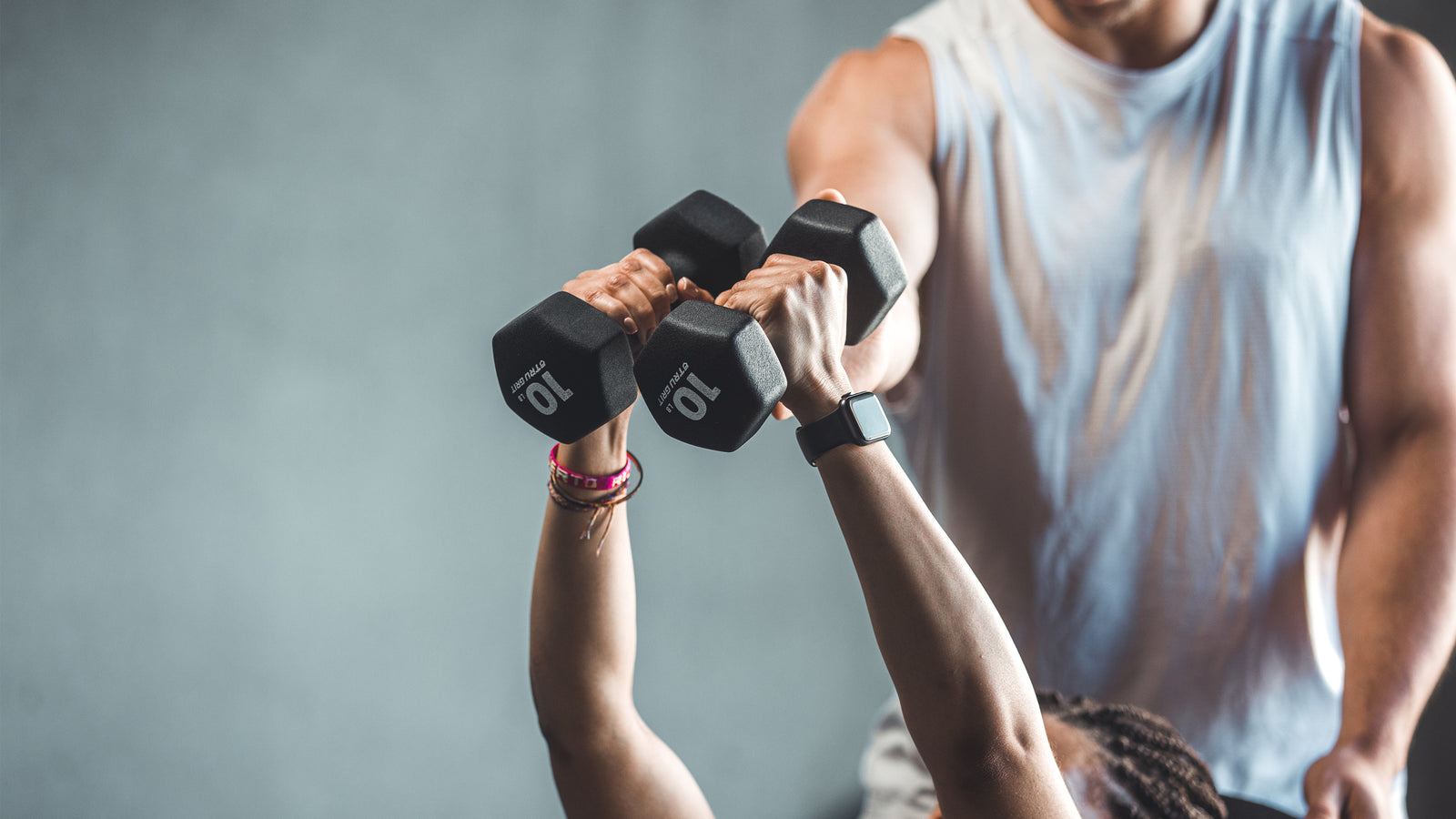
Yes, lifting 10lb weights can tone arms if you perform consistent, controlled exercises targeting arm muscles. Adjust reps for challenge.
How Much Dumbbell Weight Should I Lift To Build Muscle?
Choose a dumbbell weight that makes the last 2-3 reps challenging while maintaining proper form. Adjust as you gain strength.
Conclusion
Choosing the right dumbbell weight depends on your strength and goals. Start with lighter weights that let you keep good form. The last few reps should feel challenging but not impossible. Different exercises need different weights—legs usually handle heavier loads than arms.
Pay attention to your body and increase weight gradually as you get stronger. Consistency and proper technique matter more than lifting heavy right away. Keep adjusting your weights to match your progress. This approach helps you build strength safely and effectively over time.


