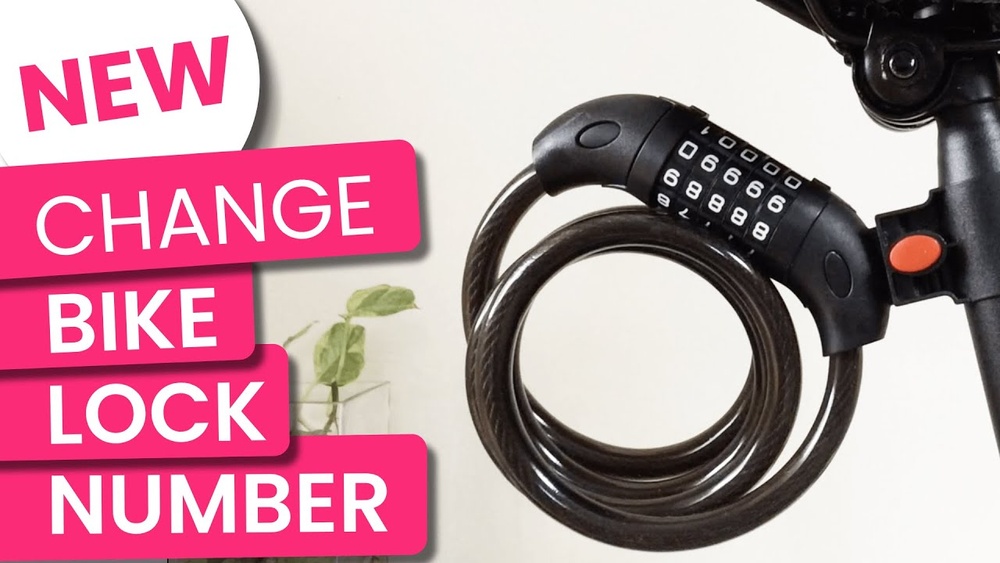
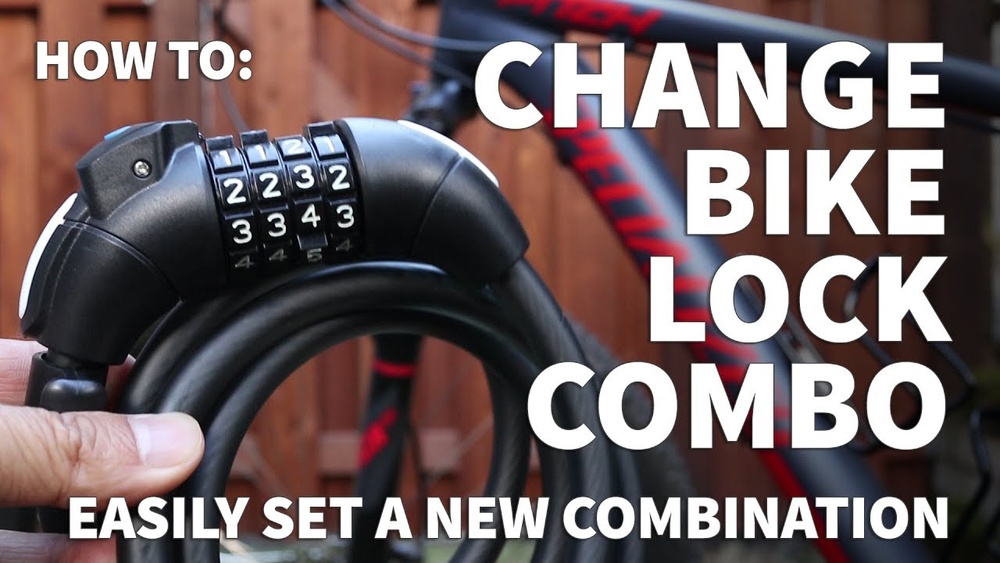
You rely on your bike lock to keep your bike safe, but what if you want to change the combination to something easier to remember or more secure? Knowing how to change the combination on your bike lock puts you in control of your bike’s security.
It’s simpler than you might think, and once you learn the steps, you’ll never worry about forgetting or sharing your code again. Keep reading, and you’ll discover a clear, step-by-step method to reset your bike lock’s combination quickly and confidently.
Your bike’s safety is in your hands—let’s make sure your lock works exactly the way you want it to.
Types Of Bike Locks
Bike locks come in various types, each designed to offer different levels of security and convenience. Choosing the right lock depends on your needs and where you park your bike. Understanding the main types helps you pick the best lock for your bike.
Cable Locks
Cable locks are flexible and lightweight. They use steel cables covered in plastic. You can easily wrap them around bike frames and poles. These locks are good for short stops. They offer basic protection but can be cut by strong tools.
U-locks
U-locks are shaped like the letter “U.” They are made of hardened steel, making them very strong. These locks fit around bike frames and fixed objects. U-locks resist most cutting tools. They provide better security than cable locks but can be heavier to carry.
Chain Locks
Chain locks use heavy metal links to secure your bike. They are flexible but tough to break. These locks come with a sturdy padlock. Chain locks are good for high-risk areas. They are heavier but offer strong protection against theft.
Folding Locks
Folding locks combine flexibility and strength. They consist of metal plates connected by rivets. These locks fold into a compact shape for easy carrying. Folding locks are harder to cut than cable locks. They offer a good balance between security and convenience.
Tools Needed
Changing the combination on a bike lock is simple with the right tools. Having these tools ready makes the process faster and easier. Each tool has a specific role in helping you reset your lock safely. Keep them handy before you start.
Reset Button Tools
Most bike locks have a reset button to change the code. You need a small, pointed tool to press this button. This can be a pin, needle, or a small screwdriver. The tool must fit well to press the button without slipping.
Pen Or Small Stick
A pen or a small stick works well to push the reset button. Choose something thin and strong. It should easily reach into the tiny hole where the reset button is. Avoid using thick or soft objects that may not press the button fully.
Instruction Manual
Always check the instruction manual for your bike lock. It shows the exact location of the reset button. The manual explains the steps to set a new combination. Following the guide helps avoid mistakes and keeps your lock secure.
Locating The Reset Mechanism
Finding the reset mechanism is the first step to changing your bike lock combination. The reset feature is not always obvious. You need to carefully check the lock to locate it. This guide helps you identify common reset spots. Knowing where the reset mechanism is saves time and avoids damage.
Inside The Lock
Some locks have the reset mechanism inside the lock body. You may need to open or partially open the lock. Look for a small button or lever inside. Use a thin tool to press or slide it. This type usually requires the lock to be open before resetting.
On The Lock Body
Other locks place the reset switch on the outside. It might be a small button or dial on the lock’s side or back. Look closely for a tiny hole or recessed button. You might need a pen or paperclip to press it. This design lets you reset the combination without opening the lock.
Hidden Reset Buttons
Some bike locks hide the reset button to avoid accidental changes. Check under stickers, caps, or inside the shackle area. The button might blend with the lock’s color. Shine a light or gently feel around to find it. Once found, pressing and holding this button will let you change the code.
Step-by-step Reset Process
Changing the combination on your bike lock is simple and quick. The process requires only a few easy steps. Follow this step-by-step reset process to set your own code. You will keep your bike secure with a new combination you can remember.
Press And Hold Reset Button
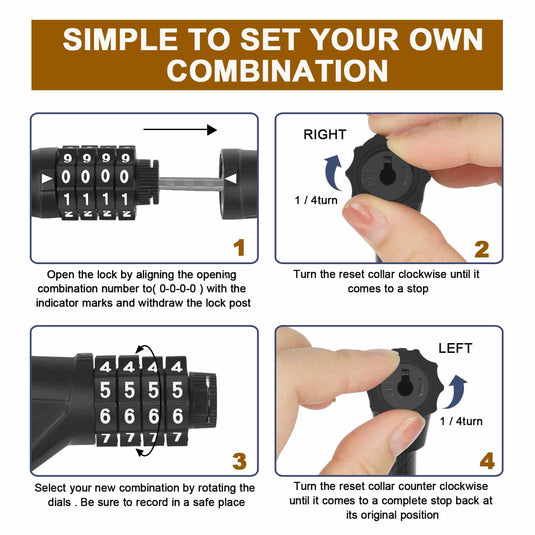
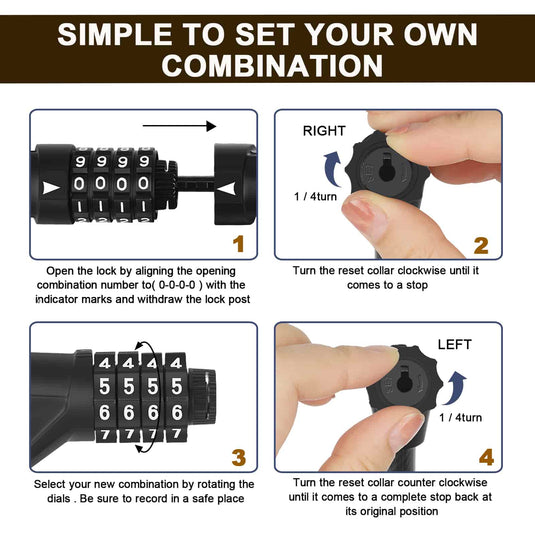
Locate the reset button on your bike lock. It is usually small and found near the dials or inside the lock mechanism. Use your finger or a small tool to press and hold this button firmly. Keep holding it throughout the next steps.
Set New Combination
While holding the reset button, turn the dials to your desired numbers. Choose a combination that is easy for you to remember but hard for others to guess. Make sure each digit lines up correctly with the marker on the lock.
Release Reset Button
Once your new combination is set, release the reset button. This action saves your new code in the lock’s memory. Do not turn the dials after releasing the button, as it may cancel the new code.
Test The New Code
Close the lock and scramble the dials to mix the numbers. Enter your new combination to check if it opens smoothly. Repeat the test a few times to confirm the reset was successful. Your bike lock is now secure with your chosen combination.
Changing Combination Without Reset Button
Changing the combination on a bike lock without a reset button can seem tricky. Many locks use this design for extra security. You must follow specific steps carefully. These steps involve applying tension, aligning number wheels, and locking in the new code. Doing this right lets you set a new combination easily.
Applying Tension To Lock
Start by pulling the shackle or cable to open the lock. Keep steady tension on it. This tension is key to changing the code. Without enough pressure, the lock won’t allow wheel movement. Hold the tension firmly but do not force it. This step helps the lock release the wheels for change.
Aligning Number Wheels
With tension applied, turn each number wheel slowly. Watch for a slight click or drop. This indicates the wheel has moved to a new position. Align all wheels to your desired new code. Take your time and check each wheel carefully. Proper alignment ensures your new combination will work.
Locking In The New Code
Once all wheels show the new numbers, release the tension slowly. Push the shackle or cable back into place. This locks in your new combination. Test the new code by scrambling the numbers. Then try opening the lock again with the new code. Your combination change is complete and secure.

Credit: www.youtube.com
Tips For Choosing A Secure Combination
Choosing the right combination for your bike lock is key to keeping your bike safe. A strong combination reduces the chance of theft. Simple numbers are easy to guess. Follow these tips to create a secure, reliable combination.
Avoid Common Patterns
Do not use easy sequences like 1234 or 0000. Avoid birthdays or repeated numbers. Thieves try these first. Mix numbers in a random order. This makes your lock harder to crack.
Use Memorable Numbers
Pick numbers you can easily recall. Use parts of phone numbers or addresses. This helps you remember the code without writing it down. Avoid sharing your combination with others.
Update Regularly
Change your combination every few months. This lowers the risk of someone guessing it. Reset the code if you think it is known. Regular updates keep your bike secure.
Troubleshooting Common Issues
Troubleshooting common issues when changing your bike lock combination helps avoid frustration. Many users face problems like forgetting the combination or the reset button not working. Knowing how to fix these issues lets you regain control quickly. Here are some tips for common problems and how to solve them effectively.
Forgotten Combination
Forgetting your bike lock combination is common. Try to recall any familiar numbers or patterns. Start with birthdays, anniversaries, or simple sequences you may have used. Slowly rotate each dial while applying light tension to the shackle. This method can help you find the correct code by feel.
If that fails, check if your lock has a default factory code printed in the manual or on the lock itself. Contact the manufacturer for advice if you still cannot open it. Avoid forcing the lock to prevent damage.
Reset Button Not Working
The reset button may stick or fail due to dirt or wear. Clean around the button gently with a small brush or compressed air. Press the button firmly but avoid excessive force. Sometimes the button requires holding for a few seconds before it activates.
Check your lock’s manual for the exact reset procedure. Some locks need the shackle in a specific position to reset. If the button still does not work, the lock might be damaged and need replacement.
Lock Won’t Open After Reset
If the lock does not open after you reset the combination, the new code might not be set correctly. Repeat the reset process carefully, making sure to keep the reset button pressed while turning the dials. Release the button only after setting the new code.
Double-check the new combination by trying to open the lock several times before locking it again. If problems continue, reset to the original code or contact the lock manufacturer for support.
Credit: pi-mi.bg
Maintaining Your Bike Lock
Maintaining your bike lock ensures it works smoothly and lasts longer. A well-kept lock resists rust and jams. It also keeps your bike safe from theft. Simple care steps protect your investment and save frustration.
Regular Cleaning
Clean your bike lock regularly to remove dirt and grime. Use a soft brush or cloth to wipe the surface. Avoid harsh chemicals that can damage the lock’s finish. Dirt buildup can cause the lock to stick or malfunction. Cleaning helps maintain smooth operation and extends the lock’s life.
Lubricating Moving Parts
Apply lubricant to the lock’s moving parts for easy turning. Use a dry lubricant or one designed for locks to avoid attracting dust. Insert a small amount into the keyhole and dials. Turn the lock to spread the lubricant evenly inside. Regular lubrication prevents rust and keeps the mechanism working well.
Storing Properly
Store your bike lock in a dry place when not in use. Avoid leaving it exposed to rain or harsh weather. Moisture causes rust and corrosion, harming the lock’s function. Keep the lock away from extreme temperatures to protect internal parts. Proper storage helps maintain reliability and security.
When To Replace Your Lock
Knowing when to replace your bike lock is important for your bike’s safety. A worn or damaged lock cannot protect your bike well. Regular checks help you decide if it is time for a new lock. Here are clear signs and situations that show you need to replace your lock.
Signs Of Wear
Look closely at your bike lock. Rust on the metal parts weakens it. Dials that do not turn smoothly cause problems. If the lock jams or sticks, it may fail soon. Scratches and cracks on the lock body show damage. These signs reduce the lock’s strength and reliability.
Security Upgrades
Older locks may not stop new theft tools. Newer locks often have better security features. Upgrading to a stronger lock gives better protection. High-security locks resist cutting and picking. Changing your lock can keep your bike safer in high-risk areas.
Lost Keys Or Irreparable Damage
Losing the keys to your lock means you cannot open it. Sometimes, a lock gets damaged beyond repair. Broken cables or snapped parts make the lock useless. In these cases, replacing the lock is the only choice. Do not risk leaving your bike unlocked or poorly secured.
Credit: fittoobicycle.com.au
Frequently Asked Questions
How Do I Change The Code On A Combination Bike Lock?
To change your combination bike lock code, locate and press the reset button. Hold it while turning the dials to set your new code. Release the button to save the new combination. Finally, scramble the wheels to lock it securely.
How Do You Set A 4-digit Combination Lock On A Bike?
Align the lock to the current combination. Press and hold the reset button or lever. Set your new 4-digit code by turning the dials. Release the reset button to lock the new combination. Test the new code before securing your bike.
How Do You Reset A 4 Digit Combination Lock?
To reset a 4-digit combination lock, press and hold the reset button or lever. While holding, turn the dials to your new code. Release the reset mechanism to save the new combination. Test the lock to ensure the new code works correctly.
How Do I Change The Code On A Combination Lock?
To change a combination lock code, locate the reset button or lever. Press and hold it, turn dials to a new code, then release. Scramble the wheels to lock the new combination.
Conclusion
Changing your bike lock combination is simple and keeps your bike secure. Always remember your new code and test it before locking. Avoid sharing the combination with others to stay safe. Regularly updating your lock’s code adds extra protection. Follow the steps carefully to ensure success every time.
Now, you can confidently change your bike lock combination whenever needed.