If you’re looking to build stronger glutes, hamstrings, and improve your overall lower-body strength, the sumo deadlift with dumbbells is a perfect exercise to add to your routine. But how do you do it right without risking injury or missing out on the benefits?
This guide will walk you through the exact steps to perform a dumbbell sumo deadlift safely and effectively, so you can feel confident and see real results. Stick with me, and by the end, you’ll know how to master this powerful move and unlock new gains in your workouts.
Ready to get started?
Sumo Deadlift Basics
The sumo deadlift is a powerful exercise that targets many muscles in your lower body. Using dumbbells makes it accessible and easy to perform anywhere. Learning the basics ensures you do the move safely and effectively.
This section covers the essential points about stance, foot position, grip, and dumbbell placement. Follow these tips to build strength and avoid injury.
Stance And Foot Position
Stand with your feet wider than shoulder-width apart. Point your toes outward at about a 45-degree angle. This stance helps engage your inner thighs and glutes better.
Keep your weight evenly distributed on your feet. Your knees should track in line with your toes as you move. This alignment protects your joints and improves balance.
Grip And Dumbbell Placement
Hold one dumbbell in each hand with a neutral grip, palms facing your body. Let the dumbbells hang in front of your legs, close to your shins.
Keep your arms straight and relaxed. Avoid gripping too tightly to prevent unnecessary tension. This position allows a smooth, controlled lift from the ground.
Step-by-step Form
Learning the proper form for the sumo deadlift with dumbbells is key to avoid injury and get the best results. This section breaks down each move into simple steps. Follow these instructions carefully to build strength safely and effectively.
Starting Position Setup
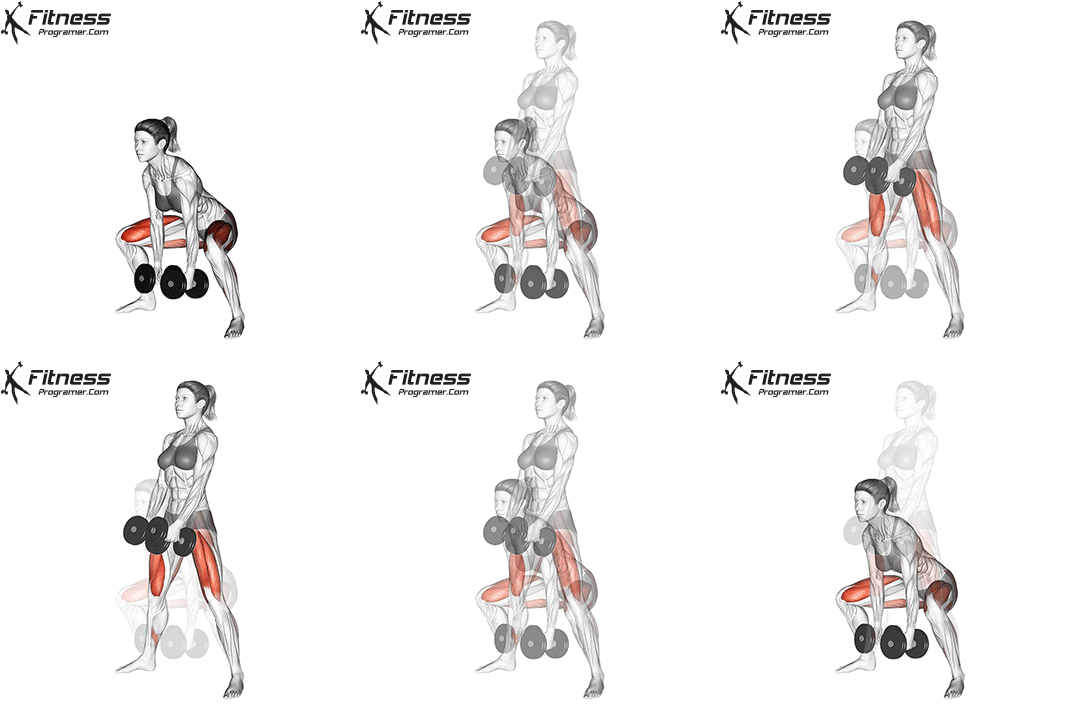
Stand with your feet wider than shoulder-width apart. Point your toes outward at about a 45-degree angle. Hold one dumbbell in each hand, letting them hang between your legs. Keep your chest up and your back straight. Engage your core muscles to protect your lower back.
Hip Hinge And Lowering
Begin by bending your hips backward, not your knees. Push your hips back as you lower the dumbbells toward the floor. Keep the dumbbells close to your legs throughout the movement. Your knees should bend slightly but stay aligned with your toes. Lower until you feel a stretch in your hamstrings or the dumbbells reach just below your knees.
Returning To Standing
Drive through your heels to push your hips forward. Straighten your hips and knees as you stand up. Squeeze your glutes at the top of the movement. Keep your chest lifted and back flat during the entire lift. Lower the dumbbells back to the starting position in a controlled way to repeat.
Common Form Mistakes
Common form mistakes can reduce the benefits of the sumo deadlift with dumbbells. They also raise the risk of injury. Correct form helps you target the right muscles. It improves your strength and balance. Pay attention to these common errors to keep your workout safe and effective.
Avoiding Excessive Forward Lean
Lean too far forward and you strain your lower back. Keep your chest up and your spine neutral. Imagine a straight line from your head to your hips. Bend at the hips, not the waist. This keeps the weight balanced and your back safe.
Keeping Knees Tracking Over Toes
Knees should move in line with your toes. Letting them fall inward or outward causes knee pain. Push your knees gently out during the lift. This activates your glutes and protects your joints. Always check your knee position in a mirror or video.
Preventing Rounded Back
A rounded back stresses your spine and weakens the lift. Tighten your core and keep your shoulders back. Think about pulling your chest up and opening your chest. This keeps your back flat and strong. Use lighter dumbbells if you struggle to hold this position.

Credit: www.youtube.com
Muscles Worked
The sumo deadlift with dumbbells is a powerful exercise that targets several key muscles. It mainly works the lower body and core. Understanding which muscles activate helps you focus on form and gains.
This move stands out for its wide stance and different muscle emphasis than regular deadlifts. It engages muscles that improve strength, balance, and posture.
Targeting Glutes And Hamstrings
The wide stance in the sumo deadlift shifts tension to the glutes and hamstrings. These muscles are key for hip extension and power.
As you lift, the glutes contract strongly to bring the hips forward. The hamstrings work hard to control the movement and stabilize the legs.
This makes the sumo deadlift excellent for building round, strong glutes and flexible, powerful hamstrings.
Engaging Core And Lower Back
The core muscles keep your torso stable during the lift. They prevent your spine from rounding and protect your lower back.
Your lower back muscles also engage to support the spine. They work with the core to maintain good posture through the motion.
This muscle engagement reduces injury risk and builds a strong, durable back.
Benefits Of Dumbbell Sumo Deadlift
The dumbbell sumo deadlift offers many benefits beyond traditional deadlifts. This exercise targets multiple muscle groups using a wider stance and a unique grip. It helps build strength, stability, and endurance. People of all fitness levels can perform it safely and effectively.
Using dumbbells allows for greater range of motion and better control. It also reduces stress on the lower back compared to barbell deadlifts. This makes it ideal for beginners and those recovering from injuries. The following sections highlight key advantages of the dumbbell sumo deadlift.
Improving Posterior Chain Strength
The dumbbell sumo deadlift strengthens the entire posterior chain. This includes the hamstrings, glutes, and lower back muscles. These muscles are crucial for posture and movement. Stronger posterior muscles reduce injury risk and improve athletic performance. This exercise activates these muscles more due to the wide stance.
Enhancing Core Stability
This deadlift version requires strong core engagement. Holding dumbbells challenges the abdominal and lower back muscles to stabilize the body. A stable core supports proper lifting form. It also protects the spine during heavy lifts. Regular practice improves balance and overall body control.
Building Grip Strength
Gripping dumbbells during the sumo deadlift increases hand and forearm strength. Grip strength is important for many daily tasks and sports. Dumbbells require a firm hold, enhancing muscle endurance in the hands. Improving grip strength also helps with other weightlifting exercises.
Credit: fitnessprogramer.com
Variations And Progressions
Exploring variations and progressions of the sumo deadlift with dumbbells helps improve strength and technique. Changing tempo, weight, or equipment challenges muscles differently. This keeps workouts fresh and effective. It also aids steady progress and reduces injury risk.
Adding Tempo And Pauses
Slowing down the movement increases time under tension. Lower the dumbbells slowly for three to five seconds. Pause at the bottom for one to two seconds. This improves control and strengthens weak points. Adding pauses also enhances muscle activation and stability.
Using Heavier Dumbbells
Increasing dumbbell weight builds muscle and strength. Choose a weight that challenges you but keeps good form. Gradually add more weight as you get stronger. Heavier loads improve power and endurance. Always lift with control to avoid injury.
Incorporating Kettlebells
Kettlebells offer a different grip and balance. Use one or two kettlebells instead of dumbbells. Kettlebells shift your center of gravity, engaging stabilizer muscles. This variation promotes better coordination and core strength. It adds variety to your routine and targets muscles in new ways.
Safety Tips
Safety is the top priority when performing the sumo deadlift with dumbbells. This exercise targets multiple muscles but can cause injury if done incorrectly. Following safety tips helps protect your body and improve performance. Pay close attention to warm-up, posture, and breathing. These factors reduce injury risks and enhance your workout.
Warm-up Recommendations
Start with light cardio for 5 to 10 minutes. This increases blood flow and warms your muscles. Perform dynamic stretches focusing on hips, hamstrings, and lower back. Examples include leg swings and hip circles. Begin the sumo deadlift with lighter dumbbells. This helps your muscles adapt to the movement. Gradually increase weight as you feel comfortable and confident.
Avoiding Lower Back Strain
Keep your back straight throughout the lift. Avoid rounding or arching the spine. Engage your core muscles before lifting the dumbbells. This stabilizes your lower back and prevents strain. Push your hips backward, not down, as you lower the dumbbells. Keep the dumbbells close to your body to reduce stress on your back. Stop immediately if you feel any sharp or unusual pain.
Proper Breathing Technique
Inhale deeply before you lift the dumbbells. Hold your breath briefly as you rise, keeping your core tight. Exhale slowly as you return to the starting position. Controlled breathing maintains intra-abdominal pressure, supporting your spine. Avoid shallow or irregular breathing to reduce fatigue. Practice breathing rhythm to stay calm and focused during the exercise.

Credit: liftmanual.com
Sample Workouts
Sample workouts can help you build strength and improve your sumo deadlift form using dumbbells. These routines target your glutes, hamstrings, and lower back. Try one based on your experience level to get the best results.
Beginner-friendly Routine
Start with light dumbbells to learn the proper sumo deadlift form. Perform 3 sets of 10 reps. Rest for 60 seconds between sets. Focus on keeping your back straight and feet wide apart. This routine helps build a strong foundation.
Intermediate Challenge
Use moderate-weight dumbbells for this workout. Complete 4 sets of 8 reps. Take 90 seconds to rest between sets. Add a slow lowering phase to increase muscle control. This routine improves strength and muscle endurance.
Advanced Training Plan
Choose heavy dumbbells for maximum effort. Do 5 sets of 6 reps with 2 minutes of rest. Include a pause at the bottom of each rep to boost tension. Add a short cardio session after to enhance fat burning. This plan builds power and muscle size.
Frequently Asked Questions
Can Sumo Deadlift Be Done With Dumbbells?
Yes, you can perform sumo deadlifts with dumbbells. Use a wide stance, hold dumbbells between your legs, and hinge at the hips. Keep your back straight, engage glutes and hamstrings, and lift by driving through your heels. This targets your posterior chain effectively.
How To Do A Sumo Deadlift Properly?
Stand with feet wider than shoulder-width, toes pointed out. Keep back flat, engage core. Bend hips, push glutes back, lower bar close to shins. Track knees over toes. Drive through feet, squeeze glutes, and return to standing. Maintain controlled, steady movement throughout.
Is It Okay To Do Deadlifts With Dumbbells?
Yes, deadlifts with dumbbells effectively target glutes, hamstrings, and lower back. Maintain a flat back and hinge at hips. Keep dumbbells close to your shins and engage your core throughout. This variation suits beginners and adds variety to your strength routine.
What Is Sumo Deadlift Good For?
The sumo deadlift strengthens glutes, hamstrings, quads, and lower back. It improves hip mobility and boosts overall power and posture.
Conclusion
Sumo deadlifts with dumbbells build strength in your legs and glutes. Keep your back straight and feet wide for best results. Control your movements to avoid injury and improve balance. This exercise fits well in home or gym workouts. Practice regularly to feel stronger and more stable.
Simple, effective, and accessible for many fitness levels. Try it today and enjoy the benefits.