If you want to build a stronger, more defined chest, mastering the dumbbell chest press is a great place to start. This simple yet powerful exercise targets your chest muscles effectively while also engaging your shoulders and triceps.
But doing it the right way matters—poor form can lead to injury or reduce the benefits you get. In this guide, you’ll learn exactly how to do a chest press with dumbbells, step by step, so you can maximize your gains and stay safe.
Ready to boost your upper body strength and feel more confident in your workouts? Keep reading to discover the easy techniques that will transform your chest press routine.
Setup And Starting Position
Starting a chest press with dumbbells requires the right setup and position. Proper setup helps you lift safely and target your chest muscles effectively. This section explains how to prepare your body and equipment before the lift.
Choosing The Right Bench
Select a flat bench for stability and support. Avoid benches that wobble or tilt. A sturdy bench keeps your body steady during the press. It also helps maintain good form and reduces injury risk.
Positioning Your Feet And Legs
Place your feet flat on the floor, hip-width apart. Your legs should be bent at about 90 degrees. Firm foot placement creates a strong base. Keep your feet to the side of the bench for balance. This position helps you push the weight safely.
Holding The Dumbbells
Hold the dumbbells with palms facing your feet or slightly inward. Keep your wrists straight and aligned with your forearms. This grip protects your wrists from strain. Rest the dumbbells on your thighs before lying back. Use your thighs to help lift the dumbbells into position above your chest.
Body Alignment And Posture
Proper body alignment and posture are key to a safe and effective chest press with dumbbells. Maintaining correct positioning helps target the chest muscles and prevents injury. Each part of your body plays a role in stabilizing the movement. Focus on keeping your shoulders, back, core, and hips aligned. This section explains how to position your body for the best results.
Retracting Shoulder Blades
Start by pulling your shoulder blades back and down. This action stabilizes your shoulders and protects the joints. Retracting your shoulder blades opens the chest and creates a strong base. Avoid letting your shoulders round forward. Keep them firm and steady throughout the press.
Creating Upper Back Arch
Push your chest up to create a slight arch in your upper back. This arch helps engage your chest muscles better. It also prevents your lower back from taking too much strain. The arch should be natural, not exaggerated. Keep your back pressed gently against the bench.
Engaging Core And Glutes
Tighten your core muscles to support your spine. A strong core keeps your body stable during the movement. Squeeze your glutes and keep them on the bench. This prevents your hips from lifting, which can strain your lower back. Firm core and glutes create a solid foundation for the press.
Performing The Chest Press
Performing the chest press with dumbbells requires focus and control. Proper form helps you target your chest muscles effectively. Start by lying on a flat bench with your feet flat on the floor. Keep your shoulder blades pulled back and down to protect your shoulders. Hold the dumbbells with your palms facing your feet or slightly inward. Your wrists should stay straight to avoid strain.
Lowering The Dumbbells
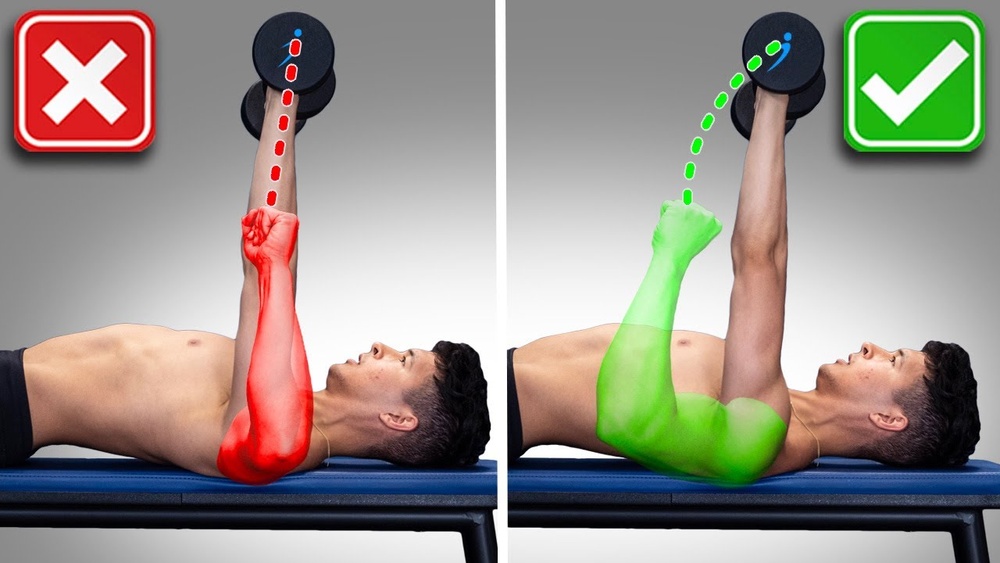
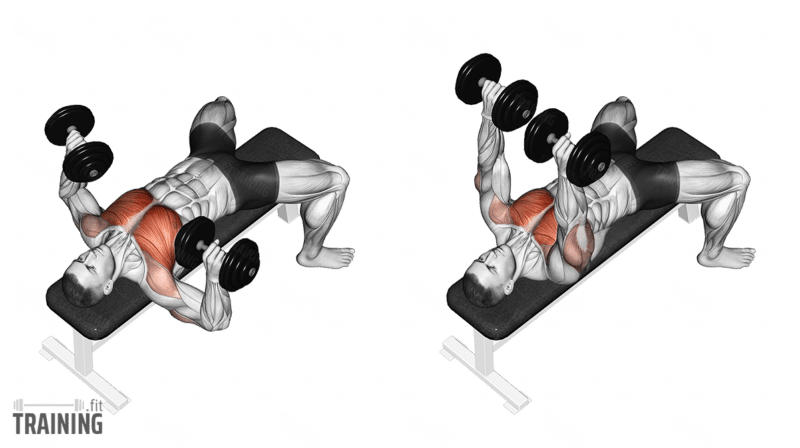
Slowly lower the dumbbells down toward your chest. Keep your elbows at about a 45-degree angle from your body. Lower the weights until your upper arms are parallel to the floor. Do not let the dumbbells touch your chest. Maintain control to avoid dropping the weights too fast. This controlled movement works your muscles better.
Pressing Upward
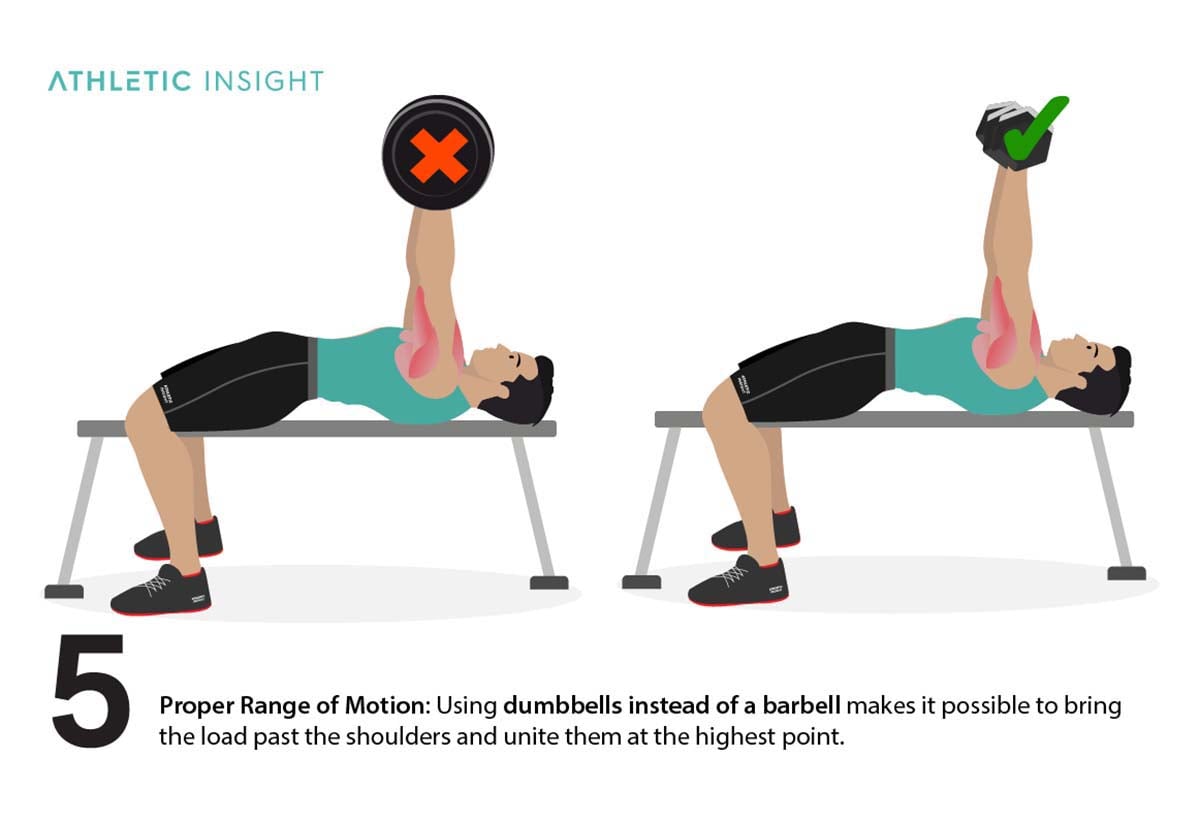
Push the dumbbells upward in a smooth motion. Press them back toward the starting position above your chest. Bring the dumbbells slightly inward at the top. Squeeze your chest muscles as you press. Avoid banging the dumbbells together. Keep your back flat on the bench and your feet stable on the floor.
Breathing Technique
Inhale deeply as you lower the dumbbells down. Exhale forcefully while pressing the weights up. Proper breathing helps maintain your strength and stability. It also supports your core during the lift. Breathe rhythmically to keep a steady pace throughout the exercise.
Credit: possecuritizadora.com.br
Common Form Mistakes
Performing the chest press with dumbbells is effective for building strength. Yet, many make form mistakes that reduce results and cause injury. Correct technique protects your joints and targets muscles well. Watch your body closely during each rep. Avoid these common form errors to get the most from your workout.
Avoiding Elbow Flare
Do not let your elbows flare out wide. Keep them at about a 45-degree angle from your body. Wide elbows put stress on your shoulders and can cause pain. Keeping elbows closer protects the joint and focuses effort on the chest muscles. Always control the dumbbells on the way down and up.
Preventing Lower Back Strain
Keep your lower back stable and slightly arched. Avoid lifting your glutes off the bench. Lifting shifts pressure to your lower back, risking injury. Engage your core muscles to support your spine. Press your feet firmly into the floor for balance and power. This setup helps maintain a safe posture throughout the exercise.
Keeping Wrists Straight
Do not bend your wrists backward or forward. Keep them straight and aligned with your forearms. Bent wrists cause strain and reduce your grip strength. A firm, neutral wrist position improves control and safety. Hold the dumbbells firmly but avoid squeezing too tight to keep tension on your chest.
Tips For Controlled Movement
Controlled movement is key to an effective chest press with dumbbells. It helps build muscle and prevents injury. Focus on how you move the weights rather than how fast you lift them. Smooth, steady actions improve strength and form. Use these tips to control each phase of the exercise.
Slow Negative Phase
Lower the dumbbells slowly toward your chest. Count to three or four as you lower the weights. This slow descent increases muscle tension and works your chest muscles more. Avoid dropping the weights quickly. Controlled lowering protects your joints and increases workout quality.
Explosive Positive Phase
Push the dumbbells up with power and speed. This phase should be faster than the lowering phase. Explosive pressing activates muscle fibers and helps build strength. Focus on pushing the weights up in a straight line. Keep your wrists steady and avoid locking your elbows at the top.
Maintaining Muscle Tension
Keep your chest muscles engaged throughout the exercise. Avoid resting or relaxing at the top of the press. Squeeze your chest muscles as you push the weights up. Maintain tension even when lowering the dumbbells. This constant engagement improves muscle growth and workout effectiveness.
Variations And Alternatives
Exploring different variations and alternatives of the chest press with dumbbells helps target your muscles in new ways. This variety prevents workout boredom and encourages balanced muscle growth. Each version changes the angle or focus, allowing you to develop strength evenly across your chest and supporting muscles.
Floor Chest Press
The floor chest press is a simple, safe alternative to the bench press. Lie flat on your back with knees bent and feet on the floor. Hold the dumbbells above your chest with elbows resting on the floor. Press the weights upward until your arms are fully extended. This limits the range of motion and protects your shoulders. It is great for beginners or those with shoulder issues.
Incline And Decline Press
Adjusting the bench angle changes the focus of the chest press. The incline press targets the upper chest and front shoulders. Set the bench between 30 to 45 degrees and perform the press as usual. The decline press works the lower chest by tilting the bench downward. Both variations add balance and strength to your chest muscles. Use lighter weights at first to maintain control.
Single-arm Dumbbell Press
The single-arm dumbbell press challenges your core and stability. Lie on a flat bench and hold one dumbbell at a time. Press the weight upward while keeping your body steady. This exercise helps correct muscle imbalances and improves coordination. Switch arms after each set to work both sides evenly. Keep your movements slow and controlled for best results.
Benefits Of Dumbbell Chest Press
The dumbbell chest press offers many benefits for fitness enthusiasts. It targets multiple muscles in the upper body. Using dumbbells allows for better control and balance. This exercise suits both beginners and experienced lifters. It builds strength, muscle size, and improves joint stability.
Muscle Activation And Growth
Dumbbells activate more muscle fibers than a barbell. Each arm works independently, increasing muscle engagement. This balanced effort promotes even muscle growth. It also helps fix strength imbalances between sides. The chest, shoulders, and triceps all get a good workout.
Range Of Motion Advantages
Dumbbells allow a greater range of motion than barbells. You can lower the weights deeper for a better stretch. This increased range improves muscle flexibility and strength. It reduces stress on the shoulder joints. Moving freely lets you find a comfortable and safe position.
Improved Upper Body Strength
This exercise builds strong and stable upper body muscles. It strengthens the chest, shoulders, and triceps effectively. Using dumbbells improves coordination and balance. A stronger upper body helps with daily activities and other workouts. It also supports better posture and reduces injury risk.

Credit: www.youtube.com
Safety And Injury Prevention
Safety is key when doing a chest press with dumbbells. Proper precautions help avoid injuries and improve workout quality.
Following simple safety steps protects your muscles and joints. It also makes your training more effective.
Using Appropriate Weight
Choose dumbbells that suit your strength level. Too heavy weights increase injury risk. Start with lighter weights and increase gradually. This helps your muscles adapt safely.
Warming Up Properly
Warm up before lifting to prepare your body. Do light cardio or dynamic stretches. Warm muscles reduce strain and improve movement. Spend at least 5-10 minutes warming up.
Listening To Your Body
Pay attention to pain or discomfort. Stop if you feel sharp or unusual pain. Rest and recover if you feel weak or tired. Your body signals when it needs care.
Credit: training.fit
Frequently Asked Questions
How To Correctly Do A Dumbbell Chest Press?
Sit on a bench with dumbbells on your thighs. Lie back, plant feet firmly, retract shoulder blades, and arch your upper back. Hold dumbbells with palms facing feet. Lower slowly, then exhale and press up, squeezing your chest. Keep glutes on bench and engage core for stability.
Are Dumbbell Chest Presses Effective?
Dumbbell chest presses effectively build muscle mass and upper body strength. They offer a greater range of motion than barbells, enhancing muscle activation and growth. Consistent training with proper form maximizes chest development and power gains.
How To Do Chest Press At Home Without A Machine?
Lie on the floor or bench, hold dumbbells above chest with palms facing feet. Lower elbows to 90°, then press up. Keep core tight and shoulders retracted for stability.
How To Properly Do Chest With Dumbbells?
Sit on a bench, hold dumbbells on thighs, then lie back. Plant feet firmly, retract shoulder blades, and arch upper back. Press dumbbells up and slightly inward, squeezing chest. Lower slowly, keep elbows controlled. Engage core, push through feet, and keep glutes on the bench for stability.
Conclusion
Doing a chest press with dumbbells strengthens your chest and arms well. Keep your back arched and feet flat for good support. Move the weights slowly down and press up with control. Focus on squeezing your chest at the top without clashing dumbbells.
Remember to keep your core tight and use your legs for extra power. Regular practice improves your strength and form. Enjoy the benefits of this simple but effective exercise.