If you want to build strong, defined shoulders and improve your upper-body strength, the overhead dumbbell press is a key exercise you should know about. But what exactly does the overhead dumbbell press work?
Understanding which muscles this move targets can help you maximize your workouts and avoid injury. Whether you’re just starting out or looking to refine your routine, knowing how this exercise shapes your shoulders, triceps, and even your core will make a big difference in your progress.
Keep reading to discover how the overhead dumbbell press can transform your strength and physique.

Credit: www.progressiverehabandstrength.com
Primary Muscles Activated
The overhead dumbbell press is a powerful exercise that targets several upper body muscles. It mainly works the shoulder area but also involves muscles in the arms and chest. Understanding the primary muscles activated helps you focus on proper form and maximize results.
Deltoid Focus
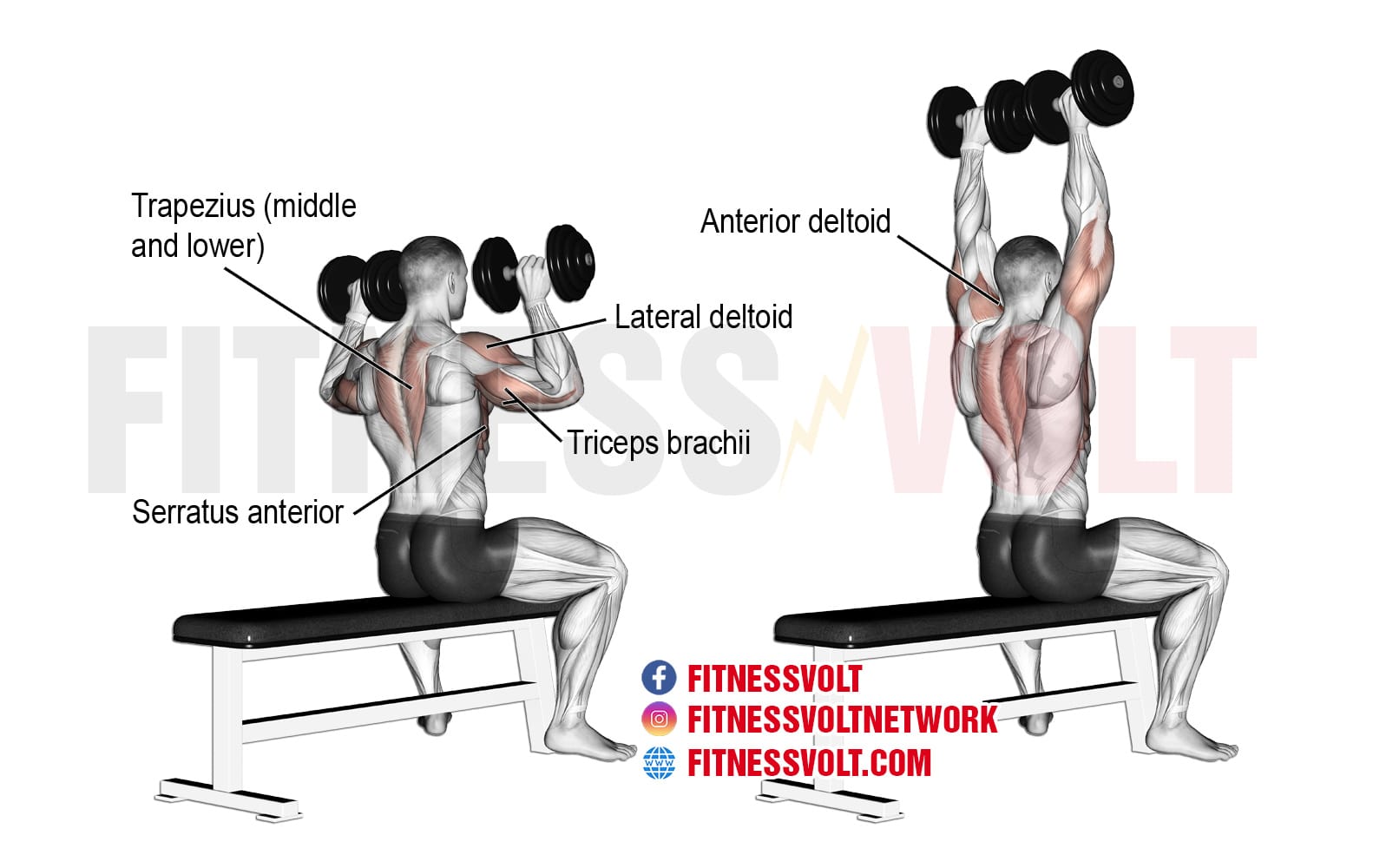
The deltoid muscle is the main target during the overhead dumbbell press. This muscle covers the shoulder and gives it shape. The exercise works all three parts of the deltoid: front, side, and rear. Most effort goes to the front and side deltoids, which help lift the weights overhead. Strong deltoids improve shoulder strength and stability.
Triceps Engagement
The triceps play a key role during the press. These muscles run along the back of the upper arm. They help extend the elbows as you push the dumbbells up. Triceps engagement supports the lifting phase and adds power. Building strong triceps also improves overall arm strength.
Upper Chest Involvement
The upper chest muscles, or clavicular head of the pectoralis major, assist in the movement. They help push the weights upward and forward. Though not the primary focus, the upper chest gets a good workout. This involvement adds to the chest’s upper definition and strength.
Secondary Muscles Worked
The overhead dumbbell press targets more than just the shoulders. It works several secondary muscles that support movement and stability. These muscles help improve overall strength and balance during the press. Understanding their roles can enhance your workout effectiveness.
Trapezius Role
The trapezius muscle helps lift and stabilize the shoulder blades. During the overhead press, it contracts to keep the shoulders steady. This support allows the arms to push the weights upward smoothly. Strengthening the trapezius can reduce shoulder strain and improve posture.
Core Stabilization
Your core muscles engage deeply to keep your body balanced. They prevent excessive leaning or arching of the lower back. A strong core stabilizes the spine and transfers power effectively. This stability is essential for maintaining form and preventing injury during the press.
Serratus Anterior Activation
The serratus anterior muscle helps move the shoulder blade forward and upward. It activates during the overhead press to support arm elevation. This muscle also protects the shoulder joint by improving blade movement. Training it enhances shoulder health and motion control.
Benefits Of Overhead Dumbbell Press
The overhead dumbbell press offers many benefits beyond just building muscle. It targets key upper body muscles and improves overall fitness. This exercise helps develop strength, size, and stability in a simple but effective way.
Performing the overhead dumbbell press regularly can enhance your physical appearance and support better movement in daily life. The benefits include stronger shoulders, better arm definition, and improved posture.
Shoulder Strength And Size
This exercise mainly works the deltoid muscles in your shoulders. It helps increase shoulder strength by challenging all three heads of the deltoid. Over time, this leads to bigger and more powerful shoulders.
Strong shoulders improve your ability to lift and push objects. They also protect your joints from injury during physical activities.
Improved Arm Definition
The overhead dumbbell press activates the triceps muscles on the back of your arms. This action tones and shapes your arms. Defined arms make your upper body look balanced and fit.
Better arm strength aids in many everyday tasks, such as carrying groceries or lifting children.
Enhanced Posture And Stability
Holding dumbbells overhead requires core engagement and balance. This strengthens your stabilizer muscles and improves posture. Good posture reduces the risk of back pain and injury.
Enhanced stability also helps in sports and other exercises by improving control and coordination.
Form And Technique Tips
Good form is key for effective overhead dumbbell presses. It helps target the right muscles and prevents injury. Focus on controlled movements and steady breathing. Keep your body aligned and avoid rushing through reps. Here are essential tips for proper technique.
Proper Grip And Positioning
Hold the dumbbells firmly but not too tight. Your palms should face forward or slightly inward. Keep your elbows under your wrists for support. Sit or stand tall with your back straight. Engage your core to stabilize your body. Feet should be flat on the floor, shoulder-width apart.
Range Of Motion Guidelines
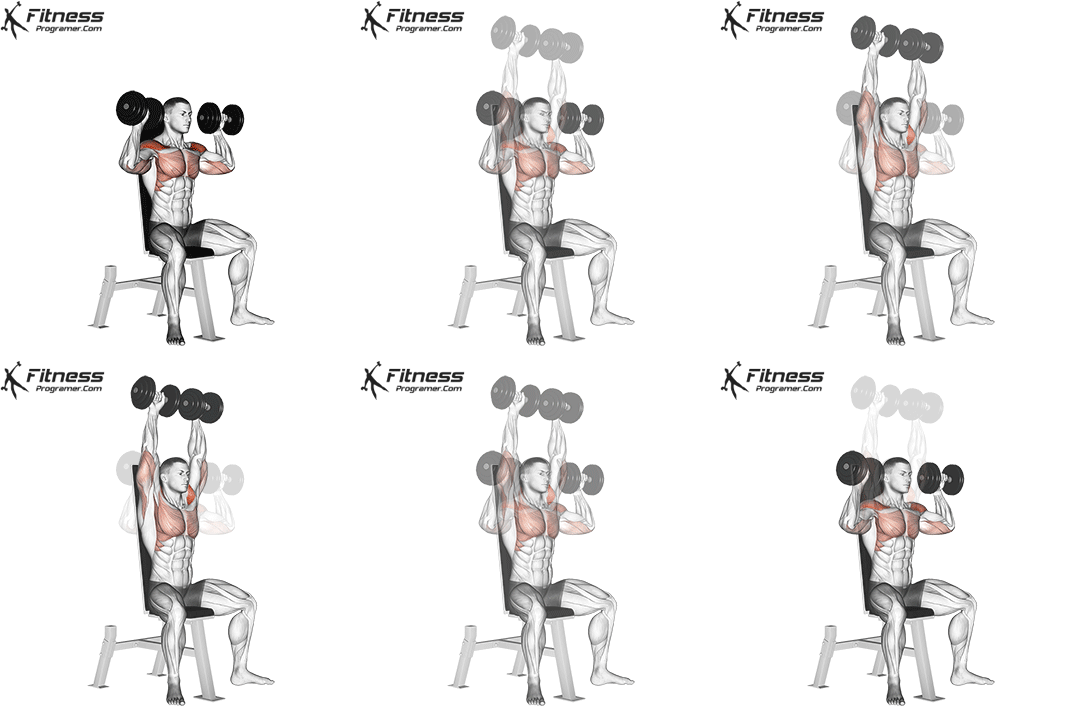
Start with dumbbells at shoulder height. Press the weights upward until your arms are almost fully extended. Do not lock your elbows. Lower the dumbbells slowly back to the starting point. Maintain control throughout the movement. Avoid dropping the weights quickly or using momentum.
Common Mistakes To Avoid
Do not arch your lower back excessively. Avoid flaring your elbows out too wide. Do not shrug your shoulders during the press. Keep your neck relaxed and avoid leaning backward. Using weights too heavy can cause poor form. Focus on smooth, steady movements instead of speed.
Variations To Target Muscles Differently
The overhead dumbbell press is a versatile exercise that targets the shoulders and arms. Changing how you perform it can shift the focus to different muscles. These variations help you develop strength and muscle balance. They also keep your workouts fresh and effective.
Seated Vs Standing Press
The seated press provides more support and limits lower body movement. It isolates the shoulder muscles better. This makes it ideal for focusing on shoulder strength alone.
The standing press engages the core and legs. It requires more balance and stability. This version works your entire upper body and core muscles together.
Single-arm Press Benefits
Using one arm at a time improves muscle balance between sides. It also challenges your core to stabilize your body. This variation helps fix strength imbalances and enhances coordination.
Single-arm presses increase focus on each shoulder. This can lead to more muscle activation and growth on weaker sides.
Incline And Neutral Grip Options
An incline press targets the upper chest and front shoulders more. It changes the angle of movement to involve different muscle fibers. This adds variety and can reduce shoulder strain.
Using a neutral grip, with palms facing each other, reduces stress on the shoulder joint. It is a good option for people with shoulder pain. This grip also activates the side deltoid muscles differently.
Credit: fitnessprogramer.com
Progression And Weight Considerations
Progression and weight considerations play a vital role in maximizing the benefits of the overhead dumbbell press. Adjusting the weight and tracking improvement help build strength and avoid injury. Proper balance with other lifts supports overall muscle development and joint health.
Choosing The Right Weight
Select a weight that challenges your muscles but allows proper form. Start with lighter dumbbells to master technique. Increase weight gradually to avoid strain. The right weight should let you complete 8 to 12 reps with effort but no pain. Avoid using too heavy weights that compromise your posture.
Tracking Strength Progress
Keep a workout log to monitor the weights and reps used each session. Note improvements in the number of reps or increased weight over time. Tracking progress motivates consistent training and highlights areas needing focus. Adjust your routine based on recorded gains to continue building strength safely.
Balancing Overhead Press With Other Lifts
Include complementary exercises like rows and bench presses to balance shoulder and arm muscles. Strengthening the back helps maintain good posture and prevents shoulder injuries. Avoid overloading the overhead press without supporting muscle groups. A balanced workout routine promotes stable and strong shoulders.
Credit: mecanica.uaz.edu.mx
Frequently Asked Questions
What Does The Dumbbell Overhead Press Work?
The dumbbell overhead press targets the shoulders, triceps, and upper chest. It builds strength and improves shoulder stability.
Which Is Better, Overhead Press Or Shoulder Press?
The overhead press builds overall shoulder and tricep strength with a barbell. The shoulder press offers more range using dumbbells. Combining both maximizes muscle growth and pressing power. Choose based on your goals and equipment availability.
Is A 70 Lb Dumbbell Shoulder Press Good?
A 70 lb dumbbell shoulder press is excellent for advanced lifters. Maintain proper form to avoid injury and maximize muscle growth.
Is Overhead Press For Shoulders Or Chest?
The overhead press primarily targets the shoulders, especially the deltoids. It also engages the triceps and upper chest slightly.
Conclusion
The overhead dumbbell press mainly works your shoulders and triceps. It also engages your upper chest and core for balance. This exercise builds strength and helps improve posture. Using dumbbells allows for a natural range of motion. You can perform it standing or seated, depending on your goals.
Regular practice leads to stronger, more defined upper body muscles. Keep your form correct to avoid injuries. Overall, it’s a simple yet effective move for upper body strength. Try adding it to your workout routine for balanced muscle growth.