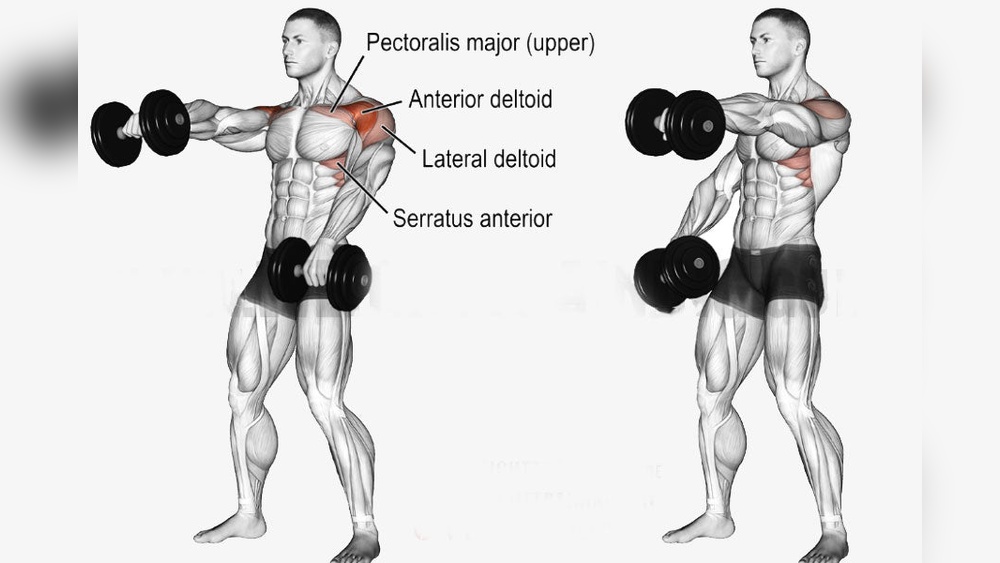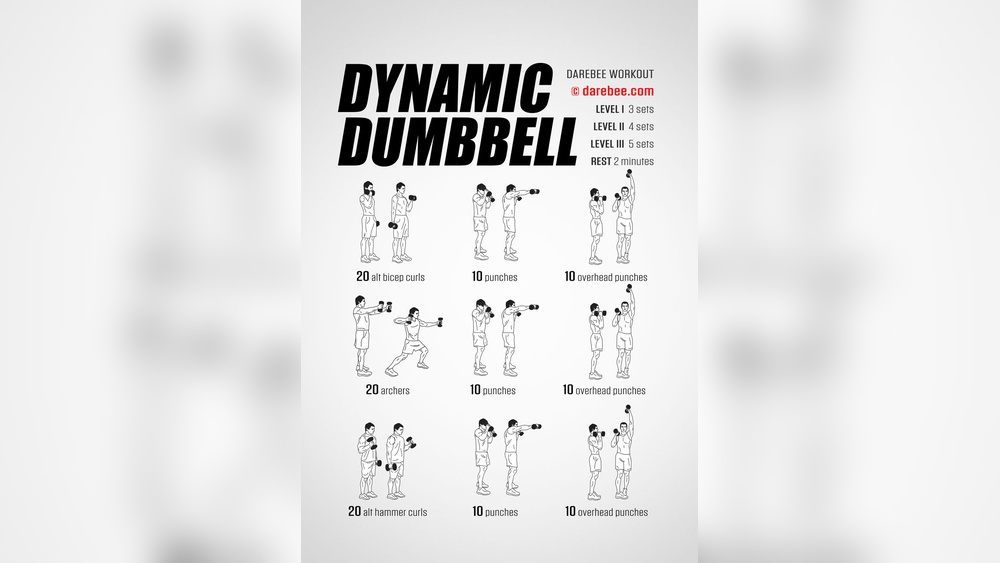
Ready to take your fitness to the next level with just a simple pair of dumbbells? Whether you’re new to working out or looking for an effective way to build muscle at home, dumbbells are your secret weapon.
You don’t need fancy machines or a gym membership to get stronger, leaner, and more confident. In this guide, you’ll discover how to use dumbbells to target every major muscle group, avoid common mistakes, and keep your workouts fresh and challenging.
Stick with me, and by the end, you’ll have a clear plan to transform your body using just those weights sitting right at home. Let’s get started!
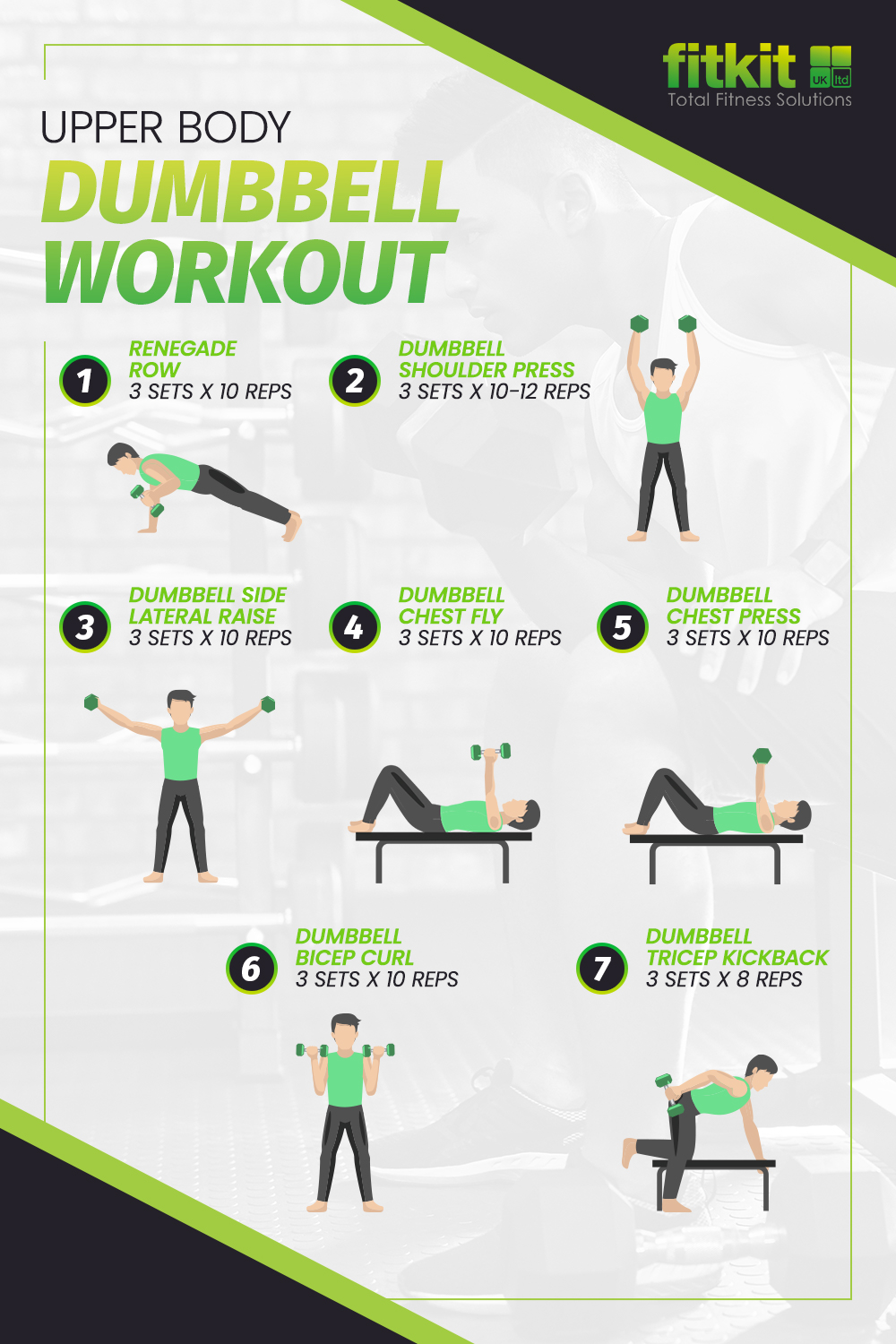
Credit: www.fitkituk.com
Benefits Of Dumbbell Workouts
Dumbbell workouts offer many advantages for all fitness levels. They help build strength and improve muscle tone. Using dumbbells allows for a wide range of exercises.
They also improve balance and coordination by engaging stabilizer muscles. Dumbbells let you work one side of the body at a time. This helps correct muscle imbalances and improves symmetry.
Muscle Growth With Dumbbells
Dumbbells are effective for muscle growth. They allow a full range of motion, which activates more muscle fibers. You can perform compound and isolation exercises easily with dumbbells.
Using dumbbells regularly leads to stronger, bigger muscles. Combine workouts with good nutrition and rest for best results.
Progressive Overload Techniques
Progressive overload means increasing workout difficulty over time. With dumbbells, raise the weight gradually to challenge muscles. Increase repetitions or slow down movement to add intensity.
These techniques help muscles adapt and grow stronger. Track your progress to ensure steady improvement.
Full Body Engagement
Dumbbell exercises engage multiple muscle groups at once. Compound moves like goblet squats and dumbbell rows work the whole body. This improves overall strength and coordination.
Using dumbbells also activates smaller stabilizer muscles. This leads to better balance and posture. Full body workouts save time and boost fitness efficiently.
Essential Dumbbell Exercises
Dumbbells are versatile tools for building strength and muscle. They allow a wide range of exercises targeting various muscle groups. You can perform both compound and isolation movements to create a balanced workout. Below are essential dumbbell exercises categorized for easy use.
Lower Body Moves
Goblet squats are excellent for the thighs and glutes. Hold a dumbbell close to your chest and squat down. Lunges work the legs and improve balance. Step forward with a dumbbell in each hand and lower your body. Split squats focus on one leg at a time. Stand in a split stance holding dumbbells and lower yourself down. Deadlifts with dumbbells strengthen the hamstrings and lower back. Keep your back straight as you lift the weights from the floor.
Upper Body Movements
Dumbbell bench presses target the chest muscles effectively. Lie on a bench and press the dumbbells upward. Overhead presses build shoulder strength. Press dumbbells straight above your head while standing or sitting. Rows help develop your back muscles. Bend over slightly and pull the dumbbells towards your torso. These exercises work many muscles in the upper body for strength and size.
Isolation Exercises For Arms
Dumbbell bicep curls focus on the front of the arms. Hold dumbbells and curl them up towards your shoulders. Tricep floor presses with a diamond grip isolate the triceps. Lie down and press dumbbells close together above your chest. Waiter curls are another great bicep move. Hold one dumbbell vertically and curl it slowly. These isolation exercises help shape and tone your arms.
Building Muscle Fast
Building muscle fast with dumbbells is about smart training. You must challenge your muscles regularly. This will help them grow stronger and bigger. Using the right techniques speeds up progress.
Focus on increasing the workload on your muscles step by step. Consistency and proper form are key. Combine these with enough rest and good nutrition.
Increasing Repetitions And Weight
Start by doing more repetitions with the same weight. This pushes your muscles to adapt. Once reps become easy, raise the dumbbell weight. Small increases help avoid injury. This method forces muscles to work harder and grow.
Slowing Down Negative Reps
Lower the dumbbell slowly during each rep. This is called the negative or eccentric phase. Slowing down increases muscle tension and damage. Muscles repair stronger after this stress. Take about 3 to 5 seconds to lower the weight. This simple change boosts muscle growth quickly.
Compound Vs Isolation Exercises
Compound exercises use several muscles at once. Examples are dumbbell squats and presses. These moves burn more energy and build overall strength. Isolation exercises target one muscle group. For example, dumbbell curls for biceps. Use both types to build muscle fast. Compound lifts form a solid base. Isolation moves add detail and balance.
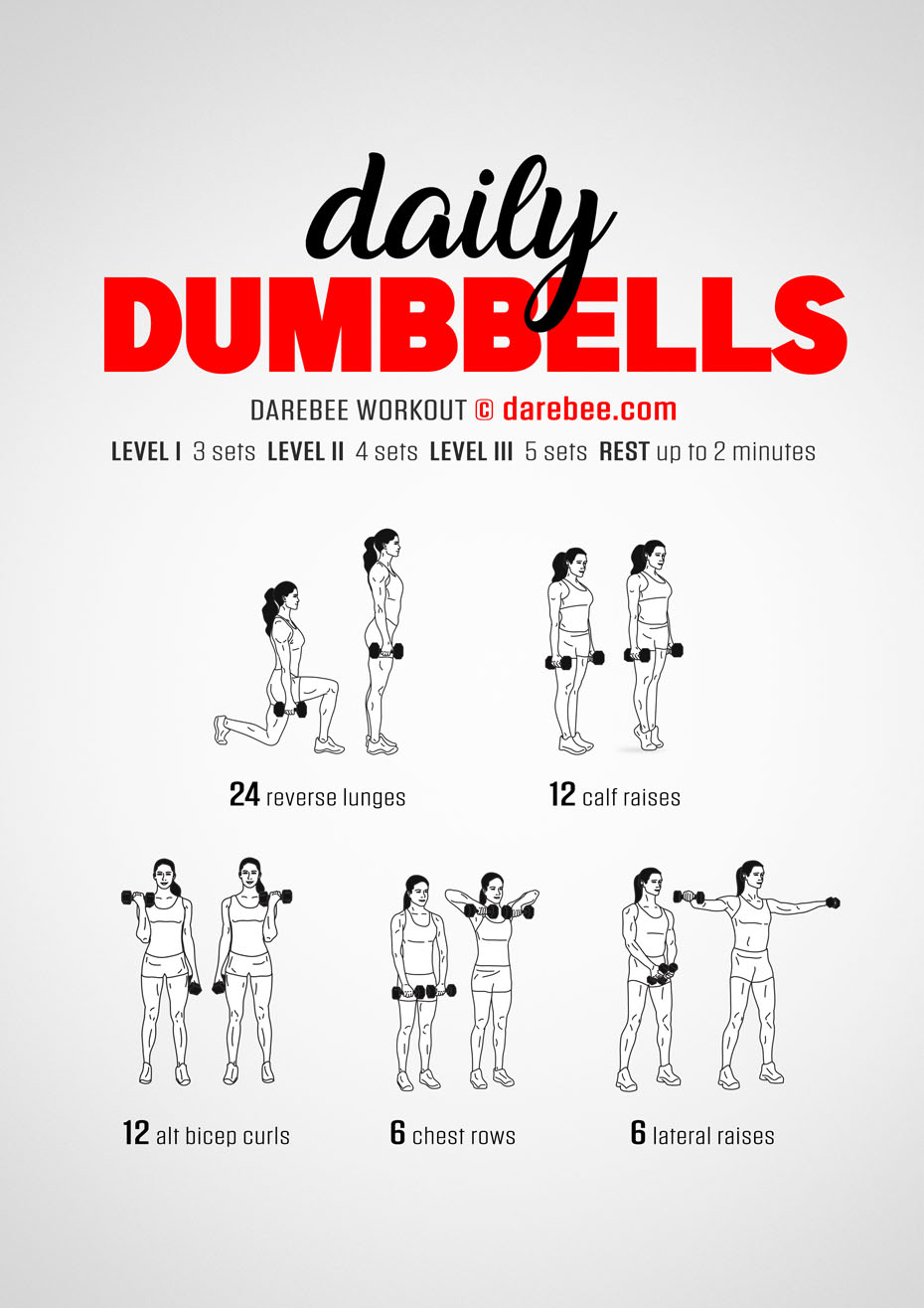
Credit: darebee.com
Sample Dumbbell Workout Routines
Sample dumbbell workout routines provide a clear path to build strength and muscle. These routines suit various fitness levels and goals. Using dumbbells adds versatility and challenge to your training. Below are examples to guide your workouts.
Beginner Full Body Routine
This routine covers all major muscle groups with simple exercises. Start with light weights and focus on form.
- Goblet Squats – 3 sets of 12 reps
- Dumbbell Bench Press – 3 sets of 10 reps
- Dumbbell Rows – 3 sets of 10 reps per side
- Overhead Dumbbell Press – 3 sets of 10 reps
- Dumbbell Deadlifts – 3 sets of 12 reps
- Dumbbell Bicep Curls – 3 sets of 12 reps
- Dumbbell Tricep Kickbacks – 3 sets of 12 reps
Rest for 60 seconds between sets. Perform this routine 2-3 times a week.
Targeted Muscle Group Workouts
Focus on one or two muscle groups per session for better muscle growth. This approach allows more volume and intensity.
- Chest & Triceps: Dumbbell Bench Press, Dumbbell Flyes, Tricep Dips, Dumbbell Skull Crushers
- Back & Biceps: Dumbbell Rows, Dumbbell Hammer Curls, Reverse Flyes, Concentration Curls
- Legs & Shoulders: Goblet Squats, Dumbbell Lunges, Dumbbell Overhead Press, Lateral Raises
Complete 3-4 sets of 10-15 reps per exercise. Allow 48 hours before training the same muscle group again.
Workout Variations To Avoid Plateaus
Changing your workout routine helps prevent plateaus and keeps muscles growing. Try these variations regularly.
- Increase dumbbell weight gradually every 2-3 weeks.
- Change rep ranges: try 8-12 reps for strength, 15-20 for endurance.
- Switch exercise order to challenge muscles differently.
- Add tempo changes by slowing down lifting or lowering phases.
- Use unilateral exercises to improve balance and muscle symmetry.
These simple adjustments keep your body adapting and progressing.
Nutrition And Recovery Tips
Proper nutrition and recovery play a vital role in improving your dumbbell workouts. They help your muscles grow stronger and reduce the risk of injury. Focusing on what you eat and how you rest can boost your performance and results. Below are key tips to support your training with good nutrition and recovery habits.
Protein And Calorie Needs
Protein is essential for muscle repair and growth. Aim to eat lean protein sources like chicken, fish, beans, or tofu each day. Consuming enough calories fuels your workouts and helps build muscle. Track your calorie intake to match your activity level. Avoid low-calorie diets when training hard with dumbbells. Spread protein intake evenly across meals for better absorption.
Rest And Sleep Importance
Muscle recovery happens mostly during rest and sleep. Try to get 7 to 9 hours of quality sleep every night. Avoid late-night screen time to improve sleep quality. Rest days are important to let muscles repair and grow. Do light stretching or walking on off days to stay active. Listen to your body and take extra rest if feeling very sore or tired.
Hydration Strategies
Water supports muscle function and overall health. Drink water before, during, and after your workouts. Aim for at least 8 cups of water daily, more if sweating heavily. Carry a water bottle during your dumbbell sessions to stay hydrated. Avoid sugary drinks that can cause energy crashes. Herbal teas and diluted fruit juices also help maintain hydration.
Common Mistakes To Avoid
Using dumbbells is a great way to build strength and muscle. Yet, many beginners make common mistakes that slow progress or cause injuries. Avoiding these errors helps ensure a safe and effective workout. Focus on quality over quantity and listen to your body’s signals.
Overtraining Risks
Training too often with heavy weights can harm your muscles. Overtraining leads to fatigue, pain, and slower recovery. Muscles need time to repair and grow. Plan rest days between dumbbell workouts. Watch for signs like constant soreness or low energy. Balance is key to steady progress.
Poor Form And Injury
Incorrect form causes strain and injuries. Many rush through exercises without control. Keep movements slow and steady. Maintain a neutral spine and avoid locking joints. Use a mirror or ask for feedback to check your posture. Proper form targets muscles effectively and protects your body.
Neglecting Warm-ups And Cool-downs
Skipping warm-ups can increase injury risk. Warm muscles perform better and reduce stiffness. Start with light cardio or dynamic stretches. Cool-downs help lower heart rate and relax muscles. Gentle stretching after workouts improves flexibility and reduces soreness. Never skip these important steps.
Tracking Progress
Tracking progress is key to effective dumbbell workouts. It helps you see improvements and stay motivated. Without tracking, it’s hard to know if you are getting stronger or fitter. Keeping a record guides you to adjust your routine wisely.
Measuring Strength Gains
Strength gains show how well your muscles improve. Test your limits regularly by noting the weight you lift. Track how many reps you can do with each dumbbell. Seeing increases in weight or reps means progress. Use simple tests like max reps or heavier dumbbells. This gives clear proof that your workouts work.
Recording Workout Details
Write down every workout detail. Include the exercises, sets, reps, and weights used. Note how you felt during each session. Tracking rest time and workout duration also helps. This record keeps your training organized and consistent. It also helps spot patterns or plateaus quickly.
Adjusting Workouts Over Time
Use your progress data to change workouts smartly. Increase dumbbell weight or add more reps gradually. Change exercises to target muscles differently. Adjust rest periods to improve endurance or strength. This keeps your muscles challenged and growing. Regular adjustments prevent boredom and boost results.

Credit: www.plastena.lv
Frequently Asked Questions
Can I Build Muscle With Dumbbells Only?
Yes, you can build muscle using only dumbbells by progressively increasing weight, reps, and exercise difficulty. Combine workouts with proper nutrition and rest for best results. Focus on compound and isolation exercises to target all muscle groups effectively.
What Is The 3 3 3 Rule For Working Out?
The 3 3 3 rule for working out means doing 3 sets of 3 exercises, each with 3 repetitions. It helps build strength efficiently.
What Is The 5 4 3 2 1 Workout Method?
The 5 4 3 2 1 workout method involves performing five exercises with descending reps: 5, 4, 3, 2, and 1. It builds strength and endurance efficiently by targeting multiple muscle groups in a structured sequence.
What Is A Good Dumbbell Workout Routine?
A good dumbbell workout routine includes compound exercises like goblet squats, presses, and rows. Add isolation moves like curls and extensions. Increase weight or reps over time. Train all major muscle groups for balanced strength and muscle growth. Rest and proper nutrition enhance results.
Conclusion
Dumbbell workouts offer a simple, effective way to build muscle at home. Use progressive overload to challenge your muscles regularly. Combine compound and isolation exercises for balanced strength. Keep your form correct to avoid injury. Stay consistent and patient with your routine.
Rest and good nutrition support your progress well. Small steps lead to big results over time. Enjoy the process and stay motivated every day.