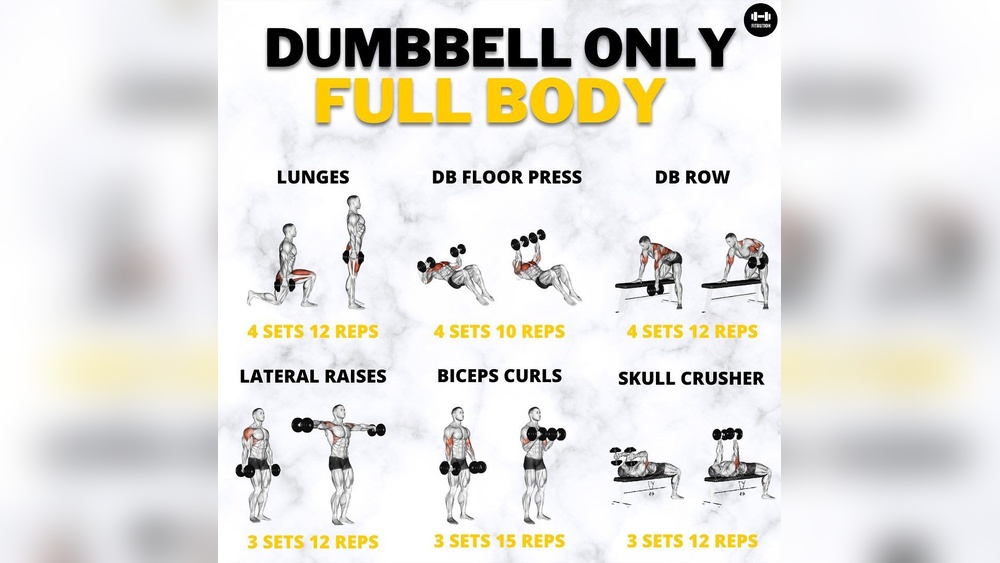
If you’ve ever wondered what muscles dumbbell front raises actually work, you’re in the right place. This simple yet powerful exercise is more than just a shoulder move—it targets key muscles that shape your upper body and improve your strength balance.
Whether you want broader shoulders, better posture, or stronger support for other lifts, knowing exactly how dumbbell front raises benefit you can make a big difference in your workout results. Keep reading to discover which muscles you’re activating, why this move matters, and how it can help you build a stronger, more defined upper body.

Credit: www.muscleandstrength.com
Muscles Targeted
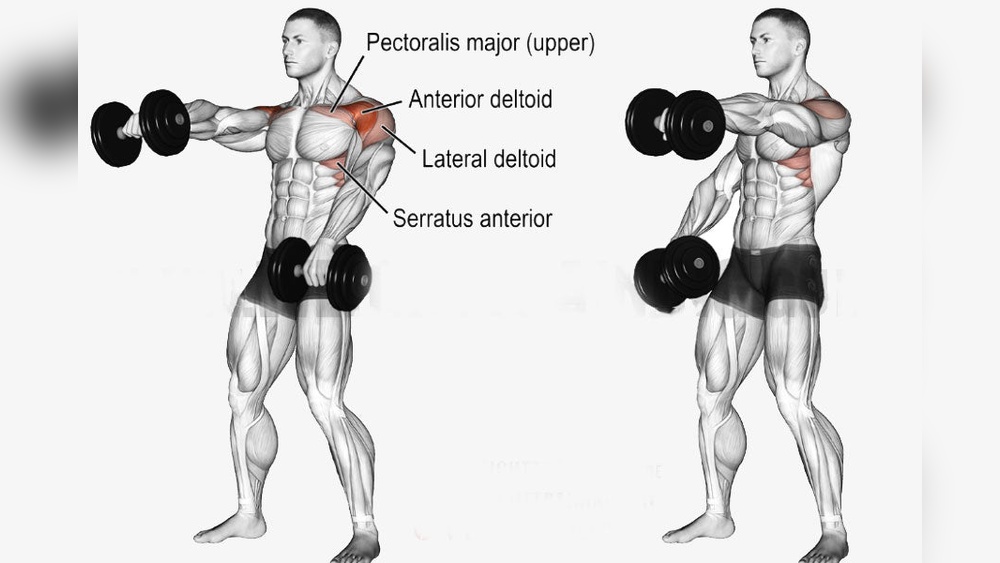
Dumbbell front raises focus on specific muscles in the upper body. This exercise mainly works the front part of the shoulders. It also helps activate parts of the chest and other supporting muscles around the shoulder. Understanding which muscles are targeted can improve your workout results.
Anterior Deltoids
The anterior deltoids are the main muscles worked during dumbbell front raises. They sit at the front of your shoulder. Lifting the dumbbells forward directly engages these muscles. This movement helps increase shoulder strength and size. Strong anterior deltoids improve your ability to lift objects in front of you.
Upper Chest Activation
Dumbbell front raises also activate the upper chest muscles. These muscles assist the shoulder muscles during the lift. The upper chest helps stabilize your arm and shoulder. Working this area can add more definition to your chest. It also supports pushing movements in other exercises.
Supporting Shoulder Muscles
Besides the main muscles, dumbbell front raises work several smaller muscles around the shoulder. These include the rotator cuff muscles and trapezius. They help stabilize the shoulder joint during the movement. Strengthening these supporting muscles can reduce the risk of injury. They also improve overall shoulder balance and control.
Benefits Of Front Raises
Dumbbell front raises offer many benefits for shoulder strength and shape. This simple exercise targets key muscles in the front of your shoulders. It helps build muscle size and improves overall upper body strength. Front raises also support better shoulder stability and improve muscle balance. Including them in your routine can enhance both muscle definition and workout effectiveness.
Shoulder Muscle Growth
Front raises mainly work the anterior deltoids. These muscles grow stronger and larger with regular training. The focused movement creates tension that promotes muscle growth. This helps build bigger and stronger shoulders.
Improved Shoulder Stability
Strong front deltoids support shoulder joint stability. This reduces the risk of injuries during other exercises. Better stability also improves shoulder control and movement quality.
Balanced Upper Body Strength
Front raises help correct strength differences between your arms. This creates more balanced upper body strength. Balanced muscles improve posture and reduce injury risks.
Enhanced Muscle Definition
Regular front raises improve muscle tone and shape. The exercise targets the front shoulder muscles and upper chest. This leads to clearer muscle definition and a more sculpted look.
Pre-exhaustion For Compound Lifts
Front raises can pre-fatigue the front deltoids before heavy lifts. This technique helps you focus on shoulder muscles during compound exercises. It can increase muscle activation and workout intensity.
Proper Technique
Proper technique is essential for dumbbell front raises to work effectively and safely. Using correct form helps target the right muscles and prevents injury. Focus on controlled movements and steady posture throughout the exercise.
Starting Position
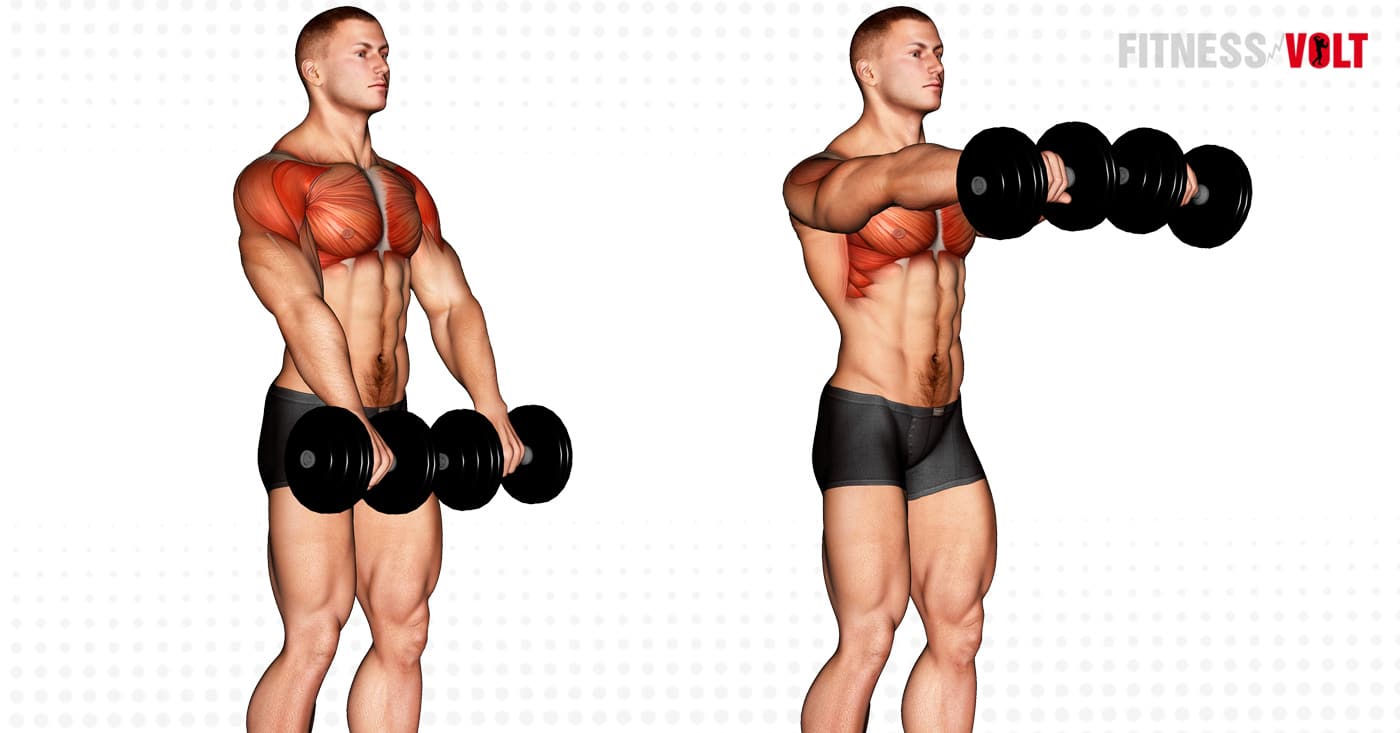
Stand with feet shoulder-width apart. Hold a dumbbell in each hand at your sides. Keep your arms straight but not locked. Maintain a slight bend in the elbows. Engage your core to stabilize your body.
Lifting Motion
Raise the dumbbells slowly in front of you. Lift until your arms are parallel to the floor. Keep palms facing down or slightly inward. Avoid swinging or using momentum. Lower the weights back down with control.
Breathing Tips
Inhale before lifting the dumbbells. Exhale steadily as you raise the weights. Inhale again while lowering them down. Maintain a smooth and even breathing rhythm. Do not hold your breath during the movement.
Common Mistakes To Avoid
Do not use heavy weights that cause swinging. Avoid shrugging your shoulders up toward your ears. Keep your back straight and avoid leaning backward. Do not lock your elbows or bend them too much. Avoid lifting the dumbbells too high above shoulder level.
Variations To Try
Exploring different variations of dumbbell front raises keeps your workouts fresh. Each variation targets your shoulder muscles in unique ways. Trying these options helps avoid plateaus and improves overall shoulder strength.
Underhand Front Raise
Hold the dumbbells with palms facing up. This grip shifts focus slightly to the front deltoids and biceps. It reduces wrist strain and can feel more comfortable for some lifters. Lift dumbbells straight in front until your arms are parallel to the floor. Lower slowly to maintain control and muscle tension.
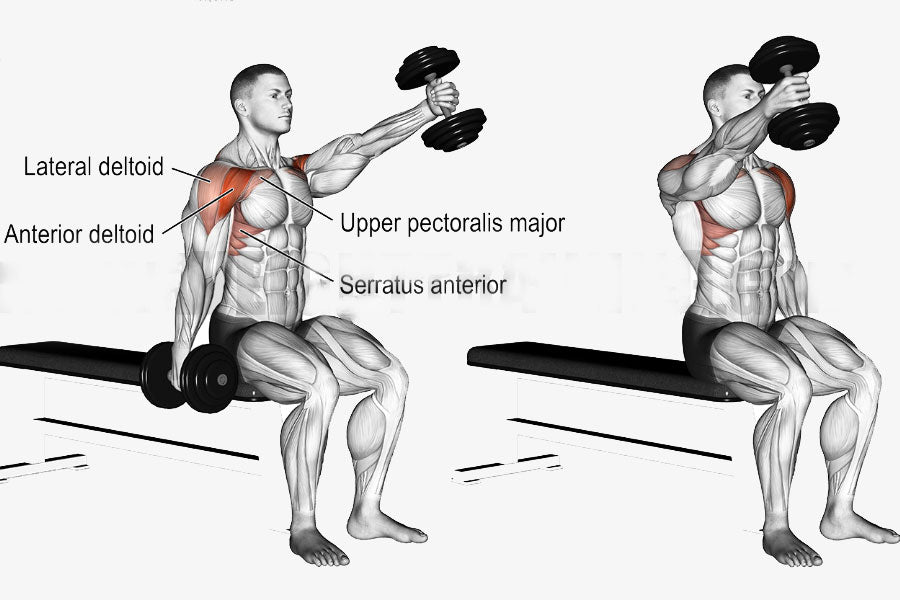
Seated Front Raise
Sit on a bench with your back straight. This position reduces momentum and isolates the shoulders better. Perform the raise by lifting the dumbbells directly in front of you. Pause at the top to maximize muscle engagement. This variation works well for beginners or those with lower back issues.
Alternating Dumbbell Raises
Lift one dumbbell at a time while keeping the other arm down. This method helps improve focus on each shoulder individually. It also challenges your core for stability. Keep movements slow and controlled to maximize effectiveness. Alternate arms for balanced muscle development.
Resistance Band Front Raise
Use a resistance band instead of dumbbells for a different tension curve. Stand on the band and hold handles with palms down. Raise your arms forward slowly against the band’s resistance. This variation adds constant tension through the entire motion. It is a good option for home workouts or injury recovery.
Incorporating Front Raises
Incorporating dumbbell front raises into your workout routine targets the front part of your shoulders effectively. This exercise focuses on the anterior deltoids, helping to build muscle size and improve shoulder shape. It also supports shoulder stability and balances strength between both arms.
Using front raises regularly enhances muscle definition and assists in strengthening the upper chest. Including them thoughtfully in your plan maximizes their benefits without overworking your muscles.
Workout Timing
Perform front raises after warming up your shoulders properly. They work well as an isolation exercise near the end of your session. This timing ensures your front delts get focused attention without fatigue from earlier compound lifts.
Try to avoid doing front raises before heavy pressing exercises. Pre-fatiguing the muscles may reduce your overall pressing strength.
Combining With Other Shoulder Exercises
Pair front raises with exercises targeting other shoulder parts. For example, include lateral raises for the side delts and rear delt flys for the back. This combination creates balanced shoulder development.
Mixing compound movements like overhead presses with front raises improves overall shoulder strength. Use front raises to isolate and sculpt the front delts after compound sets.
Frequency And Volume
Perform front raises two to three times per week for best results. Keep sets between 3 and 4 with 10 to 15 repetitions each. This range supports muscle growth without causing excessive fatigue.
Adjust weight and reps based on your experience level and recovery. Avoid daily training to prevent overuse injuries and allow muscles to rebuild stronger.
Who Should Use Them
Dumbbell front raises suit many fitness levels and goals. This exercise targets the front shoulders and upper chest. It supports shoulder stability and muscle balance. People with different needs can benefit from adding this move to their workouts.
Beginners
Beginners find dumbbell front raises simple to learn. The movement is straightforward and easy to control. It helps build shoulder strength safely. Starting with light weights reduces injury risk. This exercise improves muscle awareness and form for new lifters.
Advanced Lifters
Advanced lifters use dumbbell front raises for muscle detail. It isolates the front deltoids, adding size and shape. They often add weight or vary reps for challenge. This exercise complements heavy compound lifts by targeting weak points. It enhances shoulder endurance and definition.
Rehabilitation And Injury Prevention
People recovering from shoulder injuries benefit from front raises. The controlled motion strengthens stabilizing muscles gently. It aids joint mobility and reduces stiffness. This exercise also helps prevent future injuries by improving muscle balance. Physical therapists often include it in rehab programs.
Common Questions
Many people have questions about dumbbell front raises. This exercise targets specific muscles, but some details remain unclear to beginners. Answering common questions helps you understand its benefits and use.
Below are answers to frequent queries about dumbbell front raises. They clarify what muscles work and how to perform the exercise correctly.
Do They Hit The Upper Chest?
Dumbbell front raises mainly target the front shoulder muscles. They also engage the upper chest slightly. The upper chest gets some activation but not as much as during pressing movements. These raises help improve shoulder and upper chest strength together.
Are Front Raises Necessary?
Front raises are not essential for everyone. They help build shoulder definition and strength. If your routine lacks direct front deltoid work, front raises can add value. They are useful for shoulder balance and injury prevention. But compound lifts also work these muscles indirectly.
Where To Feel The Exercise?
You should feel dumbbell front raises mainly in your front shoulders. The muscle under tension is the anterior deltoid. Some people may also feel slight tension in the upper chest and traps. Avoid feeling strain in your neck or lower back. Focus on controlled movements for best muscle activation.
Credit: www.dmoose.com
Credit: mecanica.uaz.edu.mx
Frequently Asked Questions
What Is A Dumbbell Front Raise Good For?
A dumbbell front raise strengthens the anterior deltoids, improves shoulder stability, enhances upper chest strength, and aids muscle growth.
Do Front Raises Hit The Upper Chest?
Front raises mainly target the front shoulder muscles (anterior deltoids). They engage the upper chest slightly but do not effectively build it. To better hit the upper chest, use underhand front raises and focus on bringing dumbbells toward the center at the top of the movement.
Are Dumbbell Front Raises Necessary?
Dumbbell front raises effectively target front shoulder muscles and improve shoulder stability. They support muscle balance but aren’t essential for all workouts. Choose them based on your fitness goals and shoulder strength needs.
Where Should I Feel A Dumbbell Front Raise?
You should feel a dumbbell front raise mainly in the front deltoids (shoulder muscles). It also activates the upper chest and shoulder stabilizers. Focus on controlled movement to maximize muscle engagement and avoid using momentum.
Conclusion
Dumbbell front raises focus mainly on the front shoulder muscles. They help build muscle size and improve shoulder shape. This exercise also supports upper chest strength and joint stability. Doing front raises can balance strength between your arms. Adding them to your routine can boost muscle growth safely.
Keep your form steady to avoid injury. Small, consistent efforts bring good results. Try including dumbbell front raises for stronger, well-shaped shoulders.