
You’ve got a pair of dumbbells sitting there—now what? Whether you’re new to fitness or looking to shake up your routine, dumbbells are one of the most powerful tools you can use.
They help you build muscle, burn fat, and tone your entire body, all from the comfort of your home or gym. But the real question is: how do you make the most of them? You’ll discover easy, effective exercises and smart strategies that turn those dumbbells into your secret weapon for better strength, fat loss, and overall fitness.
Ready to transform your workouts and see real results? Keep reading!
Benefits Of Dumbbell Workouts
Dumbbell workouts offer many benefits for all fitness levels. They help improve strength, burn calories, and increase body control. Using dumbbells allows for versatile exercises targeting various muscle groups. This variety leads to effective and balanced workouts. Dumbbell training also supports better joint health and reduces injury risk.
Muscle Building And Metabolism
Dumbbells help build muscle by adding resistance to movements. More muscle means a faster metabolism. A faster metabolism burns more calories even when resting. This process helps maintain a healthy weight. Lifting dumbbells also improves muscle tone and strength over time.
Fat Burning And Calorie Boost
Dumbbell exercises increase calorie burn during and after workouts. The body works harder to recover and build muscle. This causes a higher calorie burn for hours after training. Regular dumbbell workouts can reduce body fat and improve body composition. Combining these exercises with a good diet enhances fat loss.
Core Engagement And Stability
Dumbbell workouts engage core muscles for balance and control. Many exercises require stabilizing the body while lifting weights. This builds core strength, which supports better posture. A strong core helps prevent injuries and improves overall movement. Dumbbells challenge stability more than machines or barbells.
Essential Dumbbell Exercises
Dumbbells offer a simple way to train your entire body. They fit many exercises and skill levels. Using them improves strength, balance, and coordination. This section covers essential dumbbell exercises. These moves target all major muscle groups. You can create balanced workouts with these exercises.
Push Movements
Push movements work muscles that push weight away from the body. Examples include dumbbell chest presses and shoulder presses. These exercises strengthen the chest, shoulders, and triceps. They improve upper body strength and stability. Use a bench or stand for variety.
Pull Movements
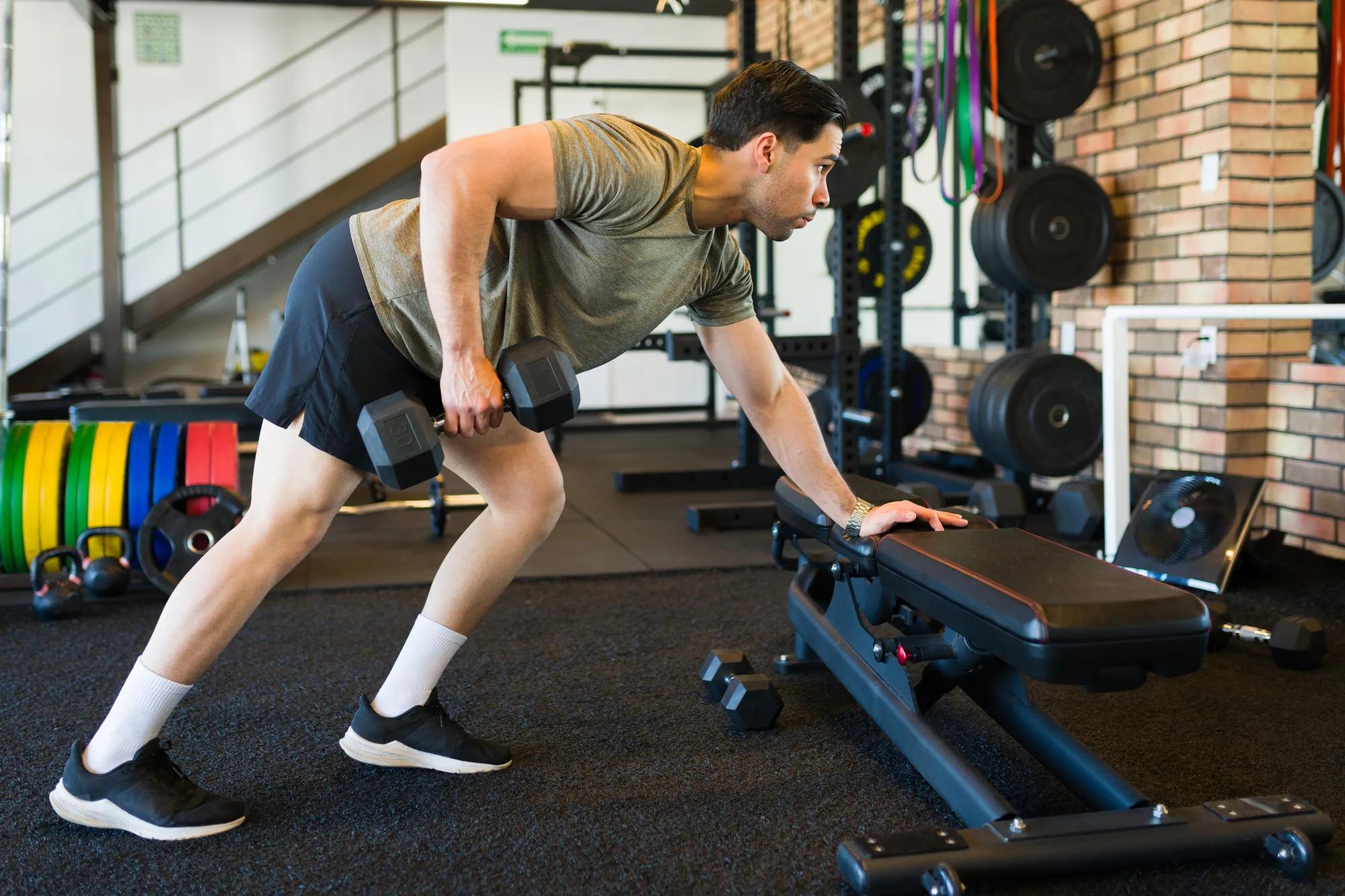
Pull movements focus on muscles that pull weight toward the body. Dumbbell rows and bicep curls fit here. These moves build the back and arm muscles. They help improve posture and grip strength. Proper form prevents injury and maximizes results.
Hip-hinge Movements
Hip-hinge exercises target the lower back, glutes, and hamstrings. Dumbbell deadlifts are a prime example. This movement teaches proper bending from the hips, not the waist. It strengthens the posterior chain and improves posture. Good hip hinge form protects your spine.
Squat Variations
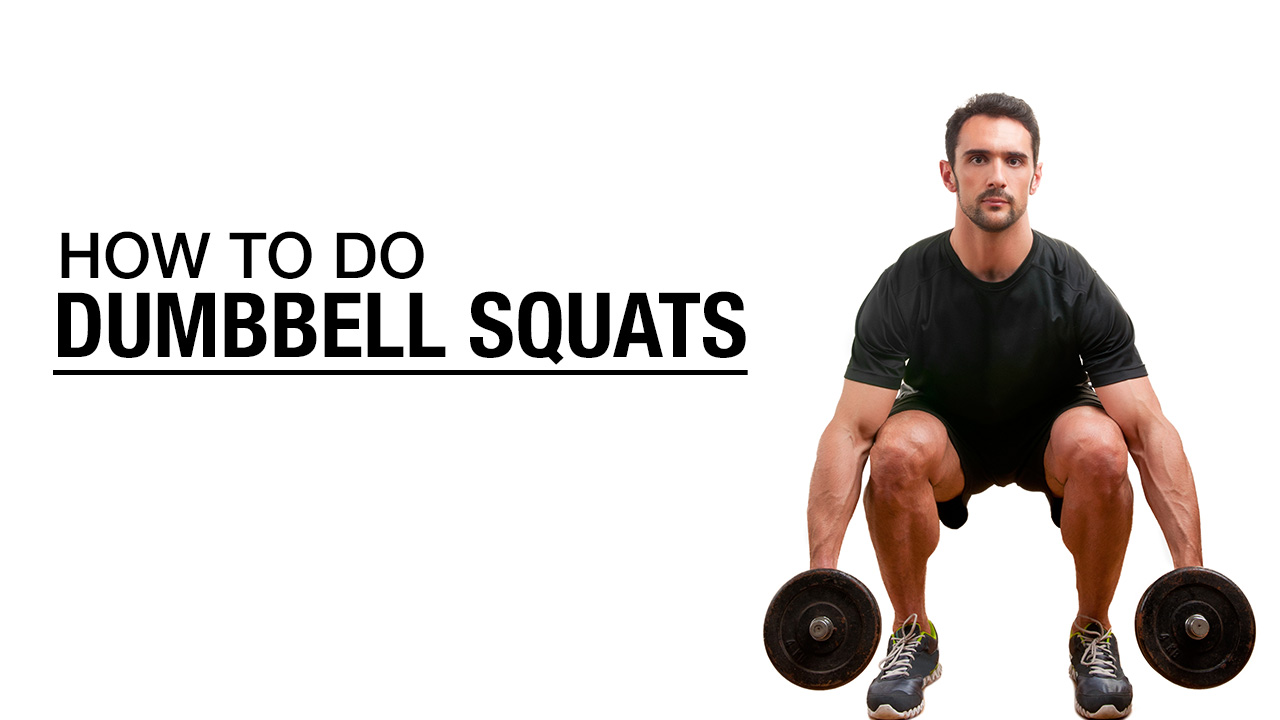
Squats work the legs and glutes by bending the knees and hips. Dumbbell goblet squats add resistance and challenge balance. Squatting with dumbbells builds leg strength and core stability. This exercise supports daily activities like sitting and standing. Keep your chest up and knees tracking over toes.
Core And Plank Moves
Core exercises target abdominal and lower back muscles. Dumbbell Russian twists and renegade rows engage the core deeply. Plank variations with dumbbells increase intensity. A strong core improves balance and reduces injury risk. Focus on controlled movements and steady breathing.
Designing Your Dumbbell Routine
Designing your dumbbell routine sets the foundation for consistent progress. A well-structured plan targets muscles effectively and prevents workout boredom. It helps balance strength, endurance, and recovery. Use simple principles to build a routine that fits your goals and schedule.
The Rule Of Three Workout
The Rule of Three Workout is easy to follow. Pick three exercises for each session. Do these workouts three times per week. Continue for three weeks, then take a lighter week. Repeat the cycle to allow your muscles to recover.
This method keeps your routine simple and steady. It helps build strength without overtraining. Consistency is key for lasting results.
Combining Compound And Isolation Exercises
Compound exercises work multiple muscle groups at once. Examples include dumbbell squats and presses. Isolation exercises target one muscle at a time, like bicep curls or tricep extensions.
Mix both types for balanced muscle growth. Start with compound moves to use more energy. Finish with isolation exercises to focus on weak spots. This approach improves strength and muscle shape.
Balancing Volume And Intensity
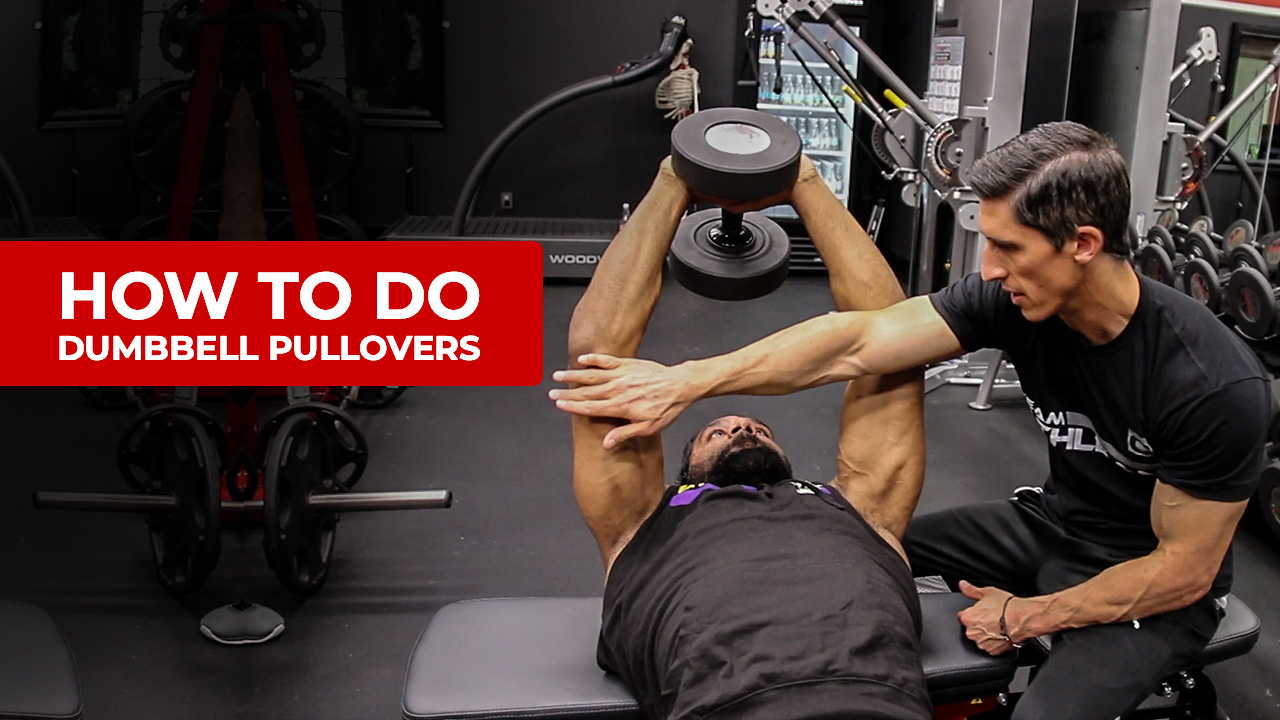
Volume means how many sets and reps you do. Intensity refers to how heavy the dumbbells are. Find a balance that challenges you but allows good form.
Higher volume with moderate weight builds endurance. Lower volume with heavier weight builds strength. Change these variables every few weeks to avoid plateaus. Rest days help muscles recover and grow stronger.
Credit: learn.athleanx.com
Maximizing Fat Loss With Dumbbells
Dumbbells are excellent tools for fat loss. They help build muscle and burn calories. Using dumbbells increases your metabolism, which means you burn more calories even when resting. Combining dumbbell exercises with the right strategies speeds up fat loss and improves your fitness.
Pairing Workouts With Cardio
Pair dumbbell workouts with cardio to burn more fat. Cardio exercises like running, cycling, or swimming increase your heart rate. This burns calories faster and helps reduce body fat. After lifting weights, your body burns calories for hours. Doing cardio after dumbbell exercises maximizes fat loss.
Nutrition Tips For Fat Loss
Nutrition plays a key role in fat loss. Eat a balanced diet with protein, healthy fats, and vegetables. Protein helps build and repair muscles after workouts. Avoid sugary and processed foods to reduce calorie intake. Drink plenty of water to stay hydrated and support metabolism.
Consistency And Progress Tracking
Stay consistent with your dumbbell workouts and cardio sessions. Regular exercise leads to steady fat loss and muscle gain. Track your progress by measuring weight, body fat, or strength improvements. Adjust your workouts and diet based on results to keep losing fat and getting stronger.
Common Dumbbell Workout Mistakes
Dumbbell workouts are popular and effective. Many beginners and even experienced lifters make mistakes that slow progress or cause injury. Recognizing common dumbbell workout mistakes helps improve results. Avoiding these errors keeps workouts safe and efficient. Here are three frequent mistakes to watch out for.
Overtraining And Recovery
Using dumbbells too often without rest harms muscles. Overtraining causes fatigue and increases injury risk. Muscles need time to heal and grow after workouts. Rest days are essential for recovery and strength gains. Without enough recovery, performance drops and motivation falls.
Ignoring Form And Technique
Bad form leads to poor results and injuries. Dumbbells require controlled movements and good posture. Swinging weights or using momentum reduces workout benefits. Focus on slow, steady lifts with correct alignment. Learning proper technique protects joints and muscles from strain.
Lack Of Exercise Variety
Doing the same dumbbell exercises limits progress. Muscles adapt quickly to repetitive routines. Adding different movements challenges muscles in new ways. Include presses, rows, squats, and curls to work all body parts. Variety prevents boredom and promotes balanced strength.
Credit: health.clevelandclinic.org
Home Vs Gym Dumbbell Training
Training with dumbbells offers flexibility in both home and gym settings. Each place has unique benefits and challenges. Understanding these helps you get the most from your workouts. Whether you choose to train at home or the gym, dumbbells can build strength and tone muscles effectively.
Setting Up A Home Dumbbell Space
Create a small, dedicated area for your dumbbell workouts. Choose a spot with enough room for movement and safety. Use a mat to protect floors and provide comfort. Organize dumbbells on a rack or shelf to keep the space tidy. Good lighting helps maintain focus and motivation during exercises.
Using Dumbbells In A Gym Environment
Gyms offer a wide range of dumbbell weights and equipment. You can switch weights quickly to match your workout needs. Many gyms have benches and machines that complement dumbbell exercises. This environment encourages consistency and adds variety to your routine. Trainers and other gym users can offer tips and motivation.
Adjusting Workouts For Available Equipment
Workouts change depending on the dumbbells and tools you have. At home, use adjustable dumbbells to save space and increase weight options. In the gym, try combining dumbbells with machines for balanced training. Focus on proper form and control regardless of equipment. Adapt exercises to fit your goals and available gear.
Advanced Dumbbell Techniques
Advanced dumbbell techniques add variety and challenge to your workouts. These methods boost strength, endurance, and muscle growth. Using dumbbells with smart strategies keeps workouts fresh and effective. Try these techniques to push your limits and reach your fitness goals.
Supersets And Circuits
Supersets involve doing two exercises back-to-back without rest. Choose exercises that target different muscle groups for balance. This method saves time and increases workout intensity. Circuits combine several exercises in a sequence with little rest. They improve endurance and burn more calories. Both techniques keep your heart rate high and muscles engaged.
Tempo And Time Under Tension
Control the speed of each movement to increase muscle work. Slow down the lowering phase to extend time under tension. This causes more muscle fibers to activate and grow. For example, take 3-4 seconds lowering dumbbells and 1-2 seconds lifting. Changing tempo adds challenge and breaks workout plateaus.
Progressive Overload Strategies
Progressive overload means gradually increasing workout difficulty over time. Increase dumbbell weight, reps, or sets step-by-step. You can also reduce rest time between sets. Track your progress and aim to improve regularly. This approach builds strength and muscle efficiently. Without overload, muscles stop growing and adapting.
Credit: learn.athleanx.com
Tracking Progress And Staying Motivated
Tracking progress and staying motivated are key parts of any dumbbell workout plan. Seeing improvements keeps you energized and focused. Without tracking, it’s easy to lose interest or feel stuck.
Simple methods help you notice changes over time. These methods also build confidence and encourage consistency. Let’s explore easy ways to measure progress and keep motivation high.
Measuring Strength Gains
Track the weight you lift and how many reps you complete. Increase weights gradually as you get stronger. Write down your numbers in a workout journal or app. This shows clear progress and helps plan your next steps.
Testing strength every few weeks keeps you aware of gains. Push yourself safely to avoid injury. Celebrate small improvements to stay motivated.
Using Photos And Measurements
Take photos of your body from different angles regularly. This visual record shows muscle growth and fat loss. Measure key areas like arms, chest, waist, and legs with a tape. Record these numbers to compare over time.
Photos and measurements reveal changes that the scale may miss. They provide real proof of your hard work and keep motivation strong.
Setting Realistic Goals
Set clear, achievable goals for strength, size, or endurance. Break big goals into smaller steps. For example, increase dumbbell weight by five pounds in a month. Or do three more reps each week.
Realistic goals help you avoid frustration and burnout. Adjust goals as you improve to maintain challenge. This keeps your workouts interesting and your motivation high.
Frequently Asked Questions
What Is The 3 3 3 Rule For Working Out?
The 3 3 3 rule for working out means doing three exercises per session, three times a week, for three weeks, then resting.
What Are The Only 5 Exercises You’ll Ever Need?
The only five exercises you need are push, pull, squat, hip-hinge, and plank. These cover all major muscle groups and movements.
Do Dumbbells Burn Belly Fat?
Dumbbells help burn belly fat by building muscle, which boosts metabolism and calorie burn. Combine them with cardio and a healthy diet for best results.
What’s A Good Workout With Dumbbells?
A good dumbbell workout includes squats, lunges, presses, rows, and deadlifts. These target all major muscle groups effectively.
Conclusion
Dumbbells offer many ways to improve your fitness at home. You can build muscle, burn fat, and strengthen your core. Use different exercises to work all major muscle groups. Combine dumbbell workouts with cardio for best results. Eating well supports your fitness goals and boosts energy.
Stay consistent and patient—progress takes time and effort. Keep your routine simple and enjoyable to stay motivated. Dumbbells are a flexible tool to help you get stronger and healthier every day.


