Are you wondering if you can really build muscle with just dumbbells? The answer might surprise you.
Dumbbells are more than just simple weights—they’re powerful tools that, when used correctly, can help you sculpt your body, increase strength, and boost muscle size. Whether you’re working out at home or in a gym, dumbbells offer flexibility and variety that can fit any fitness level.
But how do you make sure your workouts actually lead to muscle growth? You’ll discover how to use dumbbells effectively, avoid common mistakes, and create a plan that keeps your muscles challenged. Keep reading to find out how to turn those dumbbells into your ultimate muscle-building allies.
Benefits Of Dumbbell Training
Dumbbell training offers many benefits for muscle building. It supports strength gains and muscle growth effectively. Dumbbells suit beginners and advanced lifters alike. They provide a simple yet powerful way to train at home or in the gym.
Using dumbbells helps improve muscle balance and coordination. Each arm or leg works independently, reducing strength imbalances. This leads to better overall muscle development and injury prevention.
Versatility And Range Of Motion
Dumbbells allow a wide range of exercises targeting all muscle groups. You can perform presses, curls, rows, squats, and lunges. Their design enables natural movement paths. This full range of motion helps activate muscles more completely. It improves flexibility and joint health as well.
Unilateral Work Advantages
Dumbbells let you train one side of your body at a time. This unilateral training corrects muscle imbalances effectively. It also challenges your core and stabilizer muscles more. Balancing weights requires control, improving coordination. This helps prevent injuries and enhances athletic performance.
Progressive Overload With Dumbbells
Progressive overload is key to muscle growth. Dumbbells come in various weights for gradual strength increases. You can increase reps, sets, or weight easily. This steady challenge forces muscles to adapt and grow. Using dumbbells, you can safely push your limits over time.

Credit: www.youtube.com
Effective Dumbbell Exercises
Dumbbells offer a simple and effective way to build muscle at home or in the gym. They allow a wide range of movements that target various muscle groups. With consistent effort, you can improve strength, size, and endurance using just dumbbells. Below are key exercises to work different parts of your body.
Upper Body Workouts
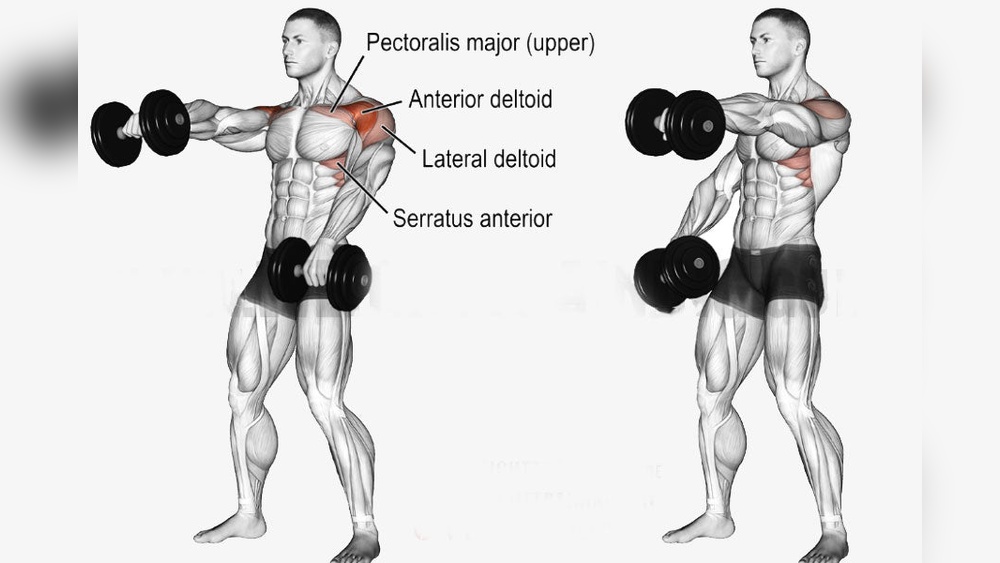
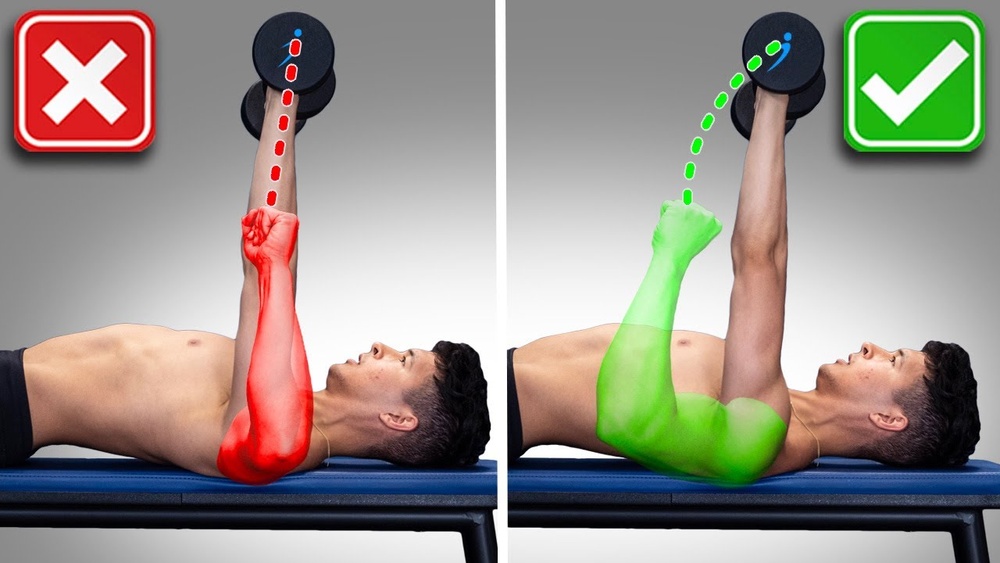
For the upper body, dumbbells help build strong arms, shoulders, and chest muscles. Try dumbbell bench presses to target your chest. Overhead presses strengthen your shoulders and triceps. Bicep curls focus on your arm muscles. Rows with dumbbells improve your back and posture. These moves help increase muscle size and strength evenly.
Lower Body Routines
Dumbbells add resistance to your lower body workouts. Squats with dumbbells build powerful thighs and glutes. Lunges develop balance and leg strength. Deadlifts target the hamstrings and lower back. Step-ups with dumbbells improve coordination and muscle tone. These exercises help shape and strengthen your legs effectively.
Core Strengthening Moves
Strong core muscles support overall fitness and stability. Dumbbell Russian twists work the obliques. Weighted sit-ups increase abdominal strength. Dumbbell side bends target the waist muscles. Plank rows with dumbbells challenge your core and upper body. These moves improve balance and build a solid midsection.
Building Muscle Timeline
Building muscle with just dumbbells follows a clear timeline. Understanding this timeline helps set realistic goals. Muscle growth does not happen overnight. It involves stages from initial strength gains to visible changes and long-term progress. Each stage requires patience and consistent effort.
Initial Strength Gains
In the first few weeks, strength improves rapidly. This happens because your nervous system learns to activate muscles better. You may not see big muscle size changes yet. But lifting heavier dumbbells feels easier. This early phase builds a foundation for future muscle growth.
Visible Muscle Growth
After about 4 to 8 weeks, you start to see muscle size changes. Muscles become firmer and more defined. This happens as muscle fibers repair and grow bigger. Consistent dumbbell workouts with proper form help this process. Nutrition and rest play a key role here.
Long-term Progress Strategies
Muscle growth slows down over time. To keep improving, change your workouts regularly. Increase dumbbell weight or add more reps. Focus on all muscle groups evenly. Rest days and good nutrition remain essential. Tracking progress helps stay motivated and adjust your plan.
Maximizing Muscle Growth
Maximizing muscle growth with dumbbells requires smart training choices. Dumbbells offer versatility to target muscles effectively. Using the right strategies helps push your muscles to grow stronger and bigger.
Simple changes can make your workouts more challenging. This forces your muscles to adapt and grow over time. Focus on increasing intensity without risking injury.
Increasing Repetitions And Tempo
Raising the number of repetitions boosts muscle endurance and size. Slow down the lifting and lowering phases to increase time under tension. This makes your muscles work harder during each rep. Controlled tempo improves muscle activation and growth.
Varying Your Exercise Routine
Changing exercises prevents your muscles from getting used to the same movement. Try different angles and grips with dumbbells to hit muscles in new ways. Variety reduces plateaus and keeps progress steady. It also helps avoid boredom during workouts.
Choosing The Right Exercises
Select compound movements that target multiple muscles at once. Exercises like dumbbell squats, presses, and rows build more muscle efficiently. Include isolation moves to focus on smaller muscles. Pick exercises that match your goals and current fitness level.
When To Increase Dumbbell Weight
Knowing when to increase dumbbell weight is key to building muscle effectively. Using the right weight challenges muscles and helps them grow stronger. Too light, and progress stalls. Too heavy, and form suffers, raising injury risk. Understanding the right moment to add weight keeps workouts productive and safe.
Signs You’re Ready For More
You can finish your sets easily and without struggle. Your muscles feel less tired after workouts. You complete all reps with perfect form and no shaking. Your strength improves and exercises feel less challenging. These signs suggest your muscles need a heavier load.
Avoiding Plateaus
Staying with the same weight too long causes plateaus. Your muscles adapt and stop growing. Gradually increasing dumbbell weight keeps muscles under tension. This triggers continued growth and strength gains. Changing weight also keeps workouts fresh and motivating.
Balancing Weight And Form
Good form is more important than lifting heavier dumbbells. Poor technique can cause injuries and reduce muscle gains. Increase weight only if you maintain proper posture and control. If form breaks down, lower the weight or slow your pace. Balance ensures safe and effective muscle building.

Credit: shivassociates.org
Nutrition And Recovery Tips
Building muscle with just dumbbells requires more than workouts. Nutrition and recovery play key roles. Proper eating and rest help muscles grow stronger. Focus on what you eat and how you recover. This section covers essential tips for muscle repair and avoiding injury.
Protein Intake For Muscle Repair
Protein is vital for muscle repair and growth. Eating enough protein helps fix muscle fibers after workouts. Aim for 1.2 to 2.0 grams of protein per kilogram of body weight daily. Good sources include chicken, fish, eggs, beans, and dairy. Spread protein intake throughout the day for better absorption. Protein shakes can help meet daily needs if meals fall short.
Importance Of Sleep And Rest Days
Sleep is when muscles repair and grow strongest. Aim for 7 to 9 hours of quality sleep every night. Rest days give muscles time to recover from training stress. Avoid training the same muscle groups on back-to-back days. Use rest days for light activities like walking or stretching. Proper rest reduces injury risk and improves workout performance.
Avoiding Overtraining
Overtraining can slow progress and cause injuries. Signs include constant fatigue, soreness, and poor sleep. Balance workouts with enough rest to prevent burnout. Listen to your body and reduce intensity if needed. Include variety in exercises and weights to avoid repetitive strain. Recovery is as important as training for muscle growth.
Common Myths About Dumbbell Training
Dumbbell training has many myths that confuse beginners. These myths often stop people from using dumbbells effectively. Understanding the truth can help you build muscle better with dumbbells. Let’s clear up some common myths about dumbbell workouts.
Lifting Heavy Weights Necessity
Many believe only heavy weights build muscle. Dumbbells allow gradual weight increase. Muscle growth depends on tension, not just heavy lifting. You can gain strength with moderate weights if done right. Proper form and consistent effort matter more than lifting very heavy dumbbells.
Limits Of Dumbbell Workouts
Some say dumbbells limit workout variety and muscle growth. Actually, dumbbells offer many exercise options. You can target all muscle groups using just dumbbells. They improve balance and coordination by forcing each side to work separately. Dumbbells adapt well to different fitness levels and goals.
Comparing Dumbbells To Barbells
Dumbbells and barbells have different strengths. Barbells allow lifting heavier weights with both hands. Dumbbells provide a greater range of motion and joint-friendly movements. They help fix muscle imbalances by training each arm independently. Both tools can build muscle effectively, depending on workout design.

Credit: mecanica.uaz.edu.mx
Frequently Asked Questions
Can You Build Muscles Only With Dumbbells?
Yes, you can build muscles using only dumbbells by progressively increasing weight and varying exercises. Consistency and proper form boost results.
What Happens If I Only Lift Dumbbells?
Lifting only dumbbells builds muscle effectively with proper progression and variety. It enhances strength, balance, and muscle symmetry. Over time, increase weights and change exercises to avoid plateaus and ensure full-body development. Dumbbells offer versatile, unilateral training for balanced muscle growth and improved control.
How Long Does It Take To Build Muscles With Dumbbells?
Building muscle with dumbbells typically takes 4–8 weeks of consistent, intense workouts combined with proper nutrition and rest. Progress depends on training frequency, exercise variety, form, and individual genetics. Gradually increase weights to continue muscle growth and avoid plateaus.
Are 30 Lb Dumbbells Enough To Build Muscle?
Yes, 30 lb dumbbells can build muscle if you use proper form, increase reps, and progress intensity over time.
Conclusion
Building muscle with just dumbbells is possible and effective. Dumbbells offer variety and allow full muscle engagement. Consistency and proper form are key to progress. Increase weight or repetitions gradually to keep challenging muscles. Pair workouts with good nutrition and enough rest for best results.
Patience matters—muscle growth takes time and steady effort. Keep adjusting your routine to avoid plateaus. Dumbbells provide a simple, flexible way to build strength anywhere.