
You’ve invested in your bike and your car rack—now it’s time to protect them both. Knowing how to lock a bike rack to your car properly isn’t just about convenience; it’s about peace of mind.
Without the right locking technique, your bike or even the entire rack can be an easy target for thieves. In this guide, you’ll learn simple, effective steps to secure your bike rack and your bike using the best locks and methods.
By the time you finish reading, you’ll feel confident that your gear is safe wherever you go. Ready to lock it down and ride worry-free? Let’s dive in.

Credit: www.youtube.com
Choosing The Right Lock
Choosing the right lock is key to keeping your bike rack safe. The lock you pick must fit your bike rack type and provide strong protection. Some locks work better on certain racks or cars. Understanding lock types helps you make a smart choice. Below, we explore popular lock options and what to check before buying.
U-locks Vs Chain Locks
U-locks have a solid metal bar bent in a U shape. They fit well around bike racks and frames. U-locks resist cutting and prying better than many locks. Chains offer flexibility and can wrap around large or odd-shaped racks. Heavy chains with thick links resist bolt cutters well. Chains may be heavier and less convenient than U-locks. Choose based on how your bike rack fits and how much weight you want to carry.
Cable Locks For Extra Security
Cable locks are thin and flexible. They work great as a second lock to secure wheels or accessories. Cables wrap easily around bike parts and rack frames. Use cable locks with a stronger lock to add layers of security. Thin cables alone do not stop determined thieves. They are best for quick stops or as an addition to U-locks or chains.
Lock Quality And Durability
Strong locks use hardened steel to resist cutting tools. Look for locks with a good rating from security tests. Avoid cheap locks that bend or break easily. Weather resistance is important if you leave your bike rack outside. Rust-proof locks last longer and keep working in rain or snow. A quality lock protects your bike rack and gives peace of mind.
Credit: transportation.wisc.edu
Securing The Bike Rack To Your Car
Securing the bike rack to your car protects your equipment from theft and damage. A properly locked rack stays firmly attached during travel. It prevents wobbling and unwanted removal. This section covers key methods to secure various bike rack types.
Using Hitch Locks And Pins
Hitch locks are essential for locking the bike rack to your vehicle’s hitch receiver. Slide the rack into the hitch and insert the locking pin. Turn the key to secure it in place. This prevents thieves from pulling out the rack easily. Choose a strong, weather-resistant lock for long-lasting protection.
Always double-check the lock after installation. A locked hitch pin offers peace of mind during trips. It also limits rack movement, improving stability on the road.
Preventing Rack Removal
Preventing rack removal requires more than just a hitch lock. Use extra security measures like cable locks or chains around the rack frame. Secure these locks to solid parts of your vehicle. This adds a second layer of protection.
Remove any quick-release levers or bolts that do not lock. Replace them with locking versions if possible. This stops thieves from loosening the rack quickly. Regularly inspect the locking components for wear or damage.
Locking Different Rack Types
Different bike racks need different locking approaches. For hitch-mounted racks, use hitch locks and cable locks. Roof racks require locking clamps on the crossbars. These clamps secure the rack and prevent sliding.
Trunk-mounted racks benefit from strap locks or steel cables. Wrap cables around the rack and vehicle frame. Lock tightly to keep the rack from shifting or being removed. Follow the manufacturer’s instructions for best results.
Locking The Bike To The Rack
Locking the bike to the rack ensures your bike stays safe during travel. A secure lock prevents theft and keeps the bike stable. Use the right methods to lock your bike properly. Focus on locking the frame and wheels tightly to the rack.
Locking The Frame
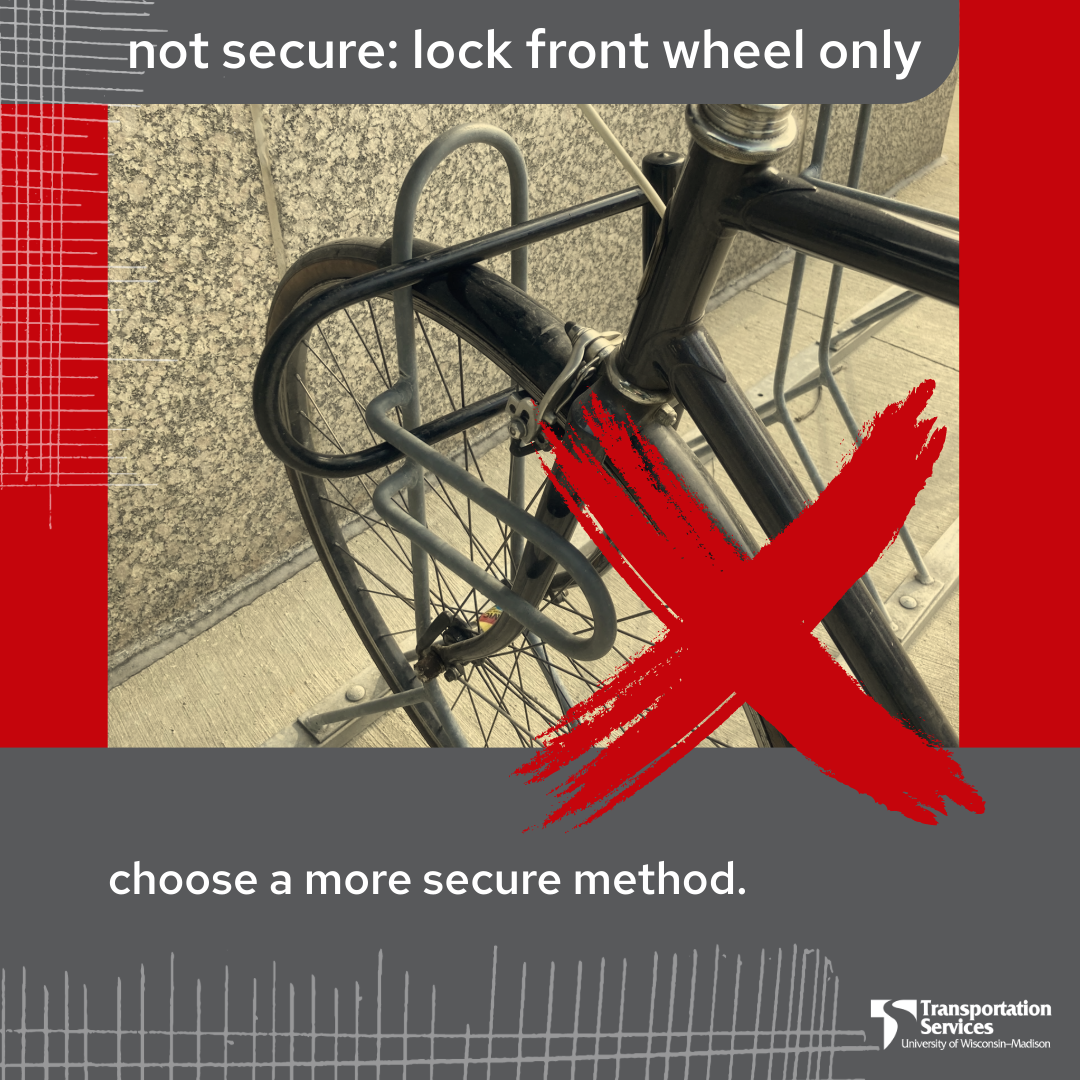
The frame is the strongest part of the bike. Use a sturdy U-lock to secure it. Place the lock through the frame and the bike rack. Avoid locking only the wheels or seat. Locking the frame keeps the bike stable and safe.
Securing Both Wheels
Both wheels can be stolen if left unsecured. Use a cable lock to secure the front wheel to the frame or rack. The rear wheel can be locked with the U-lock if possible. Locking both wheels reduces the risk of theft.
Techniques For Wheel Removal And Locking
Removing the front wheel helps in locking both wheels with one lock. Take off the front wheel and place it next to the rear wheel. Use a long U-lock or chain to secure both wheels and the frame together. This method adds extra security during travel.
Additional Security Tips
Securing your bike rack to your car is important for peace of mind. Extra security steps help protect your rack and bikes from theft. Small efforts can make a big difference. Use these tips to increase safety and keep your gear safe.
Using Secondary Locks
Secondary locks add a backup layer of protection. Use cable locks or small padlocks along with the main lock. Wrap the cable through the rack and the bike frame. This makes it harder for thieves to remove the rack or bikes quickly. Choose locks made of strong materials that resist cutting.
Anchoring The Rack Firmly
Make sure the bike rack is tightly attached to your car. Check all bolts and hitch pins before every trip. Use hitch locks to prevent the rack from being unhitched easily. Tighten straps and secure loose parts. A firmly anchored rack reduces wobbling and theft risk.
Avoiding Common Mistakes
Do not leave locks or cables loose or dangling. Loose locks can be easier to cut or slip off. Avoid using weak or cheap locks that break easily. Never forget to lock the hitch pin. Also, do not ignore regular maintenance of your locking parts. Inspect locks and rack parts often to ensure they work well.
Handling Multiple Bikes
Handling multiple bikes on a car rack requires careful attention. Each bike adds extra weight and complexity. Proper locking keeps all bikes secure and safe during travel. Simple steps can prevent theft and damage.
Organizing and locking bikes correctly protects your investment. It also ensures peace of mind on your trips. Use the right tools and methods for the best results.
Locks For Multi-bike Racks
Choose locks that fit all bikes on the rack. Heavy-duty cable locks work well for securing multiple frames. Use U-locks to lock each bike frame to the rack. Combine different lock types for added security. Look for locks that resist cutting and picking. Always lock the rack itself to the car hitch. This prevents thieves from stealing the entire rack with bikes.
Organizing Bikes For Security
Arrange bikes to minimize movement and contact. Place heavier bikes in the center for balance. Secure loose parts like wheels and seats with extra locks. Keep bikes close but avoid touching them directly. Use straps to hold bikes steady on the rack. Check all locks and straps before driving. Proper organization reduces the risk of damage and theft.
Maintaining Your Locks
Maintaining your locks ensures your bike rack stays secure and lasts longer. Proper care prevents rust, damage, and malfunction. This section covers simple steps to keep your locks in top shape. Regular attention protects your investment and keeps your bike safe.
Regular Inspection
Check your locks often for signs of wear or damage. Look for rust, cracks, or bent parts. Test the locking mechanism to ensure it works smoothly. Early detection of problems helps avoid lock failure. Replace or repair any damaged parts immediately.
Weather Protection
Locks face rain, sun, and dust daily. Apply a light lubricant to keep moving parts smooth. Cover locks with a protective sleeve or plastic bag during bad weather. Store your bike rack and locks in a dry place when not in use. These steps prevent rust and corrosion.
Replacing Worn Components
Over time, lock parts wear out and need replacement. Use original or compatible parts for best results. Replace cables, keys, or locking pins showing signs of damage. Keeping components fresh ensures your lock works properly. Never ignore worn parts to avoid theft risks.

Credit: www.instructables.com
Frequently Asked Questions
How To Lock A Bike Rack To A Car?
Use a high-security U-lock through the bike frame and a solid rack part. Secure wheels with a cable lock. Lock the rack to the car hitch to prevent theft.
How To Prevent A Bike Rack From Being Stolen?
Use a strong U-lock or heavy-duty chain through the bike frame and rack. Secure wheels with a cable lock. Lock the rack to the vehicle hitch with a hitch lock or pin. Avoid relying on just one lock to prevent theft effectively.
How To Secure A Bike Rack To A Hitch?
Secure the bike rack by inserting the hitch pin through the receiver. Tighten the rack’s mounting bolt. Use a hitch lock to prevent removal. Double-check stability before loading bikes.
How To Lock Bike To Wheel Rack?
Use a sturdy U-lock through the bike frame and wheel, securing both to the rack. Add a cable lock around the other wheel for extra safety. Ensure the lock passes through solid rack parts to prevent theft.
Conclusion
Securing your bike rack to your car keeps your gear safe on the road. Use a strong U-lock and a sturdy cable for extra protection. Always lock both the bike and the rack to the vehicle frame. Double-check that all locks are tight before driving.
A simple routine can stop theft and give peace of mind. Stay safe and enjoy your rides without worry.


