Have you ever found yourself standing next to your bike, only to realize you’ve lost the key or forgotten the combination to your lock? It’s frustrating, stressful, and can ruin your plans in an instant.
But don’t worry—you’re not stuck. There are practical, step-by-step methods you can use to get into your bike lock safely and quickly. In this guide, you’ll discover easy-to-follow tips that anyone can use, even if you’re not a lock expert.
Keep reading, and you’ll learn how to regain access to your bike without hassle or damage. Your ride is waiting!
Types Of Bike Locks
Bike locks come in several styles, each offering different security levels and ease of use. Choosing the right type depends on where you park and how long you leave your bike. Understanding these types helps in both securing your bike and knowing how to get into a bike lock if needed.
Cable Locks
Cable locks are flexible and lightweight. They consist of a steel cable covered with plastic. These locks are easy to carry and use. They work well for short stops in low-risk areas. They are less secure against cutting tools than other locks.
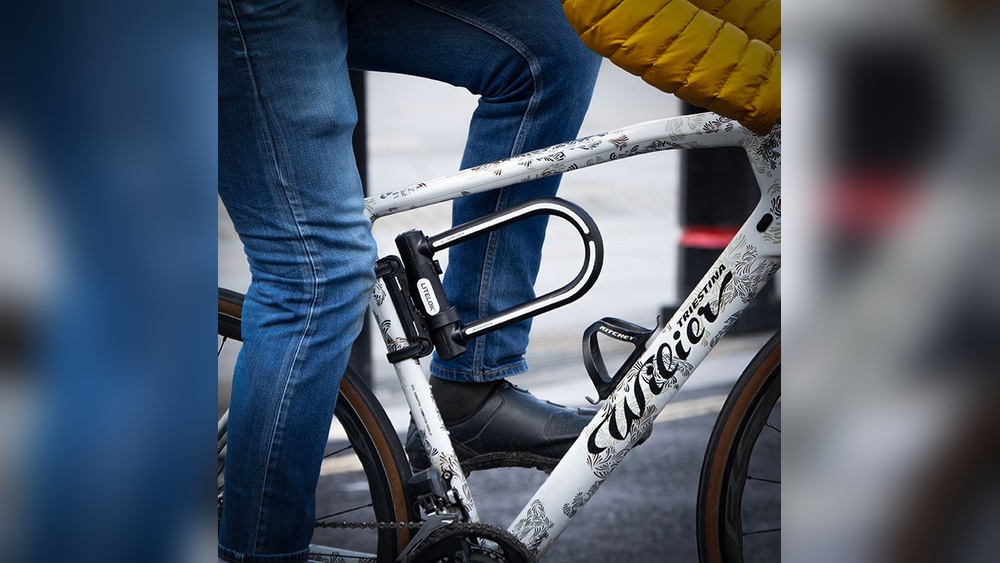
U-locks
U-locks have a rigid metal shackle shaped like the letter “U.” They offer strong protection against theft. These locks resist cutting and leverage attacks better than cables. They are heavier but provide better security. U-locks are popular for daily bike parking.
Combination Locks
Combination locks open with a numeric code instead of a key. They come in cable or U-lock styles. No keys mean less chance of losing access. Remembering the combination is important. These locks offer moderate security depending on build quality.
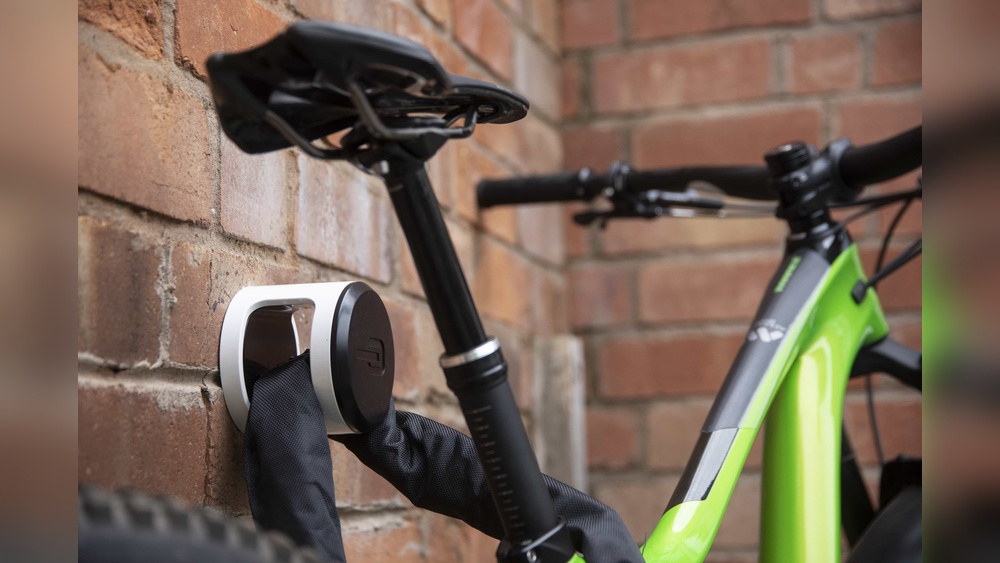
Chain Locks
Chain locks use strong metal links covered with fabric or plastic. They are heavy but very tough to break. Chains can secure bikes to large or awkward objects. The security level depends on the thickness of the chain and the lock used. They are a good choice for high-risk areas.
Tools You Might Need
Getting into a bike lock requires the right set of tools. These tools help you apply pressure and manipulate the lock’s mechanism. Using proper tools makes the process easier and less damaging to the lock. Here are some common tools you might need for this task.
Tension Wrench
A tension wrench applies gentle pressure to the lock’s cylinder. It holds the lock in place while you work on picking the pins. This tool is thin and fits inside the keyhole. It helps create the right tension to unlock the mechanism.
Picking Tools
Picking tools come in various shapes like hooks and rakes. They push or lift the pins inside the lock one by one. These tools are small and designed to fit into tight spaces. Using them carefully allows the pins to align correctly.
Lubricants
Lubricants reduce friction inside the lock. They make it easier to move the pins and parts smoothly. Spray or liquid lubricants designed for locks work best. Applying lubricant before picking can save time and effort.
Bolt Cutters
Bolt cutters are strong tools used to cut through the lock if picking fails. They have long handles and sharp blades for extra force. This tool should be a last resort because it destroys the lock. Use bolt cutters only when other methods do not work.
Methods To Unlock Combination Locks
Combination locks on bikes provide security but can be tricky without the code. Various methods exist to open these locks without the original combination. These techniques rely on patience and careful manipulation of the lock’s dials. Understanding these methods can help regain access to your bike quickly and safely.
Trying Common Combinations
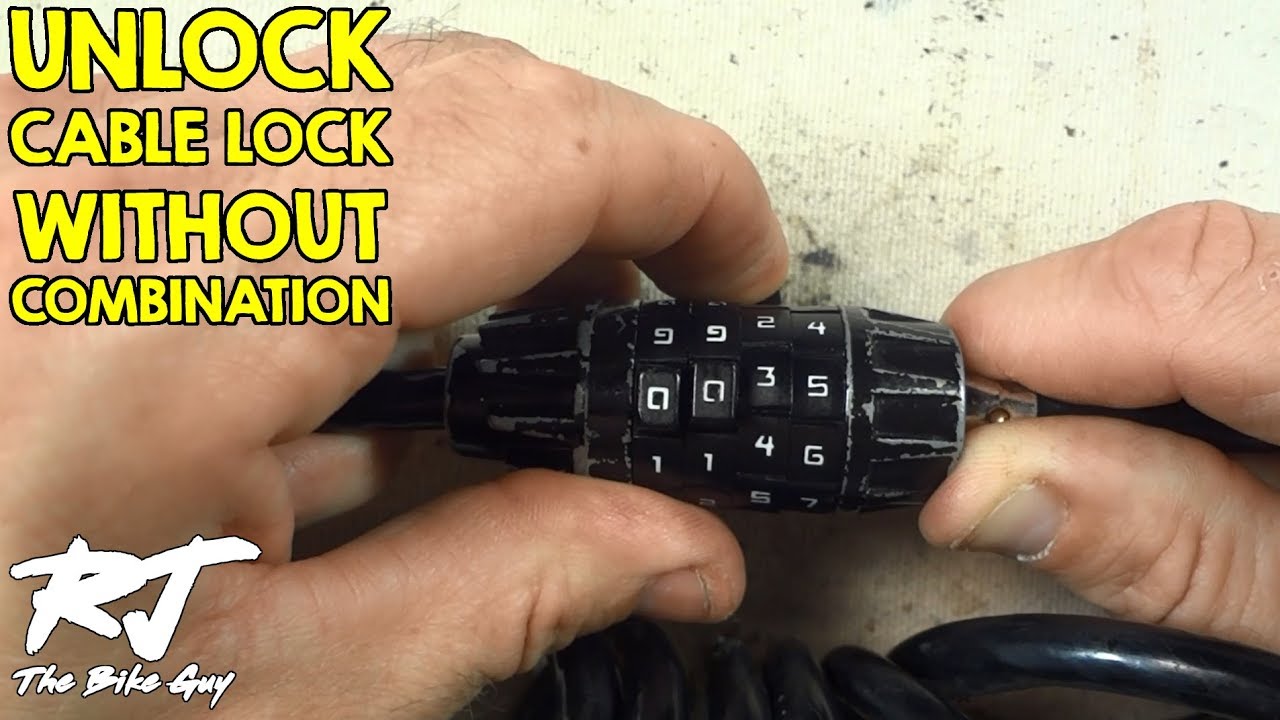
Many people use simple combinations like 0000 or 1234. Starting with these saves time. Try common patterns such as repeating numbers or sequences. This method works best if the lock owner chose an easy code. It requires no tools or special skills.
Feeling For The Clicks
This method involves sensing small clicks as you turn each dial. The lock makes distinct sounds or movements at the correct numbers. Slowly rotate each wheel and feel for these subtle clicks. It can take time but often reveals the right combination. Focus and patience are key for success here.
Using Visual Alignment
Look closely at the lock’s dials and body. Sometimes, small marks or misalignments indicate the correct numbers. Hold the lock at different angles under good light. Notice any grooves or slight shifts in the dial position. These visual clues can help pinpoint the code quickly.
Resetting The Lock
Some combination locks allow resetting without the original code. Check if your lock has a reset button or lever. You usually need to open the lock first or follow a specific procedure. Resetting lets you set a new combination and avoid future lockouts. Refer to the lock’s manual for exact steps.

Credit: www.youtube.com
Opening Keyed Bike Locks
Cable and chain locks protect bikes with flexible metal links. They are tough but can be opened with the right tools and skills. Knowing how to approach these locks helps in emergencies or lost key situations. Understanding safe methods is important for effective handling.
Using Bolt Cutters Safely
Bolt cutters are strong tools for cutting cables and chains. Always wear safety glasses and gloves. Position the jaws around the lock’s weakest point. Apply steady pressure to avoid tool slipping. Use smooth, controlled movements to cut through the metal. Keep others at a safe distance.
Twisting And Pulling Techniques
Twisting and pulling can weaken cable locks. Hold the lock firmly and twist it back and forth. Apply steady force while pulling the ends apart. This method works better on thinner or older cables. It may take time but avoids damaging tools. Be patient and focus on weak spots.
Alternative Cutting Tools
If bolt cutters are unavailable, try other cutting tools. Hacksaws can cut chains but need more effort. Angle grinders work fast but require caution and safety gear. Wire cutters may work on thin cables only. Select tools based on lock type and your skill level. Always prioritize safety and control.
Unlocking Cable And Chain Locks
Preventing bike lockouts saves time and stress. Simple habits keep you from getting locked out. Follow these tips to keep your bike secure and accessible. Prevention is easier than trying to open a locked bike lock without a key or combination.
Recording Combinations Safely
Write your lock combination down on paper. Keep it in a safe place at home. Avoid storing combinations on your phone or online. If someone steals your device, they can access your lock. Use a small notebook or a secure drawer. This method ensures you always have the code when needed.
Storing Spare Keys
Have one or two spare keys made for your bike lock. Give a spare key to a trusted friend or family member. Keep one key in a hidden spot on your bike. Never leave keys in obvious places. Spare keys reduce the risk of lockouts and give peace of mind.
Regular Lock Maintenance
Clean your bike lock regularly to avoid rust and dirt build-up. Use a lubricant designed for locks to keep the mechanism smooth. Check the lock for signs of damage or wear. Fix or replace locks that feel stiff or hard to open. Well-maintained locks work better and reduce the chance of getting stuck.
Credit: www.youtube.com
Preventive Tips For Avoiding Lockouts
Knowing when to seek professional help is important if you cannot get into your bike lock. Trying too long on your own may damage the lock or your bike. Professionals have the right tools and skills to solve the problem safely. This saves time and reduces frustration.
Recognizing Irreparable Locks
Some locks are too old or damaged to fix. Rust or broken parts can stop the lock from working. If the lock is stuck and cannot turn with gentle force, it might be irreparable. Trying to force it can cause more damage. In these cases, a professional can confirm if the lock needs replacement.
Finding Reliable Locksmiths
Choose locksmiths with good reviews and experience in bike locks. They use proper tools to open or replace locks without harming your bike. Ask for recommendations from friends or local bike shops. A trustworthy locksmith will explain the process and costs clearly before starting work.
Cost Considerations
Professional help costs vary by service and lock type. Simple lock opening usually costs less than full replacement. Get an estimate before agreeing to any work. Compare prices from a few locksmiths to find fair rates. Sometimes, paying for help is cheaper than damaging your bike or lock.

Credit: thebestbikelock.com
Frequently Asked Questions
How To Open A Bike Lock When You Lost The Key?
Call a locksmith or the lock manufacturer with the item number for a replacement key. Avoid damaging the lock.
How Do I Unlock A Lock If I Forgot The Password?
Try resetting the lock using the manufacturer’s instructions. Use a lock-picking tool or contact a locksmith for help. Avoid damaging the lock.
What To Do If You Can’t Open Your Bike Lock?
Apply lubricant into the keyhole, let it sit, then gently wiggle the key. Call a locksmith if it still won’t open.
How Do I Open A Lock If I Lost The Key?
Use a tension wrench and pick tool to manipulate pins inside the lock. Alternatively, call a locksmith or contact the lock manufacturer. Avoid force to prevent damage.
Conclusion
Getting into a bike lock takes patience and the right approach. Use simple tools and gentle pressure to avoid damage. Pay attention to the lock’s mechanism and listen for clicks or movements. If you struggle, seek professional help instead of forcing it.
Remember, practice and care make the process easier. Always keep a backup plan for lost keys or combinations. Stay calm, work slowly, and you will succeed.