If you want stronger, more toned legs but don’t have access to a full gym, dumbbells are your best friend. You can build powerful leg muscles right at home or anywhere with just a pair of dumbbells.
The key is knowing exactly how to use them to target your quads, hamstrings, glutes, and calves effectively. You’ll discover simple yet highly effective dumbbell leg exercises that fit any fitness level. Whether you’re aiming to boost strength, improve balance, or sculpt your legs, these moves will challenge your muscles and deliver results.
Ready to transform your leg day and see real progress? Let’s dive into how to workout legs with dumbbells the right way.

Credit: dalpozzo.com.br
Benefits Of Dumbbell Leg Workouts
Dumbbell leg workouts offer many benefits for fitness lovers. They help build strong, toned muscles efficiently. Training legs with dumbbells improves your overall body strength and endurance.
These workouts suit all levels, from beginners to advanced lifters. Dumbbells add resistance, making leg exercises more effective. You can perform these workouts anywhere, making them very practical.
Muscle Building Potential
Dumbbells target major leg muscles like quads, hamstrings, and calves. They allow a full range of motion, which helps muscle growth. Using dumbbells increases resistance steadily, boosting strength and size. This method supports balanced muscle development on both legs. Regular training with dumbbells enhances muscle tone and definition quickly.
Improved Balance And Stability
Working out with dumbbells challenges your balance more than machines. Each leg works independently, requiring better control and coordination. This improves joint stability and reduces injury risk. It also strengthens smaller stabilizer muscles around hips and knees. Enhanced balance helps in daily activities and other sports.
Versatility And Convenience
Dumbbells are easy to use at home or in the gym. They allow many exercises like lunges, squats, and calf raises. You can adjust weight easily to match your fitness level. Dumbbells take little space and are simple to carry. This makes sticking to your leg workout plan easier and more flexible.

Credit: vempraexito.com
Essential Dumbbell Leg Exercises
Building strong legs with dumbbells is simple and effective. Focus on key exercises that target all major leg muscles. These moves improve strength, balance, and muscle tone. You only need a set of dumbbells and space to train.
Here are essential dumbbell leg exercises to include in your workout. Each targets important muscle groups for overall leg development. Perform them with good form and steady progression.
Dumbbell Squats
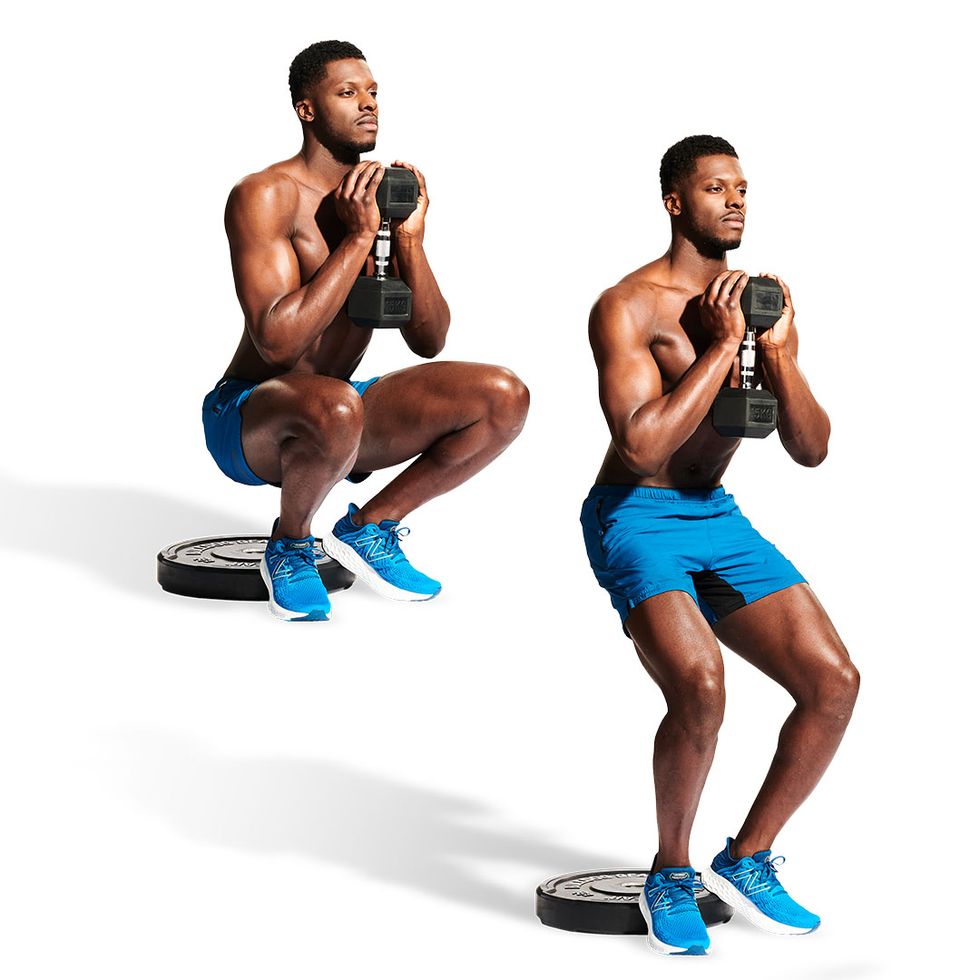
Dumbbell squats work your quads, hamstrings, and glutes. Hold a dumbbell in each hand at your sides. Stand with feet shoulder-width apart. Lower your body by bending your knees and hips. Keep your back straight and chest up. Push through your heels to stand back up. Repeat for desired reps.
Walking Lunges
Walking lunges build balance and leg strength. Hold dumbbells at your sides. Step forward with one leg and lower your hips until both knees bend at 90 degrees. Push off your front foot and step forward with the other leg. Continue moving forward in a controlled manner. Keep your torso upright throughout.
Calf Raises
Calf raises strengthen the lower leg muscles. Hold dumbbells at your sides. Stand with feet hip-width apart. Rise up onto the balls of your feet as high as you can. Pause briefly at the top. Lower your heels back to the floor slowly. Perform in a slow and controlled motion for best results.
Step-ups
Step-ups target quads, hamstrings, and glutes. Hold dumbbells in your hands. Stand facing a sturdy bench or step. Place one foot on the bench and push through your heel. Lift your body up onto the bench. Step down carefully and repeat with the other leg. Maintain good posture and balance.
Proper Form And Technique
Proper form and technique are essential for safe and effective leg workouts with dumbbells. Using correct posture reduces injury risk and improves muscle activation. Focus on controlled movements and steady breathing. Avoid rushing through reps to maintain balance and stability.
Squat Alignment Tips
Stand with feet shoulder-width apart. Keep your chest up and back straight. Push your hips back as you bend knees. Make sure knees track over your toes. Avoid letting knees collapse inward. Keep weight on your heels. Lower until thighs are parallel to the floor. Rise by driving through your heels.
Lunge Execution
Hold dumbbells by your sides. Step forward with one leg. Keep your torso upright and core tight. Lower your back knee toward the floor. Front knee should stay above the ankle. Avoid leaning forward or letting the knee go past toes. Push back to the starting position. Repeat on the other leg evenly.
Safe Weight Handling
Choose dumbbells that match your strength level. Hold them firmly but without tension. Avoid swinging weights during exercises. Keep a controlled pace to prevent injury. Use your legs and hips to lift, not your back. Rest between sets to maintain good form. Increase weight gradually as you get stronger.
Programming Your Leg Workout
Programming your leg workout with dumbbells requires a clear plan. This plan helps you target your muscles effectively. It also ensures steady progress and reduces injury risk. Focus on the right sets, reps, and types of exercises. Balance compound and isolation movements for best results. A well-structured program keeps your workouts efficient and engaging.
Choosing Sets And Reps
Selecting the right number of sets and reps shapes your workout’s goal. For strength, aim for 3 to 5 sets of 4 to 6 reps. To build muscle size, choose 3 to 4 sets of 8 to 12 reps. For endurance, try 2 to 3 sets of 15 to 20 reps. Rest between sets should match your goal. Short rests for endurance; longer rests for strength.
Incorporating Compound Movements
Compound movements use multiple joints and muscles at once. Dumbbell squats, lunges, and deadlifts are excellent choices. These exercises work your quads, hamstrings, glutes, and calves together. They burn more calories and build overall leg strength. Start your workout with compound exercises for maximum energy. They also improve balance and coordination.
Adding Isolation Exercises
Isolation exercises target one muscle group at a time. Dumbbell calf raises and leg curls focus on smaller muscles. Add these after compound lifts to avoid fatigue. Isolation helps fix muscle imbalances and improve muscle shape. Use lighter weights and higher reps for isolation work. This approach gives your legs a complete workout.
Progressive Overload Strategies
Enhancing muscle growth in your leg workouts with dumbbells requires smart training strategies. Small changes can lead to better strength and size gains. Paying attention to how you perform exercises will boost results effectively.
Consistency is important, but focusing on quality during each set matters more. Use controlled movements and proper timing to challenge your muscles deeply. Variety also helps avoid plateaus and keeps muscles adapting.
Controlling Movement Tempo
Slow down your reps to increase muscle engagement. Moving too fast reduces the work your muscles do. Lower the dumbbells steadily and lift with control. This method improves muscle activation and reduces injury risk.
Try counting during each phase, like three seconds down and two seconds up. This keeps your muscles under tension longer and promotes growth.
Focusing On Time Under Tension
Time under tension means how long your muscles work during each set. Longer tension times lead to more muscle fatigue and growth. Avoid resting at the top or bottom of a rep. Keep your muscles tight and working steadily.
Use dumbbell exercises like lunges or squats and hold the position briefly to increase tension. This approach helps your legs build strength and size faster.
Varying Exercises Regularly
Changing your dumbbell leg exercises prevents boredom and plateaus. Different movements target muscles in unique ways. Include squats, lunges, step-ups, and calf raises in your routine.
Switch exercises every few weeks to challenge your legs. Variation forces muscles to adapt, encouraging growth and improving overall leg strength.
Credit: www.menshealth.com
Frequently Asked Questions
Can You Build Legs With Dumbbells?
Yes, dumbbells effectively build leg muscles using squats, lunges, and calf raises. Apply progressive overload and proper form.
Is 20 Minutes Of Leg Workout Enough?
Yes, 20 minutes can be enough for a leg workout if you focus on compound exercises and maintain high intensity.
Is 4 Workouts Enough For Leg Day?
Yes, four workouts can be enough for leg day if they include compound exercises and maintain high intensity. Focus on squats, lunges, deadlifts, and calf raises to target all major leg muscles effectively. Progressive overload and proper form boost results.
Will 20 Lb Dumbbells Build Muscle?
Yes, 20 lb dumbbells can build muscle if you use proper form, challenge muscles with progressive overload, and maintain workout consistency.
Conclusion
Training legs with dumbbells is simple and effective. Focus on key exercises like squats, lunges, and calf raises. Use proper form to avoid injury and get the best results. Increase weight or reps gradually to build strength and muscle. Consistency matters more than complicated routines.
Keep your workouts balanced and listen to your body. This approach helps you grow strong legs at home or the gym. Stay patient and enjoy the progress you make over time.