Are dumbbells really enough to build muscle? If you’ve ever wondered whether those simple weights can transform your body, you’re not alone.
You might think that only big machines or heavy barbells can help you bulk up, but dumbbells offer something unique—versatility and control that can work wonders when used right. Imagine sculpting your muscles, increasing your strength, and boosting your confidence, all with just a pair of dumbbells.
Intrigued? Keep reading to discover how you can build serious muscle using dumbbells, what it takes to see real results, and the smart strategies that will help you avoid common pitfalls. Your journey to a stronger, fitter you starts here.

Credit: www.youtube.com
Muscle Growth With Dumbbells
Dumbbells are a powerful tool for muscle growth. They help build strength and shape your body effectively. Using dumbbells engages muscles in ways machines cannot. This makes workouts more dynamic and productive.
Muscle growth depends on how you use dumbbells. Proper techniques and consistent effort lead to visible results. Dumbbells allow varied exercises targeting all muscle groups. This variety encourages balanced muscle development.
Versatility And Benefits
Dumbbells offer great versatility in training. You can perform many exercises with just one pair. They target multiple muscles at once, boosting efficiency. Dumbbells fit well in small spaces and home gyms. They allow easy weight adjustment to match progress. This helps maintain muscle tension and stimulate growth.
Unilateral Training Advantages
Dumbbells enable unilateral training, working one side at a time. This corrects muscle imbalances between limbs. It improves coordination and stability by forcing each side to work independently. Unilateral exercises also engage core muscles more deeply. This leads to better overall muscle control and strength.
Range Of Motion And Load Variation
Dumbbells allow a full range of motion during exercises. This ensures muscles stretch and contract completely. Full motion helps muscles grow stronger and bigger. You can vary loads easily by changing dumbbell weight. This variation challenges muscles differently, preventing plateaus. It keeps workouts fresh and effective for growth.
Effective Dumbbell Exercises
Dumbbells offer a simple yet effective way to build muscle. They allow a wide range of movements that target different muscle groups. Using dumbbells helps improve strength, balance, and coordination. Below are some key exercises to maximize muscle growth using dumbbells.
Upper Body Moves
Dumbbells are excellent for working the upper body. Exercises like dumbbell bicep curls help build arm muscles. Shoulder presses strengthen the deltoids and improve shoulder stability. Dumbbell rows target the back muscles, promoting better posture. Tricep extensions isolate the triceps for stronger arms. These moves can be done at home or in the gym.
Lower Body Workouts
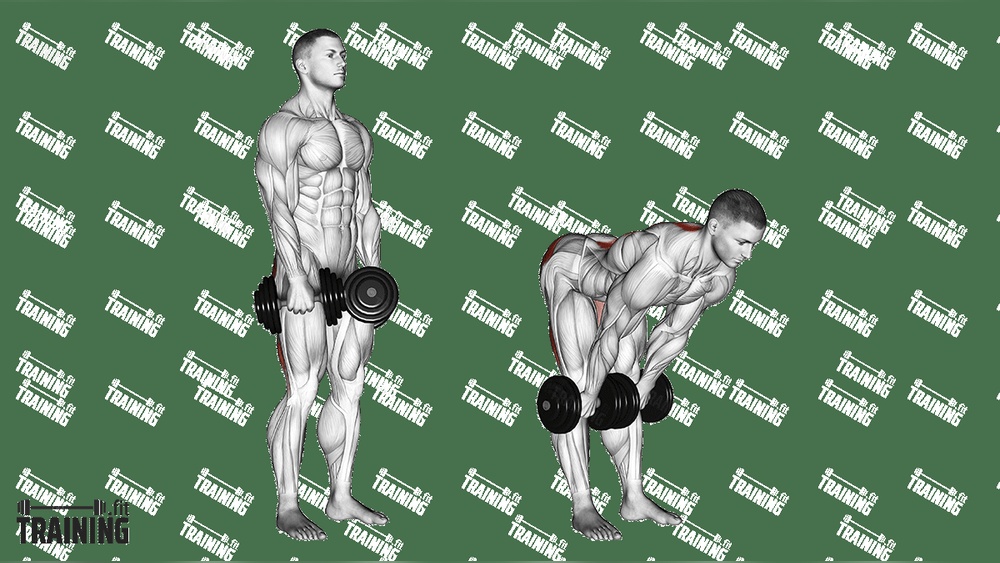
Dumbbells also improve leg and glute strength. Goblet squats with a dumbbell engage the quads and glutes. Dumbbell lunges build balance and muscle in the thighs. Deadlifts with dumbbells target the hamstrings and lower back. Step-ups holding dumbbells increase leg power and coordination. These exercises increase muscle tone and endurance in the lower body.
Core Strengthening Exercises
Strong core muscles support overall strength and stability. Dumbbell Russian twists work the obliques and improve rotational strength. Weighted sit-ups increase abdominal muscle activation. Dumbbell side bends target the sides of the waist. Plank rows with dumbbells challenge the core and upper body simultaneously. Incorporate these moves to build a solid and stable core.
Progressive Overload Strategies
Progressive overload is the key to building muscle with dumbbells. It means gradually increasing the stress on your muscles. This forces them to adapt and grow stronger over time. Using smart strategies ensures steady muscle growth and prevents plateaus. Here are three simple ways to apply progressive overload with dumbbells.
Increasing Weight
Adding more weight is the most direct way to challenge muscles. As you get stronger, pick heavier dumbbells. This increase makes muscles work harder to complete each rep. Aim to raise the weight in small steps to avoid injury. Even a small jump in weight can boost muscle growth.
Adjusting Repetitions
Changing the number of repetitions also increases muscle demand. Start with a set rep range, like 8 to 12 reps. When this feels easy, add more reps within the range. Once you hit the top, increase the dumbbell weight and reduce reps. This keeps muscles under constant challenge and encourages growth.
Slowing Tempo For Tension
Slowing down each movement increases muscle tension without adding weight. Take more time lowering and lifting the dumbbells. This longer muscle activation improves strength and size. Control each rep carefully to maximize effort. Tempo changes can make lighter weights feel much harder.

Credit: shivassociates.org
Workout Structure Tips
Building muscle with dumbbells is effective when your workout has a clear structure. A well-planned routine helps you train smarter and see better results. Focus on key factors that influence muscle growth. Balance your effort and recovery. Add exercises that challenge your muscles in different ways. Pay attention to how your body feels during workouts.
Balancing Volume And Intensity
Volume means how many sets and reps you do. Intensity refers to how heavy the dumbbells are. Use enough weight to feel challenged but keep good form. Too much volume or intensity can cause injury or burnout. Start with moderate sets and reps, then increase gradually. Adjust your routine based on progress and energy levels.
Incorporating Variety
Change exercises to target different muscles and avoid boredom. Mix up movements like curls, presses, and rows. Use different grips or angles to hit muscles differently. Variety keeps muscles adapting and growing. It also helps prevent plateaus and overuse injuries. Plan your workouts to include new exercises every few weeks.
Listening To Your Body
Muscle soreness is normal, but sharp pain is a warning. Rest if you feel extreme fatigue or discomfort. Recovery is part of building muscle. Sleep well and eat enough protein to help repair muscles. Notice when you feel strong and when you need a break. Adjust your workouts based on how your body reacts.
Timeline For Muscle Gains
Understanding the timeline for muscle gains helps set realistic expectations. Muscle building with dumbbells is a gradual process. Your body needs time to adapt and grow stronger. Each phase of progress has unique features and challenges. Tracking these stages boosts motivation and consistency.
Initial Strength Improvements
During the first few weeks, strength gains occur quickly. Your nervous system learns to activate muscles better. This is called neural adaptation. Muscle size does not increase much yet. You feel stronger without obvious muscle growth. These improvements help prepare your body for heavier weights.
Visible Muscle Growth
After about 4 to 8 weeks, muscle size starts to increase. Dumbbell exercises cause small muscle fibers to grow. Protein in your diet supports this repair and growth. You begin to notice changes in muscle shape and firmness. Consistent training and rest are crucial now. Progress may be slow but steady at this stage.
Long-term Progress Challenges
Over several months, muscle gains slow down naturally. Your body adapts to the workout routine. Increasing weight or changing exercises becomes necessary. Without adjustments, progress can plateau. Recovery, nutrition, and sleep remain vital for continued growth. Patience and persistence help overcome these challenges.
Nutrition And Recovery
Building muscle with dumbbells is not just about lifting weights. Nutrition and recovery play a big role in muscle growth. Without proper food and rest, your muscles cannot repair or grow efficiently. Paying attention to these factors helps you get better results from your workouts.
Eating the right foods and allowing your body to recover are essential steps. They fuel your muscles and prepare them for the next workout. Let’s explore how protein, sleep, and rest days support muscle building.
Protein’s Role In Muscle Repair
Protein is the building block of muscles. After a workout, your muscles develop tiny tears. Protein helps fix these tears and makes muscles stronger. Eating enough protein daily supports this repair process. Good sources include chicken, fish, eggs, and beans. Try to include protein in every meal to aid muscle growth.
Importance Of Sleep
Sleep is when your body does most of its repair work. During deep sleep, your body releases growth hormones that help build muscle. Poor sleep slows down recovery and reduces workout gains. Aim for 7 to 9 hours of quality sleep each night. Rested muscles perform better and grow faster.
Rest Days And Injury Prevention
Rest days are crucial to avoid injuries and overtraining. Muscles need time to heal after being stressed in workouts. Skipping rest can lead to fatigue and muscle damage. Plan rest days in your routine to give muscles a chance to recover fully. This keeps you safe and improves long-term progress.
Common Mistakes To Avoid
Building muscle with dumbbells is effective, but mistakes can slow progress. Avoiding common errors improves results and keeps workouts safe. Focus on key aspects to make your dumbbell training work well.
Neglecting Form
Good form protects muscles and joints from injury. Poor technique limits muscle activation and reduces gains. Use slow, controlled movements to target muscles correctly. Start with lighter weights to learn proper form. Watch yourself in a mirror or record your session. Correcting form early prevents bad habits later.
Overtraining Risks
Muscles need time to recover and grow stronger. Training too often causes fatigue and increases injury risk. Rest days help muscles repair and reduce soreness. Balance workout days with recovery days for best results. Pay attention to your body’s signals and avoid pushing beyond limits.
Ignoring Progressive Load
Muscles grow by adapting to increasing challenges. Using the same weight every workout stalls growth quickly. Gradually increase dumbbell weight or reps to keep muscles challenged. Track your progress to know when to add load. Small, steady increases lead to consistent muscle building.

Credit: www.youtube.com
When To Increase Weight
Knowing the right moment to increase dumbbell weight is key for muscle growth. Increasing weight too soon can cause injury. Waiting too long slows progress. Watch your body and workout closely to find the best time to add weight.
Signs You’ve Plateaued
Your muscles no longer feel tired after workouts. You finish sets without much effort. Progress in strength or size has stopped. Exercises feel easier than before. These signs show your current weight is no longer challenging.
Safe Weight Progression
Increase dumbbell weight in small steps. Add 2.5 to 5 pounds at a time. Avoid jumping to heavy weights quickly. Ensure you maintain good form during each lift. Slow progression helps prevent injury and supports steady muscle growth.
Balancing Challenge And Control
Choose a weight that is hard but manageable. You should feel muscle fatigue by the last rep. Avoid weights that force poor form or strain joints. Control each movement with steady speed. This balance promotes muscle building and reduces injury risk.
Frequently Asked Questions
Can You Build Muscle Only With Dumbbells?
Yes, you can build muscle using only dumbbells. They offer versatile exercises and adjustable resistance for effective strength training.
How Long Does It Take To Build Muscles With Dumbbells?
Building muscle with dumbbells typically takes 4 to 8 weeks of consistent, intense workouts combined with proper nutrition and recovery. Progress depends on workout intensity, diet, rest, genetics, and exercise variety. Gradually increase weight and maintain correct form to optimize muscle growth and avoid injury.
Are 30 Lb Dumbbells Enough To Build Muscle?
Yes, 30 lb dumbbells can build muscle if you use proper form, increase reps, and maintain workout intensity consistently.
What Happens If I Only Lift Dumbbells?
Lifting only dumbbells builds muscle effectively with varied exercises and proper progression. It enhances strength, balance, and muscle tone. Avoid neglecting other training forms to ensure overall fitness and prevent imbalances. Consistency, proper form, and increasing weight are essential for continued muscle growth.
Conclusion
Dumbbells can definitely help you build muscle effectively. They offer many exercise options for all muscle groups. Using proper form and consistent workouts matters most. Gradually increasing weight or reps drives muscle growth. Rest and good nutrition support your progress well.
Muscle gains take time, usually weeks to months. Keep your routine varied to avoid plateaus. Dumbbells are a simple, flexible tool for strength training. Stay patient and focused to see steady results.