
Want a stronger, well-defined chest but don’t have access to a gym or heavy machines? Dumbbells could be your best friend.
With just a pair of dumbbells, you can unlock powerful chest gains that improve your strength, shape, and balance. Imagine building muscle evenly on both sides of your chest, avoiding common workout mistakes, and sculpting those perfect pecs—all from the comfort of your home or local gym.
In this guide, you’ll discover how to use dumbbells effectively to target every part of your chest. Ready to transform your upper body and boost your confidence? Keep reading to learn the exact moves and tips that will get you there faster.
Benefits Of Dumbbells For Chest
Dumbbells offer many benefits for building chest muscles. They provide freedom of movement and help target muscles effectively. Using dumbbells helps improve muscle balance and stability. This makes workouts safer and more effective. Dumbbells also allow for varied exercises, keeping routines fresh and engaging.
Range Of Motion Advantages
Dumbbells allow a greater range of motion than barbells. You can lower the weights deeper for better muscle stretch. This full movement helps activate more muscle fibers. It leads to better chest muscle growth over time. A larger range of motion also reduces joint stress.
Balance And Stability Improvements
Each arm works independently with dumbbells. This challenges your balance and engages stabilizer muscles. It helps fix strength differences between your left and right sides. Improved stability lowers injury risk during chest exercises. Strong stabilizers support heavier lifts safely.
Muscle Activation Boost
Dumbbells increase muscle activation compared to some machines or barbells. They require more control and effort from your muscles. This extra work stimulates the pectoral muscles more. Higher muscle activation often leads to faster strength and size gains. Dumbbells target both the major and minor chest muscles.
Versatility In Workouts
Dumbbells let you do many chest exercises easily. You can perform presses, flyes, and pullover moves. They work well for incline, flat, or decline angles. Dumbbells fit home gyms and small spaces. You can quickly change weights to suit your level. This variety keeps workouts interesting and effective.
Essential Dumbbell Chest Exercises
Building strong chest muscles with dumbbells requires focus on key exercises. These moves target different parts of the chest for balanced growth. Dumbbells add variety and challenge your muscles in unique ways. They improve strength, shape, and muscle control. Below are the essential dumbbell chest exercises to include in your workout.
Dumbbell Bench Press Variations
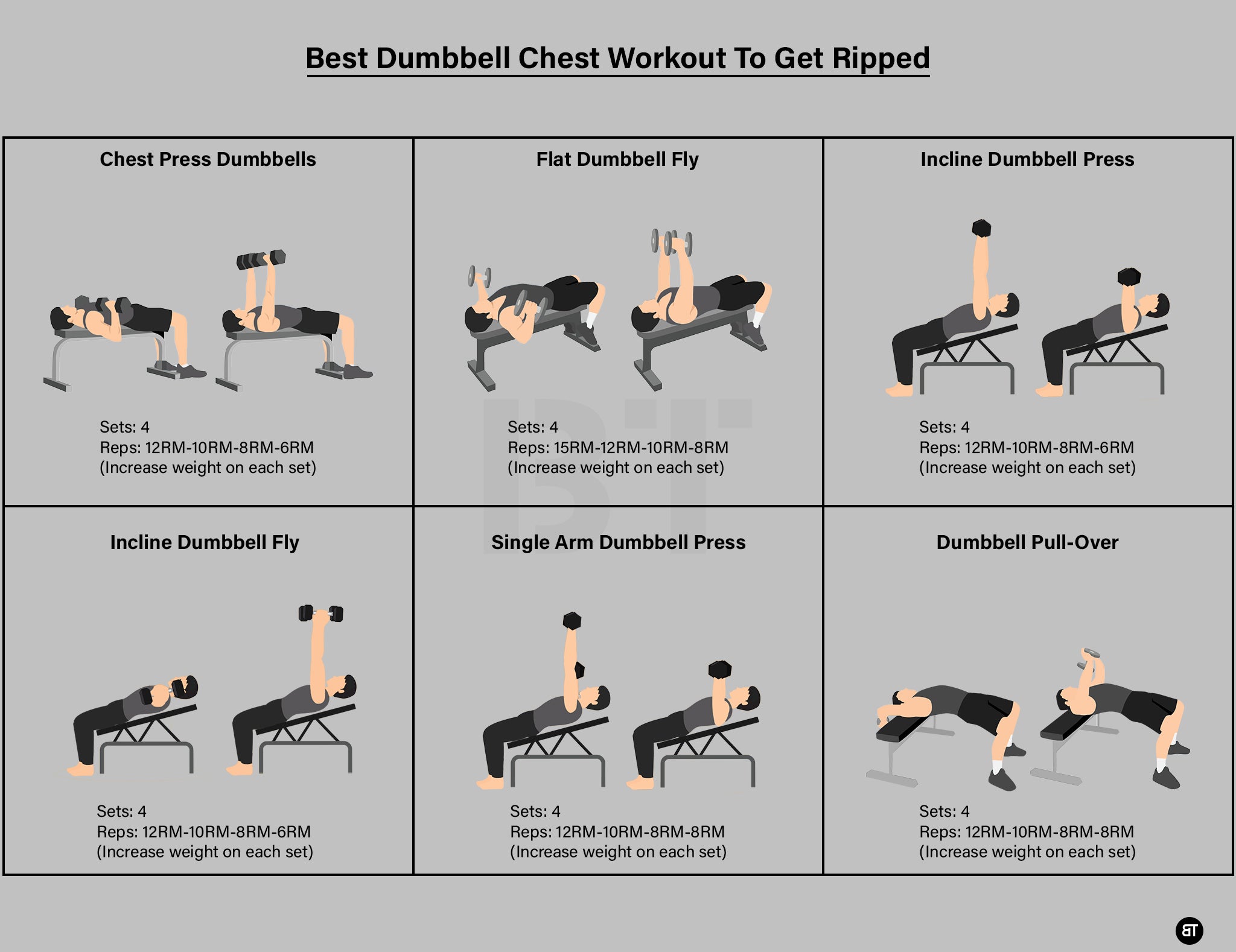
The dumbbell bench press is a staple for chest building. Variations include flat, incline, and decline presses. These changes target various chest areas. Use a controlled motion and full range of motion. Dumbbells allow each arm to work independently, improving muscle balance.
Dumbbell Flyes For Isolation
Dumbbell flyes isolate chest muscles effectively. Perform them lying flat or on an incline bench. Keep a slight bend in your elbows. Focus on stretching and contracting the chest. This exercise helps shape and define the pectoral muscles.
Dumbbell Floor Press
The floor press limits shoulder strain while building chest strength. Lie on the floor and press dumbbells upward. This move focuses more on the middle chest. It’s a good option if you lack a bench.
Incline Dumbbell Press
The incline dumbbell press targets the upper chest. Set the bench at a 30-45 degree angle. Press dumbbells upward while maintaining control. This exercise helps build a fuller, rounder upper chest.
Reverse Grip Dumbbell Press
Use a reverse grip to emphasize the upper chest and front shoulders. Hold dumbbells with palms facing you. Press upward slowly and steadily. This grip changes the muscle activation pattern, adding variety to your routine.
Dumbbell Pullover
Dumbbell pullovers work the chest and the rib cage muscles. Lie on a bench and hold one dumbbell with both hands. Lower the dumbbell behind your head, then pull it back over your chest. This move expands the chest and improves flexibility.
Proper Technique Tips
Proper technique is crucial when building chest muscles with dumbbells. It ensures you target the right muscles and avoid injury. Using dumbbells allows more freedom of movement, but this also means you must focus on control. Small mistakes in form can reduce the workout’s effectiveness. Follow these tips to improve your dumbbell chest workouts.
Using Leg Drive Effectively
Leg drive helps stabilize your body during dumbbell presses. Press your feet firmly into the ground. Push through your legs as you lift the dumbbells. This action transfers power from your lower body to your chest. It also keeps your back flat and your core tight. Using leg drive improves strength and control in each rep.
Grip Variations For Impact
Changing your grip can target different chest areas. Use a neutral grip with palms facing each other for better shoulder comfort. Try a pronated grip with palms facing forward to hit the middle chest. A supinated grip, palms facing you, emphasizes the upper chest. Switch grips between workouts to develop balanced chest muscles.
Maintaining Control And Form
Control is key to safe and effective dumbbell exercises. Lower the dumbbells slowly to feel the stretch in your chest. Avoid dropping the weights quickly or bouncing them off your chest. Keep your elbows slightly bent to reduce joint strain. Focus on smooth, steady movements throughout the set. Proper form maximizes muscle engagement and prevents injury.

Credit: www.youtube.com
Designing Your Dumbbell Chest Workout
Designing your dumbbell chest workout requires careful planning. This ensures each session targets your chest muscles effectively. Focus on how to organize sets and reps, use drop sets, and balance workout volume with intensity. These elements create an efficient routine that builds muscle steadily.
Structuring Sets And Reps
Start by choosing the right number of sets and reps. Aim for 3 to 4 sets per exercise. For muscle growth, perform 8 to 12 reps each set. This range helps stimulate muscle fibers without causing too much fatigue. Keep rest periods between 60 to 90 seconds. This rest time allows muscles to recover for the next set.
Incorporating Drop Sets
Drop sets increase workout intensity by extending sets beyond normal fatigue. Begin with a heavier dumbbell weight. Perform reps until you reach muscle failure. Then, immediately drop to a lighter weight and continue without resting. This method pushes muscles to grow by increasing time under tension. Use drop sets selectively to avoid overtraining.
Balancing Volume And Intensity
Volume means total work done, like sets multiplied by reps. Intensity refers to the weight lifted. Balance these two to avoid injury and maximize gains. Increase volume gradually as strength improves. Adjust intensity by adding weight or changing reps. Listen to your body and allow rest days for recovery. This balance helps build chest muscles safely and effectively.
Building Chest Size With Progressive Overload
Building chest size requires consistent effort and smart training strategies. Progressive overload stands as a key method to grow chest muscles effectively with dumbbells. This technique involves gradually increasing the demands on your muscles to stimulate growth. Applying progressive overload ensures your chest muscles adapt and become stronger over time.
Using dumbbells allows precise control over weight increments. This control helps you push your limits safely and steadily. Building chest size with progressive overload means challenging your muscles beyond their current capacity regularly. It leads to increased muscle fiber recruitment and growth.
Increasing Weight Gradually
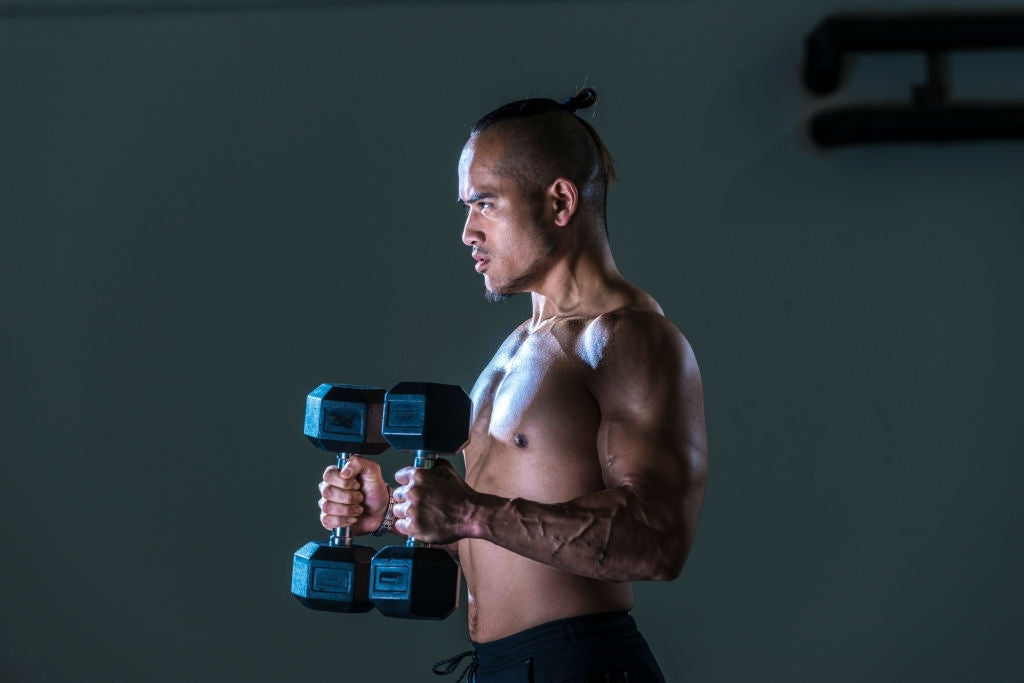
Start with a comfortable dumbbell weight that allows proper form. Once you can complete your reps easily, increase the weight in small steps. Even a slight increase helps your muscles face new challenges. Avoid sudden large jumps in weight to prevent injury. Consistent small increases promote steady muscle growth.
Tracking Progress
Keep a workout journal or use an app to record your weights, sets, and reps. Tracking progress helps identify improvements and areas needing focus. It also motivates you by showing how much stronger you become. Review your logs weekly to adjust your training plan. Staying organized supports long-term muscle growth goals.
Avoiding Plateaus
Muscle growth can slow down if you repeat the same routine. To avoid plateaus, change exercises or rep ranges periodically. Add variations like incline or decline dumbbell presses to target different chest areas. Rest adequately to allow muscle recovery and growth. Listening to your body helps maintain progress and prevents burnout.
Credit: www.factoryweights.co.uk
Training Without A Bench
Training without a bench is a practical way to build chest muscles using dumbbells. You can perform many effective exercises on the floor. This method suits home workouts and small spaces. It also reduces the need for extra equipment. Dumbbell workouts on the floor can target your chest well while keeping your movements safe and controlled.
Floor Press Benefits
The floor press is a great exercise without a bench. It limits how far your elbows drop, protecting your shoulders. This makes it safer for many people. You press the dumbbells up while lying on the floor. The floor press works the chest, shoulders, and triceps.
This exercise helps build strength and muscle size. It also improves control and stability because you push weights from a fixed position. The limited range of motion focuses more on the middle chest. Many lifters find it easier to maintain proper form on the floor.
Alternative Angles And Positions
You can change your body position to hit the chest differently. Try lying on your back with your hips raised, creating a small bridge. This angle shifts more work to the upper chest. Another option is to lie on one side and press the dumbbell upward, which targets the chest from a unique angle.
Adjusting arm angles during presses and flyes also changes the muscle focus. Bringing your arms closer or wider affects the inner and outer chest differently. Experiment with these positions to find what works best for your chest development.
Common Mistakes To Avoid
Building chest muscles with dumbbells requires more than just lifting weights. Many beginners make common mistakes that slow progress and increase injury risk. Avoiding these errors helps you train smarter and get better results. Focus on proper form, muscle control, and recovery to maximize your workout benefits.
Overusing Momentum
Using momentum to lift dumbbells reduces muscle engagement. Swinging weights wastes energy and puts joints at risk. Slow, controlled movements target chest muscles more effectively. Pause briefly at the top of each rep to increase tension. Avoid jerking or bouncing the dumbbells during exercises.
Ignoring Stabilizer Muscles
Chest workouts with dumbbells need stabilizer muscles to keep balance. Neglecting these muscles leads to poor form and uneven muscle development. Engage your core and shoulder stabilizers during each movement. This approach improves strength and reduces injury chances. Use lighter weights if you cannot maintain stability.
Skipping Warm-ups And Recovery
Warm-ups prepare your muscles and joints for exercise. Skipping warm-ups increases injury risk and decreases performance. Include light cardio and dynamic stretches before lifting dumbbells. Recovery after workouts is crucial for muscle growth. Rest, proper nutrition, and stretching help muscles repair and grow stronger.
At-home Dumbbell Chest Workouts
At-home dumbbell chest workouts offer a practical way to build muscle without gym visits. Dumbbells provide versatile options for targeting your chest muscles effectively. These workouts fit well into small spaces and require minimal gear. You can develop strength and definition right in your living room or bedroom.
Using dumbbells allows you to perform presses, flyes, and other movements that engage chest muscles deeply. The freedom of movement with dumbbells also helps improve muscle balance and coordination. Consistent effort with these exercises can lead to noticeable chest gains over time.
Minimal Equipment Routines
Minimal equipment routines focus on using just one or two dumbbells. You do not need benches or machines to train your chest. Exercises like dumbbell floor presses and standing chest flyes are effective and simple. These moves activate the pectoral muscles without extra gear.
Choose dumbbells that suit your current strength level. Start with lighter weights to learn proper form and avoid injury. Gradually increase weight as your chest muscles grow stronger. This approach keeps workouts safe and productive.
Space-saving Exercise Options
Space-saving exercises fit easily in small areas. Dumbbell floor presses require only enough room to lie down flat. Standing dumbbell presses and flyes need just a few feet of space. These workouts are perfect for apartments or small homes.
You can combine exercises into a quick routine that takes less than 30 minutes. This saves time and fits busy schedules. Consistency with space-saving dumbbell workouts helps build chest muscles efficiently.
Credit: www.balzanomarco.com
Frequently Asked Questions
Can You Build Chest With Just Dumbbells?
Yes, you can build chest muscles effectively using just dumbbells. They offer greater range of motion, improve muscle balance, and activate chest muscles well. Exercises like dumbbell bench presses, flyes, and floor presses target different chest areas, making dumbbells a versatile and efficient option for chest development.
What Is The Fastest Way To Build Chest Muscle?
The fastest way to build chest muscle involves consistent dumbbell bench presses, incline presses, and flyes. Use progressive overload and proper form. Train 2-3 times weekly, allowing muscle recovery. Combine with a protein-rich diet for optimal muscle growth.
Which Dumbbell Workout Is Best For The Chest?
The best dumbbell workout for the chest is the dumbbell bench press. Include incline presses and flyes to target all chest areas effectively.
How Long Does It Take To Build Chest Muscles?
Building chest muscles typically takes 6 to 12 weeks with consistent dumbbell workouts, proper nutrition, and rest. Progress varies by genetics and training intensity. Focus on compound exercises like dumbbell presses and flyes to maximize muscle growth effectively.
Conclusion
Building chest muscles with dumbbells is simple and effective. Use a variety of exercises to target all chest areas. Focus on form and control to avoid injury. Consistency and gradual weight increase bring the best results. Dumbbells improve balance and activate muscles better than some machines.
You can train at home or in the gym with ease. Stay patient, and enjoy the progress you make each week. Stronger chest muscles improve overall strength and posture. Keep your routine balanced with rest and good nutrition.

