
If you want bigger, stronger shoulders but only have dumbbells at your disposal, you’re in the right place. Building impressive shoulders doesn’t require fancy gym machines or heavy barbells—you just need the right exercises and a smart approach.
You’ll discover simple yet effective dumbbell moves that target every part of your shoulder muscles, helping you add size and definition. Whether you’re a beginner or looking to break through a plateau, these tips will help you maximize your gains.
Ready to transform your shoulders and boost your confidence? Keep reading to learn exactly how to get bigger shoulders with dumbbells.
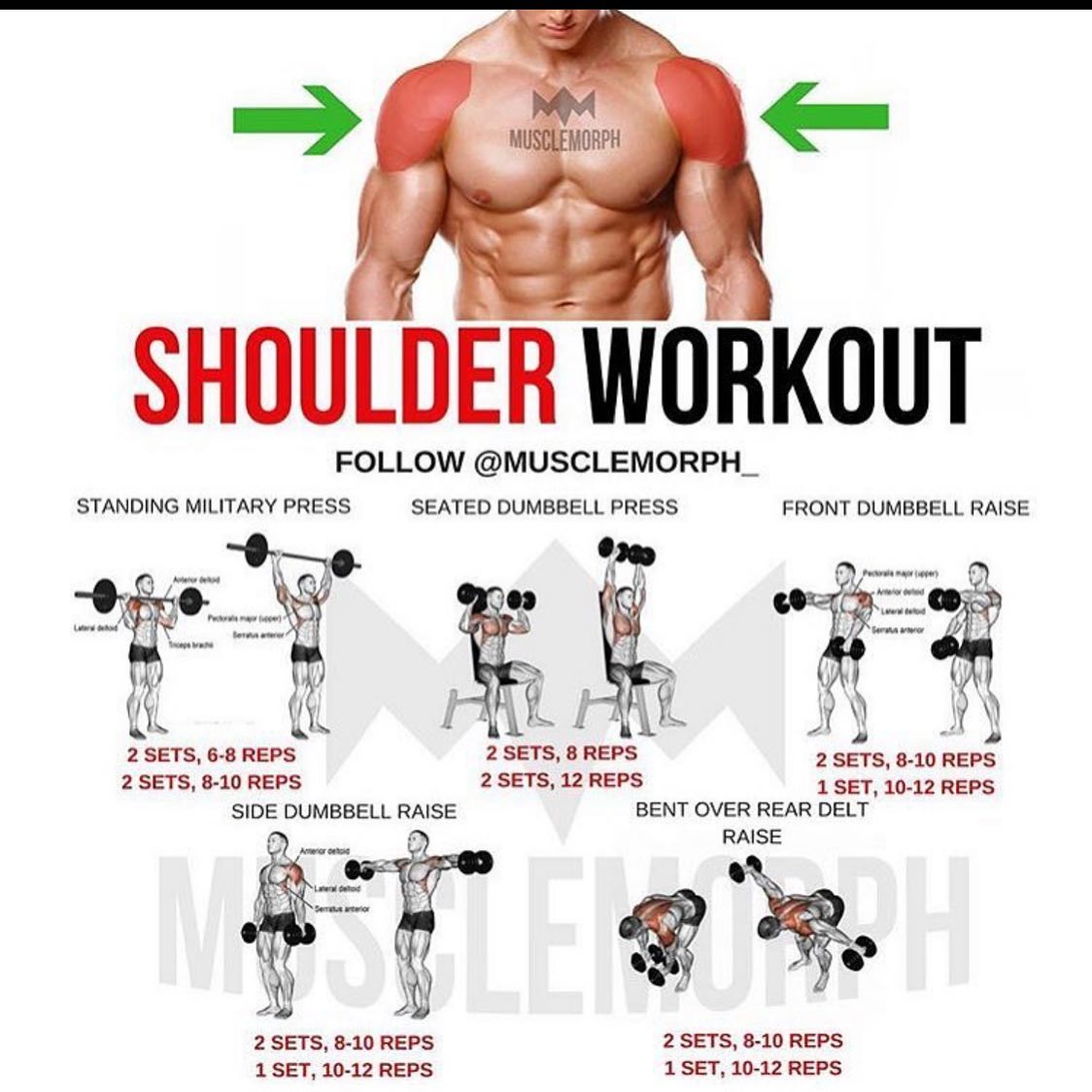
Credit: orimarkproperties.com
Shoulder Anatomy Basics
The shoulder is a complex joint that allows a wide range of motion. Understanding its anatomy helps target muscles effectively. Training with dumbbells can develop strong, bigger shoulders.
Knowing which muscles to focus on improves your workout results. It reduces the risk of injury and promotes balanced muscle growth. Let’s explore the shoulder anatomy basics.
Deltoid Muscle Parts
The deltoid muscle is the main shoulder muscle. It has three parts: anterior, lateral, and posterior deltoids.
The anterior deltoid is at the front. It helps raise the arm forward and rotate it inward.
The lateral deltoid sits on the side. It lifts the arm sideways away from the body.
The posterior deltoid is at the back. It moves the arm backward and rotates it outward.
Each part needs specific exercises for balanced shoulder growth. Dumbbell exercises can target all three parts effectively.
Role Of Supporting Muscles
Supporting muscles stabilize the shoulder and assist movement. The rotator cuff muscles play a key role here.
These muscles keep the shoulder joint steady during exercises. They help prevent injuries and improve strength.
Other muscles like the trapezius and serratus anterior assist shoulder movement. Strengthening them supports bigger shoulder development.
Including exercises that work these muscles helps build strong, well-rounded shoulders.

Credit: www.youtube.com
Why Dumbbells Work
Dumbbells are a top choice for building bigger shoulders. They offer unique advantages that machines cannot match. Using dumbbells activates more muscles and improves workout quality. This helps in developing stronger, fuller shoulders over time.
Dumbbells allow natural movement patterns. This reduces the risk of injury and helps target shoulder muscles more effectively. They also engage stabilizer muscles that support balance and control. This adds to overall shoulder strength and size.
Benefits Over Machines
Dumbbells let each arm move independently. This prevents one side from dominating the other. Machines often force a fixed path, limiting muscle activation. Dumbbells encourage balanced muscle growth and coordination.
They are versatile and easy to use anywhere. No need for bulky equipment or gym membership. This makes it simple to train shoulders regularly and consistently.
Improved Range Of Motion
Dumbbells allow a wider range of motion than machines. This means muscles stretch and contract fully during exercises. Full movement helps activate all parts of the shoulder muscles.
Better range of motion leads to greater muscle growth. It also improves joint flexibility and reduces stiffness. This makes dumbbell workouts more effective for shoulder development.
Key Dumbbell Exercises
Building bigger shoulders with dumbbells requires targeting all parts of the shoulder muscles. Each exercise focuses on a different area. This balanced approach creates well-rounded, strong shoulders.
Using dumbbells allows for a natural range of motion. It also helps correct muscle imbalances. Below are key dumbbell exercises to grow your shoulders effectively.
Dumbbell Shoulder Press
The dumbbell shoulder press works the front and middle deltoids. Sit or stand with a dumbbell in each hand at shoulder height. Press the weights upward until your arms are fully extended. Lower slowly and repeat. This exercise builds strength and size in the main shoulder muscles.
Lateral Raises
Lateral raises target the middle deltoids for wider shoulders. Hold dumbbells at your sides with a slight bend in your elbows. Raise your arms out to the sides until they reach shoulder level. Lower the weights controlled. This move enhances shoulder width and definition.
Front Raises
Front raises focus on the front deltoids, improving shoulder shape. Hold a dumbbell in each hand in front of your thighs. Lift one or both arms straight up to shoulder height. Lower the weight slowly. This exercise adds size and strength to the front part of your shoulders.
Rear Delt Flyes
Rear delt flyes target the rear deltoids, often neglected in shoulder training. Bend forward at the hips with dumbbells in hand. Keep a slight bend in your elbows and raise your arms out to the sides. Pause at the top, then lower. This builds balanced shoulder muscles and improves posture.
Dumbbell Halo
The dumbbell halo works the entire shoulder and improves mobility. Hold one dumbbell with both hands in front of your chest. Move it slowly around your head in a circular motion. Keep your core tight and control the movement. This exercise engages all shoulder heads and increases joint stability.
Proper Form Tips
Proper form is key to building bigger shoulders with dumbbells. It reduces injury risk and makes every rep count. Paying attention to form helps you target shoulder muscles effectively. Small adjustments improve workout quality and results.
Avoiding Common Mistakes
Keep your shoulders down and back during lifts. Avoid shrugging or hunching forward. Don’t swing the dumbbells or use momentum. Use a full range of motion to engage muscles fully. Choose weights that let you control each move. Stop if you feel sharp pain or discomfort.
Maintaining Core Stability
Brace your core to protect your lower back. Stand or sit tall with a neutral spine. Keep your belly tight throughout the exercise. Avoid leaning backward or forward. A strong core supports shoulder lifts and helps balance. This stability allows better force transfer and muscle growth.
Controlling The Movement
Lift dumbbells slowly and lower them with control. Focus on smooth, steady motions instead of speed. Pause briefly at the top of each lift. Resist gravity on the way down to work muscles more. Controlled movement increases muscle tension and size. It also prevents injuries caused by jerky actions.
Progressive Overload Strategies
Progressive overload is key to building bigger shoulders with dumbbells. It means gradually increasing the challenge on your muscles. This forces your shoulder muscles to grow and get stronger over time. Using smart strategies helps avoid injury and keeps your workouts effective. Focus on steady improvement to see real results.
Increasing Weight Safely
Adding more weight to your dumbbells helps muscles grow. Increase weights in small steps to avoid strain. Use a weight you can lift with good form for 8 to 12 reps. When this becomes easy, raise the weight slightly. Always warm up and listen to your body to prevent injury.
Adjusting Reps And Sets
Changing the number of reps and sets also increases workout intensity. Try adding more reps per set while keeping good form. Or add extra sets to challenge your muscles longer. For shoulder growth, aim for 3 to 4 sets of 8 to 12 reps. Adjust reps and sets to push your muscles just enough.
Tracking Your Progress
Keep a workout journal to track weights, reps, and sets. Write down how much weight you use and how many reps you complete. Tracking helps you see your improvements clearly. It also shows when to increase weight or reps. Regularly checking progress keeps you motivated and on track.

Credit: scala-santa.com
Workout Plans For Growth
Building bigger shoulders requires a clear workout plan. Using dumbbells can target all shoulder muscles effectively. Different plans suit different experience levels. Follow a routine that fits your current strength and skills. Consistency and proper form are key to growth.
Choose exercises that hit the front, middle, and rear deltoids. Vary the volume and intensity to keep muscles challenged. Rest and recovery also play important roles in muscle development.
Beginner Dumbbell Shoulder Routine
Start with light weights and focus on form. Perform three sets of 10 to 12 reps per exercise. Include dumbbell shoulder presses, front raises, and lateral raises. Rest for 60 seconds between sets. Train your shoulders twice a week for steady progress.
Intermediate Shoulder Workout
Use moderate weights to increase intensity. Perform four sets of 8 to 10 reps. Add exercises like reverse flys and Arnold presses. Shorten rest periods to 45 seconds for endurance. Train shoulders two to three times weekly. Track weights to ensure gradual overload.
Advanced Volume Training
Lift heavier dumbbells with more volume. Perform five to six sets of 6 to 8 reps. Include drop sets and supersets for added intensity. Focus on all three heads of the deltoid. Limit rest to 30 seconds to maintain muscle fatigue. Train shoulders three times per week with proper recovery.
Recovery And Nutrition
Recovery and nutrition play a key role in building bigger shoulders with dumbbells. Training alone is not enough. Your muscles need time and fuel to grow stronger and larger. Proper rest and the right nutrients help repair muscle fibers. This leads to better results and less risk of injury. Focus on recovery and nutrition to support your shoulder workouts.
Rest Days Importance
Rest days let your muscles heal and grow. Without rest, muscles stay tired and weak. Avoid working the same muscle groups every day. Take at least one or two rest days per week. Use rest days for light activities or stretching. This helps reduce soreness and improves performance. Good rest improves strength gains and muscle size.
Protein For Muscle Growth
Protein is essential for building muscle. It provides amino acids needed to repair muscle fibers. Include protein in every meal. Good sources are chicken, fish, eggs, beans, and dairy. Aim for about 1.2 to 2 grams of protein per kilogram of body weight daily. Spread protein intake evenly throughout the day. Protein shakes can help meet your daily goal.
Hydration Tips
Water supports muscle function and recovery. Staying hydrated improves workout performance and reduces cramps. Drink water before, during, and after exercises. Aim for at least 8 glasses of water daily. Increase intake on training days or in hot weather. Avoid sugary drinks and excessive caffeine. Proper hydration helps your shoulders grow bigger and stronger.
Avoiding Shoulder Injuries
Building bigger shoulders with dumbbells requires focus and care. Avoiding shoulder injuries is key to steady progress. Injuries can slow growth and cause pain. Taking steps to protect your shoulders will help keep your workouts consistent and effective.
Warm-up Exercises
Start every session with a warm-up. Use light dumbbells or no weight at all. Perform arm circles to increase blood flow. Shoulder shrugs and gentle presses prepare the muscles. Warming up reduces stiffness and lowers injury risk.
Stretching Techniques
Stretching keeps your shoulder muscles flexible. Try cross-body stretches to loosen the rear delts. Doorway stretches open the chest and front shoulders. Hold each stretch for 20 to 30 seconds. Stretch before and after your workout for best results.
Recognizing Overtraining Signs
Overtraining can damage your shoulders. Watch for pain that lasts beyond your workout. Soreness that does not improve is a warning. Reduced strength or limited range of motion means rest is needed. Give your shoulders time to heal and grow stronger.
Frequently Asked Questions
Can You Build Shoulders With Dumbbells?
Yes, dumbbells effectively build shoulders by targeting all deltoid heads. Exercises like lateral raises and shoulder presses increase size and strength. Consistent progressive overload boosts muscle growth and definition using dumbbells alone.
Is A 40 Lb Dumbbell Shoulder Press Good?
A 40 lb dumbbell shoulder press suits intermediate lifters aiming for muscle growth and endurance. Adjust weight based on your strength and goals.
How Do You Increase Shoulder Size?
Increase shoulder size by doing targeted exercises like dumbbell shoulder presses, lateral raises, and face pulls. Use progressive overload by gradually raising weights or reps. Maintain proper form and train all shoulder heads for balanced growth. Consistency and adequate rest support muscle development effectively.
Are 20 Pound Dumbbells Enough To Build Muscle?
Yes, 20-pound dumbbells can build muscle for beginners. Increase reps or sets and gradually add weight for continuous growth.
Conclusion
Building bigger shoulders with dumbbells takes time and effort. Focus on consistent workouts using the right exercises. Gradually increase the weight to keep challenging your muscles. Rest well between sessions to allow proper recovery. Maintain good form to prevent injuries and get better results.
Track your progress to stay motivated and adjust your routine as needed. Strong, well-shaped shoulders improve your overall look and strength. Keep pushing forward, and you will see noticeable changes soon.


