You’ve invested in your bike, and now you want to make sure it stays safe while you’re on the move. Locking your bike to a car rack might seem straightforward, but doing it the right way can save you a lot of headaches—and protect your ride from theft.
In this guide, you’ll discover simple, effective steps to secure your bike quickly and confidently. Whether you’re heading out for a weekend adventure or just running errands, learning how to lock your bike properly to a car rack gives you peace of mind every time you hit the road.
Keep reading to find out how to lock your bike like a pro and keep it safe wherever you go.
Credit: www.mtbr.com
Choosing The Right Lock
Choosing the right lock is key to keeping your bike safe on a car rack. The lock must be strong and fit well with your bike and rack. A good lock lowers the risk of theft and gives peace of mind. Pick a lock that matches your needs and budget.
U-locks Vs Chain Locks
U-locks are rigid and hard to break. They hold the bike frame tightly to the rack. Chains are flexible and can wrap around parts. They allow more locking options but can be heavier. Both types offer solid protection if made well.
Avoiding Cable Locks
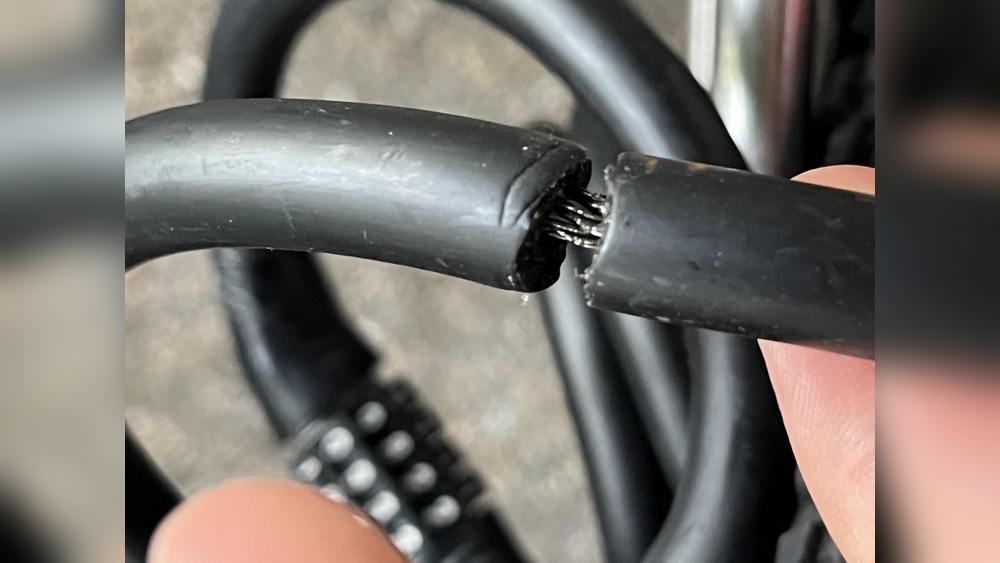
Cable locks look easy to use but are not very safe. Thieves can cut them quickly with simple tools. They are better as a secondary lock for parts like wheels. Do not rely on cable locks alone to secure your bike.
Lock Quality And Certification
Choose locks with high-quality materials like hardened steel. Check if the lock has security certifications such as Sold Secure or ART. Certified locks pass tough tests against cutting and picking. This ensures better protection for your bike and rack.
Preparing Your Bike And Rack
Preparing your bike and car rack is essential before locking your bike. Proper preparation ensures safety and prevents damage. Take time to check your bike and rack carefully. Follow simple steps to secure your ride correctly.
Removing Quick Release Skewers
Quick release skewers allow easy wheel removal. Thieves can exploit this feature to steal wheels quickly. Replace them with locking skewers or remove them before locking your bike. Use a wrench to unscrew and take off the quick release skewers. Secure your wheels with security bolts instead for better protection.
Using Security Bolts
Security bolts replace quick release skewers to protect wheels. These bolts require special tools, making theft harder. Install security bolts on both wheels and your bike frame. Check they fit tightly to avoid wobbling. This simple step improves your bike’s security significantly.
Inspecting The Rack For Stability
Check the bike rack’s stability before locking your bike. Make sure it attaches firmly to your car. Wiggle the rack to test for any movement. Tighten loose bolts or straps to secure the rack. A stable rack holds your bike safely during travel and parking.
Locking The Frame Securely
Locking the frame securely is the best way to protect your bike. The frame is the strongest part and harder to cut through. Focus on attaching your lock to solid parts of the car rack. This keeps your bike safe during travel or when parked. Follow these steps to lock your frame tightly and avoid theft.
Targeting Solid Rack Parts
Choose the most solid part of the car rack for locking. Avoid thin or movable parts. Look for thick metal bars or fixed sections. These parts resist cutting and twisting better. Secure your lock around these strong rack points. This reduces the chance of the rack or lock breaking free.
Locking Through The Frame
Place your lock through the main triangle of the bike frame. This is the strongest section of your bike. Avoid locking only the wheels or seat post. Locking the frame keeps the bike from being lifted off easily. Pass the lock through both the rack and the frame. Ensure the lock fits snugly to stop wiggling.
Double Locking Techniques
Use two locks for extra security. Lock one through the frame and the other through a wheel. This stops thieves from stealing parts or the whole bike. Use different lock types if possible. For example, a U-lock plus a cable lock. Double locking increases effort and time needed to steal your bike.
Securing The Wheels
Securing the wheels is a vital step in locking your bike to a car rack. Thieves often target wheels because they are easy to remove and steal. Protecting them reduces the risk of losing parts or the entire bike. Use strong locks and smart techniques to keep both wheels safe and attached to your bike and rack.
Using Secondary Locks
Secondary locks add extra security to your bike wheels. Use a cable or chain lock to wrap around each wheel. This prevents thieves from quickly removing wheels. Attach these locks to the bike frame or car rack for better protection. Secondary locks are light and easy to carry but offer important peace of mind.
Locking Both Wheels Together
Locking both wheels together stops thieves from stealing one wheel only. Use a U-lock or chain lock through both wheels and the frame. This method secures wheels and frame with one lock. It keeps the wheels fixed and hard to remove. Make sure the lock fits tightly around the wheels and frame.
Removing Front Wheel Option
Removing the front wheel can help secure your bike better. Take off the front wheel and place it beside the rear wheel. Then lock both wheels together along with the bike frame. This way, the lock holds all parts tightly. This method is especially useful for racks designed for rear-wheel locking only.
Additional Security Measures
Securing your bike to a car rack is crucial, but adding extra security steps can protect your bike even more. These additional measures reduce the risk of theft and give you peace of mind. Use simple tools and smart habits to increase your bike’s safety while on the road.
Adding Alarm Systems
Bike alarms can alert you if someone tries to move your bike. Some locks have built-in alarms that trigger loud sounds. This noise can scare off thieves quickly. Choose alarms that are easy to install and sensitive to movement. They add an extra layer of protection beyond just locking.
Parking In Visible Areas
Park your car where many people can see it. Busy streets, well-lit parking lots, or near security cameras work best. Thieves avoid areas with high visibility because they risk being caught. Always pick a spot that offers natural surveillance to keep your bike safer.
Using Straps And Tie-downs
Straps and tie-downs help keep your bike steady on the rack. They prevent wobbling, which can damage your bike or make it easier to steal. Use strong straps that wrap around the frame and wheels. Tighten them well to hold the bike firmly in place.

Credit: www.instructables.com
Locking Different Rack Types
Different car bike racks need different locking methods. Knowing how to lock your bike on each rack type keeps it safe. This guide covers hitch racks, roof racks, and trunk racks. Follow simple steps to protect your bike from theft during travel.
Hitch Racks
Hitch racks hold bikes by the frame or wheels. Use a strong U-lock or cable lock to secure the frame to the rack. Lock the wheels too if possible. Wrap the lock through the bike frame and the rack’s support arm. Tighten all straps to stop movement. Double-check the lock fits snug and does not move easily.
Roof Racks
Roof racks hold bikes upright with clamps or forks. Remove the front wheel if needed. Secure the frame to the rack using a cable or chain lock. Pass the lock through the frame and the rack’s locking points. Lock the wheels separately with small locks. Make sure the bike is tight in the rack before locking. Check no parts can wiggle or slide.
Trunk Racks
Trunk racks use straps to hold bikes on the back of a car. Place the bike frame on the rack arms. Use a cable lock around the frame and rack bars. Lock the wheels too, if possible. Tighten the straps fully so the bike does not move. Avoid quick-release skewers to prevent easy wheel theft. Inspect the lock and straps to confirm the bike is secure.
Tips For Preventing Rack Movement
Preventing rack movement is key to keeping your bike safe during travel. A stable rack protects your bike and your vehicle from damage. Simple steps can reduce wobbling and shifting while driving. Focus on tightening straps, positioning yourself well, and securing bike axles properly. These tips ensure a safer ride and peace of mind.
Tightening Loose Straps
Loose straps cause the rack to shift and wobble. Pull each strap firmly to remove slack. Check straps after tightening to confirm they hold tight. Replace worn or damaged straps quickly. Secure straps on both the bike frame and the rack. Tight straps stop unwanted movement on rough roads.
Using Step Stools For Better Positioning
Step stools help reach high or awkward areas on your rack. Use one to position your bike more accurately. Proper placement reduces sway and prevents scraping. A stool allows you to tighten straps evenly and securely. Better positioning means less movement and safer trips.
Securing Axles Properly
Axles hold your bike firmly in place on the rack. Insert axles fully into the rack mounts. Tighten all bolts and quick releases until snug. Avoid loose or partially secured axles that cause shifting. Double-check axle locks before driving off. Proper axle security keeps your bike stable and safe.

Credit: www.youtube.com
Maintenance And Inspection
Proper maintenance and inspection keep your bike rack and lock working well. Regular checks prevent damage and theft risks. Simple steps help your gear last longer and stay secure.
Checking Locks Regularly
Check your bike lock every time you use it. Look for rust, cracks, or broken parts. Test the lock to ensure it opens and closes smoothly. Lubricate the keyhole with a graphite or silicone spray to prevent sticking. Replace the lock if it shows signs of damage or wear.
Inspecting Rack Components
Look over the entire bike rack for loose bolts or bent parts. Check straps or clamps for tears or weakness. Make sure all attachments fit tightly on your car. Clean dirt or debris from moving parts to avoid wear. Tighten any loose screws or fasteners before every trip.
Replacing Worn Parts
Replace any worn or broken rack parts immediately. Use manufacturer-approved components for safety. Swap out old straps, clamps, or locks that no longer hold securely. Keeping parts in good condition ensures your bike stays safe during travel. Regular replacement prevents accidents and damage to your bike.
Frequently Asked Questions
How Do I Keep My Bike From Being Stolen On My Car Rack?
Use a high-quality U-lock through the bike frame and car rack. Secure wheels with a secondary cable lock. Lock the rack to your vehicle. Park in visible, well-lit areas. Replace quick-release skewers with security bolts to prevent theft.
How To Lock Bike To Wheel Rack?
Remove the front wheel, place it beside the rear wheel, then lock both wheels, the frame, and the rack together securely.
How To Put A Bike On A Car Rack?
Lift the bike onto the car rack, secure the frame with straps or clamps, and tighten all fasteners firmly. Ensure stability before driving.
How To Secure A Bike To A Trunk Rack?
Secure a bike to a trunk rack by placing the carry arm under the frame’s top tube. Rotate the tie-down cradle to tighten straps firmly. Ensure the bike stays stable and use additional straps if needed for extra security. Check all connections before driving.
Conclusion
Securing your bike to a car rack keeps it safe during travel. Use a sturdy lock through the frame and rack. Lock both wheels if possible to prevent theft. Check that the lock is tight and hard to remove. Place the car where many people can see it.
Regularly inspect your lock and rack for damage. Taking these steps helps protect your bike every time you travel. Stay safe and enjoy your rides worry-free.