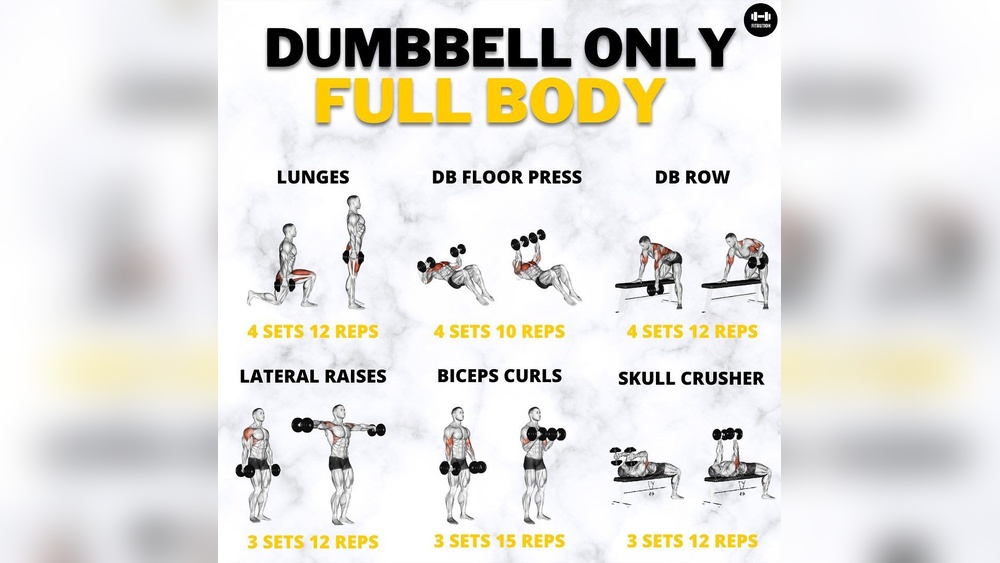
If you want stronger legs, better balance, and a toned lower body, learning how to do lunges with dumbbells is a game-changer for your workouts. This simple yet powerful move targets your quads, hamstrings, and glutes all at once, helping you build muscle and correct imbalances between your legs.
But it’s not just about strength—dumbbell lunges improve your coordination and mimic everyday movements, making daily activities easier. You’ll discover step-by-step how to perform lunges with dumbbells safely and effectively, so you can get the most out of every rep and see real results.
Ready to transform your leg day? Let’s dive in.
Benefits Of Dumbbell Lunges
Dumbbell lunges offer many benefits for your fitness routine. They target key muscle groups and improve overall body control. This exercise shapes your legs and tones muscles effectively. Holding dumbbells adds resistance, making each lunge more challenging and beneficial. Let’s explore the main benefits of dumbbell lunges.
Builds Leg Strength
Dumbbell lunges help build strong leg muscles. They work the quadriceps, hamstrings, and glutes deeply. Adding dumbbells increases resistance for better muscle growth. Strong legs improve your daily movement and athletic performance.
Enhances Balance And Coordination
This exercise requires balance on one leg at a time. It trains your body to stay steady and controlled. Dumbbell lunges improve coordination between muscles and joints. Better balance reduces the risk of falls and injuries.
Corrects Muscle Imbalances
Lunges work each leg independently, fixing strength differences. Dumbbells help maintain equal effort on both sides. This correction prevents one side from overcompensating for the other. Balanced muscles lead to better posture and movement.
Supports Functional Movement
Dumbbell lunges mimic natural walking and stepping motions. They train muscles used in everyday activities like climbing stairs. This support makes daily tasks easier and lowers injury risks. Functional strength improves your quality of life.
Offers Exercise Versatility
You can vary dumbbell lunges to target different muscles. Try forward, reverse, or side lunges for variety. Changing dumbbell weight adjusts workout intensity. This versatility keeps your routine fresh and effective.
Preparing For Lunges
Preparing for lunges with dumbbells is crucial for a safe and effective workout. Proper preparation helps you avoid injury and get the most from each movement. This section covers key steps to get ready before you start lunging.
Choosing The Right Dumbbells
Select dumbbells that match your current strength level. Start with lighter weights to learn proper form. Choose dumbbells with a comfortable grip to avoid slipping. Adjustable dumbbells offer flexibility as you progress. Avoid weights that feel too heavy or too light for your fitness level.
Warming Up Effectively
Warm your muscles before lunging to reduce injury risk. Begin with 5 to 10 minutes of light cardio like walking or jogging. Add dynamic stretches such as leg swings and hip circles. Focus on warming your legs, hips, and core muscles. A proper warm-up improves mobility and prepares your body for exercise.
Selecting A Safe Workout Space
Choose a clean, flat area with enough room to move freely. Remove any obstacles or tripping hazards nearby. Ensure the floor surface is non-slip for better stability. Good lighting helps you maintain proper form. A safe space lets you focus entirely on your lunges without distractions.
Mastering Dumbbell Lunge Form
Mastering the dumbbell lunge form is key to effective workouts and injury prevention. Proper technique helps you target the right muscles and improve balance. It also increases the workout’s efficiency, making each rep count. Focus on grip, posture, alignment, and controlled movements for best results.
Proper Dumbbell Grip And Posture
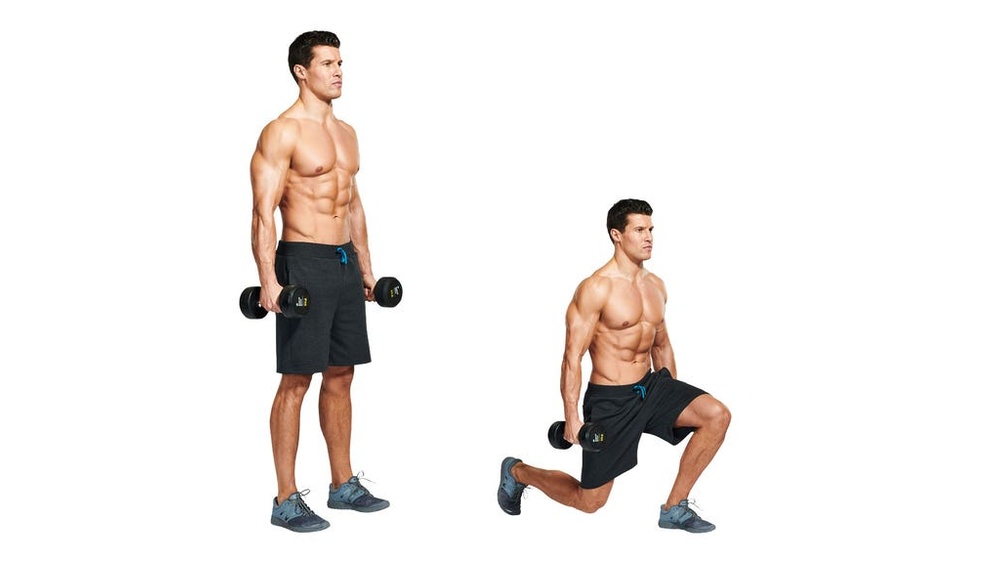
Hold the dumbbells firmly by your sides. Keep your shoulders back and chest lifted. Stand tall with a straight spine. Engage your core to support your lower back. Avoid slouching or leaning forward. This posture stabilizes your body during the lunge.
Step-by-step Lunge Technique
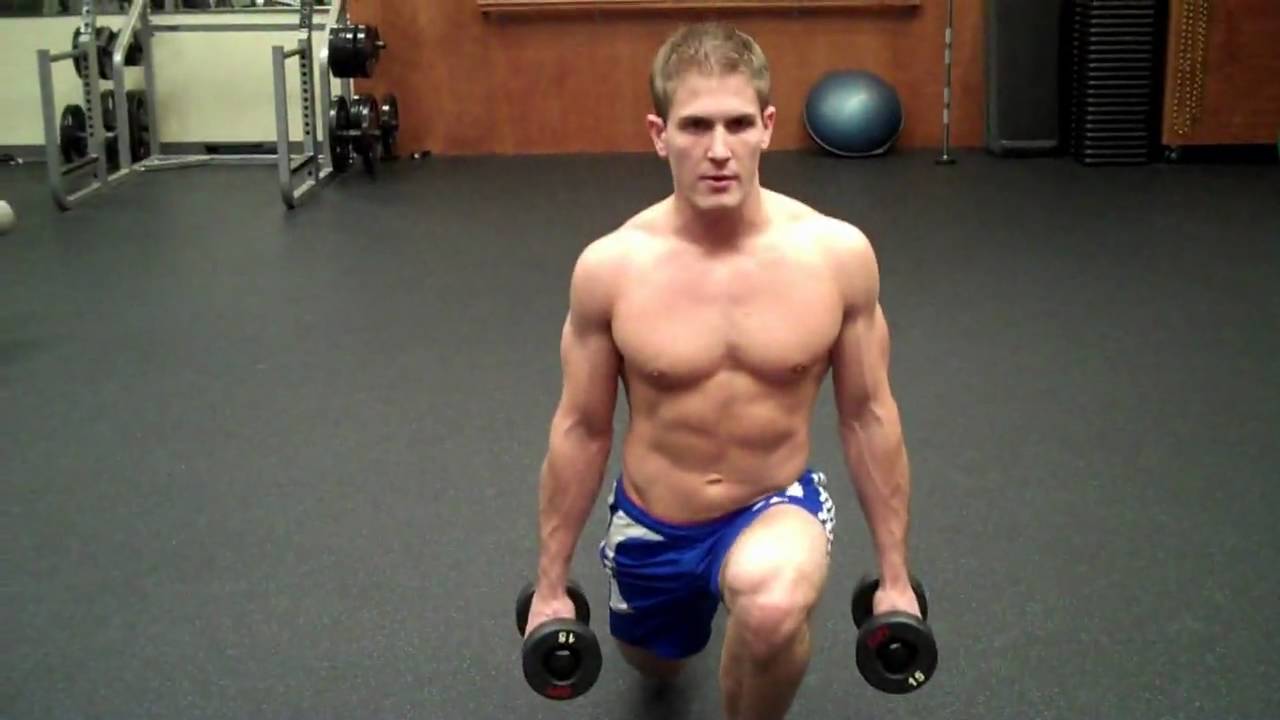
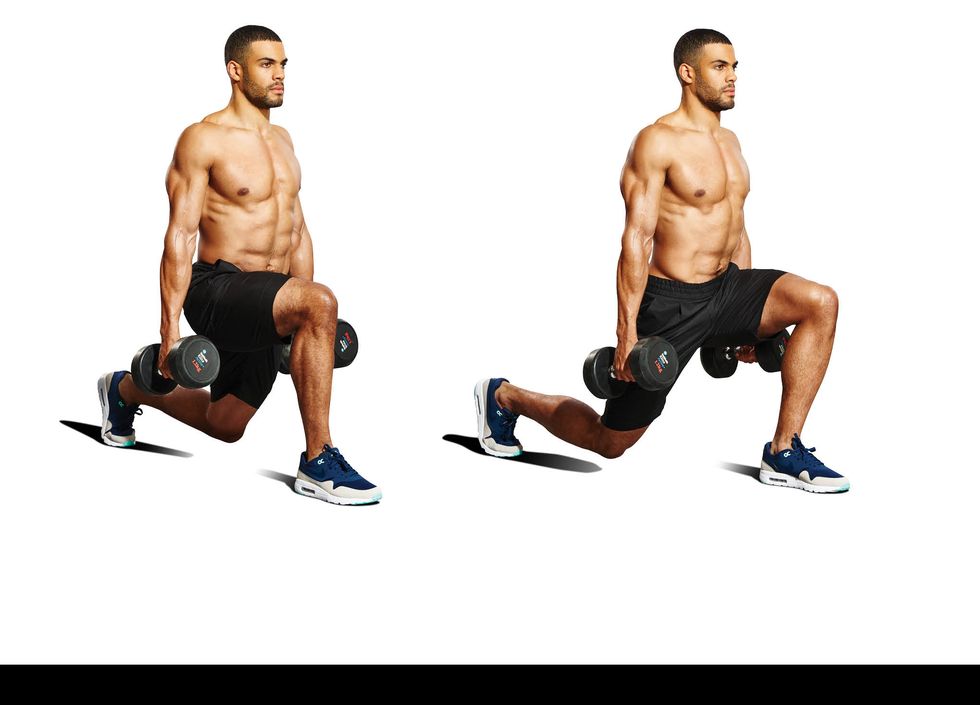
Start by stepping one foot forward. Lower your hips until both knees form 90-degree angles. The back knee should hover just above the floor. Push through the front heel to return to standing. Repeat on the other leg for balance. Move slowly and with control.
Maintaining Knee And Foot Alignment
Keep your front knee directly over your ankle. Avoid letting it extend past your toes. Your back foot should point forward and stay flat. Align both knees to prevent strain. Proper alignment protects joints and improves muscle engagement.
Controlling Movement And Balance
Control your descent and ascent throughout the lunge. Use your core muscles to maintain stability. Avoid wobbling by focusing on a fixed point ahead. Breathe steadily to support your balance. Controlled movement enhances muscle activation and reduces injury risk.
Credit: www.youtube.com
Common Form Mistakes
Performing lunges with dumbbells requires attention to detail to avoid injury and maximize results. Common form mistakes can reduce the effectiveness of the exercise. These errors often cause strain on joints and muscles. Correct form ensures safety and better muscle engagement. Below are key mistakes to watch for and how to fix them.
Avoiding Forward Knee Collapse
One common mistake is letting the front knee collapse inward. This puts pressure on the knee joint. To avoid this, keep the knee aligned over your second toe. Focus on pushing through your heel as you lunge. This keeps your knee stable and protects it from injury.
Preventing Back Knee Impact
Dropping the back knee too hard onto the floor can cause pain and bruising. Instead, lower your back knee gently until it almost touches the ground. Do not slam it down. Control the movement to keep tension in your leg muscles and avoid impact.
Keeping The Torso Upright
Leaning forward or rounding your back reduces the effectiveness of lunges. Keep your chest lifted and shoulders back. Engage your core to maintain a straight, upright torso. This improves balance and works your muscles better.
Reducing Momentum Use
Using momentum to swing your body forward makes the exercise easier but less effective. Move slowly and with control. Step forward deliberately, and lower yourself in a controlled manner. This increases muscle engagement and prevents injury.
Lunge Variations To Try
Lunges with dumbbells are versatile and effective for leg workouts. Trying different lunge variations can target muscles in new ways. This variety keeps your training interesting and challenges your body. Here are some popular lunge types to add to your routine.
Forward Dumbbell Lunges
Step forward with one leg while holding dumbbells at your sides. Lower your hips until both knees bend at about 90 degrees. Push back to the starting position using your front leg. This move strengthens your quads, glutes, and hamstrings.
Reverse Dumbbell Lunges
Step backward with one leg while holding dumbbells next to your body. Bend both knees to lower your hips until your back knee nearly touches the floor. Return to standing by pushing through your front heel. This variation reduces knee stress and improves balance.
Walking Lunges
Hold dumbbells by your sides and take a step forward into a lunge. Instead of stepping back, continue forward with the other leg. Move across the room in a walking motion. This exercise builds strength and coordination in your legs and core.
Static Or Split Lunges
Stand with one foot forward and the other foot back, holding dumbbells. Lower your body straight down without moving your feet. Push back up to the start. This lunge type focuses on muscle control and stability in each leg.
Incorporating Lunges Into Workouts
Incorporating lunges into workouts offers a practical way to build leg strength and improve balance. Lunges target key muscles like the quadriceps, hamstrings, and glutes. Using dumbbells adds resistance, enhancing muscle growth and endurance. Including lunges in your routine promotes better muscle symmetry since each leg works independently.
Planning your workout to include lunges maximizes their benefits. Lunges can fit well in leg day routines or full-body sessions. Adjusting sets and reps helps align the exercise with your fitness goals. Pairing lunges with complementary exercises creates a balanced workout that hits all major lower body muscles.
Designing A Leg Day Routine
Start leg day with lunges to activate multiple muscles. Follow with exercises like squats and deadlifts for overall strength. Add calf raises to target lower leg muscles. Rest between sets for muscle recovery. Keep workouts balanced to avoid overtraining any muscle group.
Pairing Lunges With Other Exercises
Combine lunges with step-ups or glute bridges for variety. Include hamstring curls or leg presses to strengthen different muscles. Use bodyweight or dumbbells based on your fitness level. Changing exercises prevents boredom and encourages progress. Pairing moves helps build a well-rounded lower body.
Adjusting Sets And Reps For Goals
For strength, choose heavier dumbbells with fewer reps. Aim for 3 to 5 sets of 6 to 8 reps per leg. For endurance, use lighter weights with more reps. Try 2 to 3 sets of 12 to 15 reps. Increase difficulty gradually to avoid injury and improve results.
Tips For Progress And Safety
Progressing safely while doing lunges with dumbbells helps prevent injuries and improves results. Careful attention to weight, movement, and body signals leads to steady gains. These tips guide you to build strength correctly and avoid common mistakes.
Starting With Light Weights
Begin with light dumbbells to learn proper form. Lighter weights reduce strain on muscles and joints. They help you focus on balance and technique. Increase weight gradually as your strength improves. This approach lowers injury risk and builds confidence.
Focusing On Controlled Movements
Move slowly during each lunge to maintain control. Controlled motions engage muscles better and protect joints. Avoid rushing through reps to prevent poor form. Keep your core tight and back straight throughout the exercise. This enhances stability and effectiveness.
Listening To Your Body
Pay attention to any pain or discomfort while lunging. Sharp pain signals a need to stop and rest. Mild soreness is normal but should not be ignored. Adjust weight or take breaks if fatigue sets in. Respecting your body helps avoid serious injuries.
Using Proper Footwear
Wear shoes with good support and grip for lunges. Proper footwear stabilizes your feet and ankles. It reduces the chance of slipping or twisting. Choose shoes that fit well and suit your workout surface. Good shoes improve balance and comfort during exercise.
Credit: www.menshealth.com

Credit: www.youtube.com
Frequently Asked Questions
How To Do Lunges Correctly With Dumbbells?
Hold dumbbells by your sides, keep your torso upright, and step forward with one foot. Lower your back knee toward the ground, ensuring your front shin stays vertical. Push off your front foot to return. Maintain control and balance throughout the movement for proper form.
Are Lunges With Dumbbells Good?
Yes, lunges with dumbbells effectively build lower body strength, improve balance, and correct muscle imbalances. They target quads, hamstrings, and glutes while enhancing coordination. Dumbbell lunges also mimic functional movements, making them a versatile and beneficial exercise for overall fitness.
Where To Hold Dumbbells For Lunges?
Hold dumbbells firmly by your sides with arms fully extended. Keep shoulders back and chest up during lunges. Maintain a neutral grip for balance and control.
Do Lunges Get Rid Of Belly Fat?
Lunges strengthen leg muscles but do not specifically burn belly fat. Fat loss occurs through overall calorie deficit and full-body exercise.
Conclusion
Dumbbell lunges help build leg strength and improve balance. They work each leg separately, fixing muscle imbalances. Keep your form steady and control your movements. Start with light weights and increase gradually. Consistency matters for better results and injury prevention.
Add dumbbell lunges to your workout routine for stronger legs. Feel more confident in your movements and daily activities. Try to practice regularly and enjoy the benefits.