Wondering if you can get a full-body workout using just dumbbells? The short answer is yes—and it might be easier than you think.
With the right moves, you can target every major muscle group, from your legs to your arms, all with a simple pair of dumbbells. Whether you’re short on space, time, or equipment, this approach gives you the power to build strength, burn calories, and boost your fitness—all at home or anywhere you want.
Ready to discover how to make dumbbells your ultimate workout partner? Keep reading, and you’ll find a straightforward plan to get the most out of your full-body dumbbell workout.

Credit: www.pressmatik.com.br
Benefits Of Dumbbell Workouts
Dumbbell workouts offer many benefits for those who want a full-body routine. They help build strength, improve muscle tone, and boost overall fitness. Using dumbbells is simple and effective for all fitness levels. This workout style supports balanced muscle development and can be done almost anywhere.
Versatility And Convenience
Dumbbells allow many different exercises. You can target all muscle groups with just one set. They fit in small spaces, perfect for home workouts. Changing weights is quick and easy. This flexibility keeps workouts fresh and effective.
Muscle Balance And Coordination
Dumbbells require each side of the body to work independently. This helps correct muscle imbalances. Your body also improves coordination and stability. These benefits reduce injury risk and improve overall strength.
Cost-effectiveness
Dumbbells are affordable compared to many gym machines. A single pair can replace several pieces of equipment. They last long with little maintenance. This makes dumbbells a smart choice for budget workouts.

Credit: www.varatmkittclinic.com
Key Muscle Groups To Target
Targeting the key muscle groups ensures a balanced and effective full body workout with dumbbells. Focus on major areas to build strength and improve fitness. Each muscle group plays a vital role in your overall body function and movement. Dumbbells provide versatility to engage these muscles in various ways.
Lower Body
The lower body includes the glutes, quads, hamstrings, and calves. Dumbbell goblet squats and lunges effectively work these muscles. These exercises increase strength and improve balance. Strong legs support better posture and daily activities.
Chest And Back
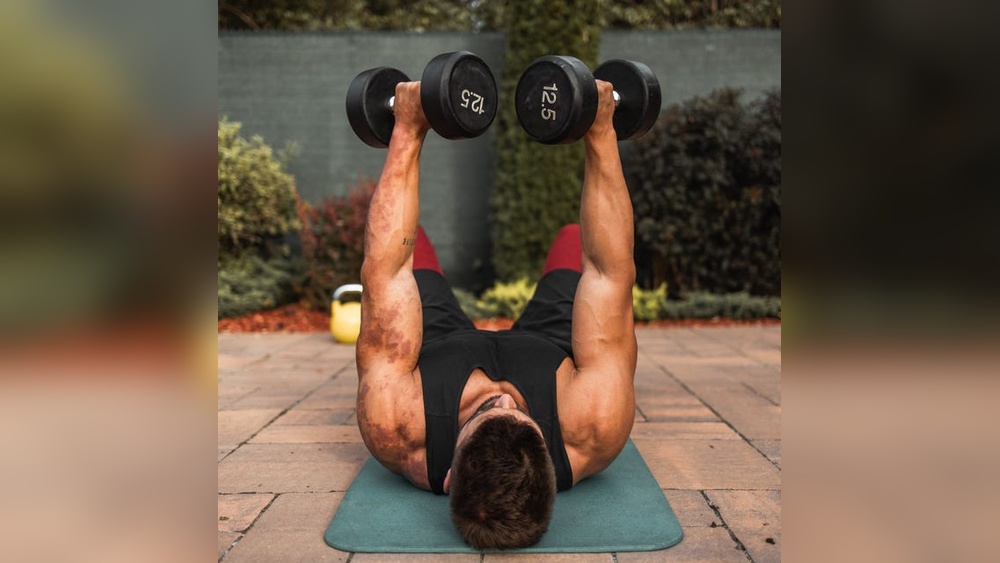
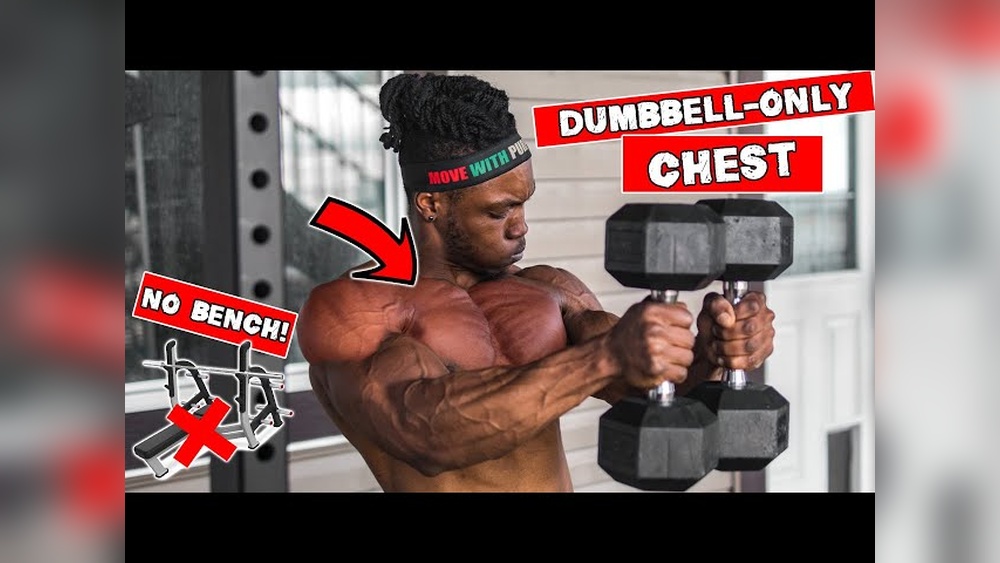
The chest and back muscles control upper body movements. Dumbbell chest presses and bent-over rows target these areas well. These exercises help improve posture and upper body strength. Balanced development reduces the risk of injury.
Shoulders And Arms
Shoulders and arms include the deltoids, biceps, and triceps. Dumbbell shoulder presses, bicep curls, and triceps extensions work these muscles. Strengthening these areas enhances arm function and stability. It also helps with lifting and pushing tasks.
Core
The core stabilizes the entire body during movement. Dumbbell Russian twists and side bends engage the abdominal muscles. A strong core improves balance and supports your spine. Core strength is essential for overall fitness and injury prevention.
Essential Dumbbell Exercises
Dumbbells offer a simple and effective way to train the entire body. They target multiple muscle groups and improve strength, stability, and coordination. Using dumbbells allows for a wide range of movements that cover all major areas. This section highlights essential dumbbell exercises that form the core of a full-body workout.
Goblet Squats
Hold a dumbbell vertically close to your chest. Stand with feet shoulder-width apart. Lower your body by bending your knees and hips. Keep your chest up and back straight. Push through your heels to return to standing. This exercise strengthens your legs, glutes, and core.
Push-ups With Dumbbells
Place dumbbells on the floor shoulder-width apart. Grip the dumbbells while keeping your body straight. Lower your chest to the ground by bending your elbows. Push back up to the starting position. Dumbbells increase wrist comfort and add stability work.
Bent-over Rows
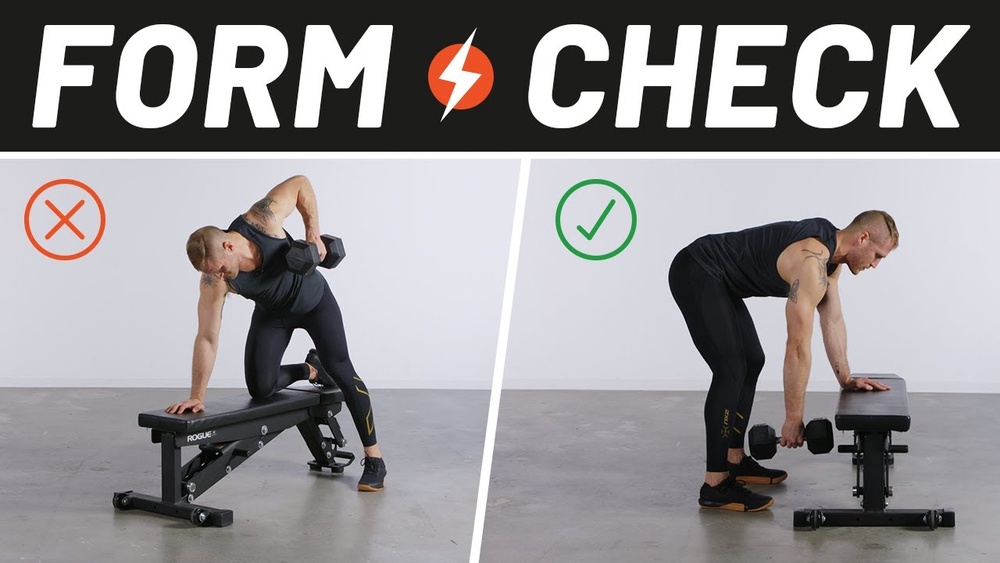
Hold a dumbbell in each hand. Bend at the hips with a flat back. Pull the dumbbells toward your chest, squeezing your shoulder blades. Lower the weights slowly. This move targets your upper back and arms, improving posture and strength.
Overhead Press
Stand or sit with a dumbbell in each hand at shoulder height. Press the dumbbells straight overhead until your arms are fully extended. Lower back to shoulder height. This exercise builds shoulder and upper arm strength.
Bicep Curls
Hold dumbbells with your arms at your sides. Keep your elbows close to your body. Curl the dumbbells up toward your shoulders. Lower them slowly back down. Bicep curls strengthen the front of your arms and improve grip.
Triceps Extensions
Hold one or two dumbbells overhead with both hands. Keep your elbows close to your head. Lower the dumbbells behind your head by bending your elbows. Extend your arms back to the start. This exercise targets the muscles on the back of your arms.
Sample Full-body Dumbbell Routine
A sample full-body dumbbell routine helps you train all major muscles efficiently. It fits well into home workouts and gym sessions alike. This routine uses simple, effective moves with dumbbells only.
Each exercise targets a different muscle group to ensure balanced strength and muscle growth. You can adjust the weights and reps to match your fitness level. Keep your form clean and focus on control during each movement.
Warm-up Tips
Start with light cardio like jumping jacks or marching in place. Move your arms and legs gently to increase blood flow. Perform dynamic stretches such as arm circles and leg swings. Warming up prepares your muscles and reduces injury risk.
Workout Structure
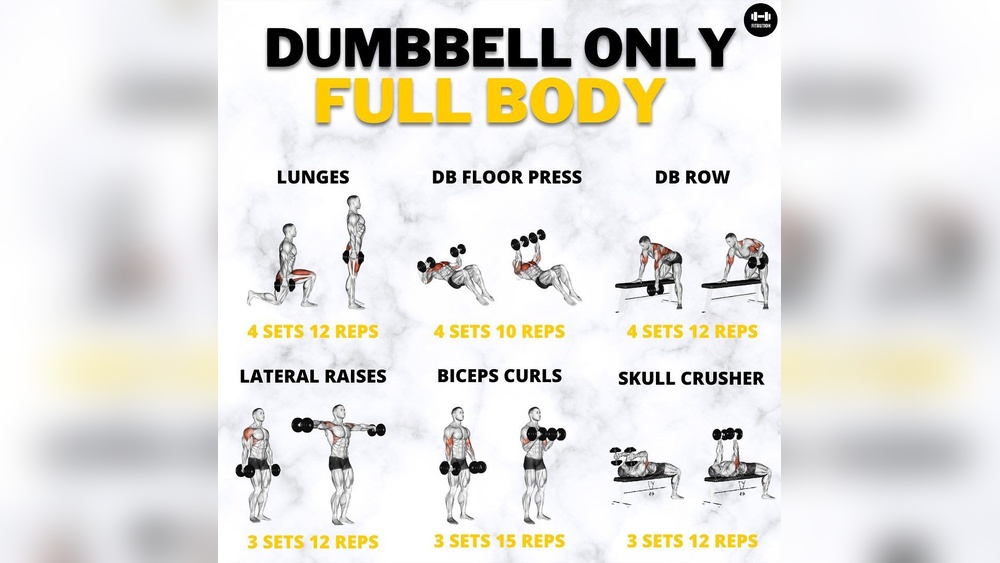
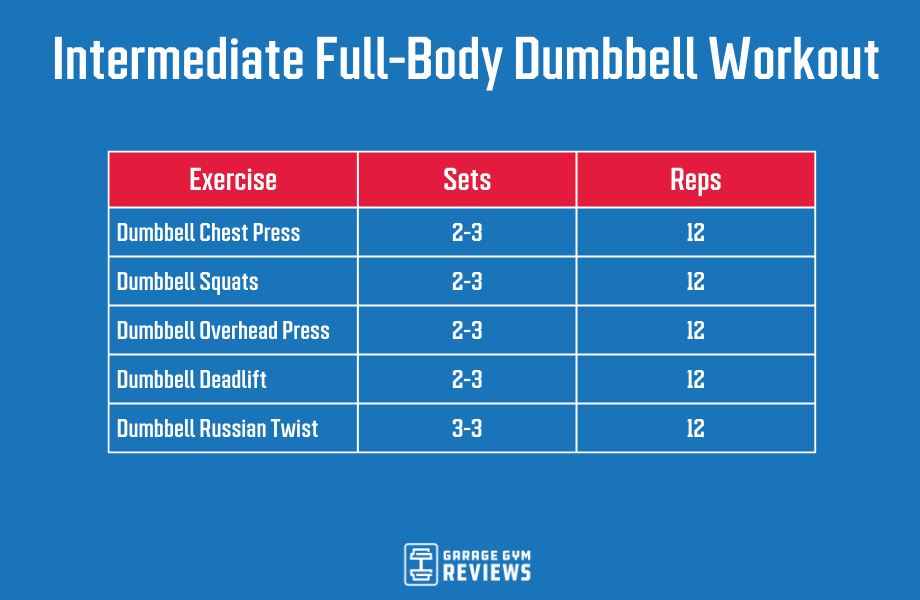
Begin with goblet squats holding one dumbbell at your chest. Do 10 to 12 repetitions. Next, move to push-ups, maintaining a straight body line. Then perform bent-over rows with a dumbbell in each hand. Follow with overhead presses, lifting dumbbells from shoulder to overhead. Finish with bicep curls and triceps extensions. Complete 2 to 3 sets depending on your strength. Rest 30 to 60 seconds between sets.
Cool-down Techniques
End the workout with slow walking or light cycling for 3 to 5 minutes. Stretch your major muscle groups, focusing on legs, arms, and back. Hold each stretch for 15 to 30 seconds without bouncing. Deep breathing during stretches helps your body relax and recover faster.
Adjusting Workout Intensity
Adjusting workout intensity is key to getting results with dumbbell exercises. It helps you avoid plateaus and keeps your muscles growing. You can change how hard your workout feels by modifying weight, sets, reps, and rest time. This section explains how to adjust intensity for different skill levels and how to use progressive overload safely.
Options For Beginners
Start with light dumbbells to learn proper form. Use fewer reps and sets to avoid fatigue. Rest longer between exercises for better recovery. Focus on slow, controlled movements to build strength. Choose simple exercises that target large muscle groups. Gradually increase reps or sets as you feel stronger. Consistency is more important than lifting heavy at first.
Challenges For Advanced Lifters
Advanced lifters need heavier weights to challenge muscles. Increase the number of reps or sets to boost intensity. Shorten rest periods to keep your heart rate high. Try more complex exercises that work multiple muscles at once. Use variations like tempo changes or pauses to increase difficulty. Track your progress to avoid hitting a plateau. Adding volume and intensity pushes your limits safely.
Progressive Overload Strategies
Progressive overload means gradually increasing workout demands. Add weight in small steps to keep improving strength. Increase reps or sets once weights feel easier. Reduce rest time to make workouts tougher. Change exercise speed to create more muscle tension. Rotate exercises to target muscles differently. Use a workout log to track changes and progress.
Credit: www.garagegymreviews.com
Common Mistakes To Avoid
Doing a full-body workout with dumbbells is effective but comes with common mistakes. Avoiding these errors helps you stay safe and get better results. Pay attention to your technique, rest, and weight choice to maximize your efforts.
Compromising Form
Proper form keeps your muscles safe and working well. Using bad form can cause injuries and reduce workout benefits. Focus on controlled movements. Avoid swinging or using momentum. If you feel pain, stop and check your technique.
Ignoring Rest And Recovery
Rest is key for muscle growth and repair. Skipping rest can lead to fatigue and injury. Give your muscles time to recover between workouts. Sleep well and stay hydrated. Rest days help you stay strong and ready for the next session.
Using Inappropriate Weights
Choosing the right weight is crucial. Too heavy weights cause poor form and risk injuries. Too light weights do not challenge your muscles enough. Pick weights that feel tough but let you finish sets with good form. Increase weight gradually as you get stronger.
Staying Motivated And Consistent
Staying motivated and consistent is key to seeing results with any workout plan. Using just dumbbells for a full-body workout is simple and effective. The challenge is keeping your routine steady and your enthusiasm high. Small steps can help you build a lasting habit. Focus on practical ways to stay on track every week.
Setting Realistic Goals
Set clear and achievable goals for your dumbbell workouts. Start with simple targets like exercising three times a week. Avoid aiming too high at the start to prevent burnout. Gradually increase your workout time or weight as you progress. Realistic goals keep you motivated and reduce frustration.
Tracking Progress
Track your workouts to see how far you have come. Write down exercises, weights, and reps each session. Use a notebook or a fitness app to keep records. Watching your progress builds confidence and drives you to improve. It also helps spot areas where you can get stronger.
Incorporating Variety
Keep your workouts interesting by changing exercises regularly. Switch between different dumbbell moves for all muscle groups. Try varying reps, sets, or rest times to challenge your body. Variety stops boredom and helps you stay consistent. It also ensures balanced muscle development.
Dumbbell Workout Resources
Finding the right dumbbell workout resources can help you stay consistent and improve your results. Using quality guides and tools makes your training easier and more effective. You can explore videos, apps, and communities that focus on dumbbell exercises for all fitness levels. These resources offer step-by-step instructions, tips, and motivation to keep you on track.
Recommended Youtube Channels
YouTube is a great place to find free dumbbell workouts. Channels like FitnessBlender, HASfit, and Athlean-X offer clear demonstrations. Their videos cover beginner to advanced exercises using just dumbbells. You can follow along at your own pace and learn correct form. Many videos also include warm-ups and cool-downs to complete your session safely.
Apps And Online Programs
Several apps provide structured dumbbell workout plans. Apps like Nike Training Club and JEFIT have routines specifically for dumbbell training. These programs track your progress and adjust difficulty over time. You get reminders and tips to keep motivated. Online platforms like Daily Burn also offer live and on-demand dumbbell classes.
Community And Support Groups
Joining a community helps maintain motivation and accountability. Facebook groups and Reddit forums focused on dumbbell workouts are active and supportive. Members share tips, success stories, and advice. You can ask questions and get feedback from others at your fitness level. Being part of a group creates a sense of belonging and encouragement.
Frequently Asked Questions
Can I Do A Full-body Workout With Just Dumbells?
Yes, you can perform a full-body workout using dumbbells alone. Target major muscle groups with exercises like squats, rows, presses, curls, and extensions. Adjust weights and reps for your fitness level to build strength effectively at home or anywhere.
What Is The 3 3 3 Rule For Working Out?
The 3 3 3 rule for working out means doing 3 exercises, 3 sets each, with 3 minutes rest between sets.
What Are The Only 5 Exercises You’ll Ever Need?
The only 5 exercises you need are squats, push-ups, bent-over rows, overhead presses, and deadlifts. They target all major muscles efficiently.
What Happens If I Only Lift Dumbbells?
Lifting only dumbbells builds muscle strength, tones your body, and improves endurance. It targets multiple muscle groups effectively. However, it may limit cardiovascular fitness and overall functional training variety. Combining dumbbells with other exercises enhances balanced fitness and prevents plateaus.
Conclusion
Dumbbells offer a simple way to work your whole body at home. You can strengthen legs, arms, shoulders, chest, and back with them. Adjust weights and reps to match your fitness level. Focus on good form to avoid injury and get results.
Keep consistent with your workouts for steady progress. Remember, small steps lead to big changes over time. Dumbbells make full-body training easy and effective for everyone.