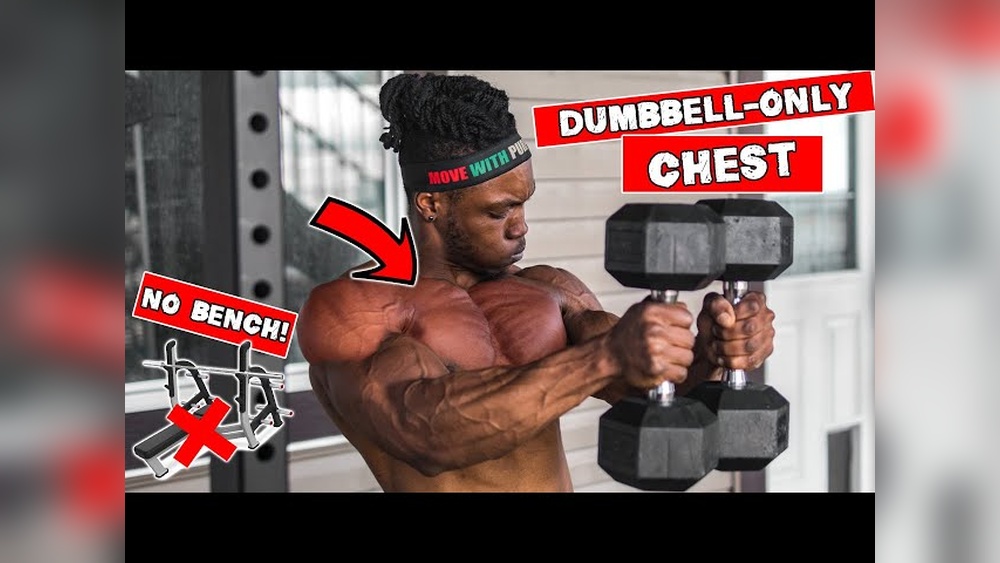
If you want to build a bigger, stronger chest but don’t have access to a full gym, dumbbells are your best friend. They give you the freedom to move naturally, target your chest muscles from different angles, and avoid the limitations of machines or barbells.
Whether you’re working out at home or in a small space, dumbbells can help you shape and grow your chest effectively. In this guide, you’ll discover simple yet powerful exercises and tips that will turn your dumbbell workouts into real chest gains.
Ready to transform your chest and see noticeable results? Keep reading to find out how to make every rep count.
Credit: www.factoryweights.co.uk
Benefits Of Dumbbell Chest Training
Training your chest with dumbbells offers many benefits. Dumbbells help build muscle effectively. They allow natural movement and better control. Using dumbbells can improve strength and size. Here are some key benefits of dumbbell chest training.
Greater Range Of Motion
Dumbbells allow your arms to move freely. This increases the range of motion during exercises. A larger range means muscles stretch and contract more. This helps stimulate muscle growth better than machines or barbells. You can also target different parts of the chest easily.
Improved Muscle Symmetry
Each arm works independently with dumbbells. This reduces muscle imbalances between sides. Balanced strength leads to a more even and symmetrical chest. Dumbbells help fix weaknesses in one side. They promote balanced muscle development and reduce injury risks.
Enhanced Muscle Activation
Dumbbells require more stability and control. This activates more muscle fibers during your workout. Your chest and supporting muscles work harder. This leads to better muscle engagement and growth. Dumbbell training also improves coordination and joint stability.
Key Chest Muscles To Target
Building a bigger chest with dumbbells requires focusing on specific muscles. Targeting the right chest muscles improves strength and shape. Understanding these muscles helps choose the best dumbbell exercises for growth.
Pectoralis Major
The pectoralis major is the largest chest muscle. It covers the front of the chest. This muscle controls arm movements across the body. Dumbbell presses and flies work this muscle well. Strengthening it creates a fuller, wider chest.
Pectoralis Minor
The pectoralis minor lies under the major. It stabilizes the shoulder blade during arm movement. This small muscle helps improve posture and chest shape. Dumbbell pullover exercises target the minor effectively.
Supporting Shoulder Muscles
Shoulder muscles support chest exercises and arm movement. The anterior deltoids assist in pressing movements. Strong shoulders help lift heavier dumbbells safely. Including shoulder work balances chest development and prevents injury.
Essential Dumbbell Chest Exercises
Building a bigger chest requires focused exercises with dumbbells. Dumbbells allow more freedom of movement. This helps target chest muscles more deeply. Here are essential dumbbell exercises for chest growth. Each move hits the chest from a unique angle.
Flat Dumbbell Bench Press
The flat dumbbell bench press targets the middle chest. Lie flat on a bench holding dumbbells in each hand. Press the weights upward until your arms are straight. Lower the dumbbells slowly to chest level. This exercise builds strength and size in the chest.
Incline Dumbbell Press
The incline dumbbell press focuses on the upper chest. Set the bench to a 30 to 45-degree angle. Press the dumbbells upward from the chest to straight arms. This angle helps develop the upper pectoral muscles. It adds fullness to the upper chest area.
Dumbbell Flyes
Dumbbell flyes stretch the chest muscles deeply. Lie on a flat or incline bench holding dumbbells above your chest. Keep a slight bend in your elbows. Slowly open your arms wide, then bring them back together. This motion works the chest from a different angle.
Floor Press
The floor press is a safe alternative to bench pressing. Lie on the floor with dumbbells in hand. Press the weights up until your arms are fully extended. Lower the dumbbells until your elbows touch the floor. This limits the range of motion but still builds chest strength.
Pullover Variations
Dumbbell pullovers work the chest and the upper back. Lie on a bench or floor holding one dumbbell with both hands. Lower the weight back behind your head slowly. Bring it back over your chest carefully. Pullovers help expand the rib cage and chest muscles.

Credit: magneticpolefit.com
Proper Form And Technique
Proper form and technique are essential for building a bigger chest with dumbbells. Correct posture and controlled movements maximize muscle growth. They also reduce the risk of injury during your workout. Focus on each detail to get the best results. This section covers the key points to keep in mind.
Grip And Wrist Position
Hold the dumbbells firmly but not too tight. Your wrists should stay straight and aligned with your forearms. Avoid bending or twisting them during lifts. A neutral wrist position helps prevent strain and improves control. Keep your grip balanced on both hands to work the chest evenly.
Controlling The Movement
Move the dumbbells slowly and with control. Lower them until your elbows are just below shoulder level. Pause briefly before pushing back up. Avoid using momentum or swinging the weights. Controlled movement targets chest muscles effectively. It also protects your joints from sudden stress.
Breathing Patterns
Inhale deeply as you lower the dumbbells. Exhale forcefully while pushing them upward. Proper breathing supports muscle endurance and strength. It also helps maintain focus throughout the exercise. Never hold your breath during the movement. Keep a steady rhythm to enhance performance.
Workout Structure For Chest Growth
Building a bigger chest with dumbbells requires a clear workout structure. Proper planning helps target the chest muscles effectively. This structure includes the right reps, sets, rest periods, and exercise order. Each part plays a role in muscle growth and strength gains.
Reps And Sets For Hypertrophy
Focus on doing 8 to 12 reps per set. This range promotes muscle hypertrophy, which means muscle growth. Aim for 3 to 4 sets per exercise. Keep the weight challenging but manageable for the full set. Consistent effort in this range helps your chest get bigger over time.
Rest Periods
Rest for 60 to 90 seconds between sets. This rest length balances muscle recovery and workout intensity. Shorter rests keep the muscles under tension longer. Longer rests allow more strength for the next set. Adjust rest time based on how you feel and your goals.
Exercise Order
Start with compound exercises like dumbbell presses. These work multiple muscles and need more energy. Follow with isolation moves such as dumbbell flyes. These target the chest muscles more directly. Changing exercise order can help hit all parts of the chest well.
Incorporating Progressive Overload
Incorporating progressive overload is essential to build a bigger chest with dumbbells. This method involves gradually increasing the stress on your chest muscles. Over time, your muscles adapt and grow stronger. Without progressive overload, your progress may stall. Below are key ways to apply this principle effectively.
Increasing Weight
Adding more weight to your dumbbells challenges your chest muscles. Start with a comfortable weight and raise it in small steps. This forces your muscles to work harder. Aim to increase weight once you can complete your sets easily. Consistent weight progression boosts muscle growth and strength.
Adjusting Volume
Volume means the total amount of work done during training. You can increase volume by adding more sets or reps. This increases muscle fatigue and promotes growth. For example, add one or two more sets each week. Keep track of your reps and sets to ensure steady progress.
Varying Tempo
Tempo is the speed at which you perform each repetition. Changing tempo affects muscle tension and time under stress. Slow down the lowering phase of the dumbbell press to increase intensity. Hold the weight at the bottom for a second before pushing up. Varying tempo can improve muscle control and growth.
Training Tips For Balanced Development
Balanced chest development is key to a strong, attractive physique. Dumbbells allow targeting different parts of the chest effectively. Use the right techniques to avoid muscle imbalances and improve overall strength. Focus on form, control, and muscle engagement for best results.
These training tips help you get the most from your dumbbell chest workouts. They guide you in targeting muscles evenly and safely. Consistent practice with these methods builds a fuller, well-shaped chest.
Incline Vs Flat Focus
Incline dumbbell presses target the upper chest more than flat presses. The flat press works the middle chest and overall mass. Include both angles for balanced muscle growth. Vary your routine by adjusting the bench angle. This prevents one area from becoming overdeveloped. Balanced focus improves chest shape and strength.
Avoiding Common Mistakes
Do not let your elbows flare out too wide during presses. This can stress your shoulders and reduce chest activation. Keep a controlled, steady motion on every rep. Avoid using momentum to lift the dumbbells. Drop the weights safely if you feel pain or lose control. Proper form protects joints and helps muscles grow evenly.
Using Leg Drive Effectively
Leg drive helps stabilize your body during dumbbell presses. Plant your feet firmly on the floor. Push through your legs as you press the dumbbells upward. This creates a strong, stable base for the lift. Using leg drive increases power and control. It also reduces strain on the shoulders and back.
At-home Dumbbell Chest Workouts
Building a bigger chest with dumbbells at home is simple and effective. Dumbbells help target chest muscles from different angles. You can work your chest without needing a gym or fancy equipment. These workouts fit small spaces and require minimal gear.
Consistent at-home training improves muscle size and strength. Focus on correct form and steady progression. Using dumbbells lets you control the range of motion better than machines. This control helps activate more muscle fibers for growth.
No Bench Alternatives
A bench is not always necessary for chest workouts. You can perform many dumbbell exercises on the floor. Floor presses support your back and reduce shoulder strain. Push-ups with dumbbells add resistance and improve muscle engagement.
Incline variations can be done by propping your back on a sturdy surface. Pillows or cushions can raise your upper body safely. This setup targets the upper chest without a bench. Experiment with different angles for balanced chest development.
Minimal Equipment Routines
Minimal equipment routines make workouts easy and convenient. All you need is a pair of dumbbells and a soft surface. Bodyweight exercises complement dumbbell moves well. Combining presses, flys, and push-ups builds a strong chest.
Use slower movements to increase muscle tension. Adding pauses at the bottom of each rep improves strength. These simple tactics make minimal equipment workouts very effective. No need for heavy weights or complex machines.
Sample Workout Plans
Try this beginner workout plan with just dumbbells and floor space:
- Floor Dumbbell Press – 3 sets of 12 reps
- Dumbbell Fly on Floor – 3 sets of 10 reps
- Incline Push-ups – 3 sets of 15 reps
- Dumbbell Pullover – 3 sets of 12 reps
Rest for 60 seconds between sets. Perform this routine 2-3 times per week. Increase dumbbell weight or reps gradually for better results. Adjust exercises based on your comfort and progress.
Nutrition And Recovery For Muscle Growth
Nutrition and recovery play vital roles in building a bigger chest with dumbbells. Muscle growth happens outside the gym, during rest and with proper fuel. Eating right and allowing your muscles to recover helps improve strength and size. Without good nutrition and rest, gains will be slow or limited.
Protein Intake
Protein provides the building blocks for muscle repair and growth. Aim to eat a source of protein with every meal. Good options include chicken, fish, eggs, beans, and dairy. Consuming 1.2 to 2.0 grams of protein per kilogram of body weight daily supports muscle gain. Spread protein intake evenly throughout the day for best results.
Rest And Sleep
Muscles recover and grow during rest, especially sleep. Aim for 7 to 9 hours of quality sleep each night. Avoid staying up late or having inconsistent sleep schedules. Rest days between intense dumbbell chest workouts prevent overtraining and reduce injury risk. Listen to your body and allow time to heal.
Supplement Considerations
Supplements can support muscle growth but are not essential. Whey protein powder helps reach protein goals easily. Creatine may improve strength and muscle size when combined with training. Always prioritize whole foods first. Consult a healthcare provider before starting any new supplement.

Credit: www.youtube.com
Frequently Asked Questions
Can Dumbbells Increase Chest Size?
Dumbbells effectively increase chest size by allowing a full range of motion and targeting chest muscles deeply. Regular, consistent dumbbell workouts promote muscle growth and chest development.
How Can I Increase My Chest Size?
Increase chest size by doing dumbbell bench presses, incline presses, and flyes consistently. Focus on progressive overload and proper form. Include push-ups and allow rest days for muscle growth. Maintain a balanced diet rich in protein to support muscle development.
What Is The Fastest Way To Get Big Pecs?
Focus on compound chest exercises like dumbbell bench press, incline presses, and slow push-ups. Use progressive overload and proper form. Incorporate cardio for definition. Rest adequately to grow muscles faster. Consistency and balanced nutrition boost pec size effectively.
Are Dumbbells Better For Chest Growth?
Dumbbells enhance chest growth by allowing a greater range of motion and better muscle stretch. They activate chest muscles effectively.
Conclusion
Building a bigger chest with dumbbells takes time and effort. Focus on consistent workouts and proper form. Vary your exercises to target all chest areas well. Use a weight that challenges you but allows control. Rest and nutrition play important roles in muscle growth too.
Track your progress to stay motivated and make adjustments. Stay patient and enjoy the process of getting stronger. Your chest will grow with steady, smart training. Keep pushing forward and believe in your results.


