Are you ready to take your chest workouts to the next level using just dumbbells? Whether you’re working out at home or in the gym, dumbbells offer a powerful and versatile way to build strong, well-defined chest muscles.
With the right techniques, you can activate more muscle fibers, improve balance, and target every part of your chest for that full, sculpted look. In this guide, you’ll discover simple yet effective dumbbell exercises and tips that will help you shape your chest like never before.
Keep reading, and you’ll learn exactly how to make your dumbbell workouts deliver impressive results every time.
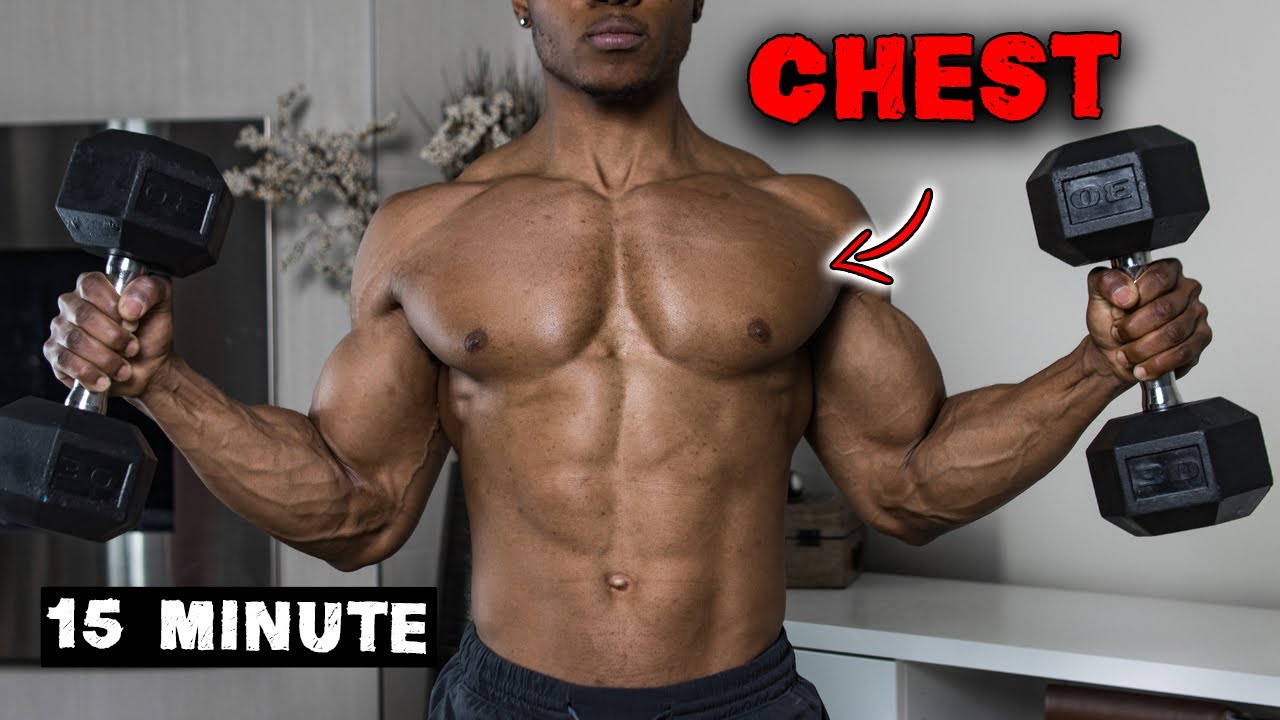
Credit: www.youtube.com
Benefits Of Dumbbells For Chest
Dumbbells offer unique benefits for building chest muscles. They allow natural movement and better muscle work. Dumbbells engage more muscles than some other equipment. This makes workouts more effective and balanced. You can use dumbbells in many places, making them very convenient.
Greater Range Of Motion
Dumbbells let your arms move freely in all directions. This wider range helps stretch and contract chest muscles fully. Full movement leads to better muscle growth and strength. You can target different parts of your chest by changing angles. This is harder to do with fixed bars or machines.
Improved Balance And Stability
Each arm works independently with dumbbells. This forces your body to stabilize itself during exercises. Stability muscles around your chest and shoulders get stronger. Dumbbells help fix strength differences between left and right sides. This balance lowers the risk of injury during workouts.
Increased Muscle Activation
Dumbbells require more control and coordination. This activates more muscle fibers in your chest. Studies show dumbbell presses can engage chest muscles better than barbells. More activation means faster muscle growth and better strength. Dumbbells challenge your muscles in new ways every workout.
Versatility For Home And Gym
Dumbbells are easy to use anywhere, at home or gym. You can do many chest exercises like presses, flyes, and pullover. They need little space and no special setup. Dumbbells come in many weights to fit all fitness levels. This makes them perfect for beginners and advanced lifters alike.
Key Dumbbell Chest Exercises
Building chest muscle with dumbbells requires focused exercises that target all parts of the chest. Each exercise offers unique benefits. These key dumbbell chest exercises improve strength, shape, and muscle size. Using dumbbells also enhances muscle balance and control.
Dumbbell Bench Press Variations
The dumbbell bench press works the entire chest area. It allows for a deeper stretch than a barbell. Variations include flat, decline, and neutral grip presses. These help target the chest from different angles.
Dumbbell Flyes For Isolation
Dumbbell flyes focus on isolating chest muscles. They stretch the pectorals and build muscle definition. Perform them slowly to feel the chest working. Keep a slight bend in your elbows to protect your joints.
Floor Press For Safety
The floor press limits arm movement to protect your shoulders. It is ideal for beginners or those with shoulder pain. This exercise strengthens the middle chest and triceps. Use a controlled motion for best results.
Incline Dumbbell Press For Upper Chest
The incline dumbbell press targets the upper chest. Set the bench at a 30 to 45-degree angle. This exercise helps create a fuller, lifted chest look. Keep your elbows at a 45-degree angle to avoid strain.
Reverse Grip Dumbbell Press
Reverse grip presses activate the upper chest and front shoulders. Hold the dumbbells with palms facing you. This grip reduces shoulder stress and improves muscle activation. Use lighter weights to maintain control.
Dumbbell Pullover
Dumbbell pullovers stretch the chest and expand the rib cage. They also engage the lats and core muscles. Perform this move lying on a bench or floor. Keep your arms slightly bent and move slowly for safety.
Progressive Overload Techniques
Progressive overload is key to building chest muscle with dumbbells. It means gradually increasing the stress on your muscles. This forces your chest muscles to adapt and grow stronger over time. Using different techniques of progressive overload helps you avoid plateaus. It keeps your workout challenging and effective.
Applying progressive overload with dumbbells allows steady muscle growth. You can increase weight, change reps and sets, or try advanced methods. Each approach targets your chest muscles in a new way. This variety stimulates muscle fibers and enhances strength.
Increasing Weight Safely
Adding more weight is the simplest way to overload muscles. Increase dumbbell weight in small steps to avoid injury. Use weights that challenge you but still allow good form. Gradual weight increase helps muscles grow without strain. Always warm up before lifting heavier dumbbells.
Adjusting Reps And Sets
Changing the number of reps and sets also boosts muscle growth. Increase reps to improve endurance and muscle size. Add more sets to increase total workout volume. For muscle building, aim for 8 to 12 reps per set. Adjust reps and sets based on your strength level.
Incorporating Drop Sets
Drop sets involve lowering the weight after muscle fatigue. Begin with heavy dumbbells until failure. Then reduce weight and continue without rest. This technique increases time under tension for your chest muscles. Drop sets push muscles beyond normal limits for growth.
Using Static Holds
Static holds mean pausing during a dumbbell exercise. Hold the weight at the hardest part of the movement. This increases muscle tension and endurance. Static holds help strengthen weak points in your chest. Add holds for 10 to 20 seconds during sets.
Form And Technique Tips
Proper form and technique are key to building chest muscle with dumbbells safely and effectively. Good habits prevent injury and help you target the right muscles. Focus on small details to get the most out of each workout. Perfecting your grip, body position, and movement control improves strength gains. Follow these tips to train smarter and see better results.
Proper Grip And Wrist Position
Hold dumbbells firmly but avoid gripping too tight. Keep your wrists straight and aligned with your forearms. Bent wrists cause strain and reduce power. A neutral wrist position helps transfer force efficiently to your chest muscles. Check your grip before each set to maintain control and stability.
Utilizing Leg Drive
Push your feet firmly into the ground during presses. This leg drive creates a stable base and increases overall strength. It helps you lift heavier weights while reducing stress on your shoulders. Engage your core and legs together for better power and balance in every rep.
Controlling Range Of Motion
Lower the dumbbells slowly and stop when your elbows are just below chest level. Avoid dropping too low to protect your shoulder joints. Press the weights up fully without locking your elbows. Controlled movement keeps tension on the chest muscles and improves muscle growth. Maintain steady pace throughout each repetition.
Avoiding Common Mistakes
Do not let your elbows flare out too wide; it strains your shoulders. Avoid using momentum to lift the weights; focus on muscle effort. Keep your back flat on the bench or floor to prevent injury. Skip bouncing the dumbbells off your chest for safer, more effective workouts. Consistent attention to form beats lifting heavier weights with poor technique.
Creating Effective Dumbbell Chest Workouts
Creating effective dumbbell chest workouts is key to building strong, well-defined chest muscles. Dumbbells offer versatility and allow you to target your chest from different angles. A good workout plan balances exercises, sets, and rest for maximum muscle growth. Planning your routine carefully helps avoid plateaus and overtraining.
Workout Structure Ideas
Start with a warm-up to prepare your muscles and joints. Include 3 to 4 exercises focusing on different parts of the chest. For example, combine flat dumbbell presses, incline presses, and dumbbell flyes. Aim for 3 to 4 sets per exercise with 8 to 12 reps each. Change the order or angle regularly to challenge muscles differently.
Balancing Volume And Intensity
Volume means the total work done, such as sets and reps. Intensity refers to the weight you lift. Use moderate to heavy dumbbells that challenge your muscles by the last few reps. Increase volume gradually to avoid injury. Mix heavier sets with lower reps and lighter sets with higher reps for variety. This balance helps muscle growth without causing burnout.
Rest And Recovery Strategies
Rest between sets is important. Take 60 to 90 seconds to recover for strength and size gains. Avoid rushing your workout. Sleep is crucial for muscle repair and growth. Aim for 7 to 8 hours each night. Include rest days in your routine to let chest muscles recover fully. Proper nutrition and hydration also support recovery.

Credit: www.fab-ent.com
Training Without A Bench
Building chest muscle using dumbbells without a bench is easy and effective. You can perform many exercises on the floor or with simple tools. This method works well at home or in small spaces. It helps develop strength and shape in the chest muscles without needing extra equipment.
Floor Press Alternatives
The floor press is a great substitute for the bench press. Lie on your back with dumbbells in each hand. Press the weights up until your arms are straight. Lower slowly until your elbows touch the floor. This limits the range of motion but protects your shoulders.
Try variations like the single-arm floor press to fix muscle imbalances. It also challenges your core to stay stable. Floor presses target the chest, triceps, and shoulders effectively.
Using Stability Tools
Use tools like stability balls or sliders to add variety. Lying on a stability ball works your chest and core at once. It also improves balance and control. Sliders under your feet or hands increase the difficulty of push-up variations.
These tools help engage small muscles and boost overall strength. They also make workouts more interesting and challenging without heavy equipment.
Body Positioning Tips
Proper body position improves exercise safety and results. Keep your shoulder blades pulled back and down. This protects the shoulders and focuses the work on your chest. Maintain a neutral spine and engage your core during all moves.
Control the dumbbells slowly to avoid injury. Avoid locking your elbows at the top of presses. Small, controlled movements build muscle better than fast, jerky ones. Focus on feeling the chest muscles working throughout each exercise.
Tracking Progress And Gains
Tracking progress and gains is essential for building chest muscle with dumbbells. It helps you see how your muscles grow and how your strength improves. Keeping track motivates you to keep going and reach your fitness goals faster.
Without tracking, it is easy to lose focus or miss signs of improvement. A clear record shows what works and what needs change. This way, you avoid wasting time on exercises that do not help your chest grow.
Measuring Muscle Growth
Measure your chest size regularly using a tape measure. Take measurements at the same spot for accuracy. Record the circumference around the widest part of your chest. Compare measurements every two weeks to see changes.
Use photos to visually track muscle growth. Take pictures from the front and side under good lighting. This helps spot muscle definition and size changes that numbers might miss.
Recording Workouts
Write down the exercises, weights, sets, and reps each workout. Keep a workout journal or use a fitness app. Tracking this data helps you see your strength gains over time.
Note how you feel during workouts. Record energy levels and muscle fatigue. This helps you understand how your body responds to training and recovery.
Adjusting Plans For Plateaus
Plateaus happen when muscle growth or strength stalls. Use your progress records to spot plateaus early. Change your workout routine by increasing weight or reps to break through.
Try new exercises or change the order of your sets. Adding variety shocks your muscles and encourages growth. Rest more or less depending on your recovery needs.
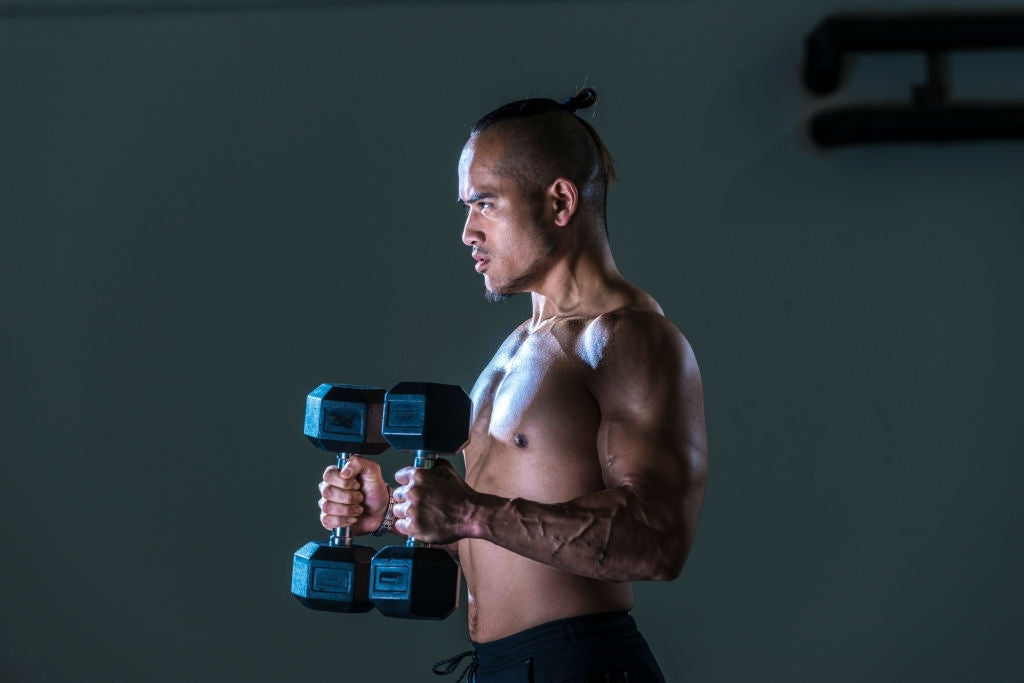
Credit: www.factoryweights.co.uk
Frequently Asked Questions
Can You Build Chest With Just Dumbbells?
Yes, dumbbells can effectively build chest muscles. They offer greater range of motion, improve muscle activation, and enhance balance. Exercises like dumbbell bench press, flyes, and floor press target various chest areas and work well for both home and gym workouts.
What Is The Fastest Way To Build Chest Muscle?
The fastest way to build chest muscle is by performing compound dumbbell exercises like bench presses and flyes. Use progressive overload, maintain proper form, and train consistently 2-3 times weekly. Include incline presses to target upper chest and allow adequate recovery for optimal muscle growth.
Which Dumbbell Workout Is Best For The Chest?
The best dumbbell workout for the chest is the dumbbell bench press. Include flat, incline, and decline variations. Add dumbbell flyes and floor presses for muscle isolation and safety. Reverse grip presses and pullovers also effectively target upper chest muscles.
Are Dumbbells Better For Chest Growth?
Dumbbells promote chest growth by increasing range of motion and muscle activation. They improve balance and target stabilizer muscles effectively. Dumbbell exercises like presses and flyes build chest strength and size efficiently.
Conclusion
Building chest muscle with dumbbells is simple and effective. Use different exercises to target all chest areas. Focus on form and control for best results. Gradually increase weight to challenge your muscles. Consistency and patience will bring visible progress. Enjoy the process and stay motivated.
Dumbbells offer flexibility for workouts at home or gym. Start today, and watch your chest strength grow steadily.