You’ve just loaded your bike onto your car’s bike rack, ready for your next adventure. But have you taken the right steps to lock it securely?
Leaving your bike vulnerable can lead to costly theft and ruin your plans. In this guide, you’ll discover simple, effective ways to lock your bike on a car bike rack so it stays safe during every trip. From choosing the right lock to securing both your bike and the rack itself, you’ll learn practical tips that anyone can follow.
Keep reading to protect your bike and enjoy peace of mind on the road.

Credit: maloneautoracks.com
Choosing The Right Lock
Choosing the right lock is key to keeping your bike safe on a car bike rack. The lock must be strong and fit well with your bike and rack. Different types of locks offer different levels of security. Knowing the pros and cons helps you pick the best one.
U-locks Vs Cable Locks
U-locks are solid and hard to cut. They fit snugly around the bike frame and rack. Cable locks are flexible and lightweight. They wrap around wheels and frames easily. U-locks provide better security than cables. Cables are good for short stops or low-risk areas.
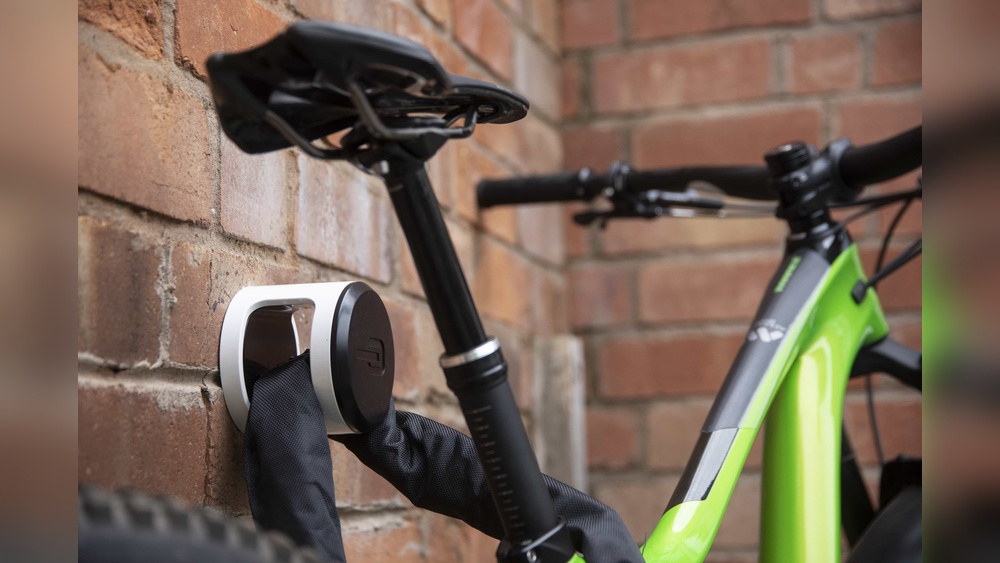
Heavy-duty Chain Locks
Heavy-duty chains are thick and tough. They resist cutting and sawing tools well. Chains are versatile and can lock bikes to many rack types. They are heavier and less convenient to carry. Use them if you want strong protection and don’t mind the weight.
Lock Quality And Ratings
Check the lock’s quality before buying. Look for locks with high security ratings. Ratings come from tests by independent labs. Better ratings mean better resistance to theft tools. Invest in locks with good reviews and trusted brand names. This reduces the risk of bike theft on your rack.

Credit: www.instructables.com
Securing The Bike Frame
Securing the bike frame is key to protecting your bike on a car bike rack. The frame is the strongest part of the bike. Locking it properly reduces theft risk. Focus on locking the frame tightly to the rack. Use strong locks and secure points for the best protection.
Locking Through The Frame
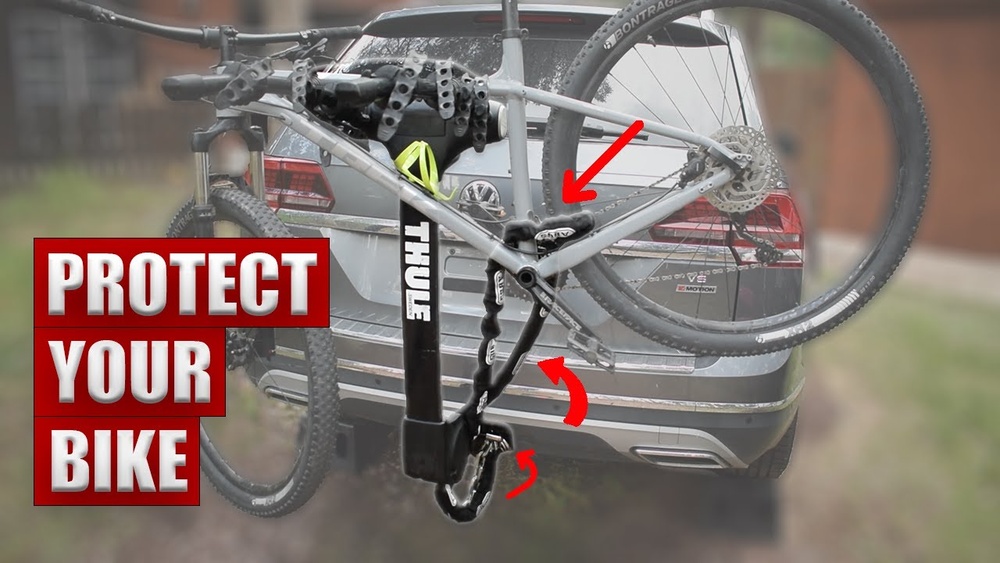
Pass the lock through the main triangle of the bike frame. Avoid locking only the wheel or seat post. The frame lock makes it harder for thieves to steal the bike. Use a U-lock or heavy chain for better security. Make sure the lock fits snugly around the frame and rack.
Attaching To Solid Rack Parts
Secure the lock to sturdy parts of the bike rack. Avoid thin or moveable pieces that can be cut or broken. Locking through metal arms or solid bars increases safety. Check the rack’s design and find strong points to attach your lock. This keeps the bike steady and hard to remove.
Using Hitch Pins For Security
Hitch pins lock the bike rack to your car’s hitch receiver. Choose locking hitch pins to prevent rack theft. Combine hitch pins with frame locks for full security. They stop thieves from removing the entire rack with your bike. Always double-check that the hitch pin is locked tight.
Protecting The Wheels
Protecting the wheels is key to keeping your bike safe on a car bike rack. Thieves often target wheels first because they are easy to remove. Securing the wheels helps stop quick theft and gives you peace of mind. Use strong locks and smart tools to guard this vulnerable part of your bike.
Secondary Locks For Wheels
Secondary locks add extra security to your wheels. A cable lock or small chain can wrap around the wheel and frame. This stops thieves from taking the wheels without unlocking the main lock. Use a lock that fits tightly and is hard to cut. Check that it does not damage your bike parts.
Avoiding Quick Release Vulnerabilities
Quick release wheels are easy to steal if not secured. Replace quick release levers with locking skewers or bolts. These need special keys or tools to open. This simple change makes it harder for thieves to remove your wheels fast. Always check the tightness before locking your bike on the rack.
Security Bolts And Skewers
Security bolts and skewers replace standard wheel fasteners. They require unique keys, making wheel theft difficult. Many brands offer anti-theft skewers that fit most bikes. Install them on front and rear wheels for full protection. These small upgrades increase your bike’s security without adding weight.
Locking The Rack To The Vehicle
Locking the bike rack to your vehicle is the first step to secure your bike. It stops thieves from stealing the entire rack along with your bike. A tight lock between the rack and car keeps everything safe during travel and stops unwanted removal.
Here are some simple ways to lock your bike rack to your vehicle effectively.
Using Locking Hitch Pins
Locking hitch pins replace the standard pin in your hitch receiver. They use a key or combination to lock in place. This prevents thieves from pulling out the rack easily. Most hitch racks fit standard sizes, so find the correct pin size for your vehicle.
These pins are strong and durable. They add a layer of security without extra tools. Always carry the key or code safely to unlock the rack when needed.
Anti-theft Devices For Racks
Anti-theft devices include cables, locks, and alarms made to secure racks. A steel cable loop can wrap around the rack and hitch or frame. Use a sturdy lock with the cable to stop removal.
Some racks come with built-in locks for added protection. Others allow you to add aftermarket locks easily. Alarms activate if someone tampers with the rack, alerting you to danger.
Securing Roof And Trunk Racks
Roof and trunk racks need special locking solutions. Use locks designed to secure the rack to the car’s mounting points. Many roof racks have locking knobs or clips to stop removal.
For trunk racks, secure straps tightly and use padlocks on hooks or loops. Always check if the rack fits snugly to avoid wiggle and theft risks. Lock all parts that attach the rack to the vehicle for best safety.
Additional Security Measures
Securing your bike on a car bike rack is important, but adding extra security measures gives you more peace of mind. These steps help protect your bike from theft and damage. Use simple tools and smart choices to keep your bike safe during travel or storage.
Bike Alarms And Alarm Locks
Bike alarms make noise if someone tries to steal your bike. Many locks now include built-in alarms. They alert you and scare off thieves. Choose an alarm lock that fits your bike rack and bike frame. Test the alarm regularly to ensure it works well. This small device adds a strong layer of security.
Using Tarps And Covers
Covering your bike keeps it out of sight. Use a tarp or bike cover that fits over the rack and bike. This hides your bike from view and protects it from weather. Secure the cover tightly with straps or bungee cords. A covered bike is less tempting to thieves and stays cleaner during travel.
Parking In Visible, Secure Locations
Park where many people can see your bike and car. Well-lit areas with foot traffic reduce the chance of theft. Avoid isolated or dark spots. If possible, park near security cameras or inside fenced areas. Visibility helps keep your bike safe and gives you quick access to check on it.

Credit: www.youtube.com
Preventing Rack Movement
Preventing rack movement is key to keeping your bike safe and stable during travel. A shaky rack can cause damage to your bike and vehicle. Securing the rack tightly reduces noise and wear. Follow these simple steps to keep your bike rack steady and secure.
Tightening Straps And Anchors
Start by pulling all straps firmly. Check anchor points and tighten any loose connections. Use your hands to feel for slack and remove it. A well-tightened strap stops the rack from shifting on bumps. Make sure anchors are locked properly in place.
Using Step Stools For Adjustment
A step stool helps reach high straps and anchors easily. It lets you see all parts clearly for better tightening. Adjust straps from a stable position to avoid errors. This small tool can improve your rack setup quickly and safely.
Avoiding Loose Straps
Loose straps cause wobbling and can wear out fast. Double-check each strap after tightening. Tug gently to confirm they hold tight. Replace any worn or frayed straps right away. Keeping straps tight prevents damage and keeps your bike safe.
Maintenance And Inspection
Regular maintenance and inspection are essential to keep your bike rack secure. They help spot problems early and prevent failures. A well-maintained rack protects your bike and gives peace of mind during travel.
Take time to check your lock and rack parts before every trip. Small damages can lead to bigger issues. Consistent care extends the life of your bike rack and lock.
Checking Lock Integrity
Examine the lock for rust, cracks, or damage. Test the locking mechanism to ensure smooth operation. A stiff or loose lock may fail to secure your bike. Clean the lock with a lubricant to keep it working well. Replace the lock if it shows signs of wear or malfunction.
Inspecting Rack Components
Look over all rack parts for bends, cracks, or rust. Check straps, bolts, and clamps for tightness and damage. Loose or broken parts can cause the rack to fail. Make sure the rack mounts firmly to your vehicle. Inspect padding and contact points to avoid bike scratches.
Replacing Worn Parts
Swap out damaged or worn components quickly to keep safety intact. Use parts recommended by the rack manufacturer for best fit. Replace frayed straps, rusted bolts, or cracked plastic pieces. Keep spare parts handy for quick repairs. Regular part replacement prevents accidents and bike loss.
Frequently Asked Questions
How Do You Lock Your Bike On A Car Rack?
Use a strong U-lock through the bike frame and rack. Secure wheels with a cable lock. Lock the rack to the vehicle. Avoid locking only wheels or removable parts.
How Do I Keep My Bike From Being Stolen On My Car Rack?
Use a high-quality U-lock through the bike frame and rack. Secure wheels with a cable lock. Lock the rack to your car. Park in visible, well-lit areas. Replace quick-release skewers with security bolts for extra protection.
How To Protect Bikes On A Bike Rack?
Use a high-quality U-lock through the bike frame and rack. Secure wheels with a cable lock. Lock the rack to the vehicle. Avoid quick-release skewers. Park in visible areas to deter theft.
How To Prevent Hitch Bike Rack From Being Stolen?
Use a high-quality locking hitch pin to secure the rack to your vehicle. Add a heavy-duty U-lock or chain through the bike frame and rack. Secure wheels with a cable lock. Park in visible, well-lit areas and consider anti-theft skewers for extra protection.
Conclusion
Securing your bike on a car rack is simple with the right tools. Use a strong U-lock through the frame and a solid part of the rack. Add a cable lock around the wheels for extra safety. Always check that locks fit tightly and cannot be moved easily.
Parking in visible, well-lit areas helps deter thieves. Regularly inspect your locks for damage or wear. Follow these steps to keep your bike safe during every trip. Safe rides start with smart bike locking habits.