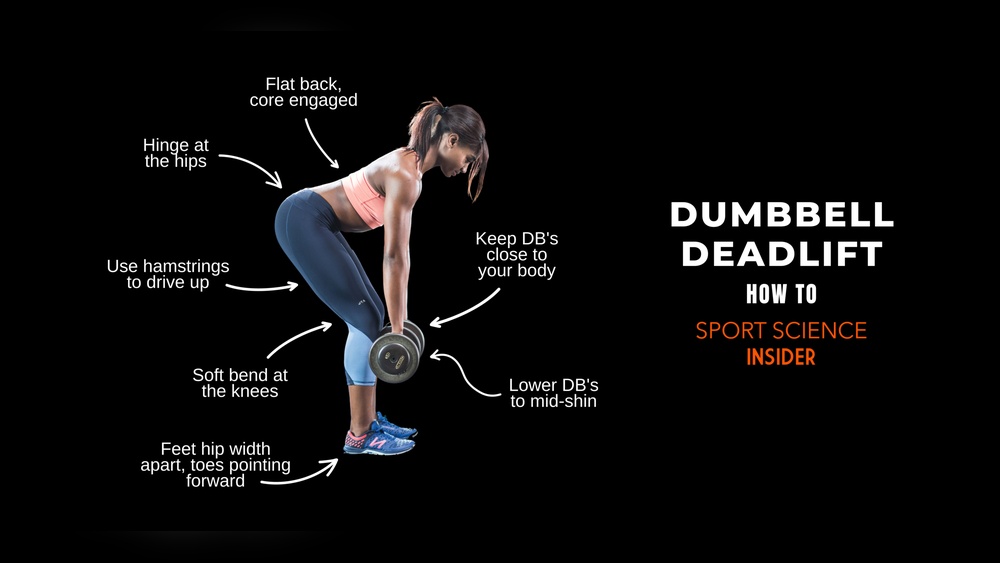
If you want stronger, more defined forearms, dumbbells can be your secret weapon. Building your forearms isn’t just about looks—it improves your grip, boosts overall arm strength, and helps with many daily tasks.
But here’s the catch: forearms need targeted training to grow, and many people overlook this. In this guide, you’ll discover simple, effective dumbbell exercises that hit every part of your forearms. Whether you’re starting out or want to break through a plateau, these moves will help you see real progress.
Ready to transform your forearms and take your arm game to the next level? Keep reading to find out how.
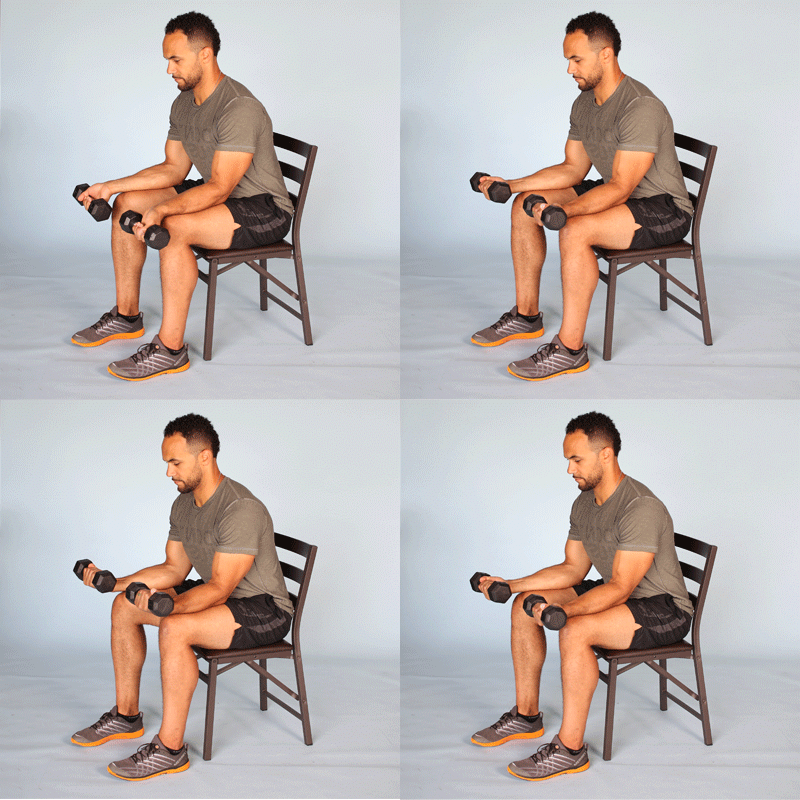
Credit: www.healthline.com
Forearm Muscle Anatomy
The forearm is a complex area with many muscles working together. Understanding its anatomy helps you target the right muscles. This knowledge improves your training efficiency and results.
Forearm muscles mainly control wrist and finger movements. They also assist in gripping and lifting. Building forearms with dumbbells requires focusing on specific muscle groups.
Flexors And Extensors
The forearm has two main muscle groups: flexors and extensors. Flexors are located on the palm side. They bend the wrist and fingers inward. Extensors sit on the back of the forearm. They straighten the wrist and fingers. Both groups are essential for balanced strength and size.
Brachioradialis Role
The brachioradialis is a large muscle on the outer forearm. It helps flex the elbow when the palm faces the body. This muscle adds thickness to the forearm’s appearance. Dumbbell exercises like hammer curls target the brachioradialis effectively. Strengthening it improves grip and arm power.

Credit: www.youtube.com
Challenges In Forearm Growth
Building forearm muscles with dumbbells can be rewarding but comes with its own challenges. Many people find forearm growth slower than other muscle groups. Understanding these challenges helps set realistic goals and improves training effectiveness.
Complex Muscle Structure
Forearms contain many small muscles that control wrist and finger movements. These muscles work together for gripping and fine motor skills. Their complex layout makes it hard to target all muscles equally. You must use varied exercises to stimulate every part of the forearm.
Genetic Factors
Genetics play a big role in how your forearms develop. Some people naturally have thicker or longer forearm muscles. Others may have a harder time adding size despite training hard. Accepting genetic limits helps focus on steady progress instead of quick results.
Neglect In Training
Many workout routines skip direct forearm exercises. People often rely on indirect work from other lifts like curls or rows. This neglect slows forearm growth because these muscles need focused attention. Adding specific dumbbell moves like wrist curls can boost forearm strength and size.
Dumbbell Exercises For Flexors
Targeting the flexor muscles in your forearms is key to building strength and size. Dumbbell exercises for flexors focus on movements that involve bending the wrist and fingers. These exercises improve grip strength and add muscle definition to your forearms. Use light to moderate weights for controlled motion and avoid swinging the dumbbells. Consistency and proper form matter most for visible results.
Wrist Curls With Supinated Grip
Hold a dumbbell in each hand with palms facing up. Rest your forearms on a bench or your thighs, letting your wrists hang over the edge. Slowly curl your wrists upward, squeezing the flexor muscles at the top. Lower the weights back down with control. Perform 3 sets of 12-15 repetitions to build endurance and muscle.
Finger Flexion Techniques
Grip a dumbbell with your fingers instead of your whole hand. Open your fingers wide and then squeeze them tightly around the dumbbell. Hold the contraction for a second and release. This exercise targets the small muscles that control finger movement and grip strength. Repeat for 3 sets of 15-20 repetitions on each hand.
Dumbbell Exercises For Extensors
Dumbbell exercises for extensors focus on the muscles that straighten your wrist and fingers. These muscles balance the forearm’s strength and improve grip endurance. Training extensors helps prevent wrist injuries and enhances overall arm function. Using dumbbells allows controlled, isolated movements that target these muscles effectively.
Reverse Wrist Curls
Reverse wrist curls strengthen the wrist extensors on the forearm’s top side. Hold a dumbbell with your palm facing down. Rest your forearm on a bench or your thigh, letting your wrist hang over the edge. Slowly lift the dumbbell by extending your wrist upward. Lower it back down with control. Repeat for 10 to 15 reps. This exercise builds muscle and improves wrist stability.
Wrist Extensions
Wrist extensions also target the extensor muscles. Sit on a chair and place your forearm on your thigh. Hold a dumbbell with your palm facing down. Raise the back of your hand by lifting your wrist. Lower it slowly to the starting position. Perform 3 sets of 12 to 15 reps. This movement strengthens the wrist and helps balance forearm muscles.
Targeting Brachioradialis
The brachioradialis is a key muscle on the outer side of your forearm. It helps with elbow flexion and gives your forearms a thicker, more defined look. Training this muscle with dumbbells strengthens your grip and improves arm stability. Focused exercises stimulate growth and enhance overall forearm strength.
Concentration Hammer Curls
Concentration hammer curls isolate the brachioradialis effectively. Hold a dumbbell with a neutral grip, thumb pointing up. Sit down and rest your elbow on your inner thigh. Slowly curl the dumbbell towards your shoulder. Pause briefly at the top, then lower it back down. This movement targets the brachioradialis more than traditional curls.
Sledgehammer And Heavy Grip Work
Sledgehammer exercises mimic swinging a hammer, which activates the brachioradialis strongly. Use a dumbbell or weighted object to perform slow, controlled swings. Hold the handle tightly to engage your forearm muscles. Heavy grip work, like squeezing thick dumbbells or fat grip attachments, boosts brachioradialis strength. These exercises improve grip endurance and forearm thickness.
Training Tips For Forearm Growth
Training forearms requires a smart approach for noticeable growth. Simple repetition alone won’t maximize your gains. You must focus on certain key techniques. These help stimulate muscles effectively and prevent plateaus. Here are essential tips to boost your forearm size using dumbbells.
Use Heavy Loads And Squeeze
Choose dumbbells heavy enough to challenge your muscles. Aim for a weight that allows 8-12 reps with good form. Squeezing the dumbbell tightly during each rep increases muscle activation. This intense contraction stresses forearm muscles, promoting growth. Hold the squeeze for a second or two before lowering the weight. This small pause adds time under tension, which builds strength and size.
Include Variety In Exercises
Rotate different dumbbell exercises to work forearms from multiple angles. Wrist curls, reverse wrist curls, and hammer curls target different parts. Changing grips and hand positions prevents muscle adaptation. Variety forces your muscles to work harder and grow. Try slow, controlled motions to maximize muscle engagement. Avoid rushing through reps to keep tension on the muscles.
Train Both Flexors And Extensors
Forearm muscles include flexors on the palm side and extensors on the opposite side. Balanced training strengthens both groups evenly. Wrist curls focus on flexors, while reverse wrist curls target extensors. Ignoring one side leads to muscle imbalances and potential injury. Include exercises that cover all forearm movements. Balanced strength improves grip, wrist stability, and overall forearm size.
Recovery And Frequency
Recovery and frequency are key to building stronger forearms with dumbbells. Giving your muscles enough time to rest helps them grow bigger and stronger. Training too often can cause fatigue and slow progress. Balancing workout days with rest ensures consistent improvement.
Allow Muscle Repair Time
Muscles grow during rest, not while working out. After training forearms, allow at least 48 hours for repair. This recovery time helps reduce soreness and prevents injury. Proper rest lets muscle fibers rebuild stronger and thicker. Sleep also plays a vital role in muscle repair. Aim for 7-9 hours of quality sleep each night.
Avoid Daily Training
Training forearms every day can lead to overuse and strain. Forearm muscles need time to recover from intense dumbbell exercises. Instead, schedule workouts every 2-3 days to maintain muscle health. Overtraining can cause pain and reduce strength gains. Listen to your body and skip workouts if you feel excessive soreness or fatigue.
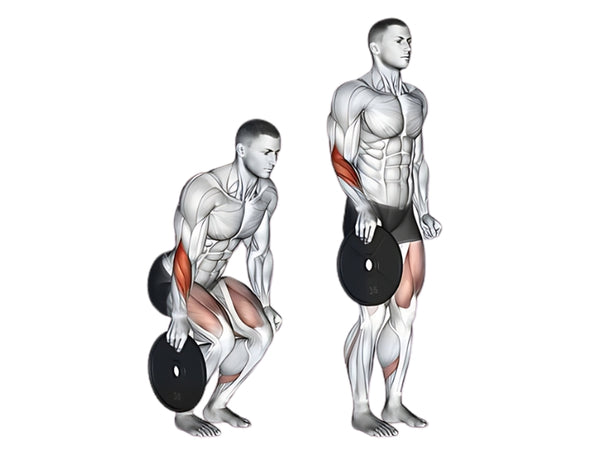
Credit: homegymsupply.co.uk
Progress Tracking And Patience
Tracking progress and having patience are key when building forearms with dumbbells. Visible changes take time. Your muscles need consistent effort to grow stronger and bigger.
Without tracking, it is hard to know if your workouts work. Patience keeps you motivated, even when progress seems slow. This section explains how to measure gains and why consistency matters.
Measure Strength Gains
Keep a workout journal to record the weights and reps. Note how much weight you lift for each exercise. Track the number of sets and reps completed.
Compare your current strength with past sessions. Small improvements show your forearms are getting stronger. Focus on gradual increases in weight or reps to avoid injury.
Use simple tools like a stopwatch or app to time rest periods. Shorter rests with good form improve endurance. Regularly testing your grip strength can also show progress.
Consistency Over Time
Building forearms requires steady effort over weeks and months. Skipping sessions delays results and weakens motivation. Set a schedule that fits your lifestyle and stick to it.
Even short workouts done regularly help muscles grow. Avoid doing too much at once to prevent strain. Recovery days are important to let muscles repair and grow stronger.
Remember, forearm muscles respond slowly. Stay patient and trust the process. Progress may not be fast, but it will come with consistent work.
Frequently Asked Questions
How Do I Make My Forearms Bigger With Dumbbells?
Perform dumbbell wrist curls with palms up to target flexors. Use reverse wrist curls with palms down for extensors. Add hammer curls for brachioradialis. Train consistently with heavy weights and vary exercises to stimulate all forearm muscles for bigger growth.
Are Forearms Hard To Grow?
Forearms can be challenging to grow due to complex muscles and genetics. Consistent, targeted training of flexors and extensors boosts growth effectively.
What Exercise Builds Forearms The Most?
Wrist curls with a supinated grip build inner forearms. Reverse curls target extensors. Hammer curls develop the brachioradialis. Combine these for maximal forearm growth.
How Long Does It Take To Grow Forearms?
Forearm growth usually takes 6 to 8 weeks with consistent, targeted exercises and proper recovery. Genetics and training intensity affect progress.
Conclusion
Building stronger forearms with dumbbells takes time and effort. Focus on exercises that target all forearm muscles. Use both wrist curls and reverse curls for balance. Keep your grip varied to engage different parts. Train regularly but allow your muscles to rest and recover.
Stay consistent, and you will see gradual improvement. Small steps lead to bigger gains. Strong forearms improve your grip and overall arm strength. Keep working, and enjoy the progress you make.