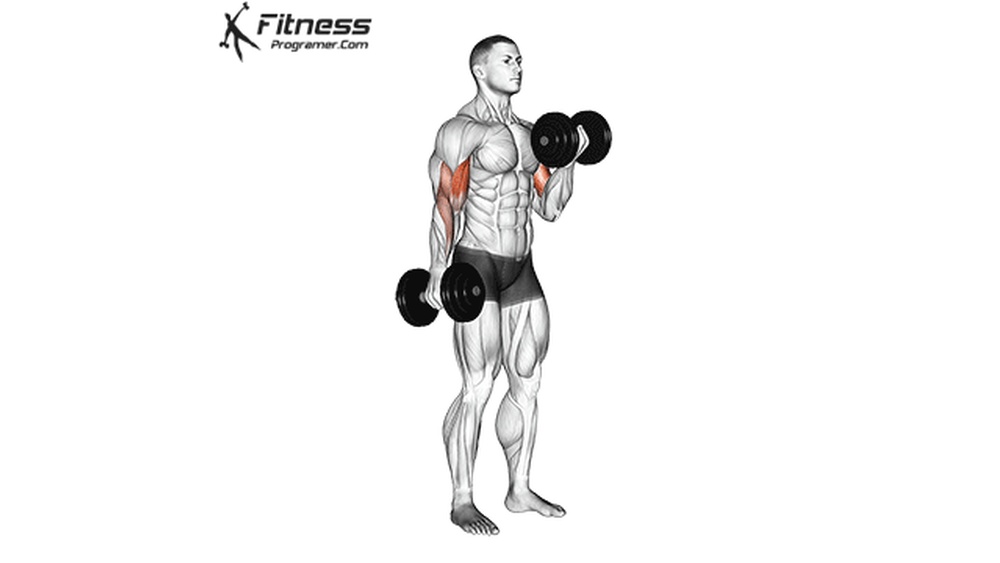
If you want stronger, more defined arms, mastering how to curl dumbbells is a game-changer. This simple exercise targets your biceps and helps you build muscle effectively—whether you’re a beginner or looking to perfect your form.
But it’s not just about lifting weights; it’s about doing it right to avoid injury and see real results. In this guide, you’ll learn easy-to-follow steps and expert tips that make every curl count. Ready to transform your arm workouts and get those gains?
Keep reading and discover how to curl dumbbells like a pro.
Dumbbell Curl Basics
Proper form is key to building bigger arms with dumbbell curls. Poor technique can limit muscle growth and cause injury. Focus on controlling every movement and maintaining correct posture. This helps target the biceps more effectively and increases strength.
Core Engagement
Keep your core tight during curls. A strong core stabilizes your body and prevents swinging. This makes each rep more efficient and keeps tension on your biceps. Stand tall and brace your abs before lifting the dumbbells.
Elbow Stability
Keep your elbows close to your sides and still. Avoid letting them move forward or outward. Stable elbows isolate your biceps better and reduce strain on your shoulders. Imagine your elbows are glued in place throughout the curl.
Wrist Alignment
Maintain a neutral wrist position. Do not bend or twist your wrists while curling. Straight wrists help transfer force evenly and prevent injury. Keep your palms facing up and wrists aligned with your forearms during each rep.
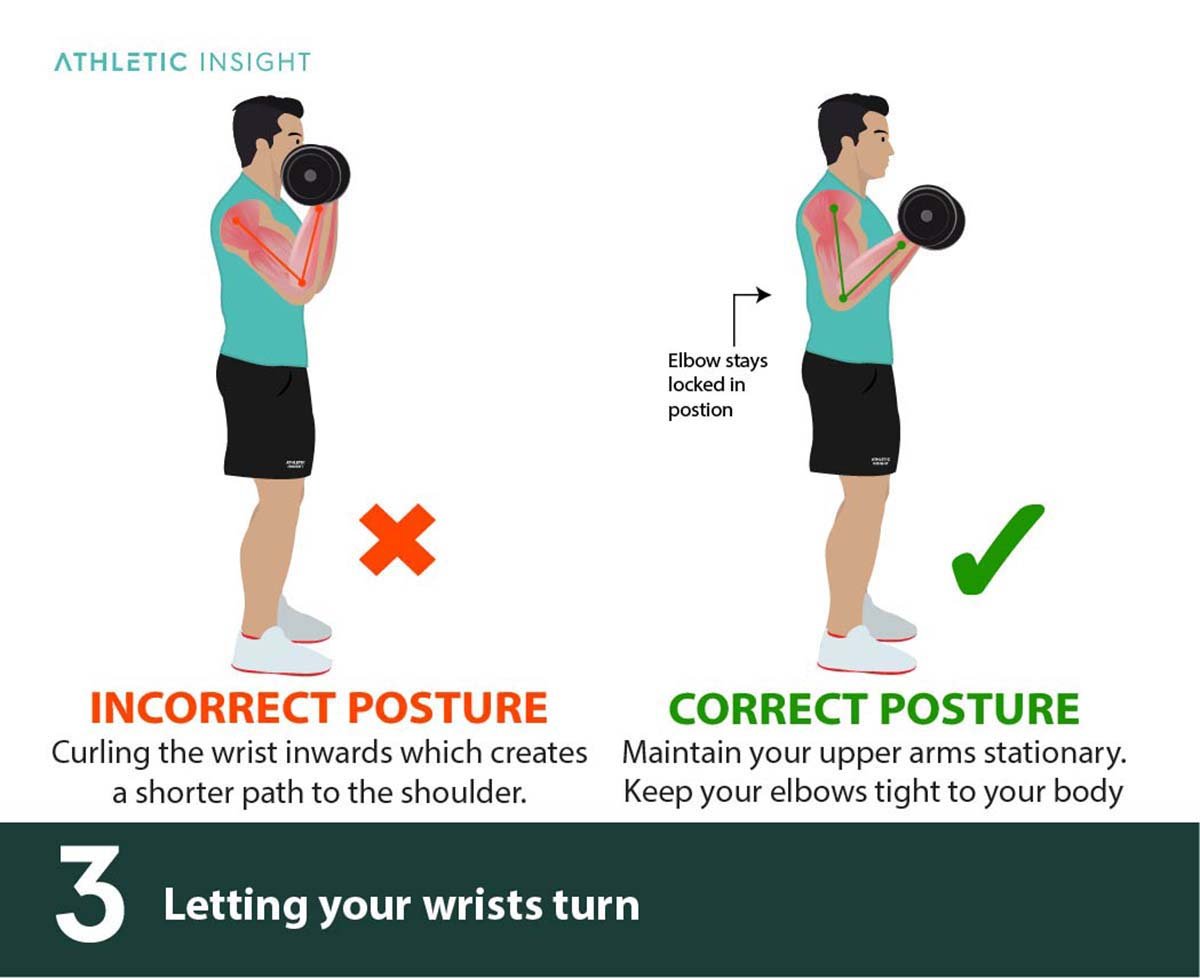
Credit: www.athleticinsight.com
Form Tips For Bigger Arms
Avoiding common mistakes helps you get better results from dumbbell curls. These errors reduce the workout’s effectiveness and can cause injuries. Focus on correct form to build strength safely.
Watch out for these common mistakes. Fixing them improves muscle growth and prevents pain.
Swinging The Weights
Swinging the dumbbells uses momentum, not muscles. It reduces bicep engagement. Keep your body still and control the weights. Move only your forearms during the curl. This ensures the biceps work hard.
Locking The Elbows
Locking your elbows at the bottom stops muscle tension. Keep a slight bend to keep the biceps active. This helps build strength and prevents joint strain. Avoid fully straightening your arms during curls.
Using Momentum
Using momentum cheats your muscles. It happens when you jerk or swing the dumbbells up. Lift weights slowly and with control. This increases muscle tension and improves growth. Focus on smooth, steady movements.
Common Mistakes To Avoid
Progression strategies are key to improving your dumbbell curl strength and muscle size. Gradually increasing the challenge helps your muscles grow and prevents plateaus. Use these methods to keep making gains safely and effectively.
Increasing Weight Safely
Start with a weight that feels comfortable and allows good form. Once you can do all reps without strain, increase the dumbbell weight. Add small increments, such as 2-5 pounds, to avoid injury. Always maintain control and avoid swinging the weights.
Adjusting Repetitions
Change the number of repetitions to match your goals. For muscle endurance, aim for 12-15 reps per set. To build strength, lower reps to 6-8 with heavier weights. Adjust reps slowly, ensuring each set is challenging but doable.
Incorporating Supersets
Supersets involve doing two exercises back to back without rest. Pair dumbbell curls with tricep extensions or hammer curls. This method increases workout intensity and saves time. It also helps improve muscle endurance and overall arm strength.
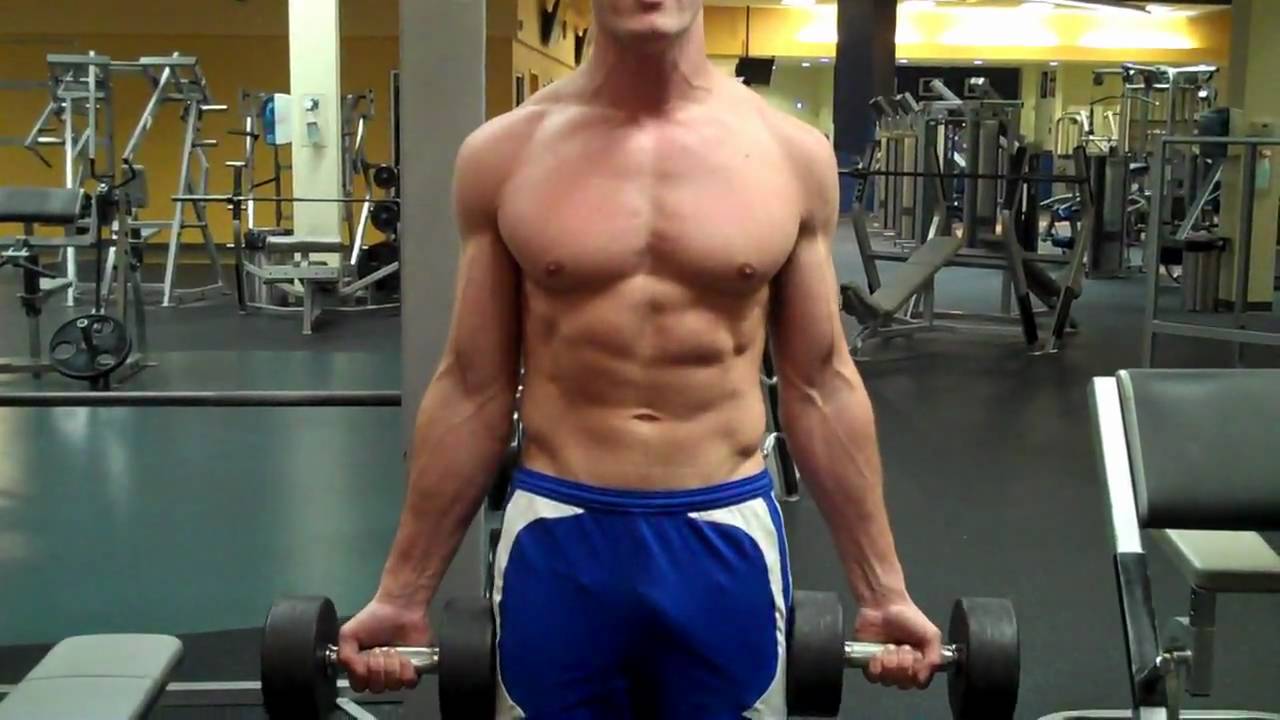
Credit: www.youtube.com

Credit: www.dmoose.com
Frequently Asked Questions
How To Do Dumbbell Curls Correctly?
Stand with dumbbells in each hand, palms up, elbows close to sides. Curl weights slowly to shoulders, squeeze biceps, then lower with control. Keep back straight and avoid swinging. Fully extend arms without locking elbows. Maintain steady, controlled motion for best results.
Is A 20 Pound Bicep Curl Good?
A 20-pound bicep curl is good for beginners and intermediate lifters. Focus on proper form and controlled movement for best results.
What Are 7 7 7 Bicep Curls?
7 7 7 bicep curls involve performing three sets of seven reps each with controlled, strict form. This method targets muscle endurance and growth.
Where To Hold A Dumbbell For Curls?
Hold the dumbbell with your palm facing upward and your elbow close to your side. Keep your arm steady while curling.
Conclusion
Curling dumbbells helps build strong and toned biceps. Focus on slow, controlled movements for best results. Keep your elbows close to your body and avoid swinging. Consistent practice improves strength and muscle shape over time. Remember to use a weight that challenges you but feels safe.
Add dumbbell curls to your routine for better arm fitness. Small steps lead to big improvements in your workout. Stay patient and enjoy the progress you make.


