
If you want to build a strong, well-defined chest but don’t have access to a gym or fancy machines, dumbbells are your best friends. Using dumbbells to work your pecs gives you freedom to move naturally and target every part of your chest with precision.
Whether you’re aiming for fuller upper pecs or a solid, sculpted middle chest, the right dumbbell exercises can get you there faster than you think. You’ll discover simple yet powerful ways to use dumbbells to shape your pecs, avoid common mistakes, and make every workout count.
Ready to transform your chest and see real results? Keep reading!
Benefits Of Dumbbell Chest Training
Training your chest with dumbbells offers many benefits for muscle growth and strength. Dumbbells allow natural movement, which helps engage muscles better. They also provide options to target different parts of the chest effectively. This type of training can fit easily into home workouts or gym routines. Below are some key advantages of using dumbbells for your chest exercises.
Greater Range Of Motion
Dumbbells let your arms move freely in different directions. This increases the range of motion compared to machines or barbells. A wider range helps stretch the chest muscles more, which can lead to better muscle growth. It also improves muscle activation and joint flexibility. This natural movement reduces the risk of injury during workouts.
Balanced Muscle Development
Using dumbbells requires each side of your body to work independently. This helps fix strength imbalances between your left and right chest muscles. Balanced development prevents one side from dominating the other. It also improves overall muscle coordination and control. Dumbbell training ensures both pecs grow evenly for a symmetrical look.
Versatility And Accessibility
Dumbbells are simple and easy to use anywhere. You can perform many chest exercises like presses, flyes, and pullovers with just dumbbells. This versatility helps target different parts of your chest effectively. Dumbbells come in various weights, allowing you to adjust resistance as you get stronger. They are ideal for beginners and advanced lifters alike.
Anatomy Of The Pecs
The pectoral muscles, commonly called pecs, are key to a strong chest. Understanding their anatomy helps target them effectively with dumbbells. The pecs have three main parts. Each part plays a unique role in chest movement and shape.
Clavicular Head
The clavicular head is the upper part of the pecs. It starts near the collarbone. This section lifts the arms and helps in pushing movements. Exercises like incline dumbbell presses focus on this head. Working it builds upper chest fullness.
Sternal Head
The sternal head is the middle part of the pecs. It attaches to the breastbone. This head controls the arms moving across the body. Flat dumbbell presses and flyes target this area well. Strengthening the sternal head improves overall chest thickness.
Abdominal Head
The abdominal head is the lower part of the pecs. It connects near the ribs by the abdomen. This head pulls the arms down and inward. Decline dumbbell presses and dips work this section. Training it adds definition to the lower chest.
Key Dumbbell Exercises For Pecs
Working your pecs with dumbbells helps build a strong and defined chest. Dumbbells allow for a natural movement path. This engages more muscle fibers and improves muscle balance. Using different exercises targets all areas of the chest for better results.
Flat Dumbbell Bench Press
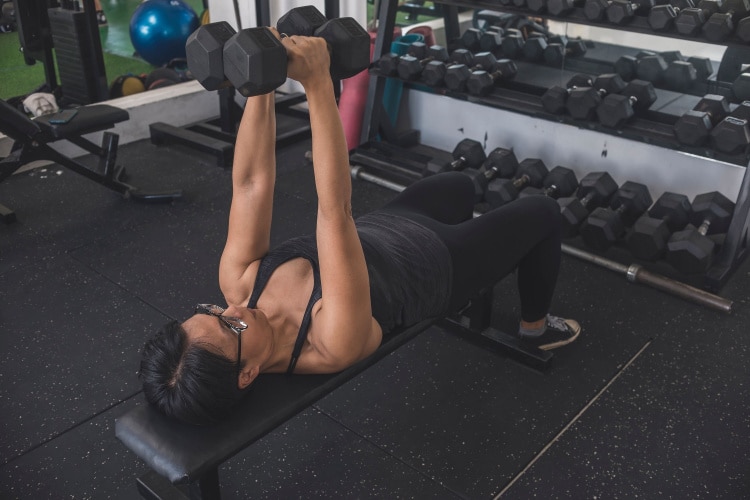
The flat dumbbell bench press focuses on the middle chest. Lie on a flat bench holding dumbbells at chest level. Press the weights up until your arms are straight. Lower them slowly to feel the stretch. This exercise builds strength and size in the sternal part of your pecs.
Incline Dumbbell Press
The incline dumbbell press targets the upper chest. Adjust the bench to a 30-45 degree angle. Press dumbbells upward while keeping your elbows at a 45-degree angle. This helps develop the clavicular head of the pectoralis major. It adds a fuller look to the upper chest.
Decline Dumbbell Press
The decline dumbbell press works the lower chest. Set the bench to a decline position. Press dumbbells upward while focusing on the lower pecs. This angle shifts tension to the bottom part of the chest muscles. It helps create a well-rounded and defined chest.
Dumbbell Flyes
Dumbbell flyes stretch and contract the chest muscles. Lie on a flat or incline bench with dumbbells held above. Slowly lower your arms wide to feel a deep stretch. Bring the weights back together by squeezing your pecs. Flyes isolate the chest and improve muscle shape.
Dumbbell Pullovers
Dumbbell pullovers target the chest and also involve the back muscles. Lie on a bench holding one dumbbell with both hands. Lower the weight behind your head with slightly bent elbows. Pull the dumbbell back over your chest. This movement expands the rib cage and works the pecs deeply.
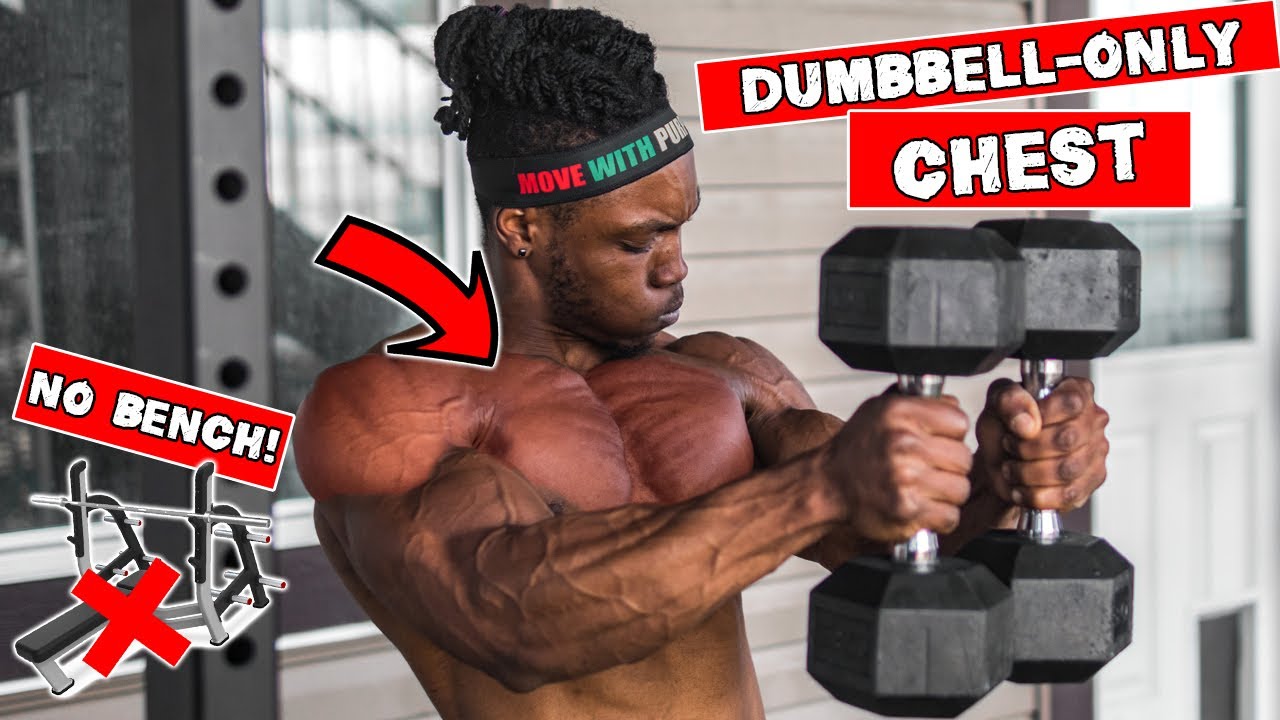
Credit: www.youtube.com
Exercise Variations For Targeted Growth
To build strong and well-shaped pecs, use different dumbbell exercises. Exercise variations help target specific chest areas. This approach improves muscle balance and growth. Varying grips and positions changes muscle activation. These techniques keep workouts fresh and effective.
Underhand Grip Press
The underhand grip press uses a reversed hand position. Hold dumbbells with palms facing you. This grip shifts focus to the lower chest. It also activates the triceps and shoulders differently. Perform this press on a flat bench for best results. Control the weights as you press upward. Lower the dumbbells slowly to feel the stretch. This variation adds variety and targets pecs uniquely.
Static Dumbbell Press
Static dumbbell press involves holding the dumbbells in place. Press the weights up and pause halfway. Hold the position for a few seconds. This technique increases muscle tension without movement. The static hold helps build strength and endurance. Keep your elbows slightly bent during the hold. Avoid locking your arms to protect joints. This press strengthens pecs and improves stability.
Floor Press
The floor press is done lying on the floor. It limits the range of motion compared to a bench press. This reduces shoulder strain and protects joints. Lower the dumbbells until your elbows touch the floor. Push the dumbbells up to full extension. This exercise targets the middle chest well. It is beginner-friendly and safe for shoulder issues. Floor press builds power and muscle in the chest area.
Proper Form And Technique
Maintaining proper form and technique is essential when working your pecs with dumbbells. Correct posture helps you target the chest muscles effectively. It also reduces the risk of injury. Focus on key areas like shoulder blade positioning, wrist alignment, and breathing. These elements ensure your workout is safe and productive.
Shoulder Blade Positioning
Keep your shoulder blades retracted and squeezed together. This position stabilizes your upper body. It also protects your shoulders during pressing or fly movements. Avoid letting your shoulders roll forward. Proper shoulder blade positioning allows better chest engagement.
Wrist Alignment
Keep your wrists straight and in line with your forearms. Avoid bending or twisting your wrists during lifts. Proper wrist alignment prevents strain and injury. It also allows for stronger, more controlled movements. Hold the dumbbells firmly but do not grip too tightly.
Breathing Tips
Inhale deeply before lowering the dumbbells. Exhale steadily as you press or lift the weights. Controlled breathing supports muscle engagement and endurance. It also helps maintain core stability. Avoid holding your breath during exercises to keep steady blood flow.
Progressive Overload Strategies
Progressive overload is key to building stronger and bigger pecs using dumbbells. It means gradually increasing the stress on your chest muscles. This helps muscles adapt and grow over time. Without progressive overload, your progress can stall quickly. Simple changes in your workout can make a big difference.
Try different ways to challenge your pecs. Changing weight, reps, or workout style can keep muscles working hard. Use these strategies to push your limits safely and effectively.
Adjusting Dumbbell Weight
Increasing dumbbell weight is the most direct way to apply progressive overload. Add small increments as your strength improves. This forces your pecs to work harder during each set. Choose a weight that challenges you but still allows good form. Avoid jumping to heavy weights too fast. Gradual increases help prevent injury and support steady gains.
Using Drop Sets
Drop sets involve lowering the weight after reaching muscle fatigue. Start with a heavy dumbbell and perform reps until you cannot continue. Then, immediately switch to a lighter dumbbell and keep going. This method pushes your pecs beyond normal limits. It increases muscle stress and promotes growth. Drop sets are excellent for breaking plateaus and adding intensity.
Increasing Repetitions
Adding more repetitions is another way to overload your pecs. Increase reps gradually while keeping the same weight. This extends the time your muscles work during each set. More reps improve muscle endurance and size. Focus on controlled movements and full range of motion. Aim for small rep increases each session for steady progress.
Creating A Balanced Chest Routine
Creating a balanced chest routine with dumbbells is essential for building strong, well-shaped pecs. A balanced workout targets all parts of the chest evenly. This approach helps avoid muscle imbalances and improves overall strength. It also reduces the risk of injury and supports better posture.
To build a full, sculpted chest, you need to combine different exercises, manage workout frequency, and use proper technique. These elements work together to enhance muscle growth and endurance. Keep reading to learn how to create a routine that covers all these aspects.
Combining Exercises For Full Coverage
Choose exercises that target the upper, middle, and lower chest. Dumbbell bench presses work the middle chest well. Incline dumbbell presses focus on the upper chest. Dumbbell flyes stretch and contract the chest muscles fully. Adding dumbbell pullovers can also engage the chest and surrounding muscles. Mixing these exercises ensures balanced development across the entire chest.
Frequency And Recovery
Train your chest two to three times per week. Allow at least 48 hours between sessions for muscle recovery. Muscles grow during rest, not just during workouts. Avoid working your chest every day to prevent overtraining. Listen to your body and adjust the frequency if you feel too sore or tired.
Incorporating Leg Drive
Use your legs to help stabilize your body during dumbbell presses. Press your feet firmly on the ground. This creates a strong base and helps generate more power. Leg drive also improves control and balance while lifting. It allows you to lift heavier dumbbells safely. Practice this technique to enhance your chest workouts and boost strength.
Training Without A Bench
Training without a bench is possible and effective for working your pecs with dumbbells. Using common surfaces or adjusting your body can provide great chest activation. This approach fits any space and requires minimal equipment.
Focus on controlled movements and proper form to get the best results. You can target different parts of your chest even without a bench. Here are some methods to train your pecs using dumbbells without a bench.
Floor Dumbbell Exercises
The floor is a simple, stable surface to perform dumbbell chest exercises. Floor presses limit your range of motion, protecting your shoulders. This makes them safer for beginners or those with joint issues.
Lie on your back with knees bent and feet flat on the floor. Hold dumbbells in each hand and press them up until arms are straight. Lower the weights slowly until your elbows touch the floor.
Floor dumbbell flyes also work well. Extend your arms wide with dumbbells and bring them together above your chest. Keep a slight bend in your elbows to protect your joints.
Using Incline Alternatives
Incline presses target the upper chest but usually need a bench. You can use sturdy surfaces like a sofa, step, or stack of cushions. Adjust the height to create an incline angle for pressing.
Place your back against the incline surface and hold dumbbells at chest level. Press the weights upward, focusing on squeezing your upper chest. Lower slowly to maximize muscle engagement.
This method mimics the incline bench press and helps develop the upper pecs. Ensure the surface is stable to avoid injury during your workout.
Body Position Adjustments
Adjusting your body position changes how your pec muscles work. For example, performing dumbbell presses while seated on the floor or standing can vary the muscle emphasis.
Try a standing chest press by pressing dumbbells forward at chest height. This activates your chest differently and improves core stability. You can also do kneeling presses for more balance challenge.
Changing hand grip or arm angle slightly shifts the focus within the pec muscles. Experiment with different positions to find what works best for you and keeps workouts interesting.
Common Mistakes To Avoid
Avoiding common mistakes is key to effective pec training with dumbbells. Small errors can limit muscle growth and cause injury. Focus on proper technique and balanced workouts. This section highlights frequent pitfalls to skip for better results.
Neglecting Form
Good form ensures you target your pecs correctly. Poor posture shifts stress to other muscles and joints. Keep your back flat and shoulders down during presses. Control the dumbbells through the full range of motion. Avoid bouncing weights or using momentum. Proper form prevents injury and boosts muscle activation.
Overtraining
Training your pecs too often can cause fatigue and soreness. Muscles need rest to repair and grow stronger. Limit chest workouts to two or three times per week. Give at least 48 hours between sessions. Overtraining may lead to burnout and slower progress. Listen to your body and adjust your routine accordingly.
Ignoring Muscle Imbalances
Uneven strength between your pecs can cause posture problems and injury. Dumbbells allow each side to work independently, revealing imbalances. Train both sides equally with the same weight and reps. Add extra reps or sets to the weaker side if needed. Balancing your muscles supports better performance and symmetry.

Credit: www.youtube.com
Tracking Progress And Results
Tracking progress and results is essential when working your pecs with dumbbells. It helps you see how your strength and muscle shape improve. Careful tracking keeps you motivated and ensures your workouts remain effective. Small changes add up to big gains over time. Use simple methods to monitor your development and adjust your plan as needed.
Measuring Strength Gains
Track the weights you lift during each session. Note the number of reps and sets completed. Increasing weight or reps shows your strength is growing. Keep a workout log or use an app to record this data. Measuring strength helps you set clear goals and stay on track.
Noticing Muscle Definition
Look for changes in your chest shape and muscle tone. Take photos weekly or biweekly under the same light. Compare photos to see muscle growth and definition. Feeling tighter or firmer muscles is a good sign. Muscle definition usually appears after consistent training and proper nutrition.
Adjusting Workouts Over Time
Change your exercises to avoid plateaus and keep progress steady. Increase dumbbell weight or add more reps gradually. Try new angles or variations like incline or decline presses. Rest and recovery are important to prevent injury. Adjust your plan every few weeks based on your tracked results.
Credit: www.barbellmedicine.com
Frequently Asked Questions
Can You Build Pecs With Dumbbells?
Yes, dumbbells effectively build pecs by enabling presses, flyes, and pullovers. They increase range of motion and muscle activation.
How Can I Shape My Pecs Fast?
Shape pecs fast by doing varied dumbbell exercises like bench press, flyes, and pullovers. Use proper form, increase weights gradually, and train consistently to maximize muscle growth and definition.
Is 2 Chest Days A Week Enough?
Yes, training chest twice a week can be enough for growth. Focus on intensity, volume, and proper recovery to maximize gains.
What Is The 4 2 1 Dumbell Method?
The 4-2-1 dumbbell method involves lowering the weight for 4 seconds, holding for 2 seconds, then lifting for 1 second. This tempo enhances muscle control and time under tension for better growth.
Conclusion
Working your pecs with dumbbells offers flexibility and effective muscle growth. Use different exercises to target all chest areas well. Adjust weights gradually to keep challenging your muscles. Focus on good form to avoid injuries and get better results. Consistency and patience will help you build a strong, defined chest.
Keep your workouts varied and enjoy the progress.


