If you want to build stronger legs, tone your glutes, and improve your overall fitness, mastering the dumbbell squat is a smart move. This simple yet powerful exercise fits perfectly into any workout routine, whether you’re at home or in the gym.
But to get the best results—and avoid injury—you need to know exactly how to do it right. In this guide, you’ll discover step-by-step instructions that will help you squat with confidence, engage the right muscles, and maximize every rep. Ready to transform your lower body and boost your strength?
Let’s dive in.
Benefits Of Dumbbell Squats
Dumbbell squats are a simple yet effective exercise. They help build strength and tone muscles. This move fits well in any workout routine. It challenges your body in ways that improve overall fitness.
The benefits go beyond muscle gain. Dumbbell squats improve balance and coordination. They also help protect joints and reduce injury risk. Anyone can do them with proper form and light weights.
Muscle Groups Targeted
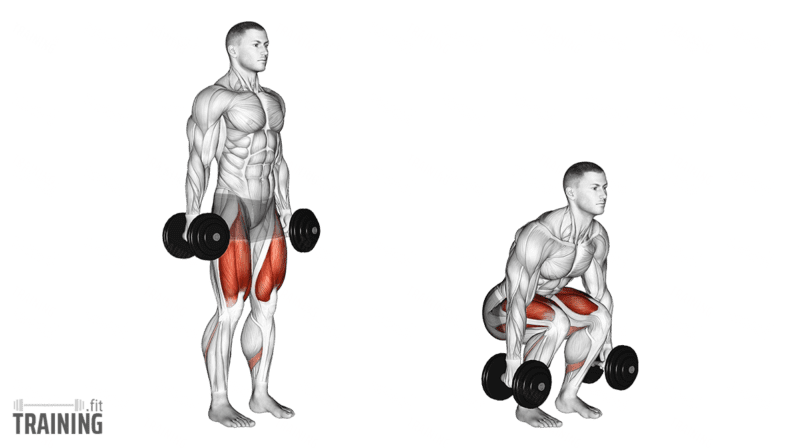
Dumbbell squats work many muscle groups at once. The main focus is on the thighs and glutes. Quadriceps and hamstrings get a strong workout. Your calves and lower back also engage for support. Core muscles tighten to keep your posture steady.
This full-body engagement helps burn calories fast. It builds muscle evenly to avoid imbalances. Regular practice makes legs and hips stronger and more flexible.
Advantages Over Other Squat Variations
Dumbbell squats offer unique benefits compared to barbell or bodyweight squats. Holding dumbbells gives you control over weight and movement. This makes it easier to adjust difficulty and avoid strain. Dumbbells also allow a greater range of motion.
They require less equipment and space. Dumbbell squats are great for beginners and advanced lifters. They reduce stress on the spine and knees. This makes them safer for many people.
Improved Balance And Stability
Using dumbbells forces your body to balance the weights. This activates small stabilizer muscles around the joints. These muscles improve coordination and joint strength. Better balance lowers the chance of falls and injuries.
This stability training helps in daily activities and other sports. Dumbbell squats teach your body to move smoothly and confidently. They also enhance posture by strengthening core and back muscles.
Credit: training.fit
Choosing The Right Dumbbells
Choosing the right dumbbells is key for a safe and effective squat. The correct dumbbells help maintain good form and avoid injury. They also make the workout more comfortable and efficient. Understanding how to pick the right weight and type improves your exercise experience.
Selecting Appropriate Weight
Start with a weight you can lift with good form. Choose dumbbells that challenge your muscles but do not cause strain. For beginners, lighter weights between 5 to 15 pounds work well. Increase weight slowly as your strength grows. Avoid weights that make you lose balance or control.
Types Of Dumbbells To Use
There are several dumbbell types to consider. Traditional iron dumbbells are durable and affordable. Rubber-coated dumbbells reduce noise and protect floors. Neoprene dumbbells offer a comfortable grip and bright colors. Choose a type that fits your workout space and personal preference.
Adjustable Vs Fixed Dumbbells
Adjustable dumbbells let you change the weight quickly. They save space and money in the long run. Fixed dumbbells have a set weight and are simple to use. They are often more durable and stable. Pick the option that suits your budget, space, and training style.
Proper Starting Position
Starting a dumbbell squat with the right position sets the tone for a safe and effective workout. Proper form helps avoid injury and targets the muscles better. Focus on your feet, hands, and core before you begin the movement. Each element plays a key role in your balance and power during the squat.
Foot Placement And Stance
Stand with your feet shoulder-width apart for good balance. Point your toes slightly outward to allow natural knee movement. Keep your weight evenly distributed on your heels and midfoot. Avoid letting your knees cave inward or push too far forward past your toes.
Hand And Arm Positioning
Hold a dumbbell in each hand with a firm grip. Let your arms hang straight down at your sides. Keep your shoulders relaxed but stable. Avoid shrugging your shoulders or locking your elbows. This position helps maintain control and stability throughout the squat.
Engaging Core Muscles
Tighten your abdominal muscles before you start the squat. Imagine bracing your stomach as if preparing for a gentle punch. This engagement supports your lower back and improves posture. Keep your chest lifted and avoid leaning forward too much.
Step-by-step Dumbbell Squat Technique
Learning the proper dumbbell squat technique helps you build strength safely. Each part of the movement works specific muscles in your legs and core. Follow these steps to perform the exercise correctly and avoid injury. Focus on form, balance, and control throughout the motion.
Initiating The Squat
Stand with feet shoulder-width apart. Hold a dumbbell in each hand by your sides. Keep your chest up and shoulders back. Tighten your core muscles to support your lower back. Look straight ahead to maintain a neutral neck position.
Lowering Your Body Safely
Bend your hips and knees slowly to lower your body. Push your hips back as if sitting in a chair. Keep your back straight and chest lifted. Lower until your thighs are parallel to the floor or slightly below. Control your descent to avoid dropping too fast.
Maintaining Knee And Toe Alignment
Keep your knees aligned with your toes during the squat. Avoid letting your knees cave inward or move too far forward. Your toes should point slightly outward, matching your natural stance. This alignment protects your joints and improves balance.
Returning To Standing Position
Press through your heels to rise back up. Straighten your hips and knees together. Keep your core engaged and chest lifted as you stand. Return to the starting position smoothly, ready for the next repetition.
Common Form Mistakes To Avoid
Performing dumbbell squats with correct form is essential for safety and effectiveness. Avoiding common mistakes helps prevent injuries and improves workout results. Paying attention to your posture and movement during each squat is key. Below are frequent form errors and how to fix them.
Knees Caving Inward
Many people let their knees collapse toward each other. This puts strain on the knee joints and weakens the exercise. Keep your knees aligned over your toes. Push them slightly outward as you squat down. This engages the hips and protects the knees.
Leaning Too Far Forward
Leaning your upper body forward reduces the squat’s benefits. It shifts weight to the lower back, causing discomfort. Maintain a straight chest and look ahead. Engage your core muscles to keep your torso upright throughout the movement.
Raising Heels Off The Ground
Rising onto your toes decreases balance and power. Keep your entire foot flat on the floor. Press through your heels as you stand up. This ensures better control and works the right muscle groups.
Holding Dumbbells Incorrectly
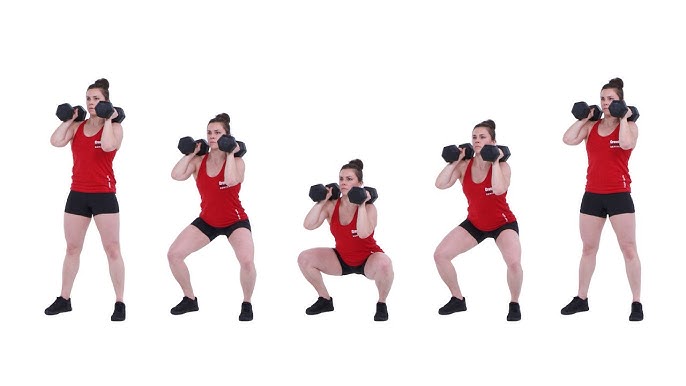
Incorrect grip can lead to poor posture and wrist pain. Hold dumbbells firmly at your sides or in front of your chest. Keep your wrists straight and relaxed. Avoid swinging the weights to maintain stability and focus on the squat form.
Variations Of Dumbbell Squats
Dumbbell squats have many variations that target muscles differently. Each version changes the position of the dumbbells or your stance. These changes challenge your body in new ways. Trying different types keeps your workout fresh and effective.
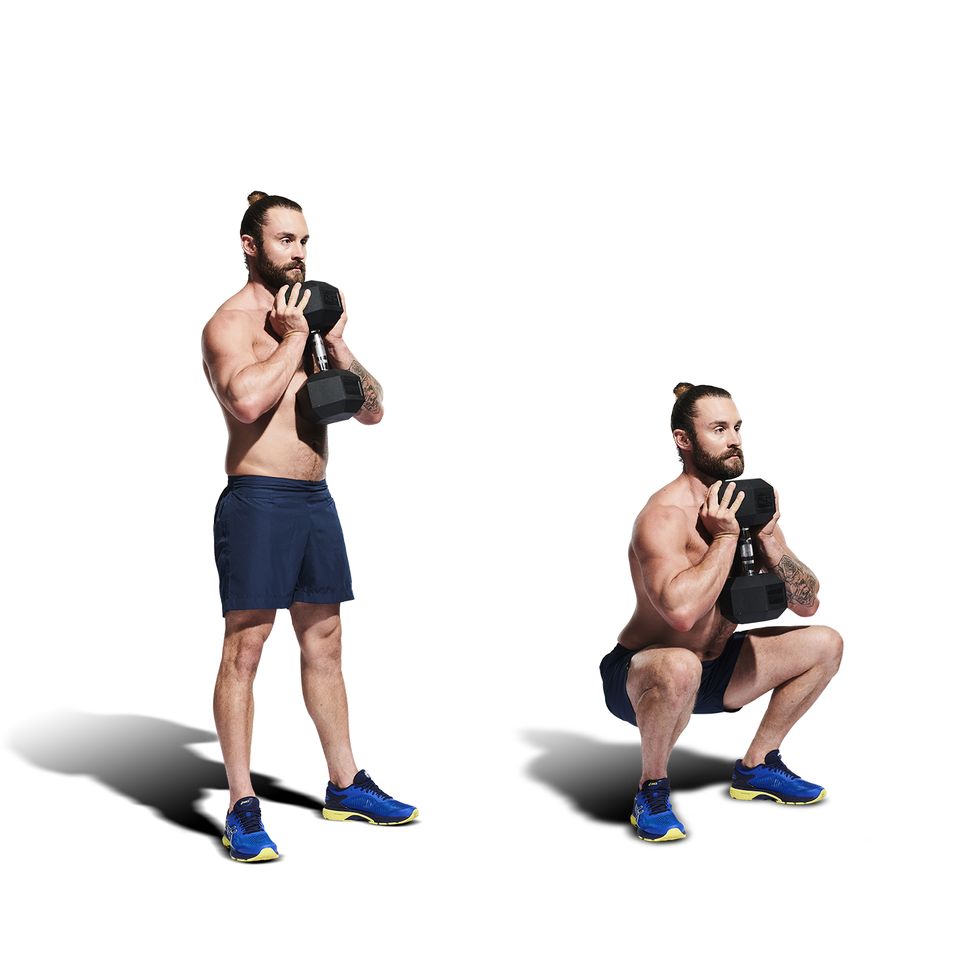
Goblet Squat
Hold one dumbbell close to your chest with both hands. Keep your elbows pointing down. Stand with feet shoulder-width apart. Squat down by bending your knees and hips. Keep your back straight and chest up. This squat helps improve form and balance.
Sumo Squat
Hold a dumbbell with both hands between your legs. Take a wide stance with toes pointed out. Lower your hips down and back while keeping your chest lifted. This squat targets inner thighs and glutes more. It also improves hip flexibility.
Squat To Press
Hold a dumbbell in each hand at shoulder height. Perform a regular squat by bending your knees. As you stand up, press the dumbbells overhead. Lower the weights back to shoulders as you squat again. This move works legs, shoulders, and core muscles.
Integrating Dumbbell Squats Into Workouts
Integrating dumbbell squats into your workout routine boosts lower body strength effectively. This exercise targets your thighs, glutes, and hamstrings with simple equipment. Proper planning ensures you gain the most from dumbbell squats without injury. Follow these tips to include them safely and efficiently in your sessions.
Warm-up And Mobility Exercises
Start with light cardio like walking or cycling for five minutes. Perform dynamic stretches such as leg swings and hip circles. These moves increase blood flow and loosen your joints. Next, do bodyweight squats to prepare muscles and practice form. Proper warm-up reduces injury risk and improves squat depth.
Repetition And Set Recommendations
Begin with 2 to 3 sets of 8 to 12 repetitions. Choose a dumbbell weight that feels challenging but allows good form. Rest for 60 to 90 seconds between sets. As strength improves, increase weight or add one more set. Consistency helps build muscle and endurance over time.
Combining With Other Lower Body Exercises
Pair dumbbell squats with lunges, deadlifts, or step-ups. This variety targets different muscles and enhances balance. Alternate exercises to avoid fatigue and maintain workout quality. Include calf raises or glute bridges for full leg development. A balanced workout promotes strength and reduces injury risk.
Credit: www.youtube.com
Safety Tips And Injury Prevention
Performing dumbbell squats safely prevents injuries and ensures steady progress. Good habits protect your joints, muscles, and spine. Focus on control and form during every rep. Avoid rushing through the movement. Pay attention to your body’s signals and adjust as needed.
Proper Breathing Technique
Inhale deeply before you lower into the squat. Hold your breath briefly to stabilize your core. Exhale slowly while rising back up. This breathing method supports your spine and improves balance. Avoid shallow or rapid breaths that can cause dizziness.
Avoiding Overloading
Choose dumbbell weights that match your strength level. Start light and increase weight gradually over time. Overloading too soon strains muscles and joints. Listen to your body’s limits and rest if you feel pain. Consistency beats heavy weights for long-term gains.
Using Mirrors Or Video For Form Check
Use a mirror or record yourself to watch your squat form. Check that knees stay aligned with toes and do not extend past them. Keep your back straight and chest lifted throughout. Fix mistakes early to prevent bad habits. Visual feedback helps improve technique and reduces injury risk.
Tracking Progress And Gains
Tracking progress and gains is key to making the most out of your dumbbell squat workouts. It helps you stay motivated and see how your body changes. Regular tracking shows if your strength and muscle size improve. It also guides you on when to increase the challenge. Use simple methods to keep track and adjust your routine for steady growth.
Noticing Strength Improvements
Strength gains appear as you lift heavier dumbbells or do more reps. Pay attention to how your muscles feel during each set. You may find the exercise easier over time. This means your muscles are getting stronger. Keep a workout journal to record weights and reps. Review it weekly to spot progress clearly.
Adjusting Weights Over Time
Increasing dumbbell weight is vital for continued improvement. When exercises feel less challenging, raise the weight slightly. Avoid big jumps to prevent injury. Small increases keep your muscles working hard. Changing weights ensures you do not hit a plateau. This approach helps build strength steadily and safely.
Measuring Muscle Growth
Muscle growth shows as changes in size and shape. Take photos every few weeks to compare visual progress. Use a tape measure on your thighs and glutes for precise tracking. Measure at the same time of day for consistency. Tracking these details helps you see real results beyond the scale.
Credit: www.menshealth.com
Frequently Asked Questions
How To Properly Do Dumbell Squats?
Hold dumbbells at your sides, feet shoulder-width apart. Keep chest up, back straight. Squat down by bending hips and knees. Lower until thighs are parallel to the floor. Push through heels to stand. Engage core and avoid knees extending past toes.
Is Squatting With Dumbbells Effective?
Squatting with dumbbells effectively targets your thighs, glutes, hamstrings, and quadriceps. It builds strength and tones muscles.
How To Properly Do A Weighted Squat?
Stand with feet shoulder-width apart, hold weights securely. Keep chest up, core tight. Lower hips by bending knees, avoid knees passing toes. Squat until thighs are parallel to the floor. Push through heels to rise. Maintain controlled, steady movement throughout.
How Do You Properly Do A Dumbbell Squat To Press?
Hold dumbbells at shoulder height. Squat by pushing hips back and bending knees. Keep chest up and core tight. Stand and press dumbbells overhead. Lower weights and repeat.
Conclusion
Dumbbell squats build strength in legs and glutes effectively. Keep your back straight and core tight during each squat. Start with light weights and increase gradually for safety. Practice good form to avoid injuries and get better results. Regular dumbbell squats improve balance and muscle tone over time.
Stay consistent, and you will notice progress soon. This simple exercise fits well in any workout routine. Give your body the strength it deserves with dumbbell squats.